Diego Rivera murals guide: where to find the best works in Mexico City
Mexico City: Diego Rivera's Murals Guided Walking Tour
Where are Diego Rivera's most important murals in Mexico City?
The most important Rivera murals are at the Palacio Nacional (free entry, east side of the Zócalo) — his History of Mexico cycle on the central stairway. The Secretaría de Educación Pública (SEP, also free) has 235 panels across two courtyards. The Museo Mural Diego Rivera near Alameda Park houses the famous Dream of a Sunday Afternoon in Alameda Park fresco.
Why Rivera’s murals matter
Diego Rivera (1886–1957) was the most politically and culturally significant visual artist Mexico produced in the 20th century. His murals — large-scale frescoes painted in public buildings at the invitation of the revolutionary Mexican government after 1921 — are not decorative works. They were a deliberate political and educational project: to teach Mexican history and revolutionary ideology to a largely illiterate population by making the walls of government buildings into illustrated textbooks.
Rivera, trained in cubist technique in Europe, returned to Mexico in 1921 and spent the next three decades covering the walls of government buildings, schools, hospitals, and cultural institutions with painted cycles covering Aztec civilization, Spanish conquest, colonial exploitation, the Reform War, the 1910 Revolution, and the ongoing struggle for indigenous and worker rights. The scale is extraordinary: the Palacio Nacional cycle alone contains approximately 400 square meters of fresco.
His marriage to Frida Kahlo — also a major figure in Mexican art — and his political associations (he was a member of the Communist Party, briefly hosted Leon Trotsky in his home) make Rivera’s biography inseparable from his work.
| Where | Centro Histórico (Palacio Nacional, SEP), Alameda, Coyoacán |
| Cost | Free (Palacio Nacional, SEP) to paid (Anahuacalli) |
| Time needed | Half day for the full route |
| Getting there | Metro Zócalo or Bellas Artes (Line 2) |
| Best time | Weekday mornings, avoid government-building lunch hours |
Most of the route sits inside the Centro Histórico, so it combines naturally with the Zócalo and Templo Mayor guide and the Templo Mayor guide. If you are still deciding how to split your days, the 3-day Mexico City itinerary shows where a murals morning fits.
Locations compared
| Site | Cost | Hours | Highlight |
|---|---|---|---|
| Palacio Nacional | Free | Tue–Sun 09:00–17:00 | Epic of the Mexican People |
| SEP building | Free | Mon–Fri 09:00–18:00 | 235 panels, two courtyards |
| Museo Mural Diego Rivera | check the official museum site | Tue–Sun 10:00–18:00 | Dream of a Sunday Afternoon |
| Anahuacalli Museum | check the official museum site | Tue–Sun 11:00–17:30 | Rivera’s own pyramid museum |
| Palacio de Bellas Artes | Museum entry fee | Tue–Sun | Man, Controller of the Universe |
Palacio Nacional: the most important murals
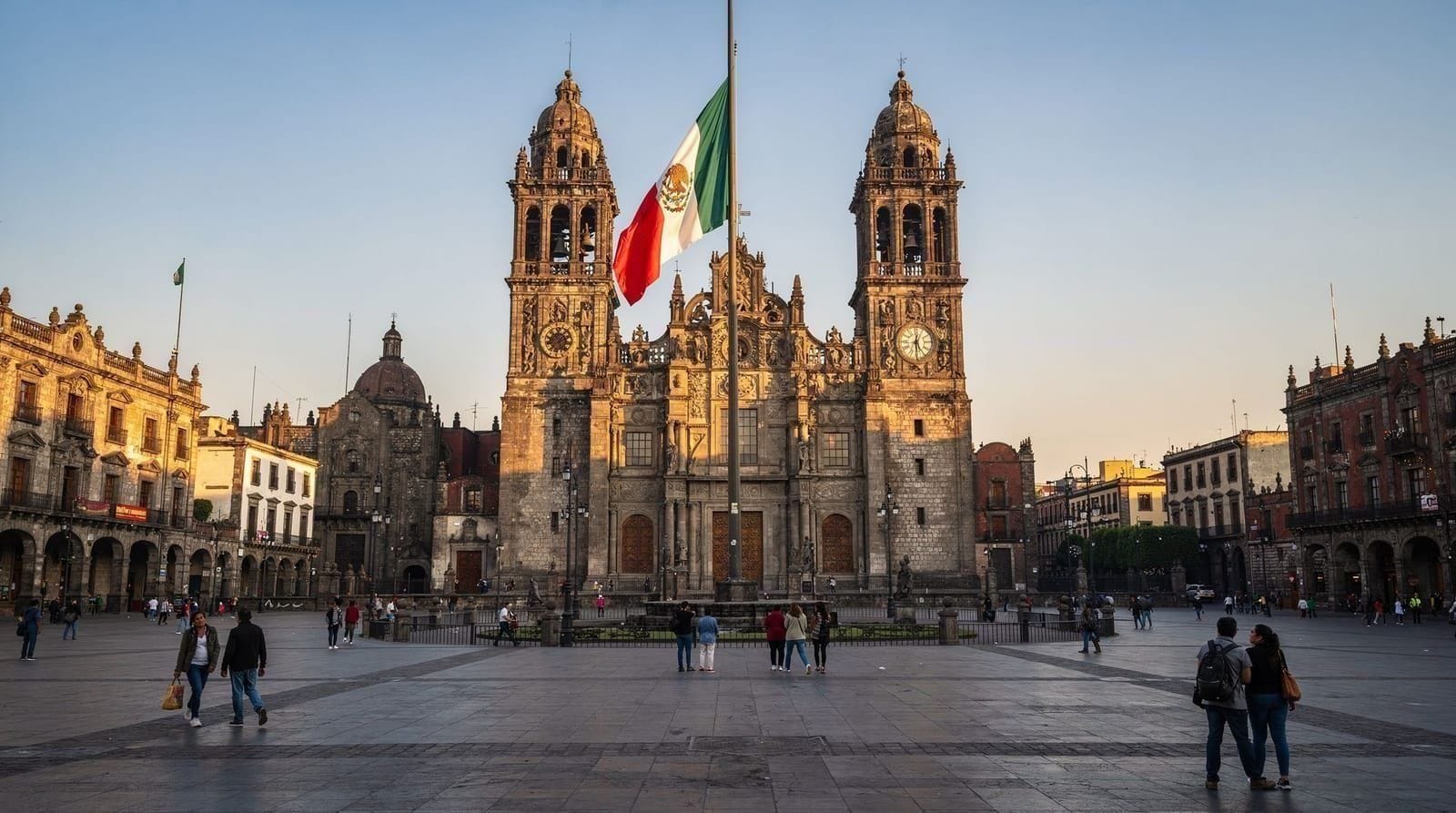
The Palacio Nacional is on the east side of the Zócalo — the plaza at the heart of Mexico City’s Centro Histórico. It is the official seat of the federal executive and working government building. Free entry is via the main gate on the Zócalo.
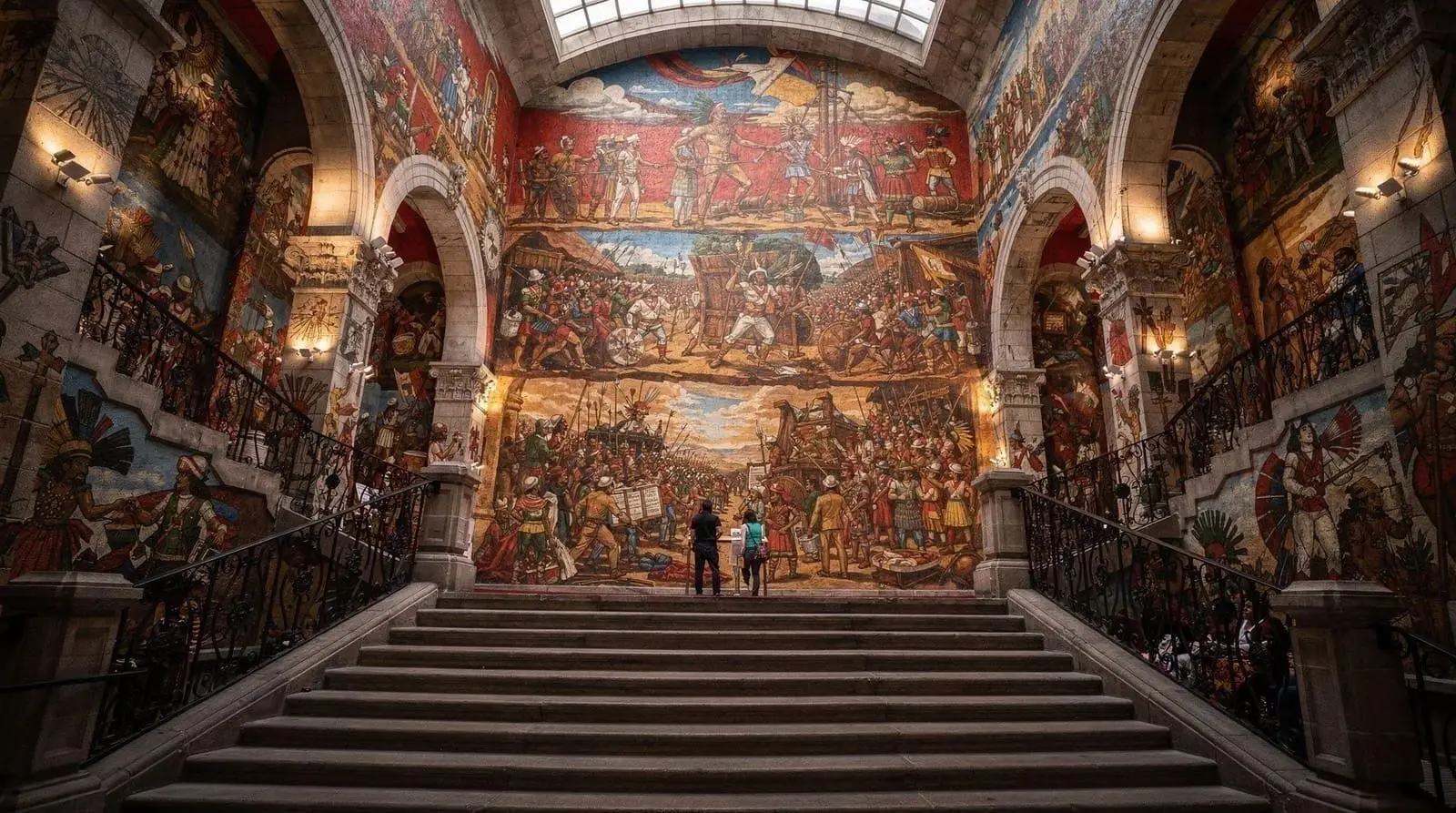
Rivera’s murals fill the main staircase landing and two side corridors of the first courtyard. The central panel — “Epic of the Mexican People in their Struggle for Freedom and Independence” — runs 5 metres high across the full width of the landing and depicts Mexican history as a continuous narrative from the Aztec market at Tlatelolco, through the Spanish conquest, colonial slavery, independence, reform and revolution, to Rivera’s allegorical vision of socialism.
The left wall covers pre-Columbian civilization: the Aztec world at its height, the markets, the agricultural system, the temples. This section is encyclopedic in its detail — Rivera researched the Aztec world obsessively and includes specific documented activities, foods, trade goods and clothing. The right wall covers the Spanish conquest and colonial period through independence. Together the three sections form the most coherent visual history of Mexico in existence.
Hours and access: The Palacio Nacional is open Tuesday–Sunday 09:00–17:00. Free entry; present valid ID at the security checkpoint. Photography permitted for personal use.
The guided walking tour of Diego Rivera’s murals covers the Palacio Nacional alongside the SEP murals and provides the historical and political context that turns the paintings from impressive artwork into a comprehensible historical argument.
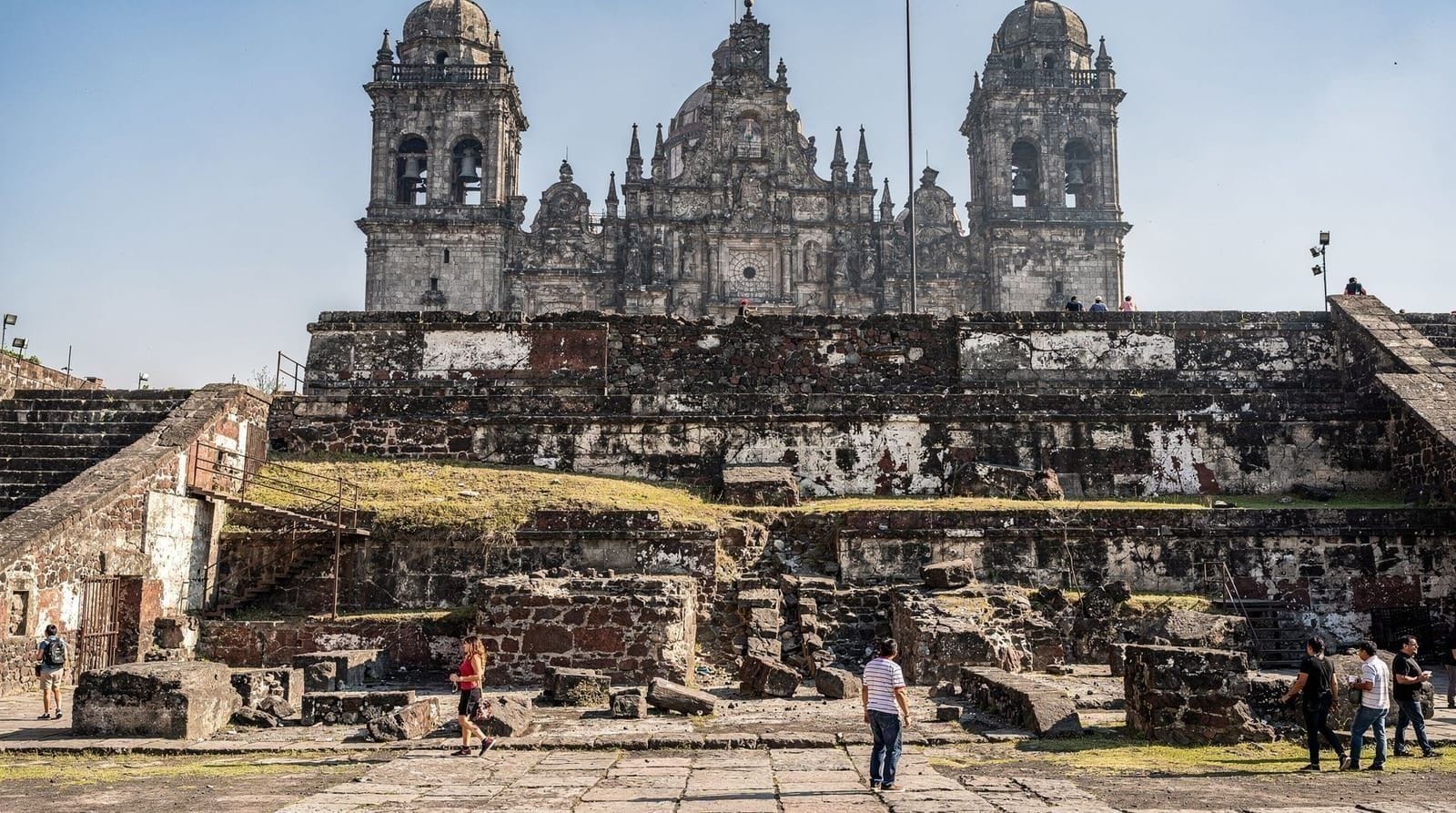
Because the Palacio Nacional faces the Zócalo, it pairs well with the excavated Aztec temple precinct next door, described in the Templo Mayor guide. Seeing the real Aztec site before or after Rivera’s painted version of the same world makes the left wall of the stairway much easier to read.
Secretaría de Educación Pública (SEP): 235 panels
The SEP building is 4 blocks north of the Zócalo on Calle República de Argentina. This is Rivera’s most prolific mural cycle — 235 individual fresco panels painted between 1923 and 1928 across two internal courtyards.
The first courtyard (Court of Labor) covers the trades and crafts of Mexico: miners, weavers, potters, farmers, sugar cane workers, and their exploitation. Individual panels are smaller than the Palacio Nacional work but the cumulative effect of walking through the courts surrounded by hundreds of figures is overwhelming.
The second courtyard (Court of Festivals) depicts Mexican popular celebrations, regional dances, Day of the Dead imagery, the Tehuantepec market, and scenes from Rivera’s vision of an educated, empowered Mexico. This is where the more celebratory register of Rivera’s politics is visible.
Access: Free entry. Present ID at the security desk (standard government building procedure). Open Monday–Friday 09:00–18:00; note this is a working government building — visits during lunch hours (14:00–16:00) are sometimes slower.
Museo Mural Diego Rivera: the Dream mural
The Museo Mural Diego Rivera on Calle Doctor Mora, adjacent to Alameda Park (west of the Zócalo), was built specifically to house one painting: the Dream of a Sunday Afternoon in Alameda Park (Sueño de una Tarde Dominical en la Alameda Central), 1947.
The fresco measures 4.17 × 15.67 metres. Originally painted for the wall of the Hotel del Prado, it was detached and moved after the hotel was destroyed in the 1985 earthquake. The image shows a crowded promenade of Mexican historical figures — Hernán Cortés, José Guadalupe Posada (whose skeleton figure La Catrina Rivera adopted), Frida Kahlo, young Diego, and dozens more — walking together in the Alameda on a Sunday afternoon. It is simultaneously a history painting, an autobiography, and a demonstration of Rivera’s pictorial skill.
The museum also contains period photographs, documentary material about Rivera’s life, and some smaller preparatory works. Entry: check the official museum site. Open Tuesday–Sunday 10:00–18:00.
Anahuacalli Museum: Rivera’s personal legacy
The Anahuacalli (Ana-wa-KAHL-ee) Museum in Coyoacán-adjacent Pedregal is Rivera’s most unusual project — a museum he designed and built himself, in a style blending Aztec architecture with volcanic stone, to house his collection of 50,000+ pre-Columbian objects. Rivera spent 25 years building it; he died before it was complete; his estate and the foundation finished it in 1964.
The building is extraordinary: volcanic stone, massive, dark, with slit windows and Aztec-inspired reliefs. The pre-Columbian collection inside is museum-quality — figurines, ceramics, masks, and objects from across pre-Columbian Mexico. The top floor has a studio Rivera used and a spectacular panoramic view over the Pedregal lava fields toward Coyoacán. Travelers who prefer smaller groups or access outside standard visiting hours can book the exclusive tour of the Anahuacalli Museum, a lower-crowd alternative to general admission.
The guided tour of the Anahuacalli Museum provides the context Rivera intended — the museum was as much a statement about the continuity between pre-Columbian art and modern Mexican identity as it was a repository.
Access: South CDMX, colonia Pedregal (near Coyoacán). Metro to Villa Quietud (Line 2) + short walk or rideshare. Entry: check the official museum site. Open Tuesday–Sunday 11:00–17:30.
The Anahuacalli fits well into a southern day alongside Coyoacán and the Coyoacán walking guide, since Rivera and Kahlo’s story runs through both. For help with the transfer, see getting around Mexico City.
Palacio de Bellas Artes
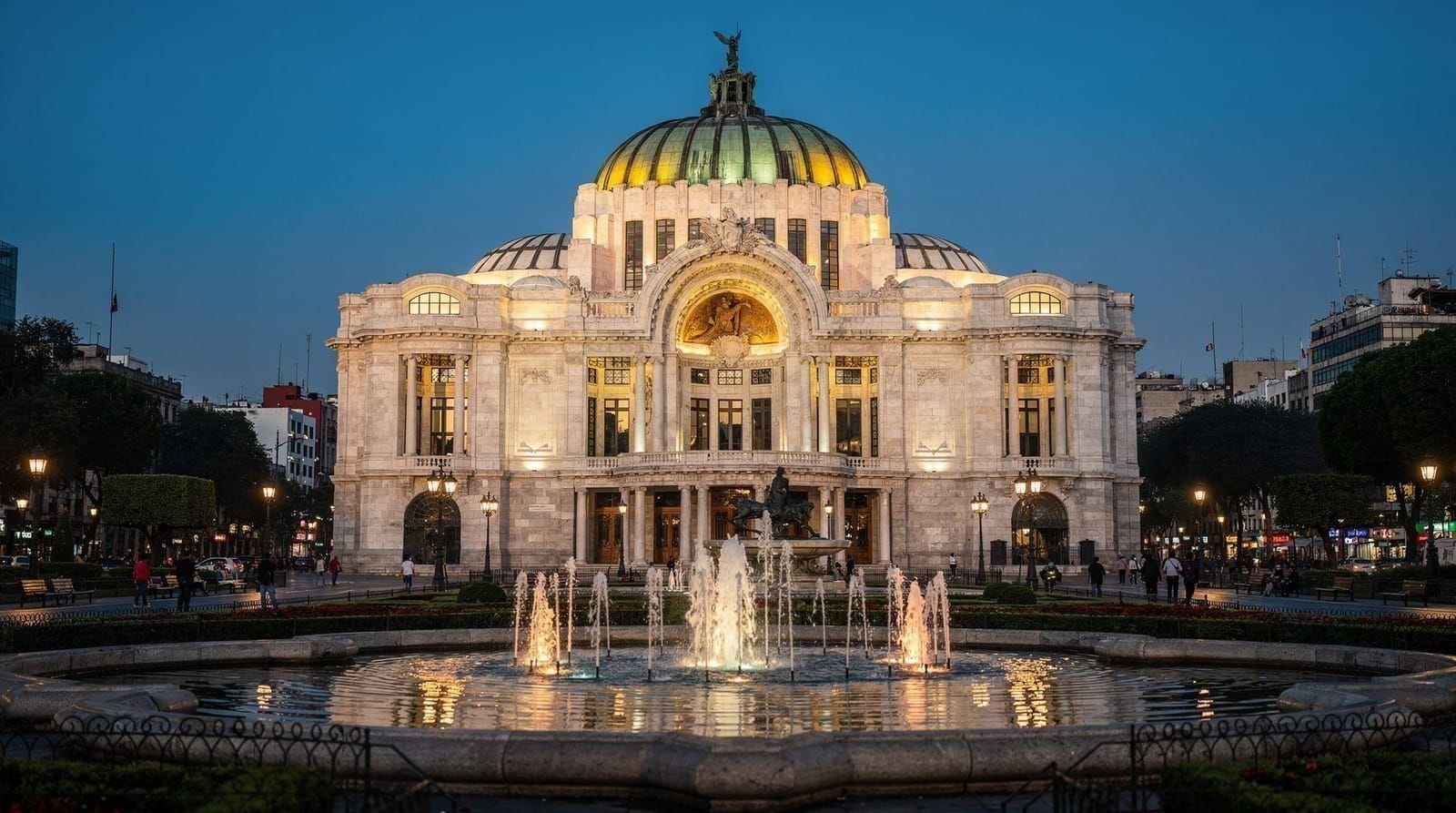
The Palacio de Bellas Artes on Avenida Juárez contains Rivera’s famous Rockefeller Center mural replacement — Man, Controller of the Universe — as well as major works by Orozco and Siqueiros. The full guide is in the Palacio de Bellas Artes guide, but for the Rivera murals context: the Bellas Artes version of the Rockefeller mural is Rivera’s recreation of the work he painted in New York in 1934 (which Nelson Rockefeller had destroyed after Rivera refused to remove Lenin’s portrait from it). The Mexico City version is larger and retains everything Rockefeller objected to.
A recommended murals route
For visitors with a full day dedicated to Rivera and Mexican muralism:
Morning:
- Palacio Nacional (09:00 open) — stairway mural cycle, 1 hour
- SEP building (4-block walk north) — two courtyards, 1 hour
Afternoon: 3. Lunch at a historic center restaurant (Café de Tacuba, Calle Tacuba 28, is the appropriate period choice) 4. Museo Mural Diego Rivera near Alameda Park (15-minute walk from SEP) — 45 minutes 5. Palacio de Bellas Artes (5-minute walk) — Rivera, Orozco, Siqueiros halls, 1 hour
The historic center walking tour with murals covers the main sites with a guide who contextualizes the muralism movement, Rivera’s politics, and the specific iconographic vocabulary of each work.
If you would rather ride between sites than walk, the hop-on hop-off bus guide explains how that option works. Government buildings and security checks are routine here; the Mexico City safety guide covers the everyday precautions that apply while you move around the centre.
Reading the iconography: what to look for
Rivera’s murals reward close looking because he embedded recurring visual arguments across all his major cycles. Watch for the recurring contrast between indigenous figures (rendered with dignity, physical strength, and connection to the land) and colonial or capitalist figures (rendered as caricatured, grotesque, or physically diminished) — this contrast is the central visual argument of the Palacio Nacional cycle and repeats at the SEP.
Watch for Rivera’s habit of inserting real historical and contemporary figures into crowd scenes: Karl Marx appears in the Palacio Nacional’s socialist-future panel, and the Dream of a Sunday Afternoon mural inserts Rivera himself as a child alongside Frida Kahlo and a roster of historical Mexicans spanning four centuries. Watch for the treatment of labour: hands, tools and the physical act of work are rendered in loving, almost devotional detail throughout the SEP courtyards — this was deliberate, since the murals were partly aimed at an illiterate working population meant to see their own labour dignified on the walls of a government building.
Which site to prioritise with limited time
If you can only visit one site, choose the Palacio Nacional — it’s free, centrally located on the Zócalo, and contains the single most ambitious and coherent Rivera cycle in the city. If you have time for a second stop, the SEP building rewards the extra half-hour with sheer volume: 235 panels is an overwhelming, cumulative experience that the Palacio Nacional’s more compact cycle doesn’t replicate. The Museo Mural Diego Rivera and Anahuacalli are both worthwhile but genuinely optional additions for a first-time visitor with limited time — prioritise them on a second CDMX trip or if murals are a specific personal interest rather than a general one.
Fitting the murals into a longer stay
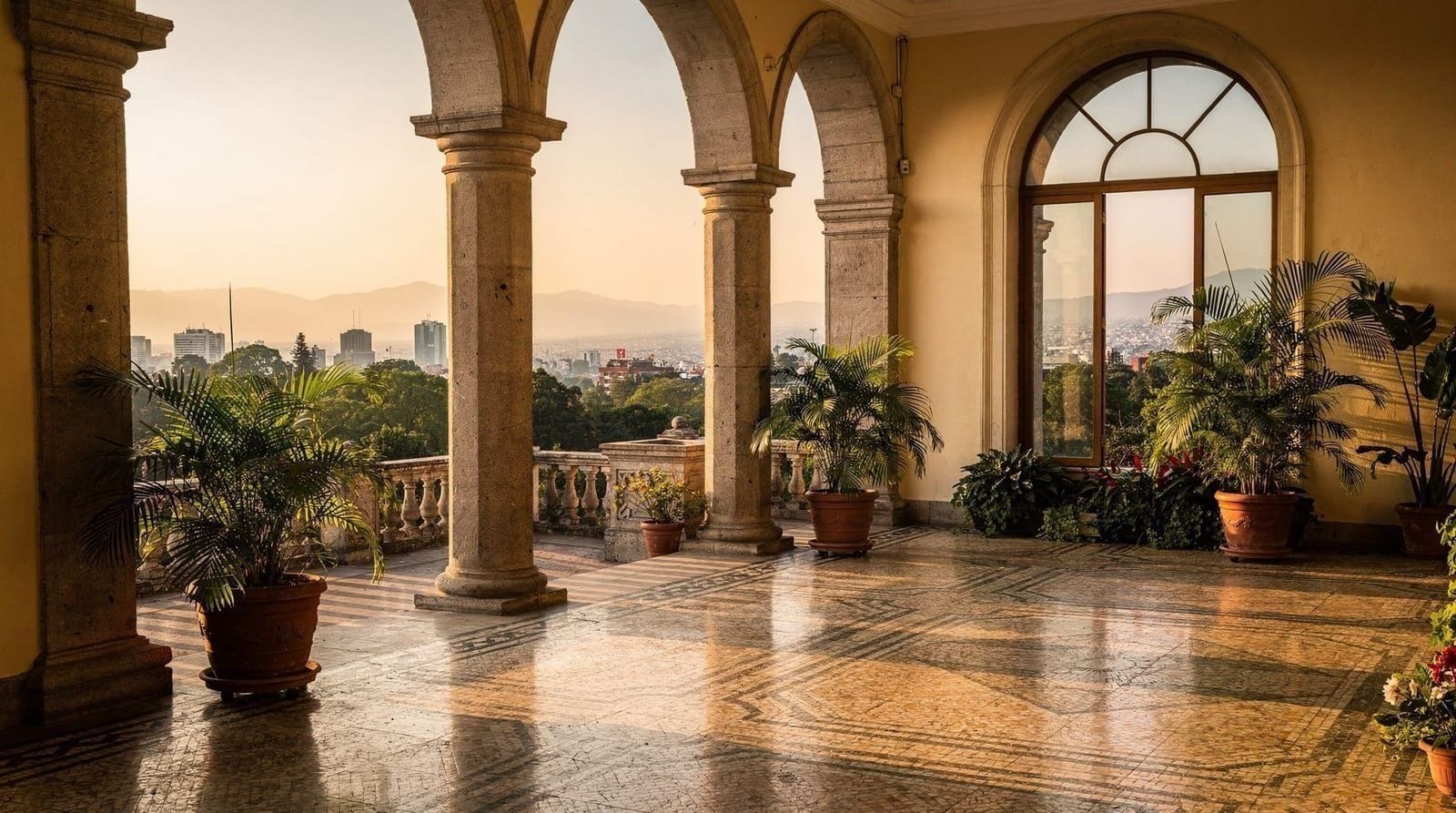
Murals work best as one strand of a wider trip rather than the whole plan. Many visitors slot them into the first morning in the historic centre, then move on to food, markets and neighbourhood walks. The 24 hours in Mexico City post shows how a very short stay can still include the Zócalo area, and the first-timer mistakes article lists pitfalls worth knowing before you go. If you are choosing a base, the where to stay guide compares areas, and the Chapultepec Castle guide covers another muralled building on the same wider route.
Frequently asked questions about Diego Rivera murals in Mexico City
How many murals did Diego Rivera paint in Mexico City?
Rivera painted murals across dozens of buildings in Mexico City over roughly 30 years (1921–1951). The major cycles — Palacio Nacional, SEP, Palacio de Cortés (Cuernavaca), UNAM, Ministry of Health — represent hundreds of panels totaling thousands of square meters. In Mexico City itself, the Palacio Nacional and SEP contain the most important and accessible work.
Can I visit the Palacio Nacional without a tour?
Yes, free and independently. Present ID at the main entrance gate on the east side of the Zócalo. The murals are self-evidently remarkable even without a guide, but the political iconography (which historical figures Rivera included, which he omitted, what each figure represents) becomes far more meaningful with context.
Are Rivera’s murals political propaganda?
Yes, explicitly. Rivera was a Marxist and his murals are programmatically ideological — the indigenous people are noble, the Spanish are villains, the Revolution is righteously inevitable, capitalism is destructive, socialism is the future. This doesn’t make them less artistically significant (all art operates from a perspective); it makes them more interesting as historical objects, because they were commissioned by a government that officially endorsed these readings of Mexican history.
Is Frida Kahlo’s work also displayed at these locations?
Frida Kahlo’s work is at the Frida Kahlo Museum in Coyoacán (La Casa Azul), which is a separate visit. The Museo Mural Diego Rivera includes documentary photographs of Rivera and Kahlo but is not a Kahlo museum.
Are the Diego Rivera murals in Mexico City free to see?
Most are free. The Palacio Nacional murals are free to enter (no booking required, just queue at the east Zócalo entrance). The SEP murals are also free to enter. The Museo Mural Diego Rivera and the Anahuacalli Museum (Rivera’s personal museum) set their own admission; check each museum’s official site for current prices.
What is the History of Mexico mural at the Palacio Nacional?
The History of Mexico (Historia de México) is a massive three-part mural on the main staircase and two side walls of the Palacio Nacional, painted by Rivera between 1929 and 1951. It depicts Mexican history from the pre-Aztec civilizations through the Spanish conquest, colonial period, independence, revolution, and Rivera’s vision of a socialist future. The central panel ‘Epic of the Mexican People’ is one of the great political paintings of the 20th century.
What is the Dream of a Sunday Afternoon mural?
Sueño de una Tarde Dominical en la Alameda Central (Dream of a Sunday Afternoon in Alameda Park) is a 15-metre fresco painted in 1947, now displayed in the Museo Mural Diego Rivera near Alameda Park. It shows a promenade of Mexican historical figures — from the Spanish conquest to the 1940s — walking together in the park, with Rivera as a child beside Frida Kahlo and the skeleton figure of La Catrina (created by Posada but appropriated by Rivera).
Where is the SEP and what murals are there?
The Secretaría de Educación Pública (Ministry of Public Education) is on Calle República de Argentina 28, Centro Histórico, about 4 blocks north of the Zócalo. Rivera painted 235 fresco panels in two courtyards between 1923 and 1928, covering themes of Mexican labor, agriculture, festivals, and the ideals of the Revolution. Entry is free; arrive with a valid ID for the security check.
Can I see Rivera’s murals without a guided tour?
Yes. The Palacio Nacional and SEP are open to independent visitors with free entry. The quality of the murals is apparent even without interpretation, but a guide significantly enriches understanding of the political iconography. Rivera embedded specific historical figures, ideological messages, and coded references throughout his work that require context.
What other muralists should I look for in Mexico City?
The Mexican Muralism movement had three major figures: Diego Rivera, José Clemente Orozco and David Alfaro Siqueiros. Orozco’s major CDMX murals are at the Palacio de Bellas Artes (see the Bellas Artes guide). Siqueiros’ work is at Chapultepec Castle and in several public buildings. The Palacio de Bellas Artes also has Rivera and Siqueiros works side by side.
Top experiences
Bookable activities with verified prices and instant confirmation on GetYourGuide.