Mexico City tap water and food safety
CDMX: Street Food Tour of Local Markets
Is tap water safe to drink in Mexico City?
No. Mexico City tap water is not safe to drink for visitors — the infrastructure treats it at the source but contamination during distribution is common. Drink bottled water (agua purificada), which is sold everywhere for 10–25 MXN. Street food is generally safe if hot and freshly cooked at busy stalls with high turnover. Cold street items (raw salads, cut fruit from dubious vendors) carry more risk.
The water situation: simple and clear
Mexico City’s tap water undergoes treatment at the source — chlorination, filtration, standard municipal processing. The problem is not the treatment plant; it is the distribution infrastructure. The city’s water pipes, many dating back decades, leach sediment and bacteria during delivery. The result: tap water that is technically treated but not reliably safe to drink by the time it reaches your hotel tap.
This is not a secret or a tourist scam. It is acknowledged by the Mexico City government, understood by every resident, and the reason nearly every household in the city uses garrafones (large 20-litre purified water jugs) for drinking and cooking. Locals do not drink the tap water. Neither should you.
The practical solution: bottled water (agua purificada, agua embotellada) is sold at virtually every OXXO convenience store, pharmacy, and street corner in Mexico City, at prices of 15–25 MXN for 1.5 litres. This is not expensive. Budget 50–100 MXN per day per person for drinking water and think no more about it.
Hotels in tourist areas typically provide purified water dispensers or bottles. Restaurants in Roma, Condesa, and Polanco serve filtered water by default. Ask for agua purificada when in doubt.
Water matters more than usual in the first days because of the city’s elevation: staying well hydrated helps with the headache and tiredness some visitors feel on arrival, which is one more reason to keep a sealed bottle in your bag. The altitude guide explains how to pace those first days, and the neighbourhood guide to Roma and Condesa shows where you will find the easiest places to refill your supplies and eat well while you adjust.
| Tap water | Not safe to drink — use bottled/purified only |
| Cost of bottled water | 15–25 MXN per 1.5L, 50–100 MXN/day per person |
| Street food risk | Low if hot and freshly cooked at busy stalls |
| Realistic illness risk | ~20–30% over a week, mostly mild and self-limiting |
| Key pharmacy item | Suero Oral (rehydration salts) |
Brushing teeth: tap water is fine
Rinsing your mouth with tap water and brushing teeth with it is generally fine — the exposure is minimal and short. The risk comes from swallowing water. Some very sensitive travellers use bottled water for brushing; this is cautious but not necessary for most people.
If you are still deciding where to base yourself, the where to stay guide is worth a look with food and water in mind: a place with a purified water dispenser, or a host who restocks garrafones, makes the whole routine effortless. The Roma vs Condesa comparison covers two neighbourhoods where good restaurants are on your doorstep.
Eating street food safely
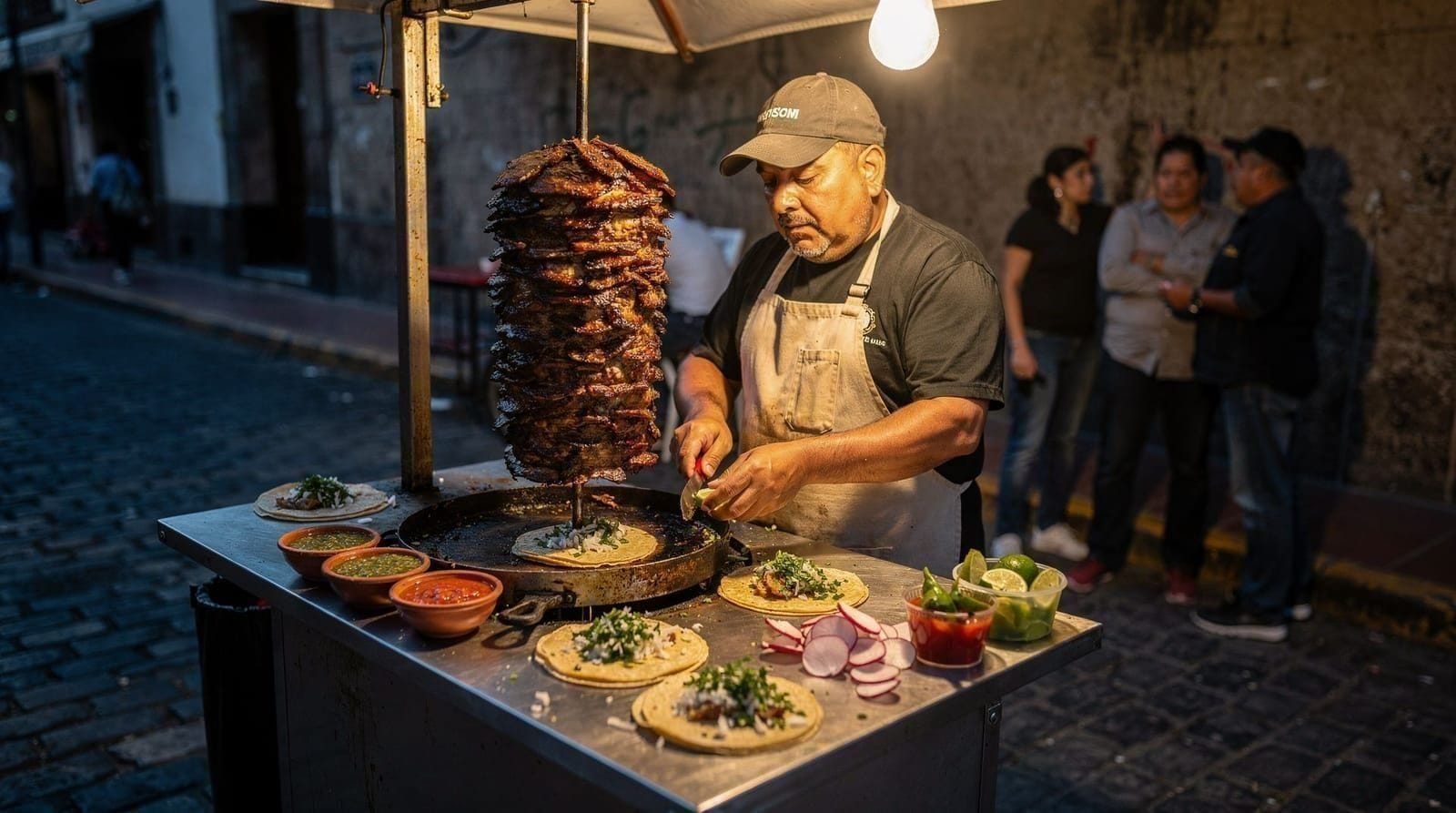
Mexico City’s street food culture is exceptional — arguably the richest in the Americas. Tacos al pastor from a trompo (a vertical spit of marinated pork that has been spinning and cooking continuously since early morning), tlayudas, elotes with lime and chili, memelas, quesadillas made fresh on a comal. Missing it out of excessive food safety anxiety would be a genuine loss.
The framework for eating street food safely is not complicated:
Eat hot and freshly cooked. Bacteria cannot survive the temperatures of a taco al pastor or a just-griddled quesadilla. The heat is your protection. If food is sitting cooked and cooling at room temperature, it is riskier than the same food prepared fresh in front of you.
Choose busy stalls. A taquería with a queue of local office workers at 1:00 pm has high ingredient turnover — nothing sits out for long. An empty stall in a tourist-facing location may have food that has been sitting longer. Follow the locals.
Look at the cook’s hands and the workspace. This sounds fussy but is genuinely informative. Clean workspace, clean hands or gloves, fresh ingredients in clear view = lower risk. Dirty workspace, flies on the ingredients, repurposed plastic bags = eat elsewhere.
Avoid raw garnishes left out in the heat. Raw onion, cilantro, and radish served fresh on tacos are fine. Pre-made salads sitting in the sun at a market stall, pre-cut fruit with a dressing, and leafy greens that have been sitting out are higher risk.
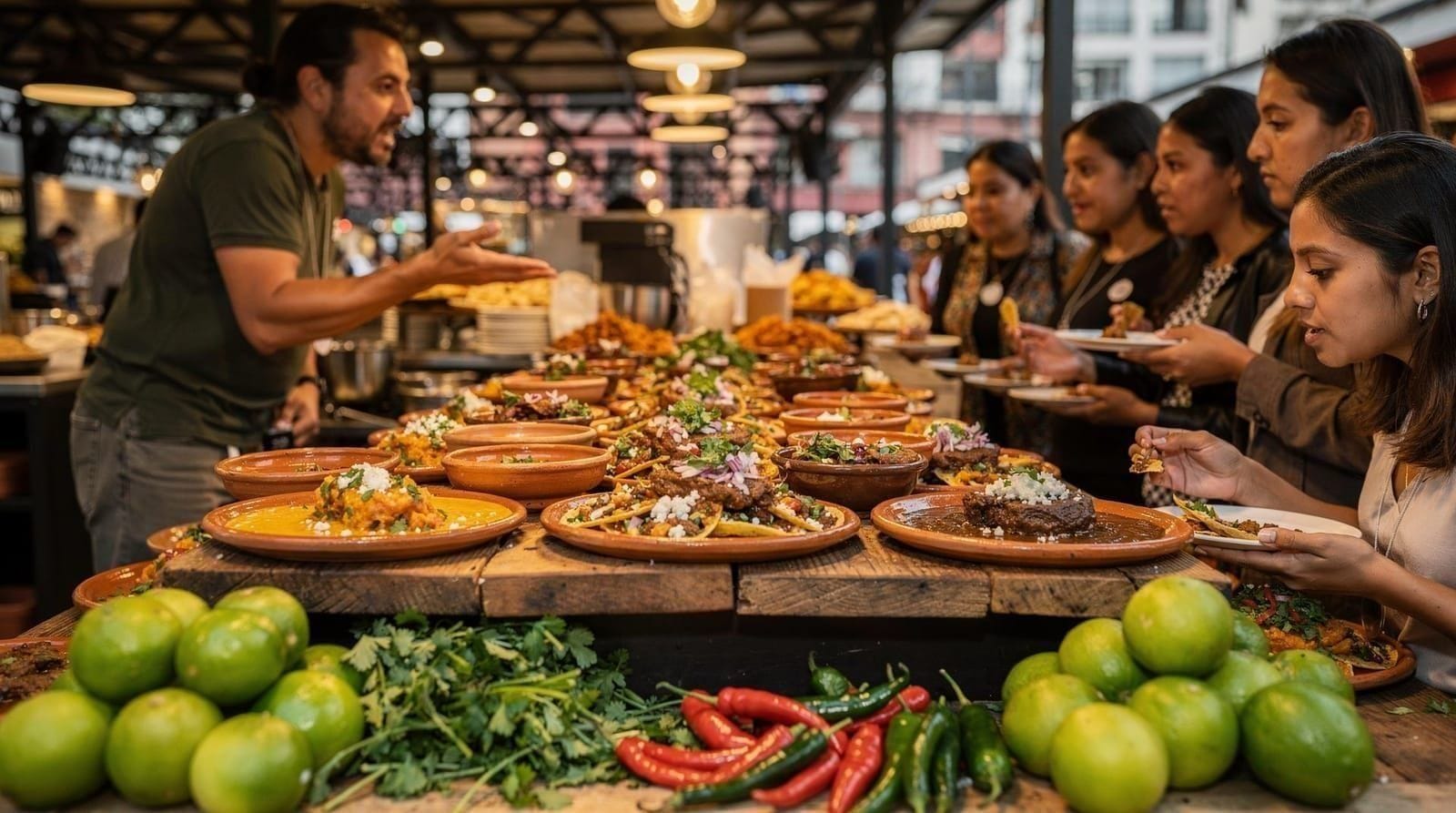
The best street food neighbourhoods are covered in the Mexico City street food guide. For a guided introduction, a CDMX street food tour of local markets is an excellent way to cover multiple vendors with a local guide who pre-selects the best and most reliable stalls.
Specific foods that carry more risk
Pre-cut fruit from street carts: Fruit salads and cut fruit cups (mangos, papaya, watermelon) sold from carts are popular and usually eaten safely by locals. The risk for sensitive visitors comes from fruit that has been cut some hours earlier and dressed with water that may not be purified. If in doubt, buy whole fruit (oranges, bananas, mandarin) that you peel yourself.
Jicamas and cucumber from seasoned water: The seasoned water on some fruit vendors’ carts may not be purified. The chile-lime powder and Tajín seasoning are fine; it’s the liquid that matters.
Raw dairy products: Mexico has excellent cheeses — queso Oaxaca, requeson, panela — most of which are pasteurised in formal commercial production. Artisanal cheeses from very small producers at markets are less regulated. If you have a sensitive stomach or are immune-compromised, stick to commercial brands.
Mariscos (seafood) from street vendors: Ceviche, aguachile, shrimp cocktails, and other seafood from street carts carry more risk than cooked items. The acid in ceviche does not fully pasteurise the raw seafood. Established marisquerías (seafood restaurants) in Roma and Polanco with cold storage are considerably safer than seafood from a street cart on a warm afternoon. If you’re craving ceviche specifically, Mercado de San Juan’s ceviche bars are a reasonable middle ground — high turnover, visible ice, and a mostly local clientele of food professionals who eat there daily.
Salsa: Fresh salsa made to order is generally fine. Communal salsa in an open bowl that has been at room temperature since morning is higher risk. At busy taquerías the salsa turns over so quickly it is effectively fresh. At tourist-facing spots with lower turnover, more caution.
Food safety is only one part of eating well here. If you want to put the same principles into practice with someone who knows the city, a food tour removes most of the guesswork, and a Mexican cooking class lets you see how salsas, tortillas and stews are prepared from the start. Local drinks deserve the same attention: the mezcal vs tequila guide is a good companion if you plan to order a round, and the first-timer mistakes post lists other habits that save you trouble.
Markets: what’s safe and what to avoid
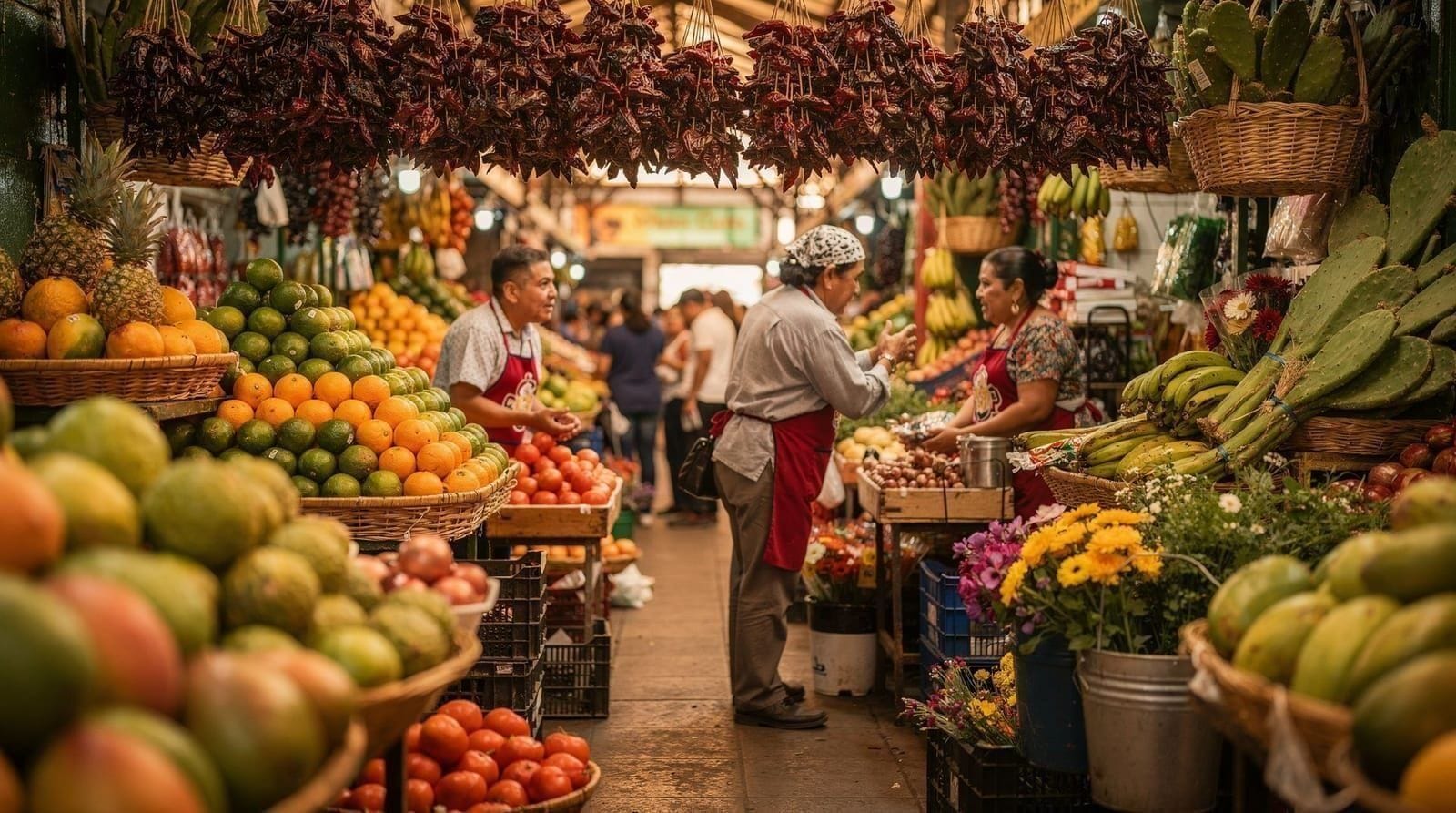
Mexico City’s markets are one of its great experiences. La Merced, Mercado San Juan, Mercado Medellín, and the smaller neighborhood mercados are active, colourful, and full of good food. Generally safe practices:
Cooked food stalls (fondas): The rows of women cooking at the back of markets, serving comida corrida (set lunch menus of soup, main, agua fresca) is some of the cheapest and safest eating in the city. Hot, freshly cooked, high turnover. Eat this freely.
Hot snacks: Atole, tamales, elotes, tortillas cooked on the comal — all fine.
Raw fish and shellfish stalls in the market: Be more selective. Buy from vendors with good refrigeration visible, and ideally choose items cooked to order.
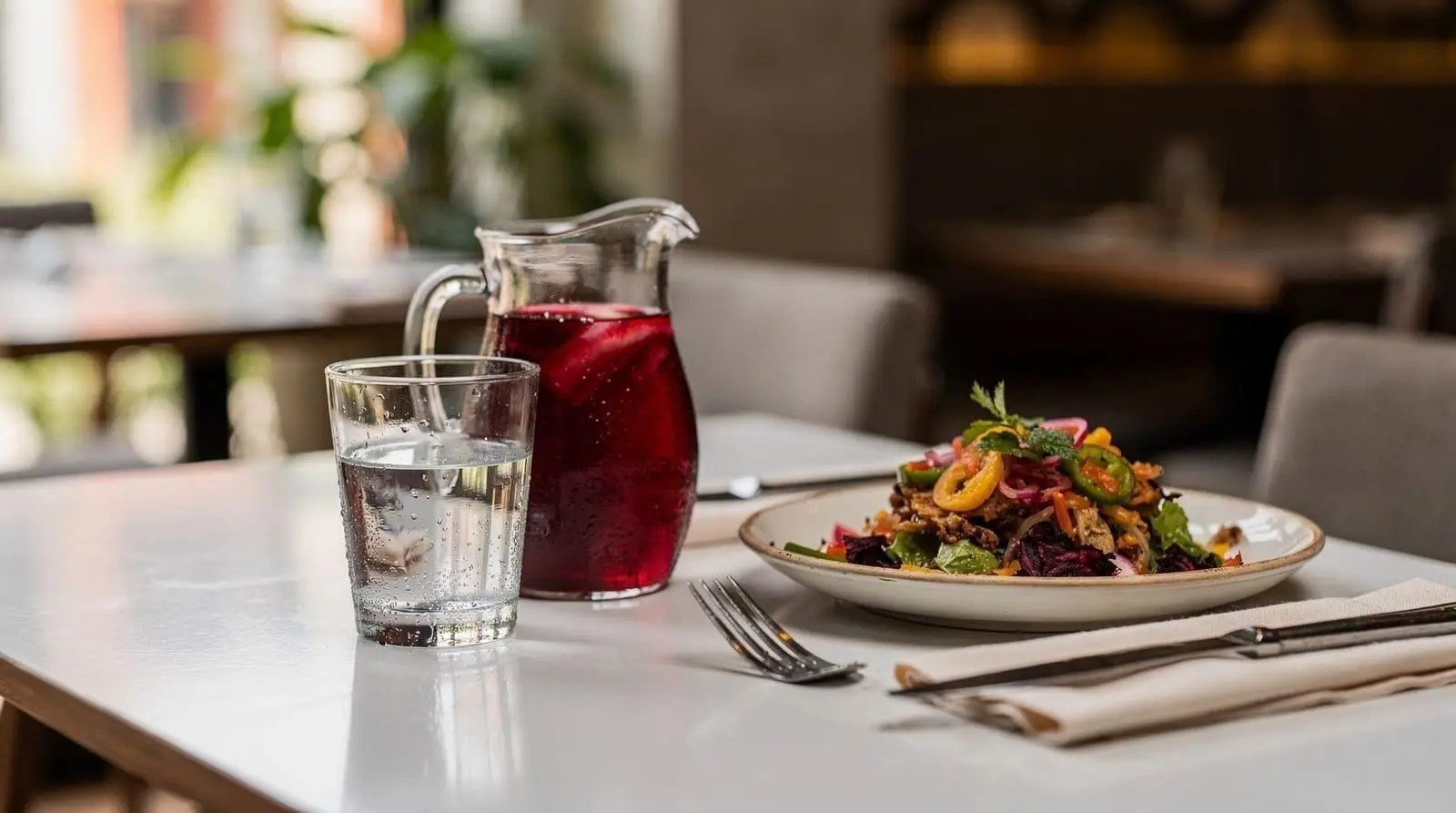
Agua fresca from market stalls: The agua frescas (fresh fruit drinks in large glass dispensers — jamaica, tamarindo, horchata) at market stalls are generally made with purified water at well-established vendors. Less predictable at temporary or very small stalls. Ask if the water is purificada. At established markets in Roma and San Juan, it is typically fine.
Markets are also where you will spend a lot of time on foot, so it helps to read the markets guide alongside this page. In Coyoacán, the market stalls sit close to the main sights, which makes it easy to combine a meal with a Coyoacán walking tour on your own. The same eat-hot, choose-busy rule applies on a day trip from Mexico City, where you may eat at small roadside or village stalls with less obvious turnover.
If you would rather not judge market stalls alone on your first visit, a guided walk through the markets with mezcal and traditional food lets a local show you which vendors are worth trusting and what to order at each.
Risk level by food and drink category
| Item | Risk level | Why |
|---|---|---|
| Bottled/purified water | Very low | Sealed at source, widely regulated brands |
| Hot tacos/quesadillas from a busy stall | Low | High heat kills pathogens; fast turnover |
| Comida corrida at market comedores | Low | Cooked fresh, high turnover, locals eat here daily |
| Ice at established restaurants (Roma/Condesa/Polanco) | Low | Purified water used by default |
| Fresh salsa at a busy taquería | Low–medium | Turns over quickly; higher risk at quiet stalls |
| Pre-cut fruit from street carts | Medium | Depends on how long it’s been sitting and water used to wash |
| Raw seafood/ceviche from street vendors | Medium–high | Acid marinade doesn’t fully pasteurise; needs cold storage |
| Tap water (any form, cold) | Avoid | Distribution infrastructure, not treatment, is the issue |
Building a simple personal risk tolerance
Not every visitor needs the same level of caution. A useful way to think about it: if you have a sensitive stomach, are travelling with young children, or have a short trip where a lost day matters a lot, lean toward the lower-risk column above — bottled water always, hot cooked food only, skip raw seafood and questionable pre-cut fruit. If you have a longer trip, a robust digestive system, and want the full CDMX food experience, you can reasonably extend into the medium-risk items (fresh salsa, pre-cut fruit from busy vendors) with only a modest increase in real risk. Very few visitors need to avoid street food and markets altogether — that excludes some of the best food in the city for a marginal safety gain.
Travelling with children changes the calculation a little, since a small stomach upset is harder on them; the Mexico City with kids guide and the family itinerary are built around that. For the broader picture of staying well and avoiding trouble, read is Mexico City safe and the guide to common scams, and keep the 3-day itinerary in mind if a short trip means you cannot afford a lost day.
Pharmacies and treatment if you get sick
Mexican farmacias (pharmacies) are well-stocked, inexpensive, and do not require prescriptions for most common travel medications. Useful items to buy on arrival or have in your kit:
- Suero Oral / Pedialyte: Oral rehydration salts — first-line treatment for diarrhoea
- Loperamide (Imodium): Symptom control for diarrhoea (not a cure, but lets you function)
- Ciprofloxacin: An antibiotic effective against most traveller’s diarrhoea bacteria — requires a prescription in some countries but is available over the counter in many Mexican pharmacies (Farmacia del Ahorro, Farmacia Guadalajara chains)
- Probiotics: Starting them before and during the trip reduces the statistical risk of traveller’s diarrhoea in some studies
Farmacia del Ahorro and Farmacia Guadalajara are the main chains, with locations throughout tourist neighbourhoods. Sanborns (a department store/pharmacy hybrid) also has a good pharmacy section.
The realistic risk assessment
If you drink bottled water, eat at busy hot-food stalls, and avoid obviously risky items (unrefrigerated seafood, pre-cut fruit in questionable conditions), the statistical probability of significant gastrointestinal illness on a one-week Mexico City trip is probably 20–30%. This is not zero, but it is manageable. Most traveller’s diarrhoea in Mexico is uncomfortable but not dangerous — it passes in 24–48 hours with rehydration and rest.
The visitors who have the worst experiences typically combine multiple risk factors: tap water in ice, ceviche from a street cart, salads at a tourist-trap restaurant, and maximum alcohol consumption across several days. This sequence would challenge most digestive systems.
The visitors who are completely fine are often those who are simply sensible: bottled water consistently, cooked street food from busy stalls, no raw seafood from carts. The local food is extraordinary — it rewards engagement, not avoidance.
Frequently asked questions about Mexico City food and water safety
Can I drink coffee and hot tea made in restaurants?
Yes. Coffee and tea are made with boiling water, which kills pathogens. Even if a café uses tap water, the boiling process renders it safe for beverages. The risk with tap water comes from drinking it cold, not from hot preparations.
What about Airbnb and apartment rentals — can I drink the water?
Almost certainly no. Like hotels, most residential buildings have garrafones (20-litre purified water jugs) for cooking and drinking. Ask your host. Many Airbnbs provide an initial garrafon and instructions for ordering refills. Never assume the tap is drinkable just because you’re in a nice apartment.
Is bottled water safe from any vendor?
Commercially sealed bottled water from major brands (Bonafont, Ciel, Epura) sold at OXXO, pharmacies, and supermarkets is safe. Refilled bottles or unsealed bottles from informal vendors should be checked — look for a factory seal, not just a cap that could be pressed back on. This is rare but worth noting.
Should I take probiotics before visiting Mexico City?
Some evidence supports starting a quality probiotic (Lactobacillus rhamnosus GG or similar) a few days before international travel and continuing during the trip. It reduces the incidence of traveller’s diarrhoea by approximately 20–30% in studies. It is not a guarantee but it is a reasonable evidence-backed precaution for those with sensitive digestive systems.
Are vegetarian and vegan travellers at lower risk?
Somewhat. Much traveller’s diarrhoea comes from animal products (meat, shellfish, dairy) that carry higher pathogen loads. A plant-based traveller eating tacos de frijoles, quesadillas, and vegetarian market food is statistically at lower risk than someone eating ceviche and rare meat daily. But raw contamination of produce is also a risk, so the cooked-food rule still applies.
Can you get sick from street food in Mexico City?
Yes, if you choose badly. The risk comes primarily from food that is cold, not freshly prepared, or cooked in standing oil. Hot tacos at a busy taquería with high turnover are very low risk — the heat kills pathogens. Cold items, pre-cut fruit sitting in the sun, and salsas left out all day are higher risk. The general rule: look for busy stalls where food is cooked to order.
What is Montezuma’s Revenge and how do I avoid it?
Traveller’s diarrhoea (informally called Montezuma’s Revenge) is the most common illness affecting visitors to Mexico. It is caused by bacteria (E. coli is most common) and typically comes on 12–48 hours after exposure, with diarrhoea, stomach cramps, and sometimes nausea. Prevention: drink only bottled/purified water, avoid ice from unknown sources, peel your own fruit, and choose hot freshly cooked food. Treatment: rehydration salts (Suero Oral, widely sold at pharmacies) and Loperamide (Imodium) for symptom management.
Is ice safe in Mexico City restaurants?
Ice in reputable restaurants and hotels is typically made from purified water and is safe. Ice at street food stalls and markets is more variable. The safest rule: at established restaurants in Roma, Condesa, Polanco, and hotel districts, ice is generally fine. At street stalls, ask for your drink sin hielo (without ice).
Is it safe to eat at markets in Mexico City?
Yes, generally. Mercado de la Merced, Mercado San Juan, Mercado Medellín, and the food stalls at Coyoacán market are widely eaten at by locals and tourists alike. Choose cooked items over raw, look for busy stalls with fresh ingredients, and avoid anything that’s been sitting under warming lamps for hours. The smell test works: fresh Mexican market food smells appetising.
Can you eat the salsa and sauces at taquerías?
The fresh salsas at taquerías (salsas verdes, rojas, and molcajete salsas) are a point of some risk. At high-turnover popular taquerías that go through salsa quickly, the risk is low. At quiet stalls where the salsa has been sitting all day, higher risk. Most experienced travellers eat the salsa freely; the most cautious skip it for the first few days.
What bottled water brands are in Mexico City?
Bonafont and Ciel are the most common national brands, both owned by major corporations (Danone and Coca-Cola respectively) and reliably purified. Epura is another widely available option. All are sold at OXXO convenience stores (on virtually every block), pharmacies, and supermarkets. A 1.5-litre bottle costs 15–20 MXN. Hotels typically provide agua purificada dispensers.