Mexico City street food guide: tacos, tlayudas, tamales and more
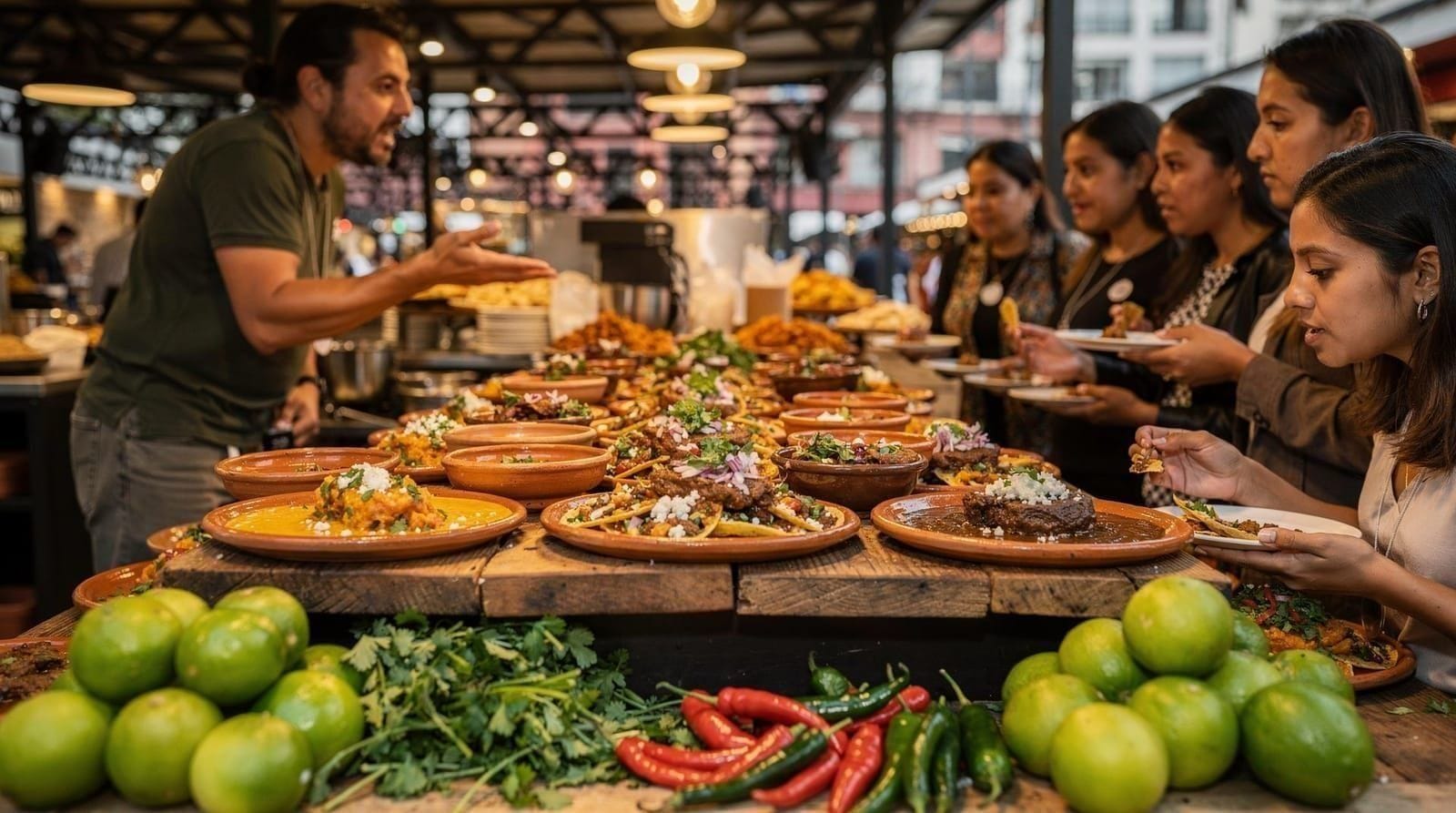
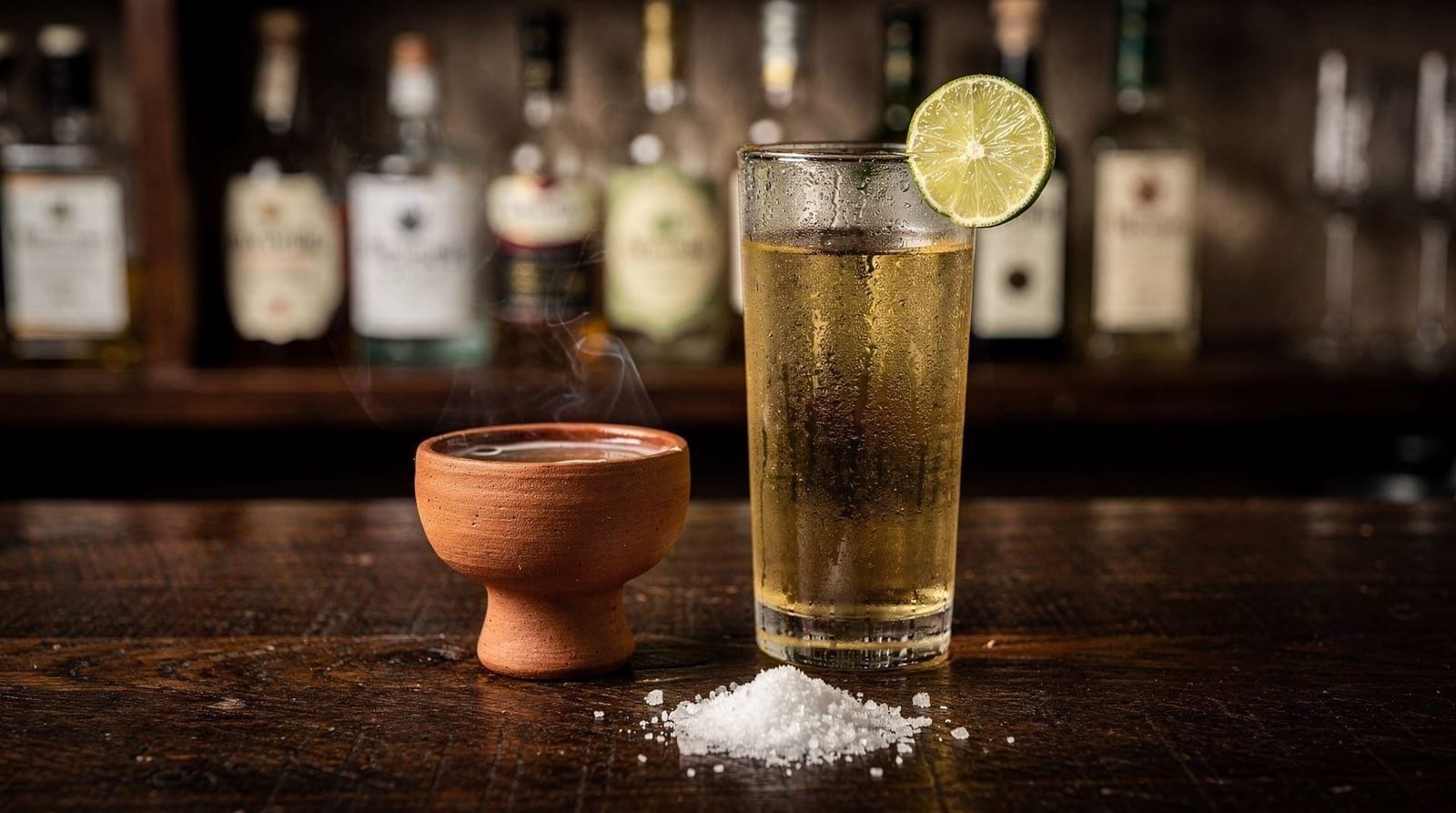
Mexico City: Tacos & Mezcal Night Food Tour
Duration: 3 hours
What is the best street food in Mexico City?
Tacos al pastor and quesadillas are the daily staples, but CDMX street food goes far deeper: tamales from morning carts, tlayudas in the evening, huaraches at Mercado de Jamaica, marquesitas in Coyoacán, and elotes/esquites on nearly every corner. Budget 40–150 MXN (USD 2–8) per item. The most concentrated stalls are in Centro Histórico, Roma Norte, and Coyoacán.
Why Mexico City is a street-food destination in its own right
Every city in Mexico has street food, but CDMX operates at a different scale. Sixteen million people in the metropolitan area need feeding at all hours, and the infrastructure that grew up to serve them — the taco stalls, tamale carts, mercado comedores and esquite pushcarts — is one of the most developed informal food systems in the world.
This is not a city where street food is a curiosity you try once for the experience. In Roma Norte, office workers eat tacos at lunch, grandmothers stock up at the morning tamale cart, and students grab elotes on the way home. Street eating is how the city feeds itself, and the quality is correspondingly high.
Tenochtitlan, the Aztec capital that became Mexico City, had organised market food culture before Europeans arrived. Bernal Díaz del Castillo, a soldier in Cortés’s army, wrote in astonishment about the scale of the Tlatelolco market in 1519. That culture never went away. What you eat on Centro Histórico streets today is a direct descendant of what Mexica vendors were selling five centuries ago.
| Where | Centro Histórico, Roma Norte/Sur, Coyoacán, every Metro exit |
| Cost | 20–150 MXN per item; full meal 120–200 MXN |
| Best time | Morning (tamales) to late night (al pastor) |
| Payment | Cash — small bills |
| Safety rule | Hot, freshly cooked, busy stalls |
Tacos: the daily structure of CDMX eating
Tacos in Mexico City are not the hard-shell constructions of northern Mexican or American Tex-Mex. The base is two small corn tortillas, warmed on a comal (flat griddle), with a modest filling and optional toppings of cilantro, onion, salsa verde or roja, and lime. That is it. The quality comes from the tortilla, the filling, and the salsa — not from adding more ingredients.
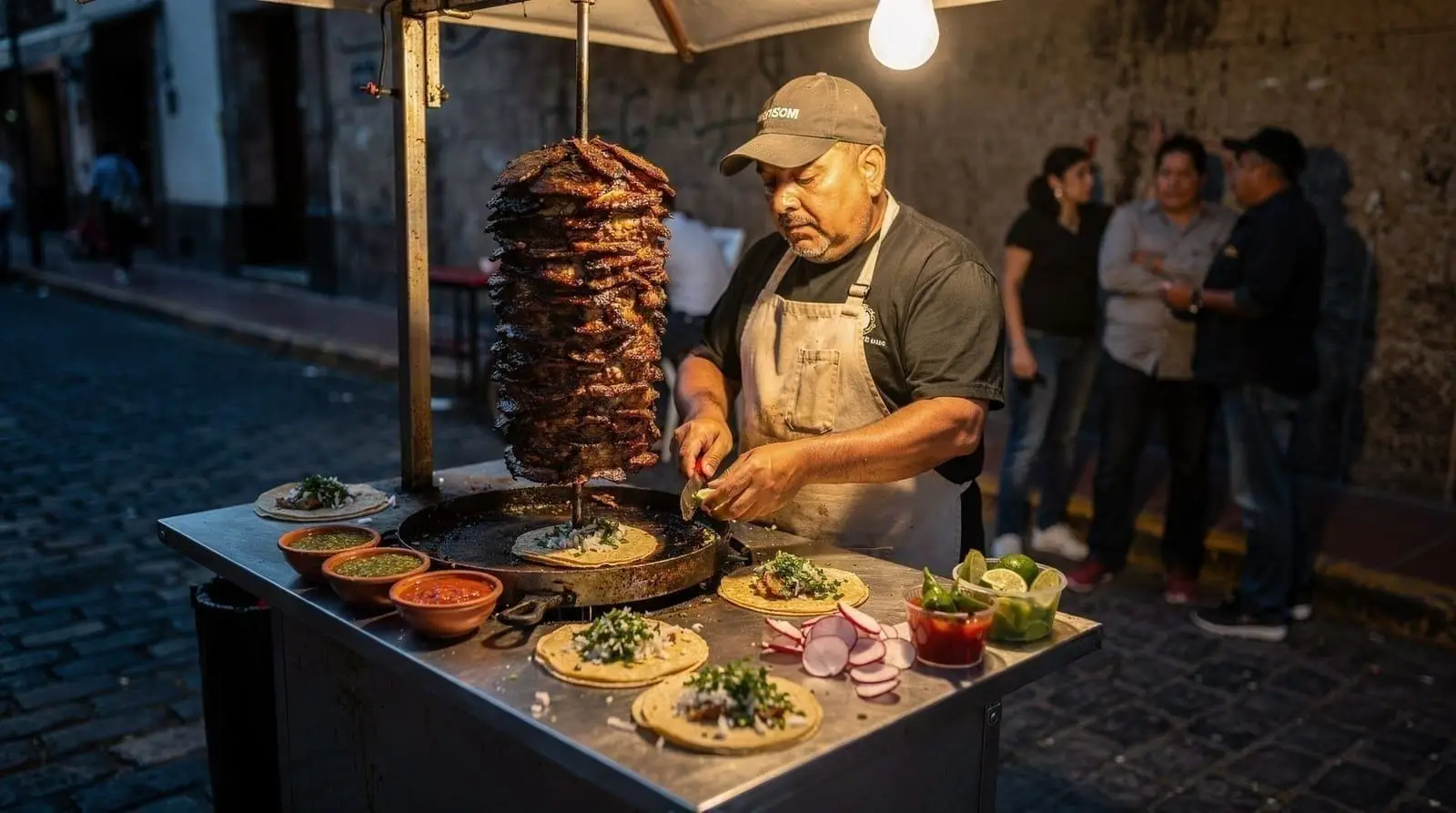
Tacos al pastor are the CDMX signature: pork marinated in achiote and dried chillies, stacked on a vertical trompo spit, carved to order and often topped with a sliver of pineapple. The origin is Lebanese shawarma, brought by Lebanese immigrants to Puebla in the early 20th century and then adopted and transformed by Mexico City taqueros. El Huequito on Calle Ayuntamiento in Centro (open since 1959) is one of the originals. El Vilsito in Narvarte — an auto-repair shop by day and taco stall by night — is the late-night institution with queues past midnight.
Tacos de canasta (basket tacos) are a morning food: prepared early, kept warm in cloth-covered baskets, and sold from bicycle carts near market entrances and Metro exits. Fillings are simple — frijoles, chicharrón, papas con chorizo, adobo — and the tortillas are slightly steamed from the basket heat. Price: 10–15 MXN each. They look unimpressive. They taste excellent.
Tacos de suadero use a slow-cooked cut of beef brisket, confit-style, cooked in lard until very tender. Sold from large round copper pots at stalls across the city, suadero tacos are the everyday workhorse. Carnitas (pork confit, same cooking method) appear alongside. Find the best at markets like Mercado de la Merced and the stalls on Avenida Insurgentes.
Tacos de birria had a major moment internationally in recent years but have always been popular in CDMX. The braise is beef or goat in a red chilli broth; the tortilla is dipped in the consommé before griddling. Dip each taco back in the accompanying bowl of broth as you eat. Mercado de Jamaica has reliable birria stalls; so does the weekend market at San Ángel.
Tacos de guisado are CDMX’s underrated workhorses: home-style stewed fillings (rajas con crema, picadillo, nopales, chicharrón en salsa verde) served from large cazuelas at market food stalls. Mercado Medellín in Roma Sur and Mercado de Coyoacán both have excellent guisado stations. Prices are 25–40 MXN per taco.
Quesadillas: the CDMX version that confuses everyone
Mexico City quesadillas do not come with cheese by default. Elsewhere in Mexico, a quesadilla means a tortilla with cheese, but in CDMX the word describes the form — a folded or pressed tortilla filled with whatever you choose. If you want cheese, say “con queso.” This is a local custom that confuses visitors and occasionally causes minor argument; knowing it in advance saves frustration.
The classic quesadilla fillings in CDMX:
- Huitlacoche (corn smut fungus): dark, earthy, slightly sweet. Acquired taste for some; genuinely delicious. In season July–September.
- Flor de calabaza (squash blossom): fresh, light, often combined with Oaxacan cheese.
- Chicharrón (pork crackling in salsa): fatty, satisfying, popular as a morning or lunch option.
- Rajas con crema: strips of roasted poblano chilli with cream sauce.
- Hongos (mushrooms): particularly good in Oaxacan-influenced stalls.
Blue corn tortillas are made from a different maize variety and have a nuttier flavour than standard white corn. Several Roma Norte stalls specialise in blue-corn quesadillas with more upscale fillings; expect 60–90 MXN per quesadilla there versus 35–50 MXN at market stalls.
Tamales: the early-morning ritual
The tamale cart is one of the great sounds of Mexico City mornings. A recorded announcement or live cry of “Tamales oaxaqueños… tamales calientitos!” begins around 6am near Metro exits and market peripheries. By 10am, most carts are sold out.
Tamales in CDMX come in two main styles: tamales capitalinos (wrapped in corn husks, smaller) and tamales oaxaqueños (wrapped in banana leaves, larger and moister). Fillings include:
- Rajas con queso: roasted poblano with Oaxacan string cheese — the most popular.
- Pollo en salsa verde: chicken in tomatillo sauce.
- Mole negro: complex, slightly sweet, uses dark chilli and chocolate.
- Dulce: sweetened masa with raisins and cinnamon — a dessert tamale.
- Elote: sweet corn masa, sweet rather than savoury.
Eat with atole — a warm corn-based drink thickened with masa, flavoured with vanilla, cinnamon, or chocolate — or a strong café de olla (pot-brewed coffee with cinnamon). The combination is the CDMX equivalent of coffee and a pastry. Stalls around Mercado de Jamaica have the most consistent tamale quality.
Elotes and esquites: the corn universe
Mexico has done more interesting things with corn than any other food culture, and the street corn universe is a small but vivid example. Elote preparado is a whole grilled or boiled corn ear served on a stick, slathered with mayonnaise, crumbled cotija cheese, lime juice, and chilli powder. Cost: 30–50 MXN. Esquites is the kernels cut from the cob and served in a cup with the same toppings plus a ladleful of hot broth. Better for eating while walking.
Esquite and elote stalls appear in late afternoon and evening near parks, markets, and Metro exits. The best in Roma Norte cluster near Parque México on Avenida Ámsterdam. In Coyoacán, the stands near the Jardín Centenario are tourist-facing but the product is the same.
Tortas, tlayudas and other substantial street options
Torta stalls are the street-food answer to the sandwich shop: oval bolillo rolls split and loaded with choice of meat (milanesa, carnitas, pollo a la plancha, jamón), beans, crema, avocado, jalapeños. A torta at a good stand is 70–100 MXN and genuinely filling. Tortas de tamal (a tamale inside a bolillo, also called “guajolota”) are a classic morning combo.
Tlayudas are Oaxacan flatbreads — large, slightly crisped tortillas spread with black beans, asiento (pork fat), Oaxacan cheese, and toppings — transplanted to CDMX by the large Oaxacan diaspora. Find them at the permanent market stalls in Mercado Medellín and at evening stalls around Colonia Doctores. Price: 80–140 MXN.
Memelas are oval corn cakes from Veracruz and central Mexico: masa shaped around a filling of black beans, topped with salsa, cream, and cheese. A filling and cheap snack at 30–50 MXN. Less common than tacos but worth seeking at CDMX’s market food stalls.
Neighbourhood guide to street eating
Centro Histórico: The densest concentration of old-school street food in the city. Suadero and carnitas tacos from copper pots on Calle Ayuntamiento, basket tacos near the Zócalo, memelitas and guisados at Mercado de la Merced (a 30-minute walk east — enormous, slightly overwhelming, entirely worth it). Evening tamale carts near the Palacio de Bellas Artes side streets.
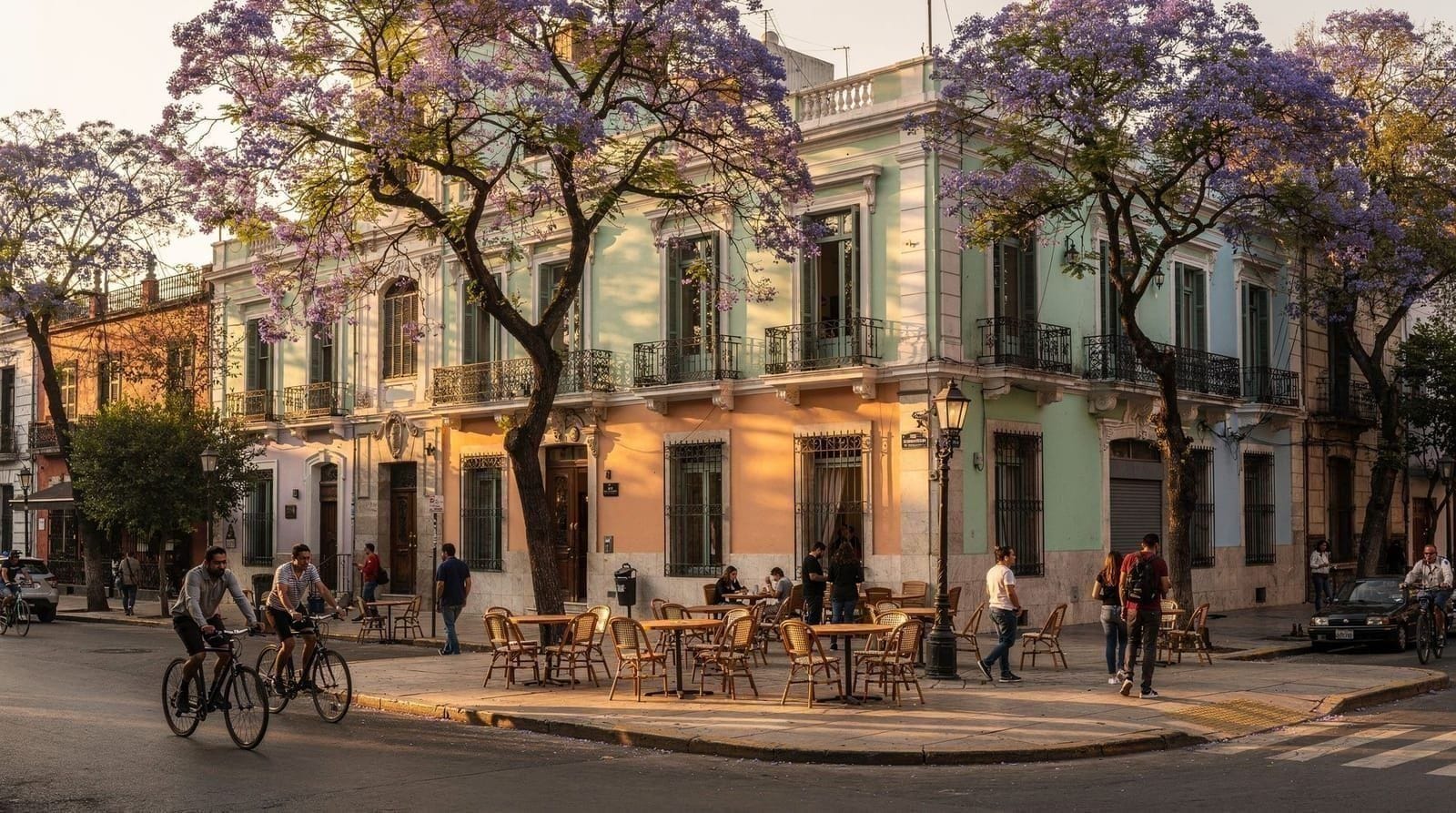
Roma Norte / Roma Sur: More refined street eating with higher prices. Blue-corn quesadillas on Calle Mérida, birria tacos near Parque Luis G. Urbina, the Mercado Medellín (Tuesday–Sunday) for guisados, tlayudas, and fresh produce. The Sunday organic market on Avenida Ámsterdam has artisanal tamales and Oaxacan food at premium prices (150–200 MXN), which is worth it for the quality.
Coyoacán: Street food around the Mercado de Coyoacán is tourist-facing but the quality is reasonable. Tostadas at the market’s tostada section (20–30 MXN each) loaded with ceviche, tinga, or chicken tinga are a Coyoacán signature. Outside the market, the surrounding streets have more local-facing stalls. The evening food carts near Jardín Centenario sell marquesitas — crispy Yucatecan crepe rolls.
Tepito / Doctores: Higher street-food quality, lower tourist presence, requires more awareness (these are working-class neighbourhoods with some rough patches — day visits, no valuables visible). The taco stalls and torta shops around Mercado de Tepito are among the cheapest in the city.
Xochimilco: The trajinera canal experience comes with food boats. Quality varies enormously — buy from boats selling whole, sealed items (tamales, elotes) rather than from boats offering elaborate cooked dishes where provenance is unclear. The market stalls near the Xochimilco embarcadero have decent tlayudas and quesadillas.
Street food vs. sit-down restaurants: a quick comparison
| Street food | Sit-down restaurant | |
|---|---|---|
| Cost per meal | 40–150 MXN | 200–500+ MXN |
| Speed | Minutes | 45–90 minutes |
| Variety in one outing | High — several stalls in one walk | One kitchen’s menu |
| Seating | Standing or counter, minimal | Table service |
| Best for | Snacking, exploring, budget days | A relaxed evening, groups, special occasions |
Neither replaces the other — most satisfying trips mix both, using street food for daytime exploring and a sit-down meal for one or two evenings. The best food tours guide compares structured options if you want a guide to bridge the two.
Timing your street-food day
A rough guide to when different things appear:
- 5–10am: Tamale carts, basket taco bicycles, atole vendors, café de olla carts.
- Noon–3pm: Guisado stalls at full capacity in markets, taco al pastor at peak, comida corrida (set lunch) at market comedores.
- 3–6pm: Quieter period. Most serious eating happens morning and midday.
- 6–10pm: Evening tacos come alive — al pastor trompos firing up, elote and esquite carts setting out, tlayuda stalls opening.
- 10pm–3am: Late-night taco stalls like El Vilsito peak around midnight. Areas around Metro stations are active until closing.
Guided food tours: what they add and what they cost
A guided food tour takes you to stalls you would not find on your own and provides cultural context that deepens the experience. This is genuinely useful on a first short visit. The tradeoff is cost: most guided food tours run $40–70 USD per person, which is 700–1,200 MXN — the same money you could spend eating independently for several days.
The Tacos and Mezcal Night Food Tour is one of the most-booked evening options, combining street taco stops with mezcal tastings over three hours. It works well as a first-night introduction to the city’s food culture. The Street Food and History tour through downtown covers Centro Histórico stalls with historical context about the food’s origins — useful if you want to understand what you are eating, not just eat it. For those who want to go beyond improvised stall-hopping, the taco tour with a Michelin Guide-listed stop and curated tastings builds the route around vetted spots rather than whatever looks busy that night.
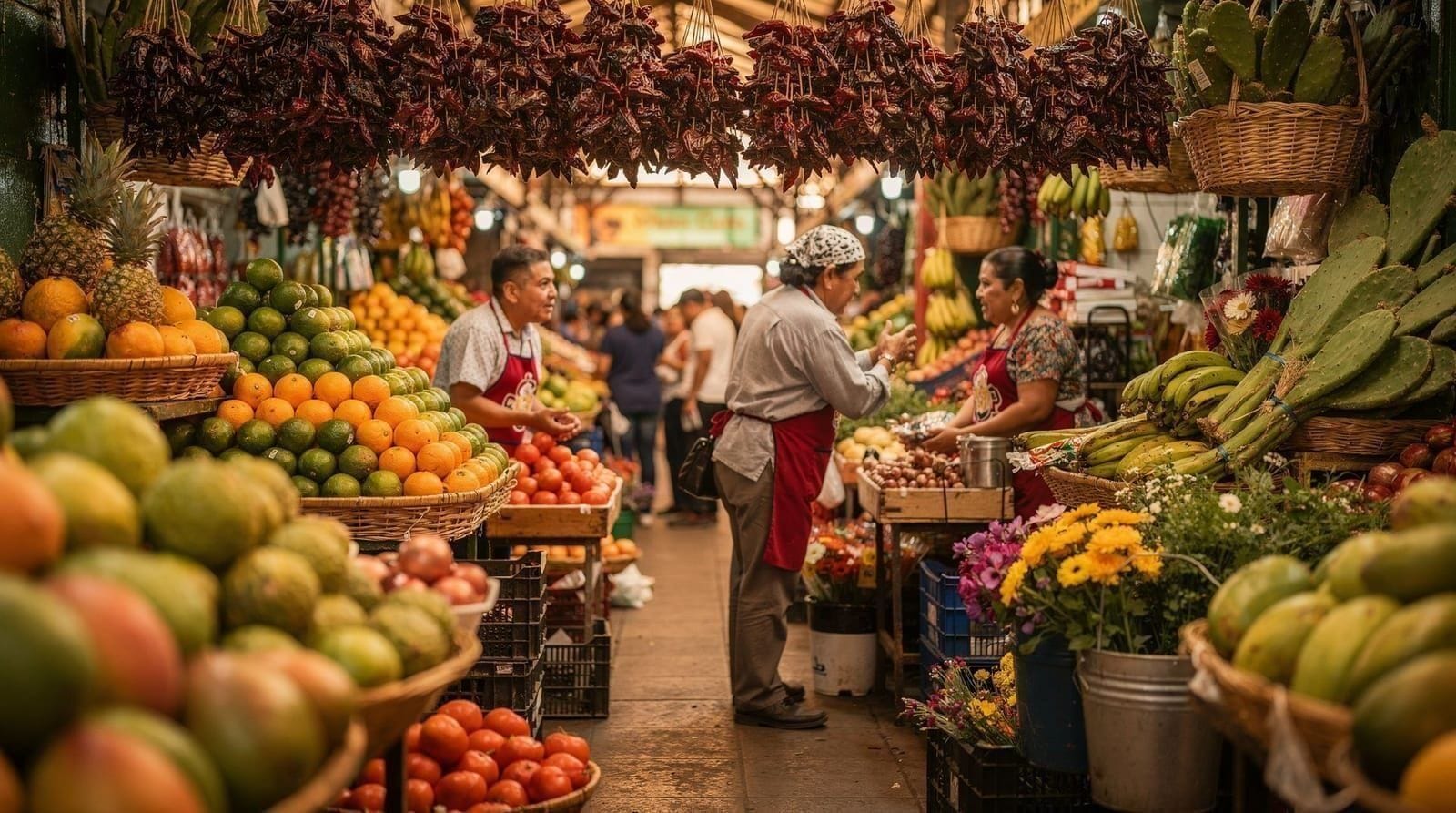
For pure self-guided eating, the Mexico City markets guide covers the best market options, and the best food tours guide compares structured tour options if you prefer company and a guide.
Quick glossary for ordering with confidence
A handful of words cover most street-food interactions:
- Con/sin — with/without (e.g. “con queso” = with cheese, “sin picante” = without spice)
- Para llevar — to go
- Para aquí — for here
- Cuánto cuesta — how much does it cost
- Un kilo de… — one kilo of… (for market produce)
- La cuenta / cuánto le debo — the bill / how much do I owe you
- Repetir — to order the same again (useful when pointing at a stall’s menu)
Knowing these five or six phrases removes almost all friction from ordering, even with zero broader Spanish.
Dietary considerations
Vegetarian: Mexico City street food has more vegetarian options than most visitors expect. Quesadillas de hongos or flor de calabaza, nopales (cactus paddle) tacos, frijoles (bean) options, and the sweet-corn esquites are all plant-based. Most taco stalls have at least one meat-free filling. Be specific: say “sin carne” (without meat) and confirm that the fat used for cooking is vegetable-based if that matters to you — many “vegetarian” stalls use lard.
Vegan: Harder but possible. Tamales de rajas are usually lard-based; ask. Some stalls use vegetable shortening. The market stalls near Mercado Medellín catering to the Oaxacan diaspora often have more plant-based options. Esquites and elotes without mayonnaise (ask for “sin mayonesa”) are a reliable vegan snack available almost anywhere corn is sold, and fresh fruit cups without cream are a safe fallback at nearly every market and street corner.
Gluten-free: Corn tortillas are naturally gluten-free. The risk is cross-contamination at busy stalls using shared surfaces. Tamales and tacos are generally safe; tortas (bread rolls) and memelas at stalls that also handle flour products are a risk.
Food safety in practice
The food safety guide covers this in detail. The short version for street food: trust high-volume stalls with visible turnover, avoid raw garnishes at sketchy operations, decline ice in drinks unless you are sure it is purified water, and carry hand sanitiser. Travellers’ diarrhea is common on first visits and usually self-limiting. The risk correlates with hygiene standards, not with eating street food per se — many market comedores are cleaner than tourist restaurants.
Drinks with street food
Aguas frescas — fresh-fruit waters in large plastic containers — are sold alongside most street-food stalls. Standard options: agua de horchata (rice milk with cinnamon), tamarindo, Jamaica (hibiscus), watermelon, and seasonal fruits. At reputable stalls, these are safe. The water used is usually purified; the fruit may not always be washed to the same standard. Cost: 15–25 MXN per cup.
Tepache is fermented pineapple rind with brown sugar and cloves — slightly alcoholic (1–3%), sold in plastic bags or cups from market stalls. Delicious, refreshing, and cheap (20–30 MXN). The fermentation process kills most harmful bacteria.
Pulque is pre-Columbian fermented agave sap, sour and slightly viscous. A working-class institution in CDMX, best experienced in a traditional pulquería. Pairs well with any street food. More on this in the mezcal and spirits guide.
Café de olla and atole deserve special mention as street-food drinks in their own right, not just accompaniments. Café de olla — coffee brewed with cinnamon and piloncillo (unrefined cane sugar) in a clay pot — is sold from thermoses at many tamale carts and market comedores, and is a genuinely different experience from a standard filter coffee. Both are worth trying even outside a full tamale breakfast.
Street food etiquette and ordering confidently
Street food stalls in Mexico City run on quick, efficient exchanges, and a few habits mark you as someone who knows how things work. Order in Spanish where you can — even a simple “dos de pastor, por favor” (two al pastor, please) is well received. Don’t linger at the counter without ordering — busy stalls have limited standing room, and lingering to decide holds up the line. Tipping is not standard at street stalls the way it is at sit-down restaurants — rounding up to the next 5 or 10 pesos is appreciated but not expected. Eat where you buy, or move a few steps away — most stalls don’t have seating beyond a narrow counter; if there’s a queue, eat standing and make room.
A note on trash: bins are not always obvious at street stalls. Most vendors have a small bin nearby or will take your used napkins and skewers directly — hand them back rather than leaving them on the counter or dropping them on the street.
Seasonal street food: what changes through the year
Street food in CDMX shifts with the seasons more than visitors expect. Huitlacoche (corn fungus) quesadillas peak July–September, tied to the corn harvest. Pan de muerto — the sweet, orange-blossom-scented bread — appears in bakeries and at street stalls from mid-October through November 2, alongside marigold-adorned ofrenda displays; see the Day of the Dead guide for the full cultural context.
Ponche, a warm spiced fruit punch sold at winter stalls, appears December through early January, especially around the Posadas processions. Nieves (traditional fruit ices, distinct from ice cream) are sold year-round but are especially popular in the warmer, drier months of March–May. Timing a trip around one of these windows adds a genuine seasonal layer to the standard taco-and-tamale itinerary.
Prices at a glance (2026)
| Item | Low end | High end |
|---|---|---|
| Taco al pastor | 20 MXN ($1.15) | 35 MXN ($2) |
| Quesadilla (market) | 35 MXN ($2) | 55 MXN ($3.20) |
| Tamale | 20 MXN ($1.15) | 30 MXN ($1.75) |
| Elote / esquite | 30 MXN ($1.75) | 50 MXN ($2.90) |
| Torta | 65 MXN ($3.75) | 100 MXN ($5.80) |
| Atole | 20 MXN ($1.15) | 35 MXN ($2) |
Frequently asked questions about Mexico City street food
Is street food in Mexico City safe for tourists?
Yes, with standard precautions. High-turnover stalls at busy markets and major streets are generally safe. The biggest risk is in raw garnishes (cilantro, onion, radishes) that may have been washed in tap water. Avoid these at uncertain stalls, or add your own lime juice which has some antimicrobial effect. Most travellers who eat freely from busy stalls for a week have no digestive issues.
What is the best neighbourhood for street food in Mexico City?
Roma Norte and Roma Sur offer the best combination of quality, variety, and safety for visitors. Centro Histórico has more traditional and cheaper options but requires more navigation. Coyoacán is more tourist-facing with good market food. The most authentic but least visitor-friendly options are in Tepito and the market areas east of Centro.
What should I absolutely not miss eating in Mexico City?
Tacos al pastor from a proper trompo stall (not from a flat griddle), quesadillas de huitlacoche in season, a morning tamale with atole, elote preparado in a park, and suadero tacos from a copper-pot cart. If you are there in July–September, the huitlacoche (corn smut) season is a genuine CDMX speciality worth prioritising.
Can I eat street food on a budget in Mexico City?
This is the most budget-friendly food culture in any major city. A full day of eating — tamale breakfast, taco lunch, elote snack, taco dinner — costs 200–350 MXN (USD 12–20) at street stalls. Even allowing for sit-down restaurants for one meal, you can eat extremely well in CDMX on $25–30 USD per day.
What is a “guajolota” and where do I get one?
A guajolota is a tamale inside a bolillo bread roll — carbohydrate on carbohydrate, beloved by Chilangos (Mexico City locals) as a morning breakfast. Find them at tamale cart locations and at market stalls throughout the city. Eat before 9am; they mostly disappear with the morning carts.
How do I order tacos without speaking Spanish?
Most taco stall staff are used to pointing orders. Look at the toppings visible in the cazuelas, point at what you want, hold up fingers for quantity. Say “sin picante” (without spice) if heat is a concern. Paying is simple — the taquero usually quotes the amount clearly. Pre-counting pesos and knowing your taco price in advance removes most complications.
Is street food safe to eat in Mexico City?
Generally yes, with some judgment. Look for stalls with high turnover — busy places cycle through ingredients fast, reducing spoilage risk. Avoid raw vegetables at sketchy stalls, skip agua fresca made with questionable water, and carry hand sanitiser. Cooked tacos, quesadillas and tamales are lower-risk than raw garnishes. Most experienced travellers eat freely from reputable stalls with no issues.
How much does street food cost in Mexico City?
Tacos: 20–35 MXN each (USD 1.15–2). Quesadilla: 35–60 MXN (USD 2–3.50). Tamales: 20–30 MXN each. Tortas: 60–100 MXN. Elotes/esquites: 30–50 MXN. A filling meal from street stalls runs 120–200 MXN (USD 7–12) including a drink. Anything priced in USD near tourist sites is a markup — pay in pesos.
What is the difference between a taco and a quesadilla in Mexico City?
In CDMX, a quesadilla does not automatically contain cheese — locals often order ‘quesadilla con queso’ to specify it. A standard quesadilla is a folded masa tortilla filled with your choice: huitlacoche (corn fungus), flor de calabaza (squash blossom), chicharrón, mushrooms, etc. Tacos use a small corn tortilla, usually doubled, with a simple filling and toppings.
Where are the best taco stalls in Mexico City?
El Vilsito in Narvarte (tacos al pastor, late-night mechanic-garage setting), Tacos Don Memo near Roma Norte, El Huequito in Centro for suadero and carnitas, and the corridor along Avenida Insurgentes Sur. For birria, the stalls around Mercado de Jamaica are reliable. Avoid tourist-trap tacos on Paseo de la Reforma — prices are 3x for the same product.
What is huarache and where can I get one in Mexico City?
A huarache is an oblong masa base (shaped like a sandal, hence the name) topped with beans, salsa, and meat. It is a substantial snack — more filling than a taco but lighter than a full meal. Find good huaraches at Mercado de Jamaica, Mercado Medellín in Roma Sur, and on street corners in Tepito/Doctores (though those neighbourhoods require daylight caution).
What are the must-try street foods beyond tacos?
Tamales (from morning carts, especially at Mercado de Jamaica and near Metro stations), tlayudas (Oaxacan flatbread, best near Mercado de Medellín), memelas (oval masa cakes with beans and salsa), quesadillas de huitlacoche, elotes preparados (grilled corn with mayo, cheese, chilli), and marquesitas (crispy crepe rolls with Edam cheese and cajeta).
What is the tamale cart culture in Mexico City?
Tamale carts appear at dawn and are mostly gone by 10am. The street cry ‘Tamales oaxaqueños!’ or a recorded announcement marks their location near Metro exits and market entrances. Standard price is 20–30 MXN. Rajas con queso, pollo en salsa verde, mole negro, and dulce (sweet) are the classic fillings. Eat with atole (warm corn drink) or café de olla for the full experience.
Are food tours worth it for street food in Mexico City?
Guided food tours add context and take you to stalls you would not find independently — useful on a short trip. Prices range from $40–120 USD. The night food tours that combine tacos with mezcal are popular but can be expensive for what is essentially walking and snacking. A self-guided stroll through Roma Norte or Centro Histórico markets covers most of the same ground for a fraction of the cost.
Top experiences
Bookable activities with verified prices and instant confirmation on GetYourGuide.