Lucha libre experience tour: which package to book in Mexico City
Mexico City: Lucha Libre Wrestling Match, Mariachi & Tequila
Lucha libre in Mexico City: what you are actually watching
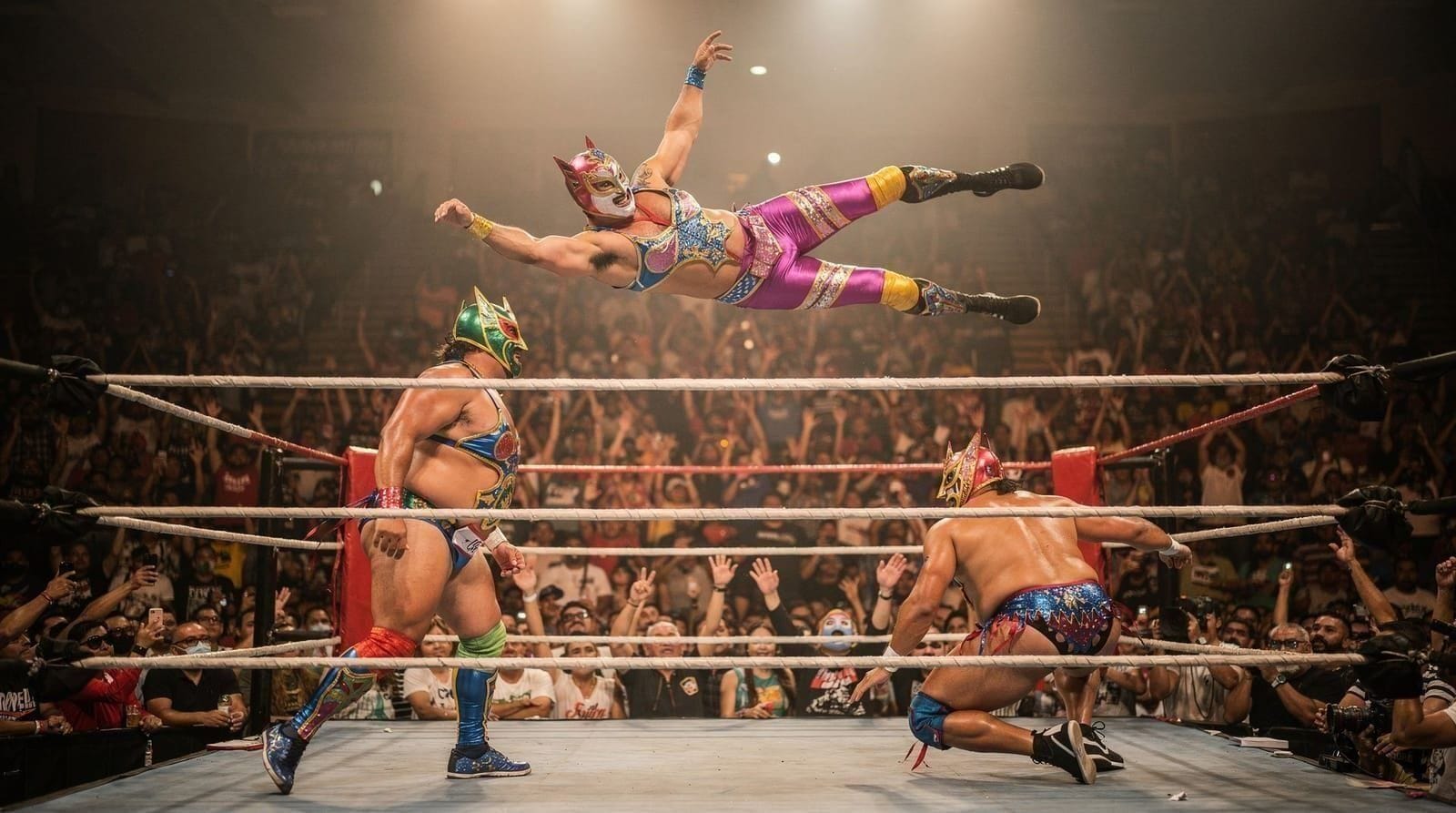
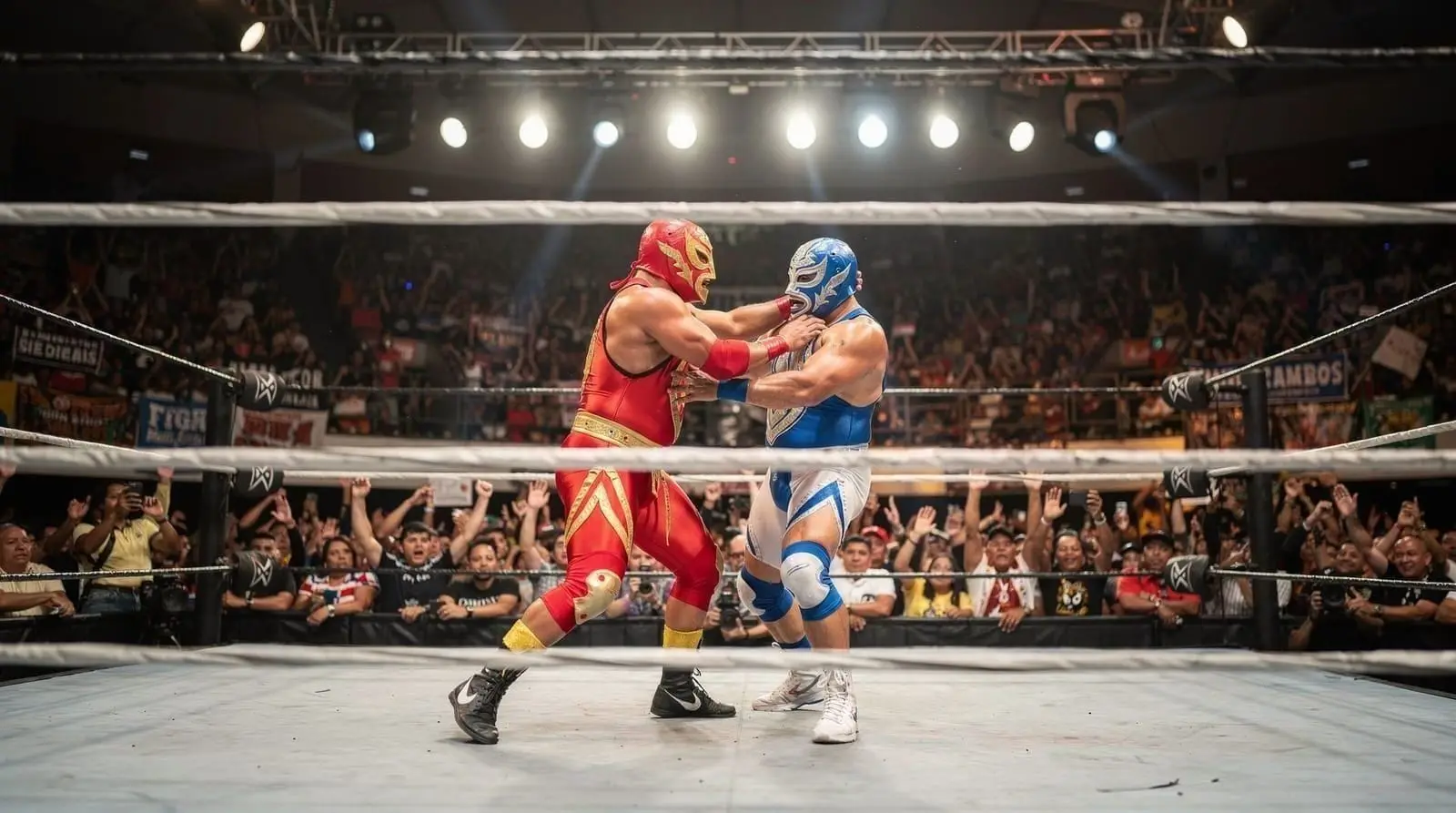
Lucha libre is not WWE. The style, the culture, and the context are fundamentally different. Mexican professional wrestling is defined by aerial acrobatics (the term “lucha libre” means “free fighting,” and the freedom is particularly acrobatic: moonsaults, topes suicidas, dives through ropes to the floor), by the mask tradition, and by a specific theatrical grammar of good versus evil that Mexican audiences have participated in for nearly a century.
The two main promotions are CMLL (Consejo Mundial de Lucha Libre, the oldest wrestling promotion in the world, founded 1933) and AAA (Asistencia Asesoría y Administración, founded 1992 after a split). Both run events at Arena México; CMLL runs the Friday and Saturday main shows. The rivalry between the two promotions, the lineages of famous families (Los Casas, Místico/Sin Cara’s lineage, the Villano dynasty), and the ongoing mask challenges create a dramatic continuity across months and years that regular attendees follow closely.
For a first-time visitor, the immediate surface experience is entirely enjoyable without this background: the athleticism is real, the costumes are spectacular, the crowd engagement is participatory and loud. A good tour guide layers in the depth.
| Where | Arena México, Doctor Lavista 197, metro Salto del Agua |
| Cost | Around 120–2,500 MXN depending on tickets vs. full package |
| Time needed | 2.5–3 hours for the card; 4.5–5 hours for a full combo night |
| Getting there | Metro Line 1 or 3 to Salto del Agua, 5-minute walk |
| Best time | Friday or Saturday night, gates open 7:30 pm for an 8:30 pm card |
Option 1: Lucha libre with mariachi and tequila (most popular)
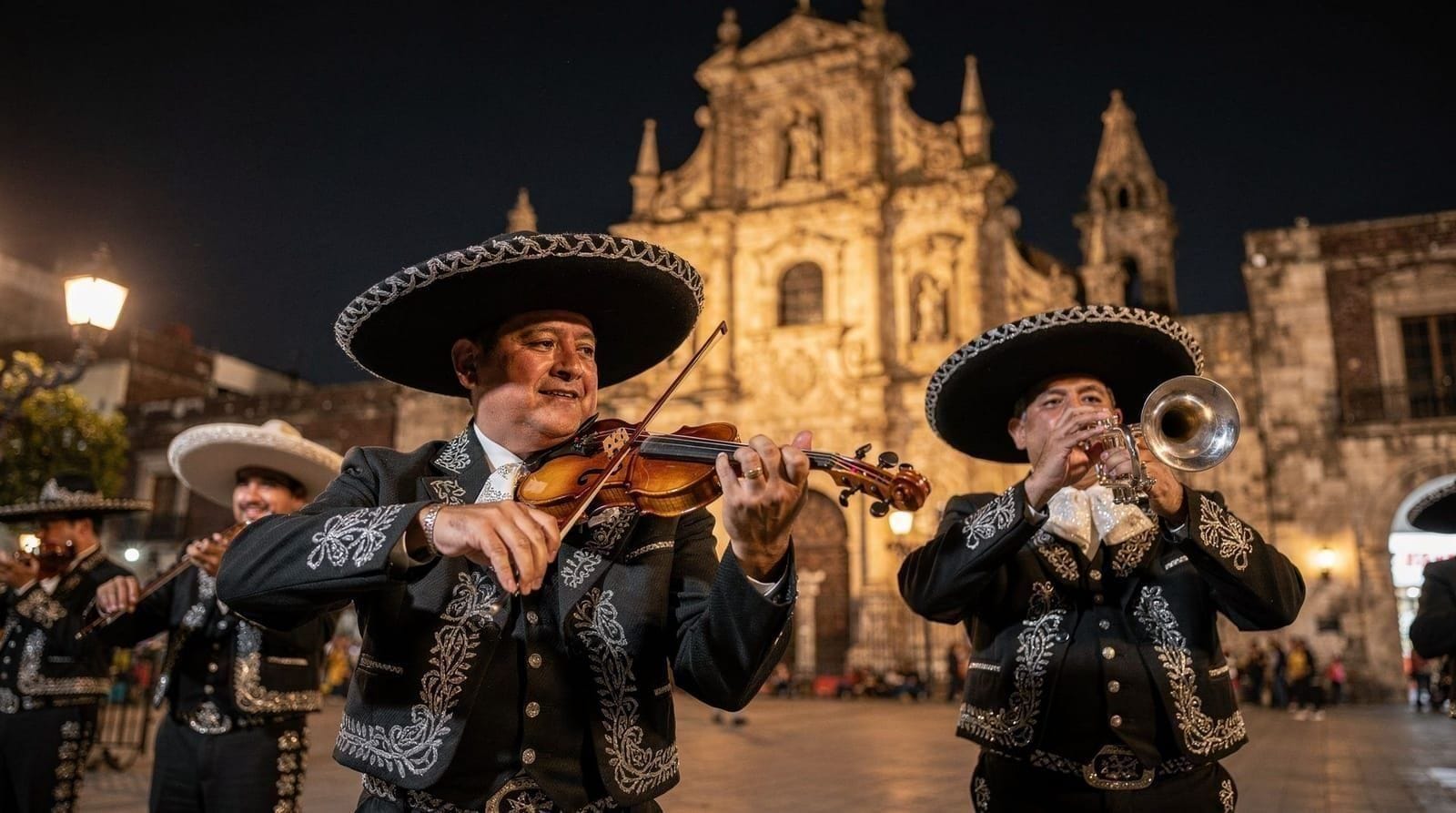
The Mexico City lucha libre, mariachi, and tequila night is the most comprehensive organized lucha libre experience available. The format: an early evening start with mariachi at Plaza Garibaldi (the dedicated mariachi square in the historic center, where dozens of mariachi groups perform simultaneously from 8 pm onward), a tequila tasting, transport to Arena México for the lucha libre card, and a guide throughout.
Why this combination works: Plaza Garibaldi is another quintessentially Mexico City experience — the mariachi tradition, the competing bands, the cantina culture that surrounds the square — and combining it with lucha libre on the same evening produces a night that covers two major aspects of Mexican popular culture. The tequila tasting is generally brief but appropriate.
What is typically included: Guide, Plaza Garibaldi time with mariachi, tequila shots/tasting, transport to and from Arena México, lucha libre tickets (ringside or mid-ring level), guide explanation of lucha libre rules and current storylines.
Price: approximately 1,500–2,200 MXN per person.
Duration: approximately 4.5–5 hours total.
Best for: First-time visitors who want a curated Mexico City night out covering multiple experiences; travellers who would not navigate Plaza Garibaldi independently.
Option 2: Lucha libre with tacos, beer, and mezcal
The lucha libre show with tacos, beer, and mezcal takes a more informal approach — the emphasis is on the Arena México fight card itself, with a food-and-drinks package integrated rather than the pre-show cultural circuit. Tacos, beer, and mezcal are provided either before the fights or during the intermissions (Arena México has food vendors inside).
This format is better for visitors who specifically want the lucha libre experience as the centerpiece rather than as part of a broader cultural evening. The taco and mezcal element is genuinely good — Arena México’s surrounding street vendors serve excellent tacos from around 7–7:30 pm as the crowd assembles. For an even more street-food-focused version, the lucha libre show paired with street tacos swaps the mezcal element for a dedicated street-taco crawl around Arena México before the fights.
Price: approximately 1,200–1,800 MXN per person.
Best for: Lucha libre enthusiasts or wrestling fans; visitors who want maximum ring time; groups who prefer informal drinking and eating over structured cultural tours.
Option 3: Lucha libre show with optional spirits tasting
The lucha libre show with optional mariachi and tequila is a more flexible product — the lucha libre tickets and transport are the core, with an optional spirits tasting or mariachi add-on that can be selected based on preference. This format is useful for groups where some members want the full evening and others prefer just the fights.
The “optional mariachi” element is a visit to Garibaldi (similar to Option 1 but less structured — you spend time at the square rather than on a guided tour of it). The spirits tasting is typically a 15–20 minute session with 2–3 samples.
Price: approximately 1,000–1,600 MXN per person without add-ons; 1,400–1,900 MXN with both options.
Best for: Mixed groups with varying preferences; visitors who want flexibility in what the evening covers.
Going independently: the honest case
Arena México is one of the most accessible independent tourism experiences in Mexico City. The process:
- Take metro Line 1 (pink) or Line 3 (blue/green) to Salto del Agua station
- Walk 5 minutes to Arena México at Calle Doctor Lavista 197
- Buy tickets at the box office on the day (cash, pesos) — gates open at 7:30 pm for an 8:30 pm card
- Find a seat and enjoy
General admission (Arena General) costs 120–200 MXN. Ringside costs 600–900 MXN. For a first visit, the mid-ring sections (around 300–450 MXN) provide a good balance of view quality and proximity.
The lucha libre guide covers the current schedule, what to buy at the box office, and how to read the match card.
The tradeoff: Going independently saves 800–1,500 MXN per person compared to an organized tour but requires navigating the metro at night and understanding the ticket categories without assistance. Neither is genuinely difficult; the tradeoff is context and convenience, not access.
What to expect inside Arena México
The Arena General (upper tier) is the most atmospheric section — the regular Mexican audience, the most vocal section, and the least expensive. For a first visit, this is where the experience feels most authentic.
The ringside section (pista) is where photographers, industry figures, and high-paying guests sit. The view is excellent but you are not part of the main crowd experience.
During the card: There are typically 5–8 bouts on a Friday/Saturday card. The earlier bouts feature younger or less established wrestlers (a good time to learn the format); the main event (typically the final bout) features the top-of-the-bill wrestlers. The crowd is loudest for bouts involving current champions or active mask challenges.
Intermissions: 10–15 minutes between bouts. Food vendors circulate — tacos de canasta, esquites (corn kernels with toppings), beer, aguas frescas. Bring cash.
Duration: A full card runs approximately 2.5–3 hours.
Garibaldi for context: the mariachi culture
Plaza Garibaldi (adjacent to the historic center, metro Garibaldi/Lagunilla) is the social hub of Mexico City’s mariachi tradition. From 7 pm onward, dozens of mariachi groups in traje de charro (traditional costume) perform simultaneously — you can hire a group for a private performance (200–300 MXN per song) or simply walk through the square absorbing the competing bands. The surrounding cantinas are some of the oldest bars in the city.
The Garibaldi mariachi guide covers the square in detail, including which cantinas are worth visiting and how to engage with the mariachi groups without getting into overpriced situations.
Comparing the three combo formats
| Option | Price (MXN/person) | Core focus | Best for |
|---|---|---|---|
| Mariachi + tequila night | 1,500–2,200 | Garibaldi + Arena México | First-timers wanting a full night out |
| Tacos, beer, and mezcal | 1,200–1,800 | The fight card itself | Wrestling fans, maximum ring time |
| Optional spirits tasting | 1,000–1,900 | Flexible, add-ons optional | Mixed groups with different preferences |
Pairing lucha libre with the rest of a Mexico City night
Arena México sits close enough to the Centro Histórico that many visitors treat lucha libre as the back half of a longer evening rather than a standalone outing. A common structure: dinner or a walk through the historic center before 7 pm, then metro or a short Uber to Salto del Agua for the fight card.
If mezcal or tequila is more of a draw than the wrestling itself, the mezcal and tequila tasting tour pairs naturally on a different evening — many visitors do both across a longer trip rather than cramming everything into one night. The 5-day Mexico City itinerary slots lucha libre into an evening alongside a daytime historic center visit.
Booking timing and what sells out
Regular Friday and Saturday CMLL cards rarely sell out for general admission, but the organized combo tours (Options 1–3) do fill up on weekends during peak tourist months (December–January, July–August). Booking 2–4 days ahead is usually sufficient outside those windows; during peak season, book a week ahead for weekend dates. Major “magna” or “triplemanía” special events sell out further in advance and cost significantly more than a regular weekly card.
Frequently asked questions about lucha libre tours
Can I attend lucha libre without speaking Spanish?
Entirely. The storytelling is physical and theatrical; the narrative of each bout is readable without language. The crowd reactions (cheers for técnicos, booing for rudos) tell you everything you need to know about who is who.
Are women welcome at lucha libre?
Completely. Mexican families — women, children, elderly couples — make up a significant portion of the Arena México audience. The crowd is not aggressive or uncomfortable; it is enthusiastically participatory.
What is a “mask vs. mask” match?
The highest-stakes lucha libre contest: two wrestlers put their masks on the line. The loser must remove their mask in front of the crowd, revealing their real identity, and can never wear the mask again. These matches are rare (once or twice a year for major events) and culturally significant.
How do I know if a specific luchador I like will be wrestling?
Check the CMLL official website (cmll.com) or the AAA site (luchalibreaaa.com) for advance match cards. Cards are published approximately one week ahead. Not all bouts on the advance card actually run — substitutions occur regularly.
Can I combine lucha libre with a mezcal tasting on the same trip?
Yes, but on separate evenings for most visitors — both are full nightlife experiences in their own right. The mezcal and tequila tasting tour works well as a calmer alternate-evening pairing if the mariachi-and-tequila combo above feels like too much in a single night.
What is lucha libre?
Lucha libre is Mexican professional wrestling — acrobatic, theatrical, and governed by strict rules of character (rudos are heels, técnicos are faces). The defining feature is the mask: many wrestlers (luchadores) wear elaborate handmade masks that represent their character and can never be removed without defeat in a mask-versus-mask match. Lucha libre has been practiced in Mexico since the 1930s and is genuinely a major part of working-class Mexican culture.
Where is the main lucha libre venue in Mexico City?
Arena México, on Calle Doctor Lavista near metro Salto del Agua (Lines 1 and 3). This is the world’s most famous lucha libre venue — nicknamed ‘the Cathedral of Lucha Libre.’ It holds approximately 16,000 people. Smaller venues include Arena Coliseo (older, smaller) and Pista Arena Naucalpan in the suburb. Most organized tours go to Arena México.
What nights does lucha libre run at Arena México?
Regular weekly events on Friday and Saturday nights, with additional Tuesday shows. Most events start at 8:30 pm and run 2.5–3 hours. Special pay-per-view cards (called magnas or triplemanías) run monthly and are significantly more expensive. Check CMLL (Consejo Mundial de Lucha Libre) or AAA (Asistencia Asesoría y Administración) schedules for current programming.
How much do lucha libre tickets cost?
Walk-up tickets at Arena México: 120–350 MXN for upper sections (Arena General), 350–600 MXN for mid-ring, 600–900 MXN for ringside (ringside). Organized tours that include tickets charge 1,200–2,500 MXN per person but include transport, pre-fight activities, and a guide.
Is lucha libre appropriate for families and children?
Generally yes for ages 8 and above. The staged violence is theatrical rather than genuinely disturbing. The atmosphere is family-oriented — couples, groups of friends, families with teenagers. The main limitation is timing: 8:30 pm start means 11:30 pm finish, which is late for younger children.
Do I need a guide for lucha libre or can I go independently?
You can absolutely go independently. Take metro to Salto del Agua, buy a ticket at the arena box office on the day (cash preferred), and find your seat. The experience is entirely self-explanatory — good-guy wins, bad-guy loses, crowd reacts. A guide adds context (explaining the current feuds, the significance of specific masks, the rules of mask-versus-mask challenges) which makes the experience richer for first-timers.