Garibaldi and mariachi in Mexico City: the honest guide
Mexico City: Garibaldi by Night
Duration: 3 hours
Is Plaza Garibaldi worth visiting for mariachi?
Yes, with managed expectations. Plaza Garibaldi is the real centre of Mexico City's mariachi world — hundreds of uniformed musicians gather here nightly to offer serenades. It is also heavily tourist-facing, with inflated prices, aggressive touts, and mediocre food. Plan to arrive around 9–10pm, hire a band for a specific song (negotiate the price first), have one drink, and leave — rather than building an evening around the venue.
Mariachi in Mexico City: the genuine article
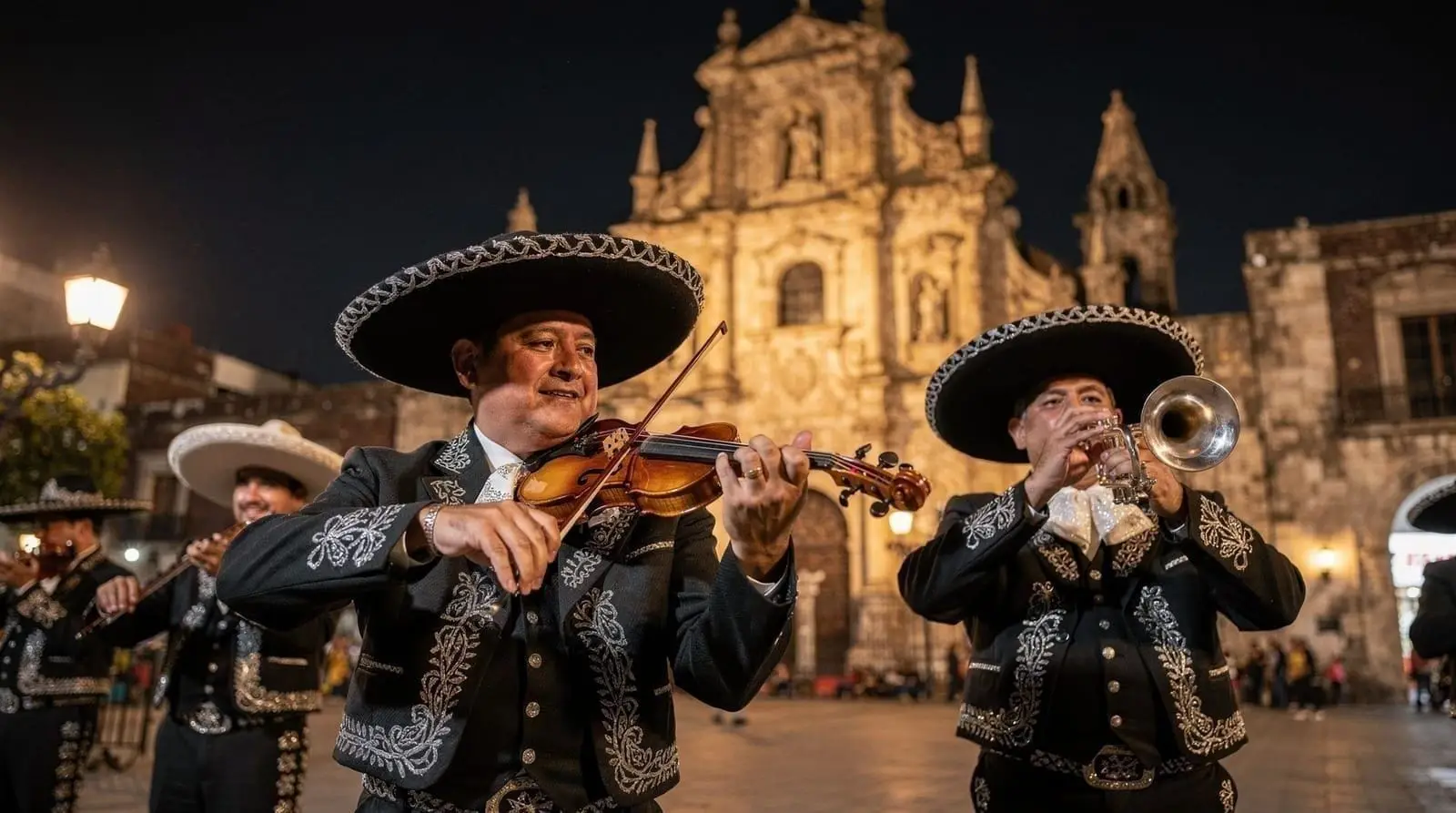
Mariachi is one of the most recognisable sounds of Mexican identity worldwide — the charro-uniformed ensemble with its distinctive trumpet-and-violin blend, the passionate vocal style, and repertoire that covers romantic ballads (rancheras), vibrant dance pieces (sones), and processional marches. In Mexico itself, mariachi accompanies births, deaths, weddings, quinceañeras, and breakups in equal measure.
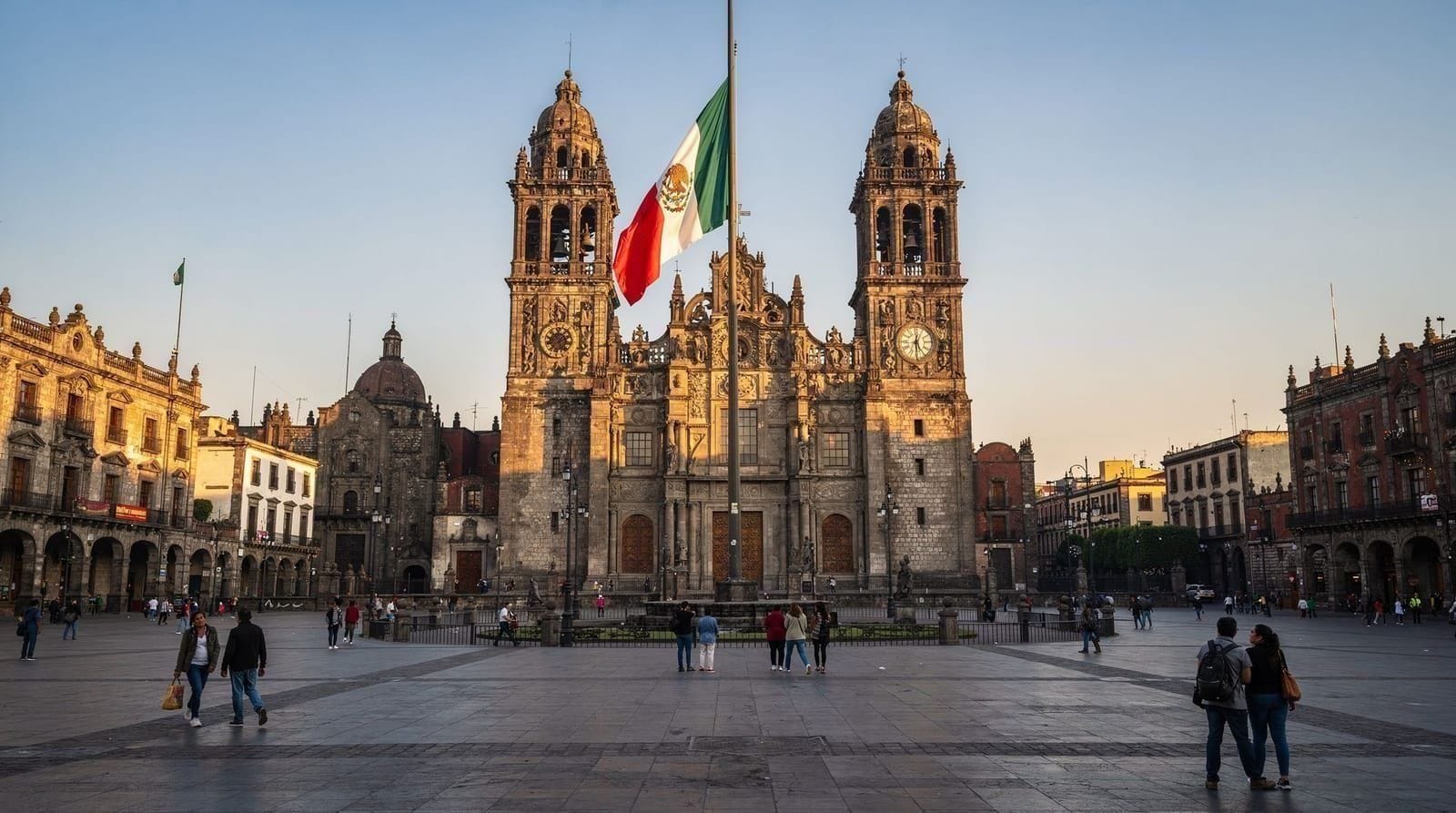
Plaza Garibaldi in Centro Histórico is where this professional music world concentrates. It has served as the commercial centre of CDMX’s mariachi industry since the 1920s, when musicians began gathering here to offer their services to anyone wanting a serenade. Today the plaza draws several hundred musicians nightly — not a tourist reconstruction but an ongoing economic reality, a location where working musicians find employment.
This creates an unusual situation for visitors: an authentic cultural institution that has also adapted heavily to tourism. The trick is engaging with the authentic core while avoiding the tourist-facing layers that have grown up around it.
| Where | Plaza Garibaldi, north edge of Centro Histórico, Metro Garibaldi (Line B) |
| Cost | Around 200–500 MXN per song from a full band; a full evening around 300–800 MXN |
| Time needed | 60–90 minutes for most visitors |
| Getting there | Uber/DiDi directly to the plaza entrance is safest; avoid walking from Metro after dark |
| Best time | 9–11pm, Friday–Sunday for peak atmosphere |
How the plaza works
Plaza Garibaldi occupies a modest square near Metro Garibaldi in the north edge of Centro. In the evenings, the plaza fills with uniformed mariachi bands — ranging from full 10-piece ensembles to smaller combos — standing in loose clusters, waiting to be hired.
The protocol is simple: approach a band you like the look of, request a specific song (songs are roughly standardised; “Cielito Lindo,” “La Cucaracha,” “Besame Mucho,” “El Rey,” and “Ay, Jalisco No Te Rajes” are crowd favourites), agree a price before they begin, and enjoy. Payment happens after the song. For popular songs from a full ensemble, 200–400 MXN per song is the realistic range; small ensembles for a single song can be as low as 150 MXN.
The serenade tradition in Mexican culture is specific: hiring a mariachi band to play beneath a window for a sweetheart, to surprise someone at a party, or to mark a significant moment (birthday, anniversary, farewell). At Garibaldi, you can commission this on a micro scale — one song, paid, and the band moves on to the next customer.
Guided tours vs going independently
The Garibaldi by Night tour is a 3-hour guided evening that covers the plaza with explanation of the mariachi tradition, a commissioned serenade, and drinks at a nearby venue. It suits visitors who want context and organisation rather than navigating the plaza independently.
The Mariachi Plaza Garibaldi Night Tour is a comparable format, focusing more on the musical dimension — the guide explains the different regional styles of mariachi (Jalisco, Nayarit, and the hybrid CDMX style), the instruments, and the hierarchy of the ensemble.
For an evening built around a sit-down dinner rather than the plaza-front venues, the Garibaldi by Night tour with dinner at Bellini pairs a mariachi serenade with a meal at the revolving Bellini restaurant, high above the city.
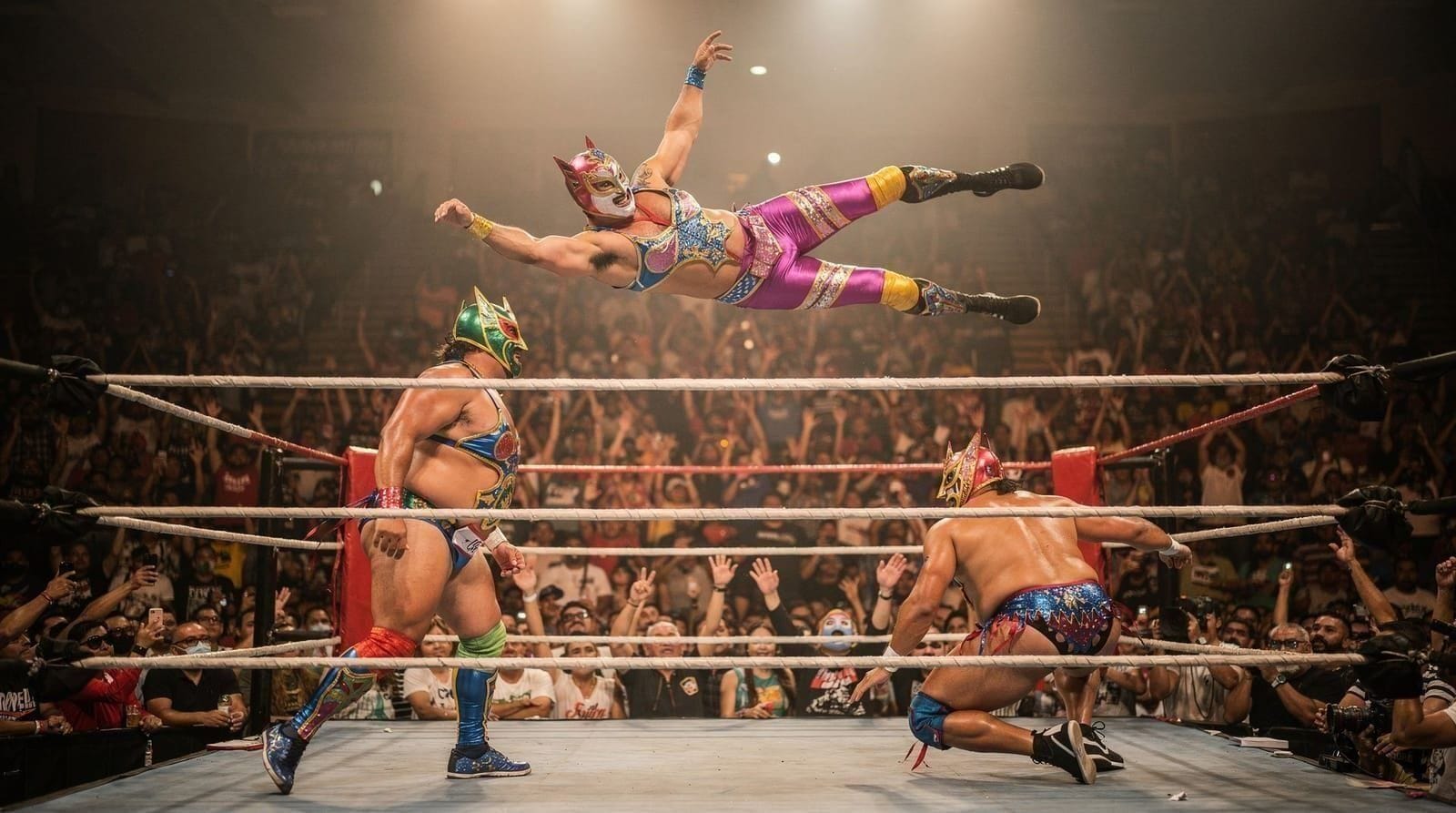
The Lucha Libre, Mariachi and Tequila combined tour covers both lucha libre at Arena México and a Garibaldi visit in a single evening — this is worth considering if you want to cover both cultural experiences without multiple logistical trips.
For independent visitors: Arrive at around 9–10pm on a weekend. Take Uber/DiDi directly to the plaza. Browse the bands, pick one that sounds good, commission a song or two, have a beer from a plaza vendor (not from the attached tourist cantinas — the prices are excessive), and leave when you have heard enough. An hour is usually sufficient.
The restaurants and venues around the plaza
The restaurants attached to Garibaldi’s periphery — Pulquería Las Duelistas, Salón Tenampa, and the tourist cantinas along the northern edge — are the tourist-trap layer of the Garibaldi experience. The food is mediocre, the service is pitched at international visitors, and the “dinner and mariachi show” format charges 400–800 MXN per person for something you can experience better by standing in the plaza for free.
The exception: Salón Tenampa (Garibaldi 12) has genuine historical significance — it has operated since 1925 and was one of the venues where the classic CDMX mariachi style developed. The prices are still tourist-level and the food is still average, but if you want to sit inside a venue with documented cultural history, this is it.
The Museo del Tequila y el Mezcal
The museum building on the plaza’s edge is better used as a tasting venue than a museum. The exhibit space — covering the history of agave cultivation, the conquest’s impact on fermentation traditions, and the development of industrial tequila — is educational but thin, covering ground better served by reading. Allow 20 minutes maximum if you want to see it.
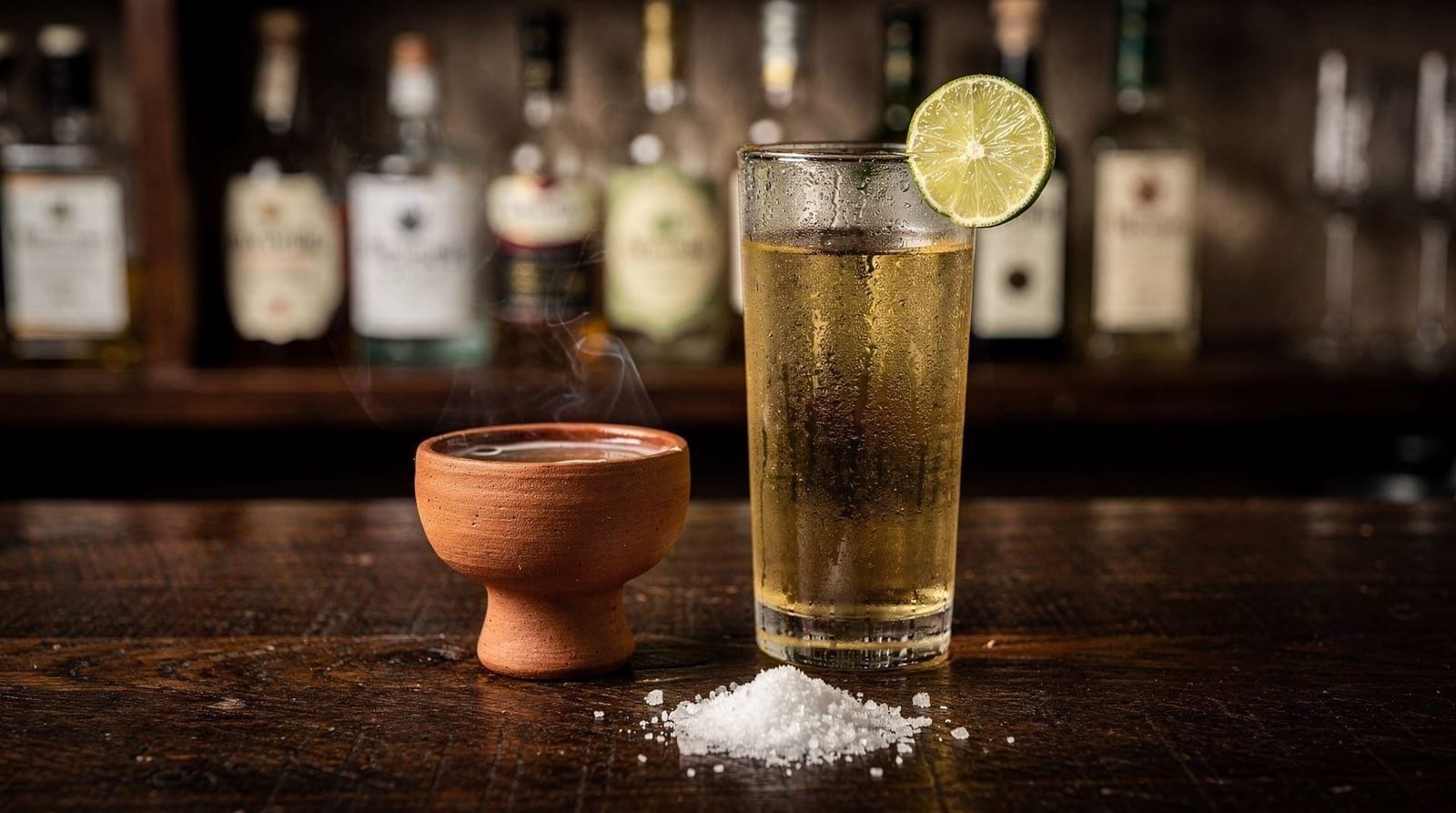
The tasting room is different. The guided tasting of 4–6 spirits — usually including a blanco tequila, a reposado, a joven mezcal, and at least one regional specialty (bacanora from Sonora, raicilla from Jalisco, sotol from Chihuahua) — is run by knowledgeable staff and provides genuine comparative education. This runs about 45 minutes and costs 200–400 MXN. See the mezcal vs tequila guide for full context on what you are tasting.
Getting there from key neighbourhoods
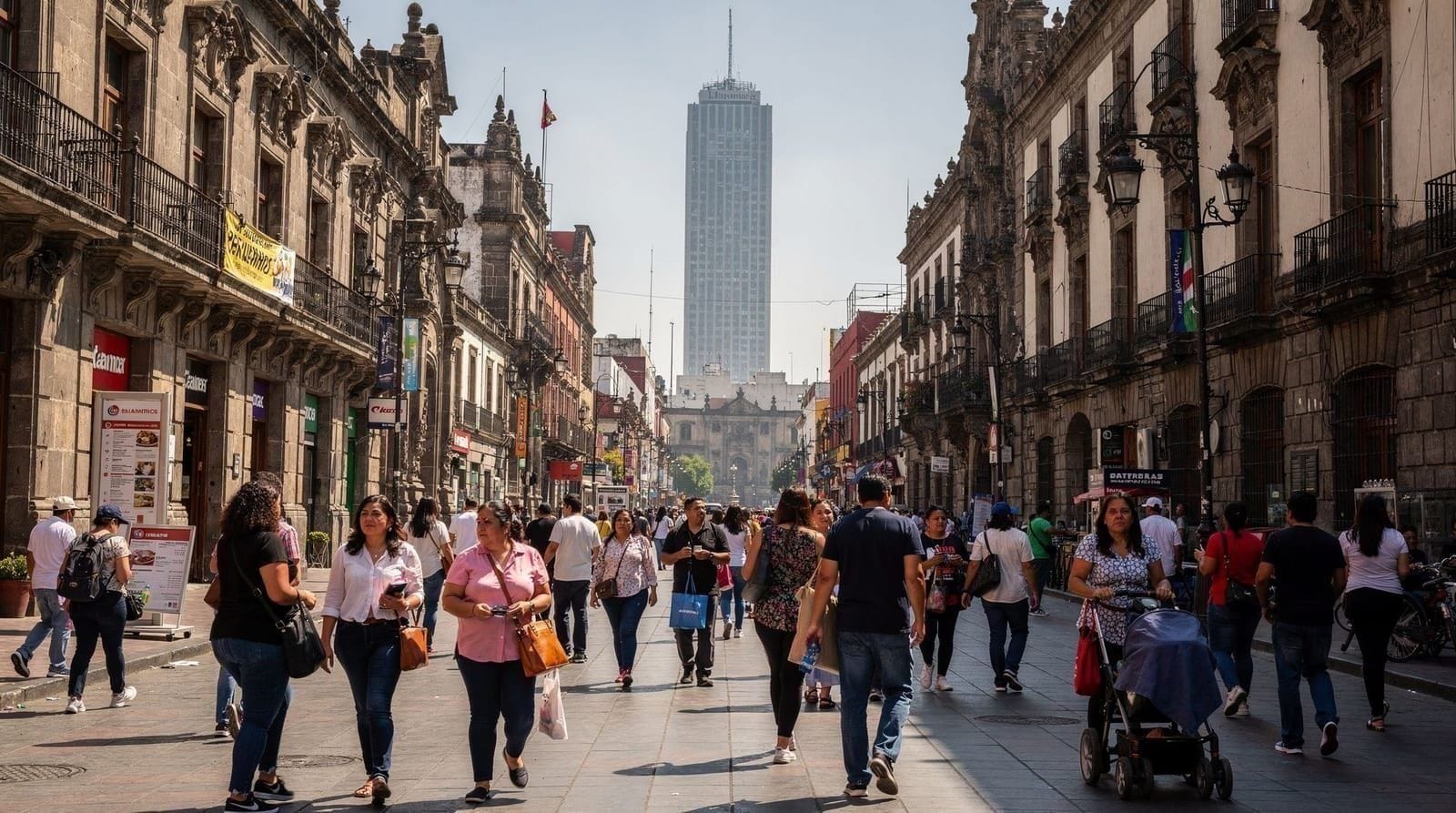
From Roma/Condesa, an Uber/DiDi to Garibaldi runs 15–20 minutes outside rush hour and typically costs 80–150 MXN; this is the most common route for visitors staying in the trendier southern neighbourhoods covered in the Roma vs Condesa guide. From Polanco or Chapultepec, allow 20–30 minutes and a similar fare. From within Centro Histórico itself, Garibaldi is walkable in daylight (15–20 minutes from the Zócalo) but should be reached by car after dark. Metro Garibaldi (Line B) is the direct transit option, though most visitors find the door-to-door convenience of a rideshare worth the modest extra cost, especially returning late at night.
The traditional cantina alternative
For a more local experience of the mariachi world, the traditional cantinas of Centro Histórico are a better option than Garibaldi’s tourist venues. Cantinas are the historical venue for mariachi serenades — the bar format where musicians circulate, stop at tables to play for patrons, and are tipped per song.
La Opera (5 de Mayo 10, Centro Histórico) is the most famous surviving cantina from Mexico’s Belle Époque period — a gorgeous 1876 interior with a bullet hole in the ceiling allegedly from Pancho Villa’s pistol. It serves decent pulpo al ajillo and the occasional mariachi pass-through.
El Nivel (first floor, República de Uruguay, Centro) and Cantina La Guerrerense (various locations) are working cantinas with no tourist infrastructure — enter at the bar, order a beer or pulque, wait for the mariachi to arrive.
What to expect on a Garibaldi evening: hour by hour
18:00–19:00: Too early. Bands are setting up, plaza is sparse. Visit a nearby cantina for a pre-Garibaldi beer instead.
19:00–20:30: Bands filling in. Good time for a quiet commission if you want an uncrowded experience with full attention from the band.
21:00–23:00: Peak Garibaldi. The plaza is full, multiple bands playing simultaneously, the sound is layered and chaotic in the best way. This is the time to arrive.
23:00–01:00: Still active, fewer tourists, more locals. The musicians who have been working since early evening start cycling out; fresh bands arrive.
After 01:00: Plaza thins significantly. Practical time to leave.
Safety and logistics at Garibaldi
The plaza is secure during peak hours. Pickpocketing is possible in the crowds — keep phones in front pockets and bags closed. The immediate entry/exit points from Metro Garibaldi (Line B) or the Uber/DiDi drop-off on the north side of the plaza are safe. Do not walk south into the darker streets toward Tepito after the show. For the wider picture on how Garibaldi fits into the city’s overall risk profile, see the is Mexico City safe guide — the short version is that Garibaldi is one of the more heavily patrolled tourist spots at night, precisely because of the crowds it draws.
Food near Garibaldi that is worth eating: the taco stalls on Calle Bolívar two blocks south do a brisk pre- and post-Garibaldi trade, and fit naturally alongside the wider street food guide if you are building an evening around eating your way through Centro. Better sit-down food options are a 15-minute Uber away in Roma Norte.
What to wear and evening etiquette
Garibaldi is outdoor, standing-room, and can get crowded — comfortable closed shoes matter more than looking sharp, though Mexicans dressing for a night out do make an effort. Bring cash in small denominations (50s and 100s); card is not an option with street bands and haggling over change slows things down. Do not walk into the middle of a band’s semicircle while they are playing a commissioned song for someone else — wait at the edge until they finish. Tipping for photos, as noted above, is expected but modest (50–100 MXN), and a firm but polite “no, gracias” works fine if you are not interested in a particular tout’s offer.
Budget for a Garibaldi evening
How much you spend depends entirely on how you engage with the plaza — here is a realistic range for three approaches:
| Approach | What’s included | Typical cost |
|---|---|---|
| Budget / plaza-only | 1–2 songs from a street band, a beer from a plaza vendor | 300–500 MXN |
| Mid-range independent | 2–3 songs, a couple of drinks, tequila tasting at MUTEM | 700–1,200 MXN |
| Guided tour | Transport, guide/context, a commissioned serenade, one drink | $40–80 USD per person |
Independent visits are cheaper and give you control over which band and songs you pay for; the guided option removes the negotiation and adds context, which suits first-time visitors more nervous about the plaza’s hustle. If your evening is part of a short trip, it slots naturally into either the 3-day itinerary or the weekend itinerary as the evening activity.
The mariachi tradition beyond Garibaldi
Mariachi appears beyond Garibaldi at:
- Quinceañeras and weddings: The most common commissioning context for working mariachis. If you happen to encounter a quinceañera procession in a residential neighbourhood, the hired band playing is completely normal and photographable.
- Xochimilco: The canal trajinera experience frequently includes floating mariachi boats that appear alongside and can be hired for a song. This is one of the most atmospheric contexts for a serenade — on water, with the canal behind.
- Hospital serenades: A specifically Mexican tradition — families hire mariachis to play outside hospital windows for recovering relatives. This sounds sentimental in description but is common enough in CDMX to be unremarkable.
- Morning birthday serenades: The mañanitas (morning birthday song) delivered at dawn by a hired mariachi band is traditional. This happens in residential streets throughout the city; if you are woken by brass at 6am, congratulations to whoever is turning a year older.
Frequently asked questions about Garibaldi and mariachi
Is Plaza Garibaldi safe for tourists?
During the active evening hours (8pm–midnight) the plaza itself is safe. It is heavily attended and has visible security. The streets directly outside are also fine. The concern is the neighbourhood beyond a few blocks in any direction after midnight — use Uber/DiDi for arrival and departure.
What is the difference between mariachi and norteño music?
Mariachi is from western Mexico (Jalisco) and uses violin, trumpets, guitar, vihuela, and guitarrón. Norteño is from northern Mexico (Nuevo León, Tamaulipas) and uses bajo sexto (twelve-string guitar), accordion, and bass. Norteño is more polka-influenced (from 19th-century German immigrant culture); mariachi is more connected to the ranchera and son traditions. Both are mainstream Mexican music; mariachi is more associated with formal occasions and serenades.
How long should I stay at Garibaldi?
60–90 minutes is optimal for most visitors. Enough time to see the plaza in full operation, commission a song or two, have a drink, and absorb the atmosphere. Staying longer requires either a seated dinner (in a tourist venue) or standing in the plaza indefinitely — both diminishing returns after the novelty wears off.
Can I take photos and video at Garibaldi?
Yes. Musicians expect to be photographed and generally welcome it as advertising. If you ask a band to pose or play specifically for your camera, tip 50–100 MXN as acknowledgement. Avoid aggressive intrusion during a paid performance — if a band is playing a commissioned song for a table or group, stay back until it finishes.
What is the best song to request from a mariachi band?
“Cielito Lindo” is the most universally recognised and always gets a crowd reaction. “El Rey” is the classic ranchera ego-anthem. “Besame Mucho” is the romantic bolero option. “Las Mañanitas” is the birthday song. If you want something more challenging and specific, mention the composer’s name — bands at Garibaldi know thousands of songs and respond well to a specific regional or historical request.
How much does a mariachi serenade cost at Garibaldi?
Per song from a full 6–10 piece band: 200–500 MXN (USD 12–29). Negotiate before the musicians start playing, not after. For special arrangements (private serenade at a restaurant or hotel, longer set), expect 800–2,000 MXN for a 30–45 minute performance. Tour operators charge $40–80 USD for a Garibaldi night that includes transport and a mariachi experience — the price includes significant markup.
What is the best time to visit Plaza Garibaldi?
9pm–midnight on weekends (Friday–Sunday) is peak atmosphere. The bands arrive in full uniform (charro suit — embroidered jacket, tight trousers, and the large wide-brimmed sombrero) from early evening, but the critical mass that makes the experience memorable builds after 9pm. Weekday evenings are quieter but still have activity. Avoid Sunday afternoons — tourist crowds with little actual mariachi action.
What is the Museo del Tequila y el Mezcal at Garibaldi?
The Museo del Tequila y el Mezcal (MUTEM) occupies a building on the plaza’s north edge. The museum portion is modest — an educational route through the history of agave spirits with display cases. The bar/tasting room component is better: a guided tasting of 4–6 agave spirits (tequila, mezcal, bacanora, raicilla) run by knowledgeable staff. Skip the museum, do the tasting. See the mezcal guide for the full picture.
What is a mariachi band actually composed of?
A full mariachi ensemble includes: violins (usually 2–3), trumpets (2), guitar, vihuela (5-string rhythm guitar), guitarrón (large bass guitar), and sometimes a harp. Singers rotate through the group rather than having a dedicated vocalist. The emblematic black or white charro costume with silver embroidery is the required dress — not optional. Smaller street bands (4–5 pieces) are common at Garibaldi and provide an approximation of the full sound.
Where do mariachis actually come from?
Mariachi music originated in the state of Jalisco (west Mexico) in the 19th century. The name’s origin is debated — one theory links it to the French word mariage (wedding) from the French occupation of Mexico; another links it to a local indigenous term. The modern form, including the charro costume and brass section, developed in the early 20th century. CDMX became the mariachi industry’s commercial centre in the 1940s when the genre was amplified by the Golden Age of Mexican cinema.
What are the tourist traps at Garibaldi to avoid?
- Seated ‘shows’ at the restaurants surrounding the plaza — these charge 400–800 MXN for entrance, serve mediocre food, and the mariachi show is the same as what you can see for free on the plaza. 2. Street vendors offering ‘VIP experience’ tickets at the plaza entrance. 3. The photo-with-the-mariachis hustle — if you take a photo you are expected to tip; this is fine but agree on the amount before posing. 4. Tequila shots at plaza-front bars — prices are 3–5x the standard CDMX bar rate.
Can I hire a mariachi band outside of Garibaldi?
Yes. Many bands working at Garibaldi are available for private hire — restaurant serenades, hotel room surprises, birthday shows. Several phone numbers are posted on flyers at the plaza. For a private show in Roma Norte or Coyoacán, expect 1,500–3,000 MXN for an hour-long performance including travel. Negotiate all terms (song list, length, price) before the band leaves Garibaldi.
Is Garibaldi safe at night?
The plaza itself is safe during the active evening hours. The surrounding streets (Tepito neighbourhood is close) are less so after midnight. Come with a plan: Uber/DiDi to the plaza entrance, spend 1–2 hours in the plaza, Uber/DiDi out. Do not wander the adjacent blocks at night. The safety guide covers the broader Centro Norte area.
Top experiences
Bookable activities with verified prices and instant confirmation on GetYourGuide.