Mexico City in 5 days: Teotihuacán, Xochimilco, food, and lucha libre
Mexico City: Xochimilco Trajinera Party with Snacks, Drinks & Music
Five days: the complete Mexico City first-timer experience
Five days allows you to cover Mexico City’s core without rushing, add the two essential day experiences outside the immediate city (Teotihuacán and Xochimilco), eat properly, and experience at least one quintessential Mexico City night — a lucha libre fight at Arena México is the correct choice for a first visit.
This itinerary adds Xochimilco and a dedicated food and nightlife day to the 4-day structure. If you have only four days, see that itinerary instead. If you have a week, the 7-day itinerary adds Puebla, Taxco, and Tolantongo as full-day trips.
| Covers | Centro, Chapultepec, Teotihuacán, Xochimilco, food + lucha libre |
| Pace | One full-day theme per day, no doubling up |
| Getting around | Metro + Uber; guided transport for Teotihuacán |
| Best time to go | November–May (dry season) |
| Extend or cut | 7 days adds Puebla/Taxco/Tolantongo; 4 days drops Xochimilco + lucha libre |
The five days at a glance
| Day | Focus | Anchor experience |
|---|---|---|
| Day 1 | Centro Histórico | Templo Mayor, Rivera murals |
| Day 2 | Chapultepec | Anthropology Museum, castle |
| Day 3 | Teotihuacán | Pyramid of the Sun, Avenue of the Dead |
| Day 4 | Xochimilco + Coyoacán | Trajinera canals, Frida Kahlo Museum |
| Day 5 | Markets + lucha libre | Mercado de la Merced, Arena México |
Day 1: Centro Histórico — foundations of the city
Morning
The Zócalo and immediate surroundings take a full morning. Begin at the Templo Mayor (entry 80 MXN) — the excavated Aztec pyramid at the northeast corner of the plaza. Allow 90 minutes including the excellent on-site museum. The Zócalo and Templo Mayor guide covers both sites in detail.
The Metropolitan Cathedral (free) on the north side of the square is a three-century building project, visibly sinking into the former lakebed. Walk the full interior length to see where the floor has tilted.
Afternoon
Diego Rivera murals in the National Palace (free, east side of the Zócalo): the Epic of the Mexican People staircase is one of the great works of 20th-century art. Budget 60–90 minutes.
Walk west to the Palacio de Bellas Artes — Rivera’s “Man, Controller of the Universe” is on the third floor (80 MXN). The building itself is a hybrid of Art Nouveau and Art Deco, and the exterior is magnificent in the late afternoon light.
Evening
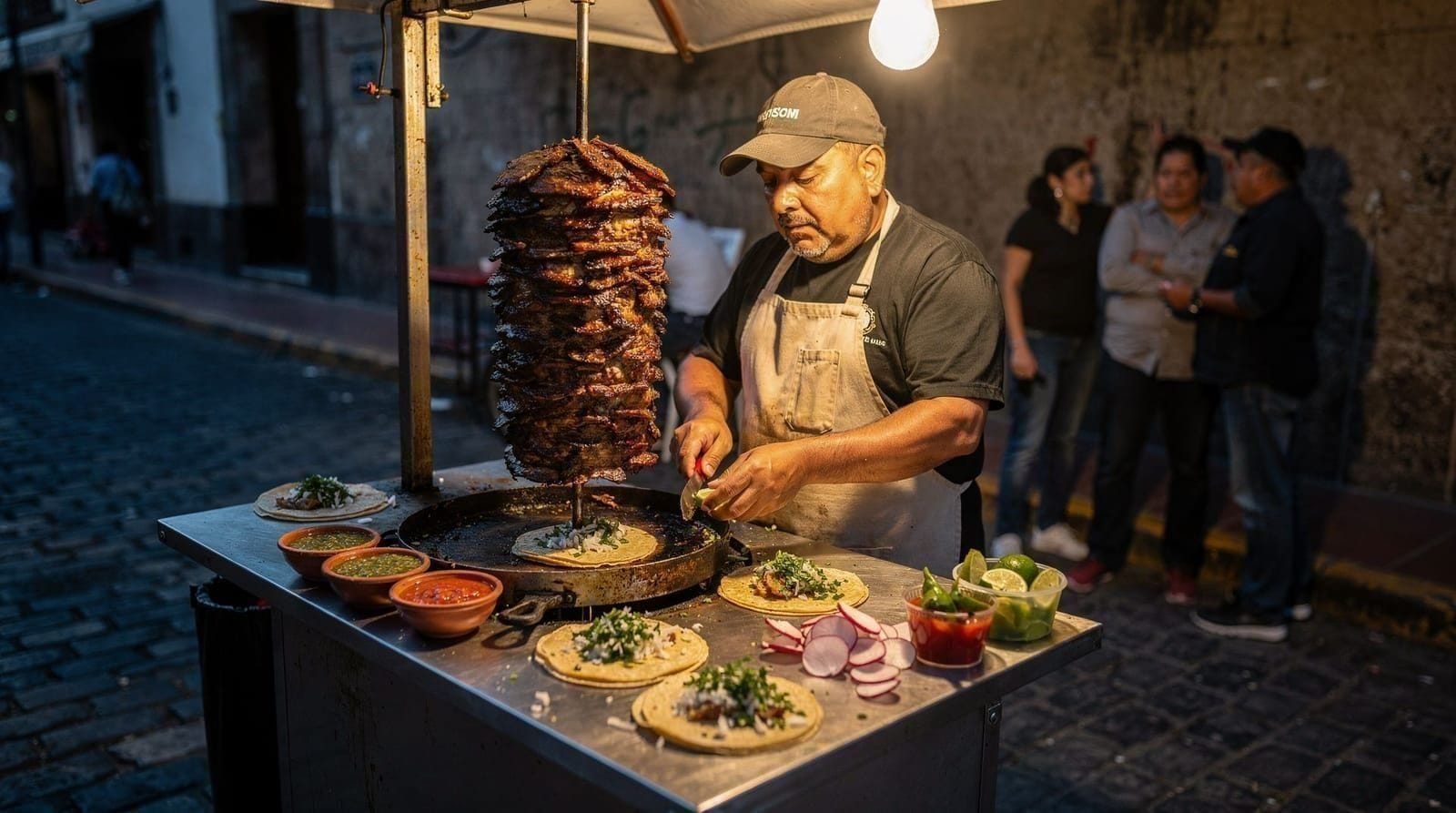
Roma Norte for dinner. Contramar (Durango 200) is the most famous seafood restaurant in the city — tostadas de atún, red and green tuna tuna with two sauces. Expect to pay 400–700 MXN per person. Book 2–3 days ahead. For street food equivalent quality: the tacos de canasta at the corner of Insurgentes and Álvaro Obregón (look for the wheeled cart vendors in the early evening) are 15–20 MXN each.
Day 2: Chapultepec and the Anthropology Museum
Morning
Metro Line 1 to Chapultepec station for the Bosque de Chapultepec. The National Museum of Anthropology (210 MXN) is a 3–4 hour commitment — the best pre-Columbian museum in the Americas. The Mexica (Aztec) room, the Maya rooms, and the ground-floor garden should all be on your list.
The Anthropology Museum guide covers which rooms to prioritize if you are working with limited time.
Afternoon
Chapultepec Castle (210 MXN) for the city views and imperial history. Then walk or take the metro to Polanco for the afternoon — the open-air sculpture section of Paseo de la Reforma is worth 30 minutes.
Evening
Late afternoon: the Soumaya Museum in Polanco (free entry) has a striking silver exterior designed by Fernando Romero and an excellent collection of European and Mexican art including the largest collection of Rodin sculptures outside France. Open until 6 pm.
Dinner in Roma or Condesa. Mercado Roma (Querétaro 225) is a food hall format representing multiple Mexican regional cuisines — good for an overview without committing to one cuisine. Budget 150–400 MXN per person depending on choices.
Day 3: Teotihuacán — the pyramids, the avenue, and the murals
Full day
An early start is essential for Teotihuacán. The site opens at 8 am and the Avenue of the Dead becomes crowded with day-trippers by 10:30–11 am. Most organised tours pick up from central hotels at 7–8 am.
The Teotihuacán first-entry tour with expert guide is the most efficient way to see the site on a five-day itinerary — first access before the crowds, expert archaeological context, and return transport to the city included. The site is technically accessible by public bus from Terminal Norte (Line 1 metro, then 45-minute bus for 55–65 MXN each way) but the guided format is significantly better for understanding what you are looking at.
Key facts on arrival: The Pyramid of the Sun is the third-largest pyramid in the world. You cannot climb it — pyramid climbing has been prohibited since 2024. The Avenue of the Dead, the Ciudadela, and the Pyramid of the Quetzalcoatl (with its famous serpent-head carvings) are fully accessible and provide the most photogenic and archaeologically interesting sections. Allow 3.5–4 hours minimum.
After returning to the city (typically 3–4 pm), rest and hydrate. The outdoor full-day excursion in high-altitude sun is more tiring than it appears.
Evening
Low-key dinner near your base, early night.
Day 4: Xochimilco — the floating gardens and trajinera canals
Morning
A late start is fine for Xochimilco — the canal scene peaks from late morning to mid-afternoon. Take an Uber from Roma (approximately 150–200 MXN, 30–45 minutes) or the metro to Tasqueña and then the Tren Ligero to Xochimilco (5 MXN each way).
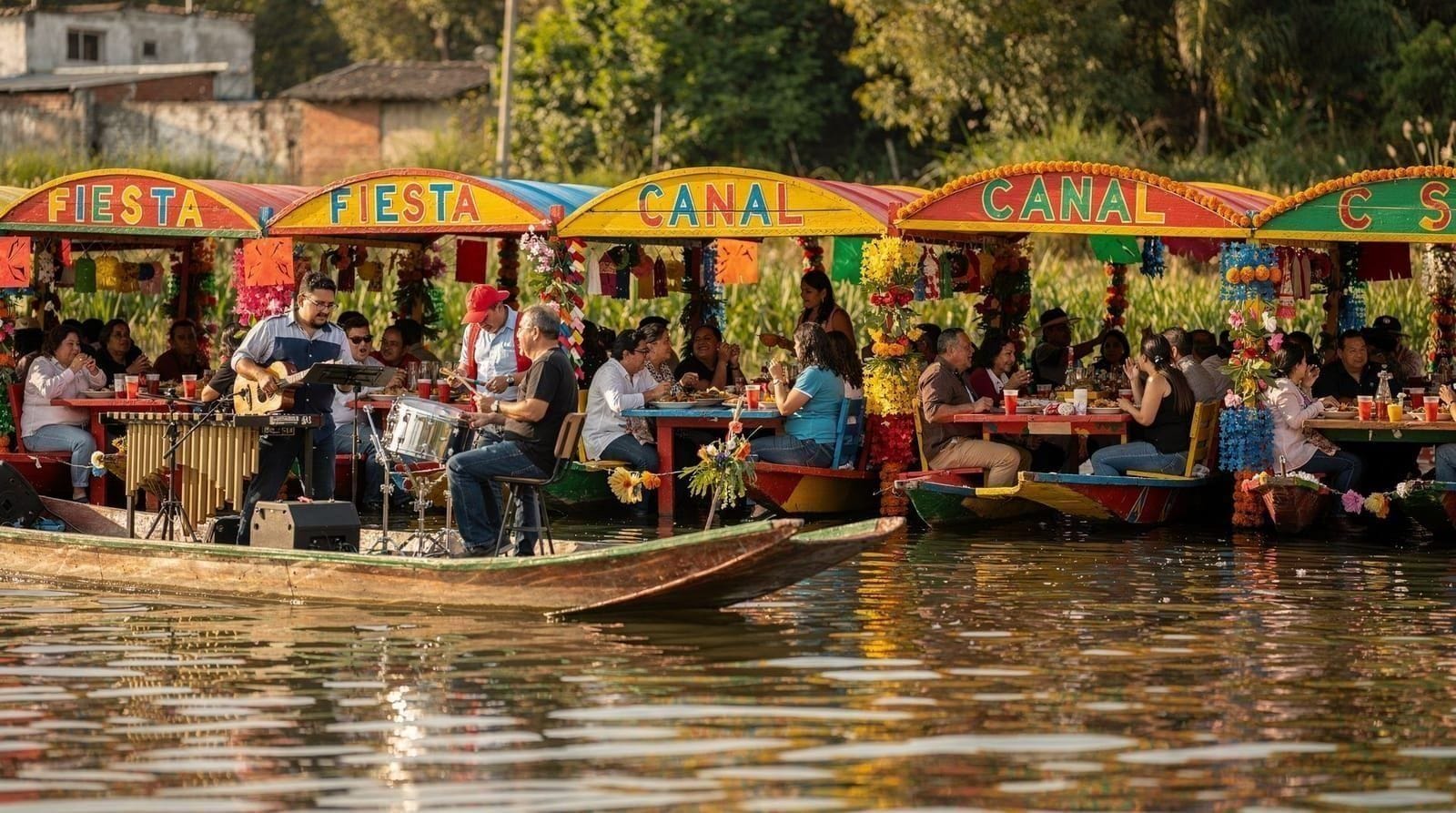
Xochimilco is one of the surviving remnants of the lake-island agriculture system (chinampas) that predates the Aztec capital. The trajinera boats are large flat-bottomed vessels, brightly painted and named, poled or paddled through a network of canals between the floating garden islands.
The Xochimilco trajinera party with snacks, drinks and music is the standard organized experience — it includes a decorated boat, snacks, drinks, and live musicians who board the trajinera at the embarcadero. Budget 2–3 hours on the water. If booking independently at the embarcadero, a trajinera costs 400–600 MXN per hour for the boat (not per person); for a group of 4–6 people, this is affordable.
The Xochimilco complete guide and trajinera guide cover pricing, which embarcadero to use, and the Island of the Dolls option.
Afternoon
After Xochimilco, Uber north to Coyoacán (100–150 MXN, 20 minutes). The Frida Kahlo Museum (Casa Azul) at Londres 247 requires advance booking (320 MXN, museofridakahlo.org.mx). If not pre-booked, the Jardín Hidalgo plaza and surrounding streets are excellent for an hour of walking, coffee (El Jarocho, 35 MXN), and the Mercado de Coyoacán food stalls.
Evening
Return to base for a brief rest. Tonight is lucha libre night. If Frida Kahlo’s museum was fully booked, the Frida Kahlo Museum guide covers how to catch a last-minute slot or what to see instead in Coyoacán.
Day 5: Food, markets, and lucha libre
Morning
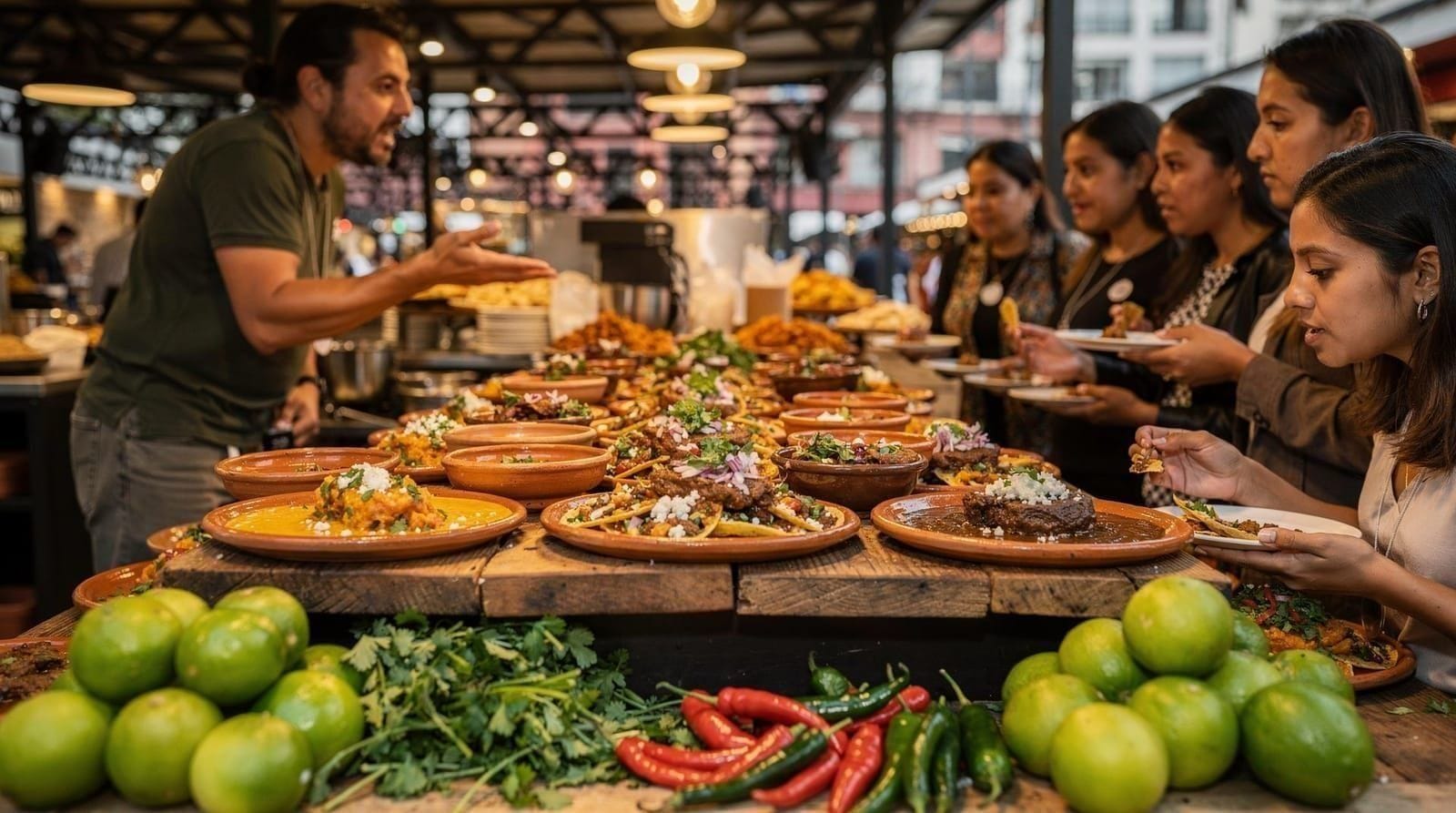
A dedicated food morning is the correct use of day 5. The Mexico City markets guide covers the best options; the two most compelling are:
Mercado de la Merced (nearest metro: Merced, Line 1) — the largest indoor market in Mexico City, 60,000 m² of produce, dried chiles, spices, herbs, and cooking equipment. Not heavily touristy. Go early and eat breakfast at the comedor section inside — huevos rancheros or chilaquiles with café de olla from 60–90 MXN.
Mercado de Jamaica (metro: Jamaica, Line 9) — the wholesale flower market that also sells fruit, vegetables, and prepared food. The sheer color density of the flower sections is remarkable; arrive before 10 am.
Afternoon
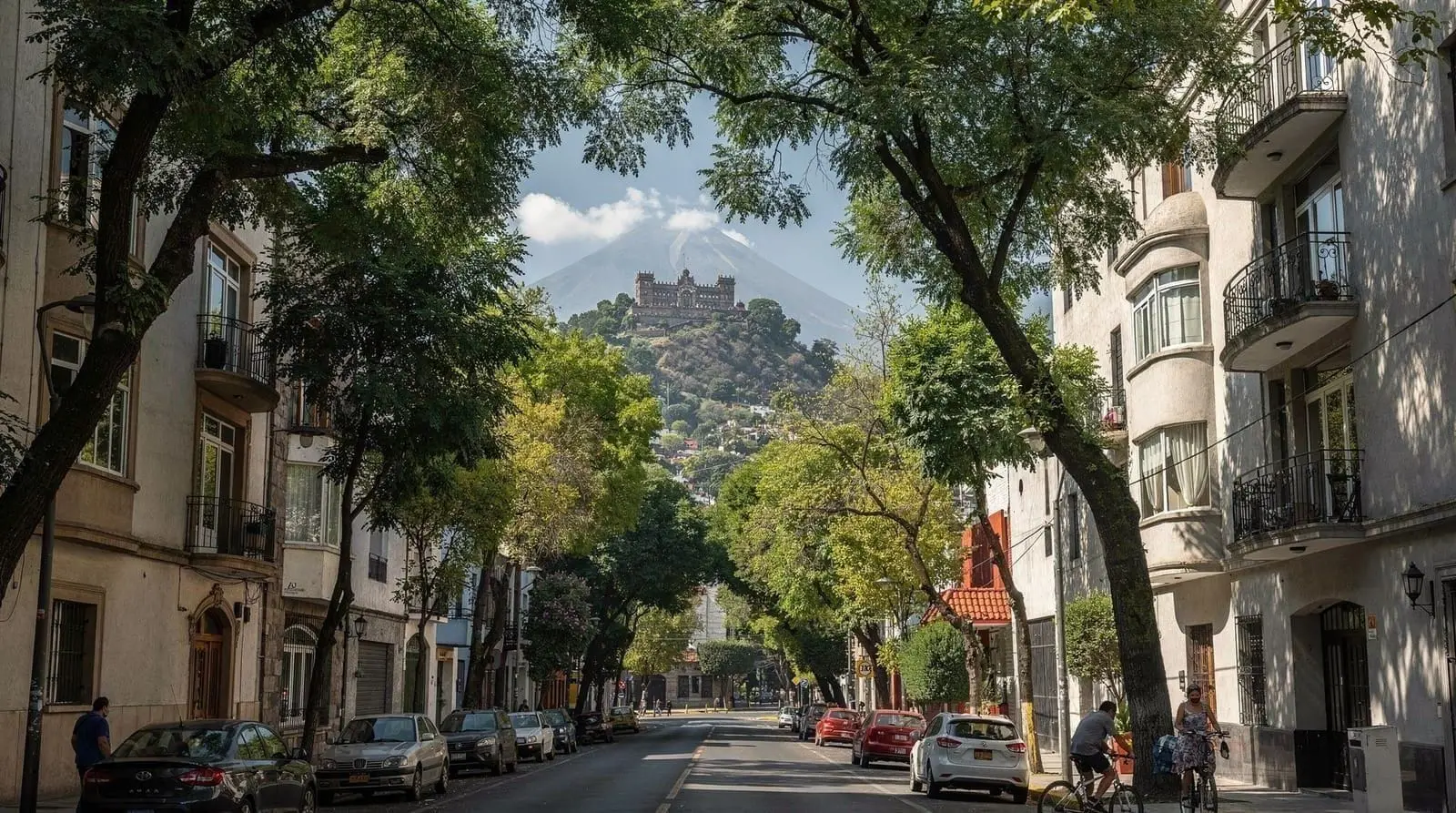
Rest and clean up before the evening. Or, if energy holds: the Roma/Condesa neighborhood walk is one of the best afternoon activities in the city. Art Deco apartment buildings on Ámsterdam avenue, the parque México with its Sunday (or any day) dog-walking crowd, café and bookshop culture on Álvaro Obregón — this is the district that makes CDMX a great city to live in rather than just visit.
Evening — lucha libre at Arena México
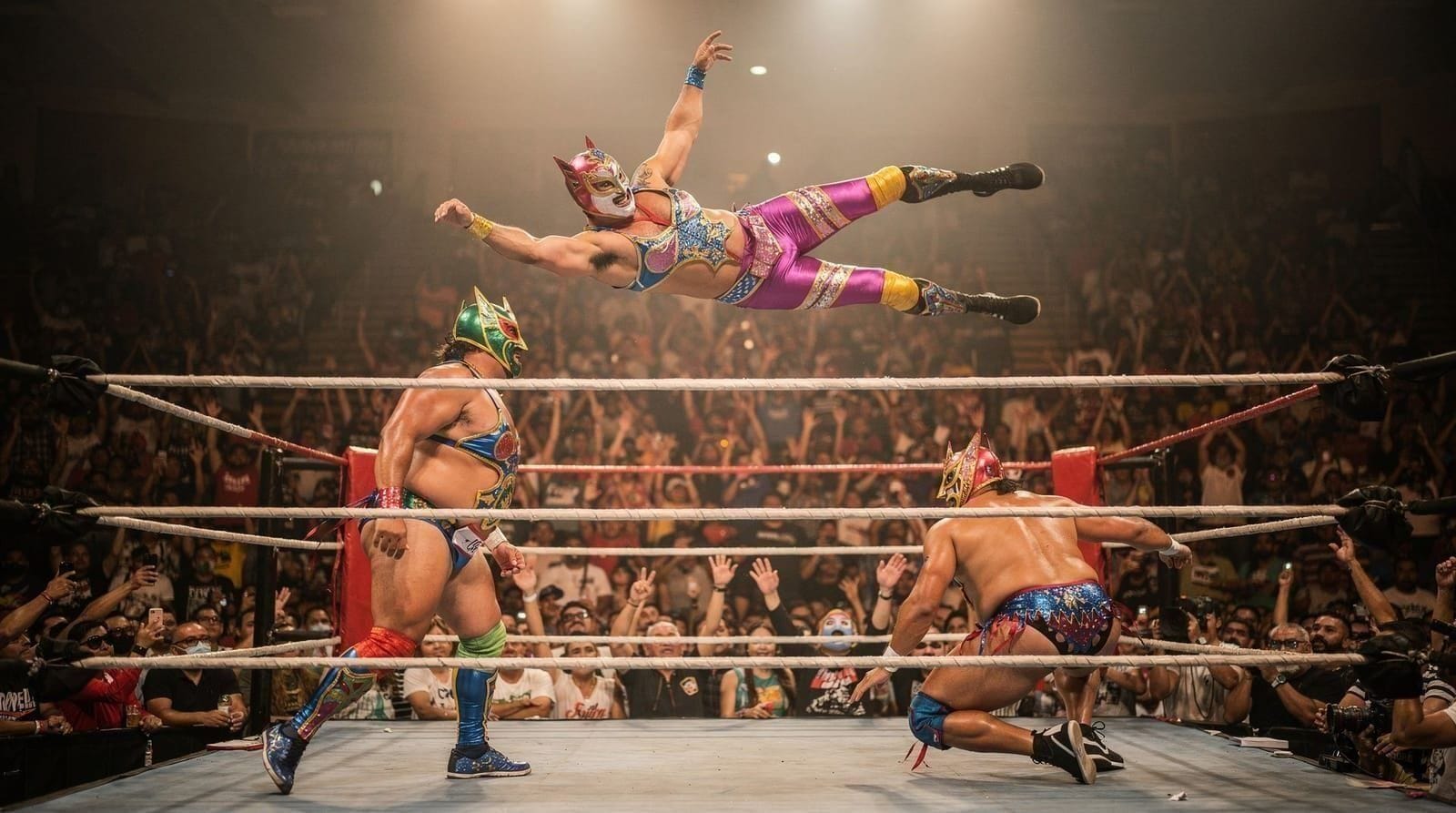
Arena México (metro: Salto del Agua, Line 1 and 3) is the main lucha libre venue in the world’s most lucha-obsessed city. Events typically run Tuesday, Friday, and Saturday nights, starting around 8–8:30 pm. Tickets: 120–350 MXN for the upper sections, 450–800 MXN for ringside.
You do not need to understand lucha libre to enjoy it. The athleticism is real, the masks are extraordinary, and the audience participation — families, couples, groups of friends all shouting technical corrections and praise — is genuinely entertaining. Rudos (heels) and técnicos (faces) are easy to identify within the first few minutes.
The lucha libre, mariachi, and tequila night tour combines Arena México tickets, pre-fight mariachi at Plaza Garibaldi, and a guide who explains the rules and traditions throughout — a good format for visitors who want context with their experience rather than figuring it out independently.
The lucha libre guide covers venue options, upcoming schedules, and what to expect.
Practical notes for five days
Day ordering: This itinerary puts Teotihuacán on day 3 to allow two days of city acclimatisation before the outdoor all-day excursion. Xochimilco on day 4 keeps the southern neighborhood areas together.
Lucha libre alternatives: If lucha libre does not appeal, an evening at Plaza Garibaldi (mariachi performances, mezcal bars, the Museo del Tequila y Mezcal) is the best nightlife alternative. See the Garibaldi mariachi guide.
Food tour option: For visitors who want a structured food introduction, the tacos and mezcal night food tour runs 3 hours and covers 5–7 stops in the historic center and/or Roma, including tastings, for approximately 1,200–1,500 MXN per person. See best food tours in Mexico City.
Best time of year for this itinerary
November through May is the dry season and the best window for a five-day trip that combines a full outdoor Teotihuacán day with a Xochimilco boat ride — both are far more pleasant without afternoon rain. The best time to visit Mexico City guide and weather month-by-month guide cover the tradeoffs of each month, including the jacaranda season in March and April.
Avoiding common mistakes on a five-day trip
The most common error is under-booking: the Frida Kahlo Museum, Teotihuacán tours, and Arena México all sell out around weekends and Mexican holidays. Read the Mexico City common scams guide before you land — the recurring issues (unofficial “guides” near major sights, overpriced street taxis, boat-hire haggling at Xochimilco) are all avoidable with a little awareness. The is Mexico City safe guide covers neighborhood-specific safety for the areas on this itinerary.
Budget reference (5 days, mid-range, per person)
| Category | MXN | USD approx. |
|---|---|---|
| Accommodation (4 nights) | 4,800–10,000 | $230–480 |
| Museum entries | 630 | $33 |
| Teotihuacán tour | 800–1,400 | $38–67 |
| Xochimilco (trajinera + transport) | 600–900 | $29–43 |
| Frida Kahlo Museum | 320 | $17 |
| Meals (5 days) | 3,000–5,000 | $144–240 |
| Lucha libre | 300–800 | $14–38 |
| Transport | 700–1,200 | $34–58 |
Five days at mid-range: approximately 11,145–19,980 MXN ($532–958 USD) per person excluding international flights.
Frequently asked questions about this itinerary
Is five days too much for Mexico City?
Not at all. Mexico City is a megacity with a cultural density comparable to Paris or Istanbul. Five days scratches the surface of what is available. The how many days in Mexico City guide covers the tradeoffs between trip lengths.
Can I do both Teotihuacán and Xochimilco on a four-day trip?
Technically yes but it creates a very compressed schedule. Five days allows both to breathe properly. If forced to choose, Teotihuacán is the harder-to-replicate experience and should take priority.
Is Xochimilco worth visiting for solo travellers?
Yes, but the trajinera experience is better with a group because the boats are priced per vessel. Solo or pair travellers should book a structured tour rather than hiring a boat independently — the cost per person becomes more reasonable and guides are included.
Which day is best for the Mercado de Coyoacán?
Any day except Monday (many stalls closed). Saturday has more life and energy. Sunday gets very crowded but is also when the nearby Bazaar del Sábado in San Ángel (artisan and antiques market) runs — combining both is a good Saturday plan.
Is lucha libre appropriate for children?
Yes, with caveats. The pantomime violence and theatrical content are generally family-friendly. The evening timing (8–11 pm) is the main constraint. See the Mexico City with kids guide for family-specific recommendations.
What is the best time of year for a five-day trip?
November through May, the dry season, is best — it keeps both the Teotihuacán and Xochimilco days rain-free. See the weather month-by-month guide for a full monthly breakdown.
Top experiences
Bookable activities with verified prices and instant confirmation on GetYourGuide.