Lucha libre guide: how to see a match in Mexico City
Mexico City: Lucha Libre Wrestling Match, Mariachi & Tequila
How do you see lucha libre in Mexico City?
The two main venues are Arena México (Colonia Doctores, Tuesday and Friday nights) and Arena Coliseo (Centro Histórico, Sundays). Tickets cost 100–400 MXN (USD 6–23) purchased at the arena box office. You can go independently — no guide needed — and it is an excellent standalone evening experience. Guided tours ($40–80 USD) add transport, tequila, and sometimes a backstage element, but the match is equally good on your own.
What lucha libre actually is
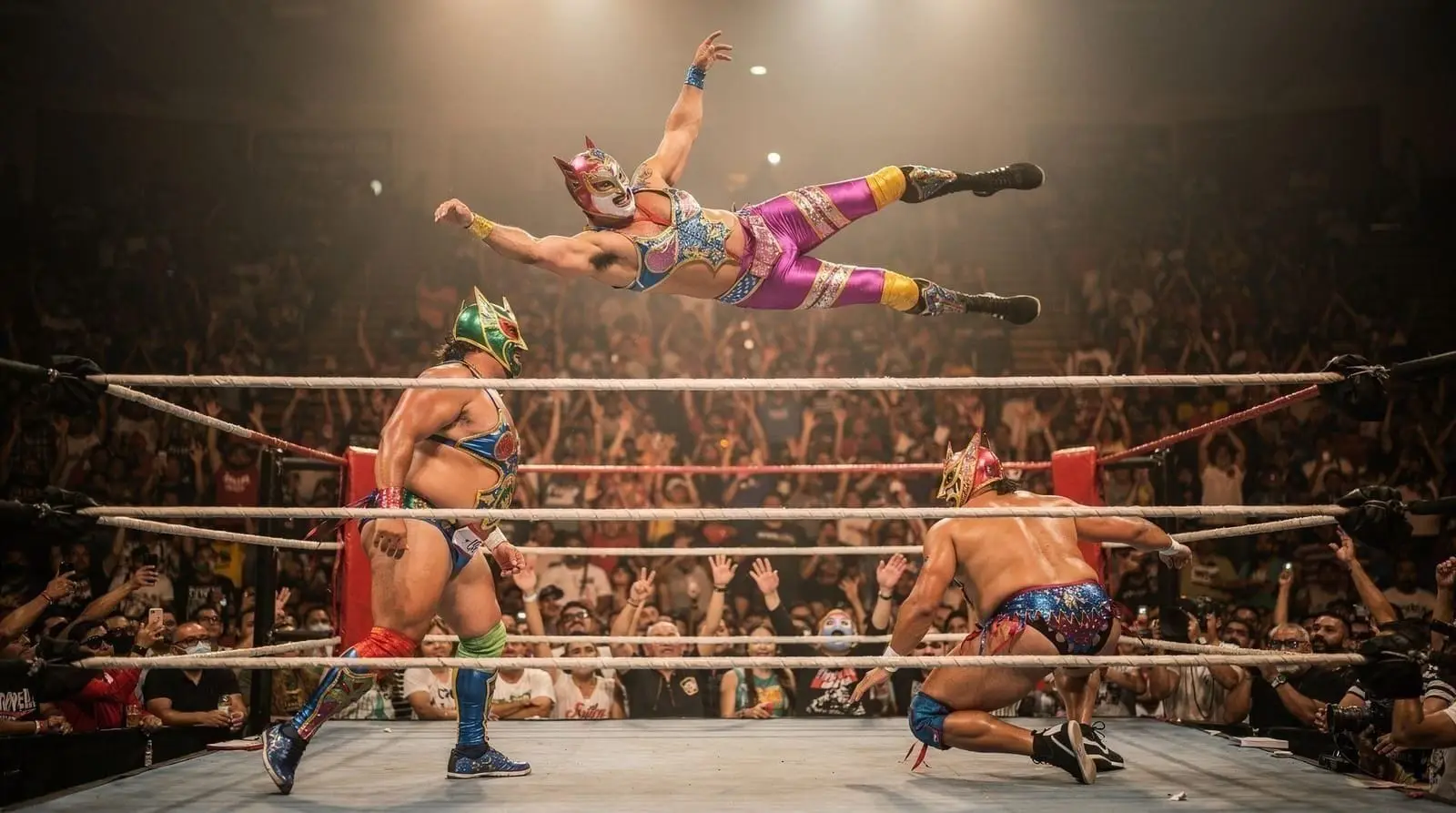
Lucha libre (free fighting) is Mexico’s professional wrestling tradition — a highly athletic, acrobatic form of scripted combat performance that developed in Mexico City in the 1930s and became a cultural institution second only to football in its popular reach. At its peak in the 1950s–70s, lucha libre stars were among the most famous people in Mexico: El Santo appeared in over 50 films and was masked in public until days before his death. Blue Demon, Mil Máscaras, and El Perro Aguayo were household names in ways no contemporary luchador has matched.
The tradition continues. Arena México in the Doctores neighbourhood has run weekly shows since 1956. On Tuesday and Friday nights, the arena fills with families, teenagers on dates, elderly regular attendees who have held the same seats for decades, and — increasingly — curious international visitors. The atmosphere is unlike anything else in CDMX’s nightlife: theatrical, loud, multigenerational, and genuinely passionate despite the scripted outcomes.
This is an experience that needs no expensive tour. Going independently is easy, cheaper, and gives you more freedom of movement. This guide tells you everything you need.
| Where | Arena México (Doctores) or Arena Coliseo (Centro Histórico) |
| Cost | Around 100–500 MXN independently; $40–80 USD on a guided tour |
| Time needed | A full evening, roughly 19:00–23:00 for Arena México shows |
| Getting there | Metro Hospital General (Line 3) or Uber/DiDi; Uber back afterward |
| Best time | Tuesday or Friday nights at Arena México for the biggest cards |
Arena México vs Arena Coliseo
| Arena México | Arena Coliseo | |
|---|---|---|
| Capacity | ~17,000 | ~4,500 |
| Shows | Tuesday & Friday, 19:30 | Sunday, 17:00 |
| Atmosphere | Loud, full-scale, flagship events | Intimate, family-oriented |
| Location | Doctores (needs an Uber after dark) | Centro Histórico, easy to combine with sightseeing |
| Best for | First-timers wanting the full spectacle | Families, Sunday daytime visitors |
Arena México: the main event
Address: Dr. Lavista 197, Colonia Doctores, CDMX. Shows: Tuesday and Friday nights, 19:30 start (doors at 18:30). How to get there: Metro Hospital General (Line 3), 5-minute walk. Uber/DiDi from Centro or Roma takes 15–25 minutes depending on traffic.
Arena México is the world’s oldest continuously operating professional wrestling venue, seating around 17,000 when full. The building is functional rather than beautiful — a concrete oval from the 1950s — but the interior atmosphere during a full show is extraordinary. The ring is set up in the centre; the seating rises steeply on all sides, giving strong sightlines from most positions.
Ticket buying: The box office (taquilla) on Dr. Lavista is open from around 5pm on show days. Queue is usually manageable except for major special events. Pay in cash. Prices are posted on a board at the entrance; the three tiers are Ring/Ringside (most expensive, floor level), Preferente (elevated, good views), and General (upper tier, basic bench seating but perfectly adequate views and cheaper). Many regulars prefer the upper general section for the crowd atmosphere.
What to expect inside: Six to eight bouts per evening, ranging from 5–20 minutes each. The card is structured from warm-up matches (younger or lower-card wrestlers) through to the main event, which usually features the senior stars. Between bouts: vendor passes with beer, tamales, and snacks. The announcer provides Spanish-language commentary over the PA. Audience participation (jeering heels/villains, cheering técnicos/heroes) is enthusiastic; you do not need to understand the Spanish to follow along.
The Doctores neighbourhood requires some awareness after dark. The streets immediately outside Arena México are busy on show nights and relatively safe; avoid wandering far from the arena on foot after the show. Uber/DiDi back to your hotel is the sensible option.
Arena Coliseo: the Sunday alternative
Address: República de Perú 77, Centro Histórico. Shows: Sunday afternoons, 17:00 start (doors at 16:00). How to get there: Metro Garibaldi (Line B) or Allende (Line 2), 10-minute walk.
Arena Coliseo is smaller (around 4,500 capacity), older (1953), and has a different atmosphere than Arena México — more intimate, more family-oriented, and slightly more traditional in its presentation. The Centro location means you can easily combine a Sunday at Coliseo with a morning in Centro Histórico.
Ticket prices are similar to Arena México. The Sunday afternoon timing is better for families and for visitors who prefer not to navigate the Doctores neighbourhood at night.
Going independently vs guided tours
Independent route (recommended for most visitors): Metro or Uber/DiDi to Arena México or Coliseo. Buy tickets at the box office. Grab tacos from the street stalls outside before the show. Watch the bouts. Take Uber/DiDi back. Total cost: 200–500 MXN (USD 12–29) including transport, ticket, and snacks.
Guided tour route: Tours include round-trip transport, reserved seating, tequila or mezcal, sometimes dinner, and a guide who explains the match format and wrestlers’ characters.
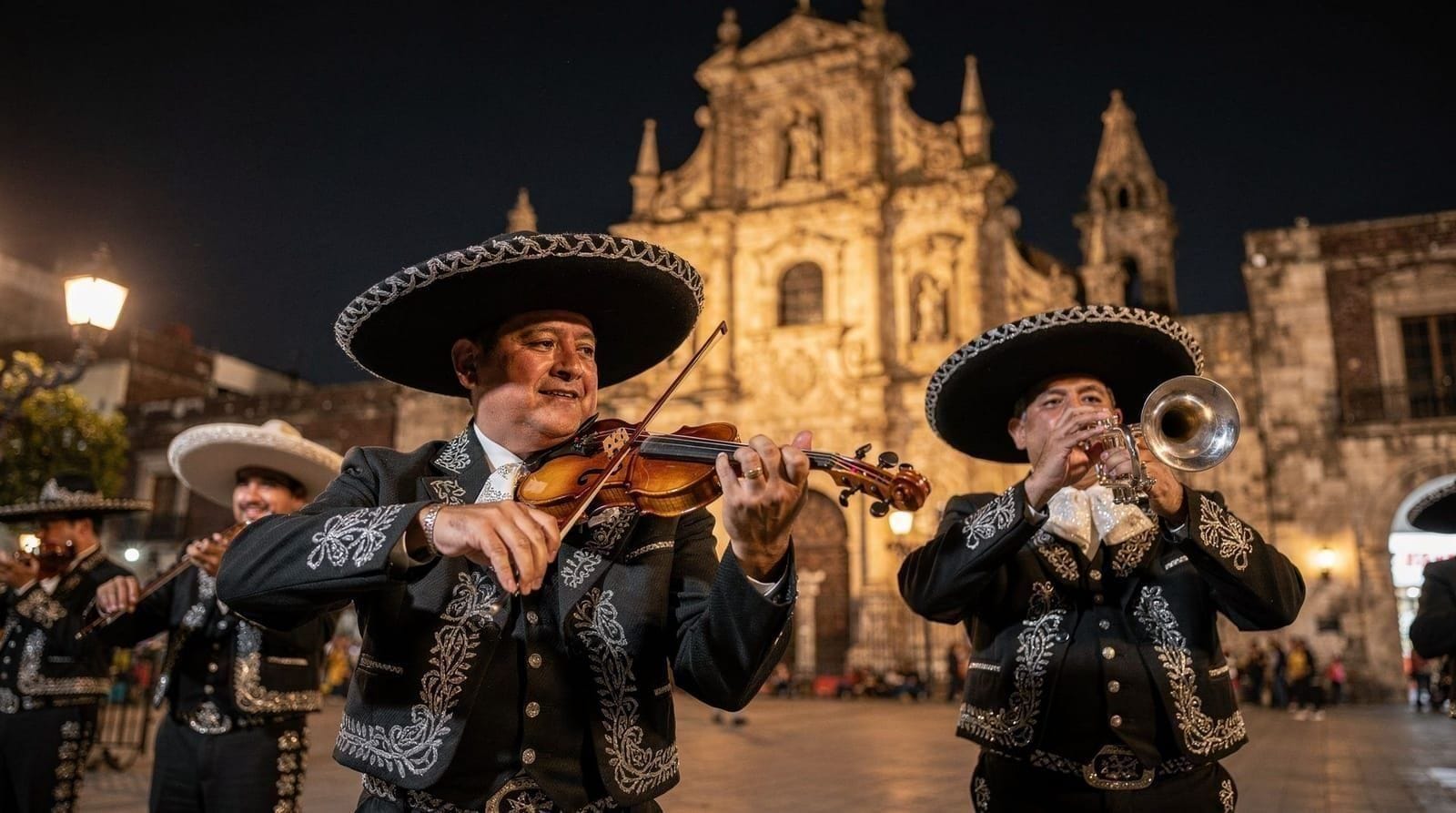
The Lucha Libre Wrestling, Mariachi and Tequila tour is one of the most-booked combination experiences in CDMX — it combines the lucha match with a Plaza Garibaldi mariachi experience, which makes for a genuinely entertaining evening if you want to cover both cultural experiences in one night.
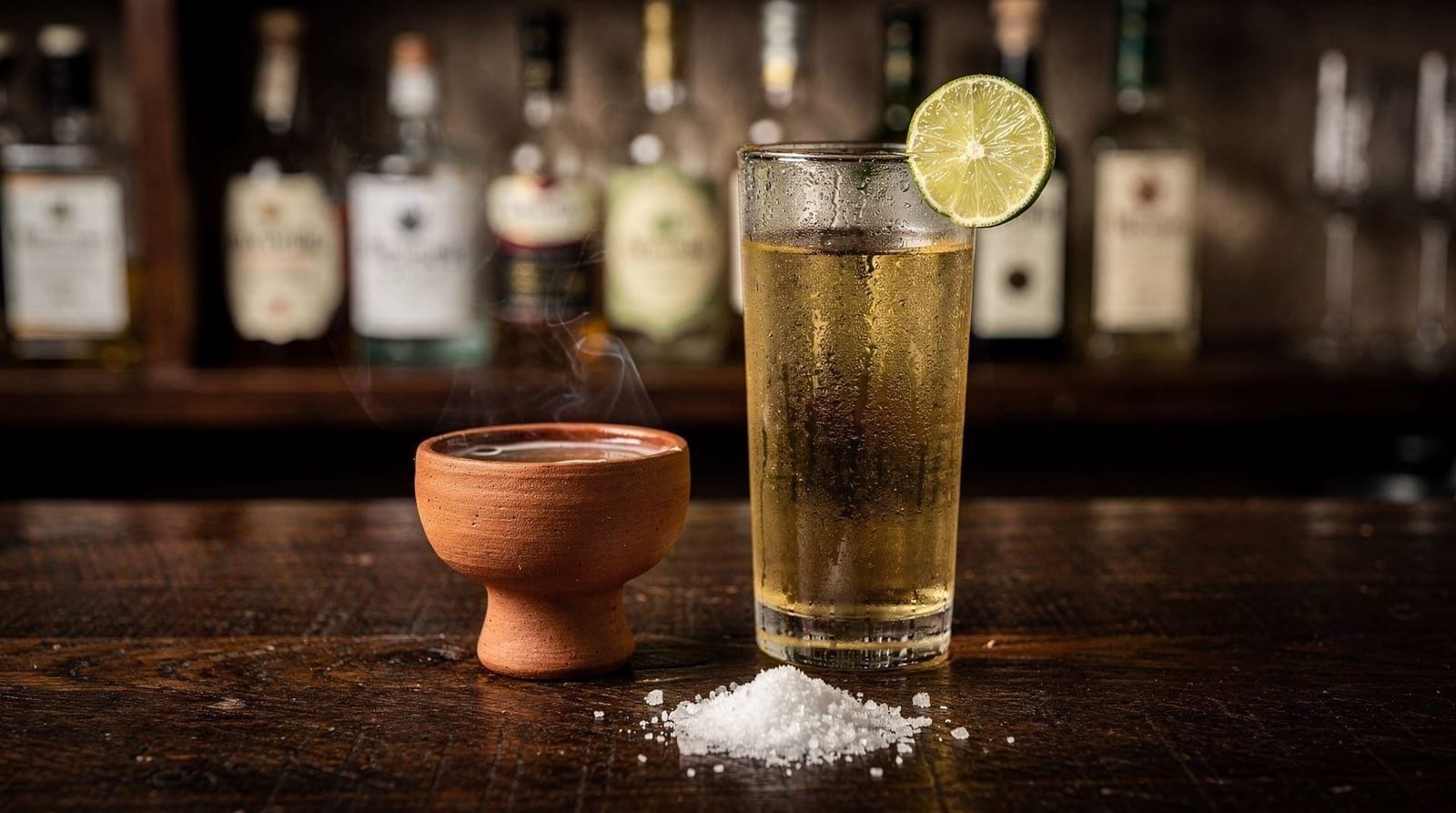
The Lucha Libre with Tacos, Beer and Mezcal experience is a solid evening package — the tacos and mezcal pairing before the show sets the right mood, and the evening has a clear arc rather than requiring you to organise each element separately.
The Lucha Libre Experience with Mezcal Tasting focuses on the mezcal education component alongside the match — better for visitors interested in the spirits culture as well as the wrestling. The mezcal tasting is genuine rather than token.
This Mexican Evening tour pairing lucha libre with a guided tequila tasting takes a similar approach but built specifically around tequila rather than mezcal — a solid choice if you’d rather explore tequila’s regional varieties alongside the wrestling than add a mariachi or mezcal detour.
When tours are genuinely worth it: If you are only in CDMX for 2–3 days and want to cover multiple experiences in one evening without navigation stress, a tour makes sense. If you have 4+ days and are comfortable with city navigation, go independently.
The wrestlers: characters and traditions
CDMX’s lucha libre has a cast of recurring characters. Understanding a few makes the evening more engaging:
Técnicos vs rudo: The fundamental alignment system. Técnicos are heroes — they follow the rules, perform spectacular aerial moves (voladores), and get crowd support. Rudos are heels — they cheat, grab tights, use eye rakes, and generate the booing that drives the drama. Matches usually have clear face-heel alignment; sometimes a turn (character switching sides) is the big moment of the evening.
Veteranos vs jóvenes: Senior wrestlers who have held the championship or been major names (La Sombra, Volador Jr., Gran Guerrero, Último Guerrero) share the card with younger talent. Watching a veteran who has been performing for 20+ years in a tag match with young rivals is one of lucha libre’s pleasures — the technique is different at each career stage.
The mask tradition: Any luchador wearing a mask is building toward either a long-term character run or a Lucha de Apuestas (apuestas = bets) where the loser unmasks or cuts their hair (for non-masked wrestlers). This is the big storytelling event; if a mask vs mask match is advertised for the main event, that is a special night.
Local heroes: In the Doctores neighbourhood where Arena México sits, certain wrestlers have intensely loyal local followings. The noise difference between a hometown favourite’s entrance and a neutral wrestler’s entrance is unmistakable.
What to bring and what to wear
- Cash: For tickets, vendor food and drinks, and street tacos outside. Vendors inside are cash-only.
- Comfortable shoes: Arena floors can be slippery with spilled beer and the gangways in the upper sections are steep.
- Layers: Arenas are not climate-controlled. In CDMX’s higher altitude, even summer evenings cool down; the arena can be cold in the upper sections.
- Small bag: Backpacks are sometimes checked at the entrance. A small shoulder bag or belt bag is easier.
- Phone: Arena photography is fine — audience members take photos and video freely. Specific camera equipment (large lens DSLR) may be restricted; ask at the entrance.
Planning the rest of your trip around the show
Because the big cards fall on fixed weeknights, it helps to decide early which evening of your stay goes to the arena and fit the other plans around it. On a short visit, the 3-day Mexico City itinerary and the weekend itinerary both leave room for an evening out, so you can slot lucha libre into a night when you are not tired from a long day trip. If you are still choosing a base, the where to stay guide helps you pick a neighbourhood with an easy ride to the arena, and getting around Mexico City explains how ride-hailing and the Metro work so the trip back after the show is not a worry.
Photography and video etiquette
Taking photos and short videos from your seat is normal and expected — you’ll see the whole arena doing it during entrances and finishing moves. Flash photography from a distance does little and can be considered intrusive at ringside; natural-light shots or short video clips work better given the arena’s lighting rig, which is bright enough for phone cameras without extra flash. If you’re seated at ringside, be mindful during matches that occasionally spill outside the ring ropes — wrestlers do land near the front rows, and staff will direct you if you need to move quickly.
The mask market before the show
Arrive 30–45 minutes before the show to browse the mask market on the street outside Arena México. Dozens of vendors sell lucha masks (80–350 MXN), wrestling programmes, collector cards, and branded merchandise. The masks are handmade in Mexico City workshops — the metallic stretch fabric and hand-stitching are the craft signatures.
Notable characters with widely available masks: El Santo (the classic silver), Blue Demon (blue with silver), La Parka (skeleton character), Místico (now Sin Cara in WWE), and the current CMLL roster. Character-specific masks from wrestlers who are on tonight’s card sell fastest. Beyond masks, look for luchador trading cards, small vinyl figures of current CMLL stars, and printed programmes listing the night’s full card — useful as a souvenir even if you don’t follow the storylines closely, and a good way to remember which wrestlers you actually saw once you’re back home looking them up.
Women’s and mixed-tag lucha libre
CMLL cards regularly feature women’s divisions and mixed tag matches alongside the more heavily promoted men’s bouts. Wrestlers like Zeuxis, La Metálica, and a rotating roster of luchadoras bring a distinct, often faster-paced style to their matches, and mixed-tag bouts (where a técnico/técnica pair faces a rudo/ruda pair) are a CMLL staple that first-time visitors sometimes don’t expect. If the women’s division isn’t listed prominently on the card you see advertised, it’s still very likely part of the evening — the full lineup is only posted at the box office or the CMLL website close to showtime.
A brief history worth knowing before you go
Lucha libre’s roots trace to Salvador Lutteroth, who founded the Empresa Mexicana de Lucha Libre (CMLL’s predecessor) in 1933 after seeing American-style wrestling and adapting it with Mexican influences — faster pace, more aerial technique, and eventually the mask tradition borrowed partly from indigenous ceremonial masks and partly from theatrical convention. Arena México itself, nicknamed “La Catedral” (the cathedral) by fans, opened in 1956 and has hosted essentially every major Mexican wrestling star since. Knowing even this much context changes how the evening reads — you are watching a 90-year-old performance tradition, not a novelty show staged for tourists.
Safety in Doctores and around Arena México
The Doctores neighbourhood is a working-class residential area with some rough patches — it is not a tourist area outside the lucha context. Inside the arena and on the immediate block outside, the environment is very safe on show nights (large crowd, vendors, visible security). The walk from Metro Hospital General to the arena is also fine on show nights.
After the show, Uber/DiDi is the right option back to Roma, Condesa, or Centro. Do not walk far from the arena alone after midnight. The CDMX safety guide covers the neighbourhood landscape honestly.
Combining lucha libre with other experiences
Lucha matches typically end by 11pm. The natural next step:
- Tacos late-night: El Vilsito taco stall (Narvarte, 10 minutes from Arena México) is famously open until 3–4am. Post-lucha tacos are a genuine local tradition.
- Garibaldi: The Plaza Garibaldi mariachi experience runs until late — combine with the Lucha and Mariachi tour if you want both in one evening.
- Mezcal in Roma: Roma Norte mezcalerías are a 15-minute Uber from Arena México and active from 9pm onwards.
Frequently asked questions about lucha libre in Mexico City
Do I need to speak Spanish to enjoy lucha libre?
No. The physical performance speaks for itself — the aerial moves, the dramatic falls, and the crowd reactions need no translation. The announcer commentary in Spanish adds flavour but is not essential for following the action. The basic técnico/rudo dynamic is apparent from watching the crowd reactions.
Is lucha libre appropriate for children?
Yes. The Sunday afternoon shows at Arena Coliseo are explicitly family-oriented and are attended by many Mexican families with young children. The Tuesday and Friday shows at Arena México are slightly rowdier in atmosphere but still family-appropriate. The violence is theatrical — falls are loud but no blood.
What is the best seat at Arena México?
For atmosphere: the upper general sections on the side opposite the main entrance are where the most vocal regular crowds sit. For views: the Preferente section gives elevated sightlines over the ring without the noise levels of the upper tier. Ringside seats give you proximity but involve more neck craning.
Can I buy lucha libre tickets online?
The CMLL website sells tickets in advance, with a booking fee. The arena box office (taquilla) has no fee. For most shows, box office purchase on show day is fine. For major special events (mask matches, anniversary shows), online advance purchase or early box office arrival is advisable.
What is ‘Lucha de Apuestas’ and when does it happen?
An Apuestas match (bet match) is when two wrestlers stake something — usually their mask or their hair — on the outcome. The loser unmasks or is shaved bald in the ring. These matches have genuine emotional weight in lucha libre culture. They are advertised on the CMLL schedule and tend to sell out; the anniversary show in September is the most significant of the year.
Where is the best lucha libre venue in Mexico City?
Arena México (Doctores neighbourhood) is the flagship — the largest and most famous lucha libre arena in the world, seating around 17,000. It hosts the CMLL (Consejo Mundial de Lucha Libre) main events on Tuesday and Friday nights. Arena Coliseo (Centro Histórico) is smaller, older (opened 1953), and runs Sunday shows with a slightly different atmosphere — more family-oriented and lower-key. Both offer excellent experiences.
How much do lucha libre tickets cost?
At Arena México: ringside (lado) seats run 300–500 MXN (USD 17–29); mid-tier 200–300 MXN; general (arena) from 100–150 MXN. At Arena Coliseo, prices are similar or slightly lower. Guided tours add their markup — typically $40–80 USD including transport and often mezcal or tequila, versus 150–300 MXN to attend independently. Buy tickets at the box office in person; third-party websites charge significant premiums.
What is the schedule for lucha libre in Mexico City?
Arena México: Tuesday nights (19:30 start, doors 18:30) and Friday nights (same times). Arena Coliseo: Sunday afternoons (17:00 start, doors 16:00). Both venues occasionally host special events on other days. The CMLL website (cmll.com) has the official schedule. Arenas are usually busiest on Fridays and when a major feud’s climax match is scheduled.
What is the difference between CMLL and AAA lucha libre?
CMLL (Consejo Mundial de Lucha Libre) is the older promotion — founded 1933, the world’s oldest continuously operating professional wrestling promotion. Traditional style, classic masks, less elaborate production. AAA (Asistencia Asesoría y Administración) was founded 1992 as a breakaway promotion with a more theatrical style and flashier production. CMLL events at Arena México and Coliseo are the authentic traditional experience; AAA events are more pop-culture spectacular but held at different venues.
Is lucha libre fixed or real?
Lucha libre is scripted entertainment — the outcomes are predetermined, the moves are rehearsed and highly technical, and the physical danger is mitigated by training and cooperation. This does not mean it is fake in any meaningful sense: the athletes are extraordinarily skilled, the acrobatics are real, and the falls and impacts are genuinely painful even when performed correctly. Understanding that it is theatrical performance rather than competitive sport improves the experience rather than diminishing it.
What should I eat and drink at lucha libre?
Arena México and Coliseo have in-venue food vendors: beer (50–70 MXN), nachos (80–120 MXN), tamales (25–35 MXN), and quesadillas (40–60 MXN) are available from roaming vendors during the show. Pre-match options include taco stalls on the streets immediately outside both arenas. Inside prices are typical stadium markups. The guided tours that include pre-show dinner provide better food but at a higher overall cost.
Can I get a mask at lucha libre?
Yes. Mask vendors operate outside Arena México before and after shows, and souvenir stalls inside. Prices: 80–300 MXN for a mask depending on quality and character. The iconic metallic stretch-fabric Lucha masks (El Santo, Blue Demon, Místico, Atlantis) are widely available. The ramp of mask-sellers on Calle Dr. Lavista outside Arena México before shows is an attraction in itself.
What is the significance of the mask in lucha libre?
The mask is the sacred object of lucha libre culture. A luchador’s mask represents their character identity — winning or losing a mask in a ‘Lucha de Apuestas’ (bet match) is one of the biggest storyline events in the promotion. El Santo (the Silver-Masked Man) was the most famous Mexican celebrity of the 20th century; he removed his mask publicly only weeks before his death in 1984. Taking off a mask is deeply meaningful in the culture, not just a theatrical prop.
Top experiences
Bookable activities with verified prices and instant confirmation on GetYourGuide.