Mezcal and tequila tasting tour in Mexico City: which to book
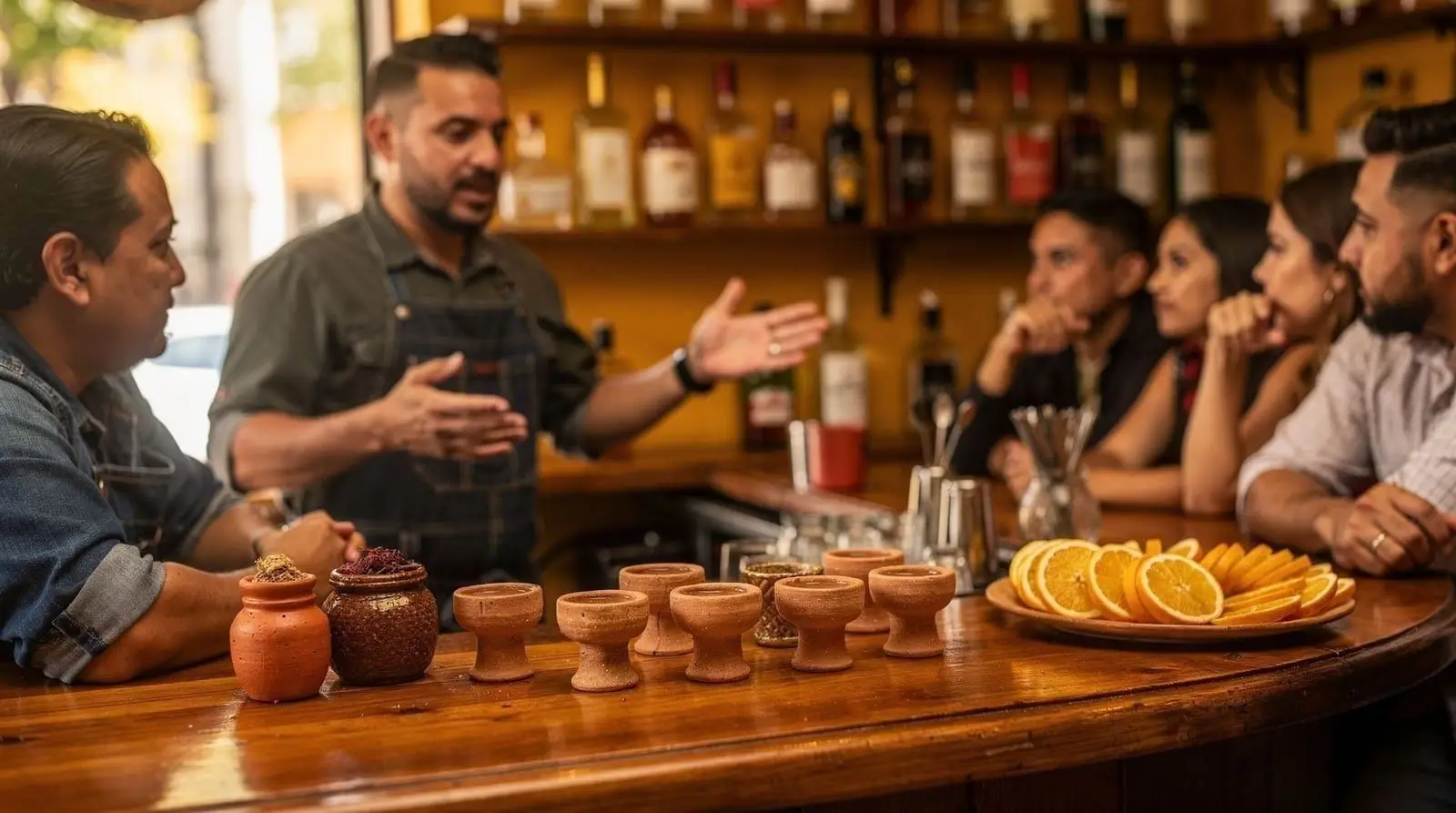
Mexico City: Mezcal Tasting Experience
Duration: 1.5 hours
Why Mexico City for mezcal and tequila?
Mexico City is the obvious place to experience mezcal and tequila for the same reason it is the obvious place to experience Mexican food — the concentration of producers, distributors, specialist bars, and knowledgeable guides is unmatched. The capital’s mezcal scene draws from producers across Oaxaca, Durango, San Luis Potosí, Tamaulipas, and Guerrero; a well-curated tasting in Mexico City can cover agave expressions that a visitor would otherwise need to travel multiple states to find.
The organized tasting format adds something that bar-hopping does not: structured comparison, guidance on what differentiates agave varieties and production methods, and access to producers whose bottles are not easily identifiable without expert navigation.
This review covers three formats: the standalone mezcal tasting experience, the museum tour with tasting, and the speakeasy format. Each provides a genuinely different kind of engagement with the spirits.
| Where | Roma/Condesa, Centro Histórico, or Plaza Garibaldi depending on format |
| Cost | Around 500–1,400 MXN per person |
| Time needed | 1.5–2.5 hours |
| Getting there | Most tastings meet on-site; confirm the exact address on booking |
| Best time | Evening, though the museum tour also works well in the afternoon |
Option 1: Mezcal tasting experience (focused format)
The Mexico City mezcal tasting experience is a 1.5-hour structured session covering approximately 4–6 mezcal samples from different agave varieties and production styles. The format is educational in structure — the guide or sommelier explains each producer, the agave variety used (espadín is the most common, but tobalá, madre-cuishe, tepextate, and wild-harvested varieties may appear), the production method, and the flavour profile to look for.
What distinguishes a good mezcal tasting from a bad one: The agave variety matters more than the brand. A good guide demonstrates this by pairing two expressions from the same producer using different agave species — the flavor difference is dramatic and makes the taxonomy immediately comprehensible.
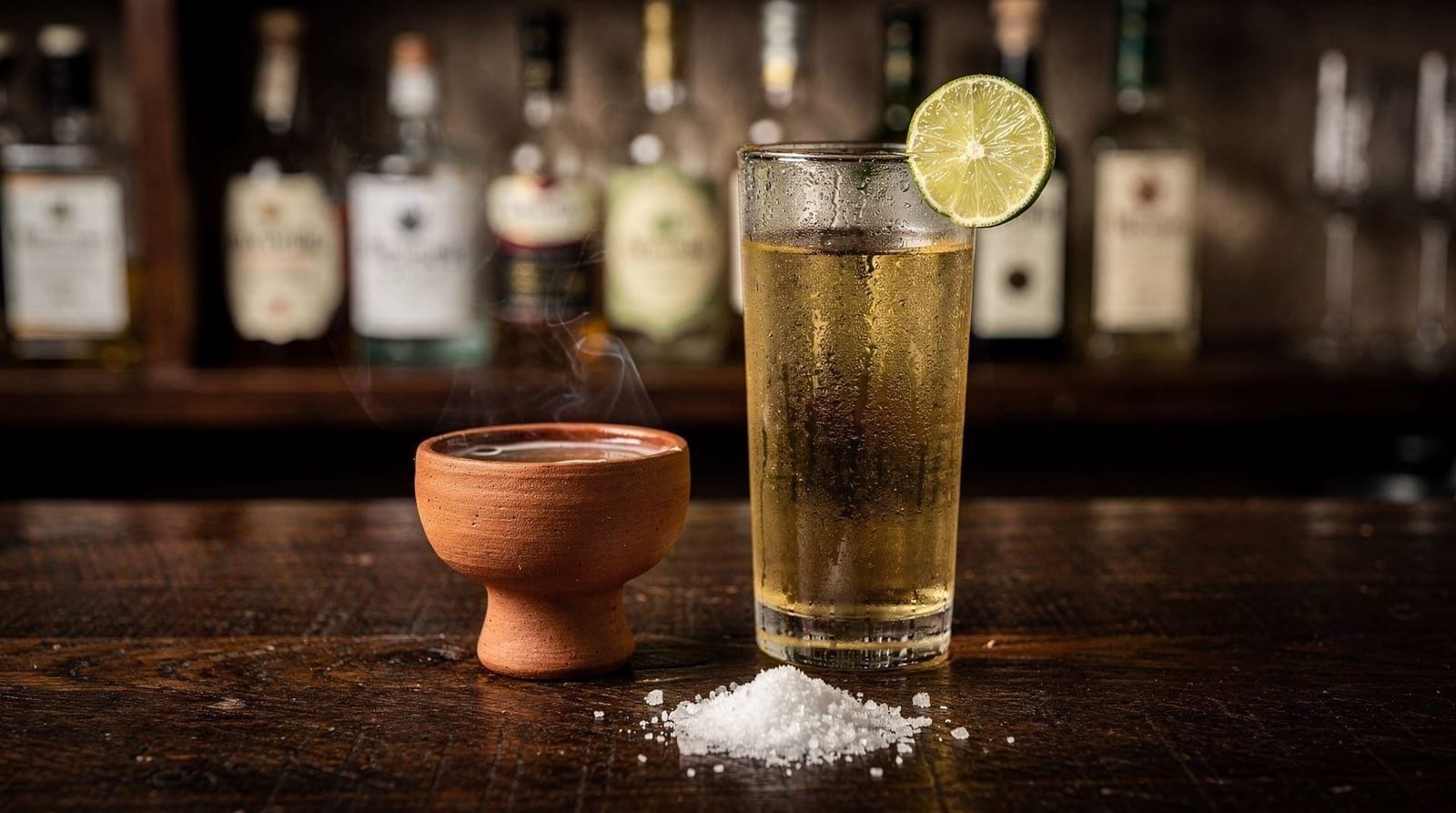
What is typically included: 4–6 mezcal samples (15–20 ml pours), pairing condiments (sal de gusano — worm salt with chilli, the traditional mezcal accompaniment; orange slices; possibly chapulines/crickets), and bilingual explanation of production methods.
Price: approximately 500–900 MXN per person.
Duration: 1.5 hours.
Best for: Visitors with specific interest in mezcal; anyone who wants to understand what differentiates quality from bulk production; a good standalone experience without deep cultural context.
Option 2: Tequila and mezcal museum tour with tasting
The Mexico City tequila and mezcal museum tour with tasting combines a guided visit through a dedicated spirits museum (the Museo del Tequila y el Mezcal, or MUTEM, on Plaza Garibaldi) with a post-tour tasting. The museum covers the agricultural origins, production methods, cultural history, and regional varieties of both spirits in a curated exhibition format.
The museum itself is an underrated resource. The MUTEM traces the agave plant’s role in pre-Columbian and colonial Mexican culture — the cosmological significance of agave in Aztec religion, the pre-distillation tradition of pulque, the 16th-century introduction of distillation technology, and the gradual differentiation of regional traditions into what became tequila, mezcal, raicilla, bacanora, and sotol.
The tasting following the museum visit is more directly educational than a standalone tasting because the museum visit provides the vocabulary — by the time you taste a tobalá mezcal from Oaxaca, you understand what a tobalá is botanically, how it differs from espadín, and why it takes 15 years to mature versus 7 years for espadín.
Price: approximately 600–900 MXN per person.
Duration: approximately 1.5–2 hours.
Best for: Visitors who want the full cultural context before the sensory experience; anyone interested in the pre-Columbian and colonial history of the spirits alongside the tasting. Travellers who prefer to explore the museum at their own pace rather than joining a fixed-schedule guided group can instead book the tequila and mezcal museum ticket with tastings, which includes the same post-visit tasting without the guided walkthrough.
Note on Plaza Garibaldi: The museum is located adjacent to Garibaldi — the mariachi square. The combination of museum visit, tasting, and the ambient experience of Garibaldi in the evening is natural; see the Garibaldi mariachi guide for the full plaza context.
Option 3: Tequila and mezcal tasting in a speakeasy space
The tequila and mezcal tasting in a unique speakeasy space is the most atmospheric format — a hidden or unmarked venue in the Roma or Condesa neighborhood (accessed through a non-obvious entrance consistent with the speakeasy concept) with a curated spirits list, a trained guide, and 2–2.5 hours of detailed tasting.
This format works for visitors who want the aesthetic experience of the underground bar culture alongside the educational content. The venue design matters here in a way it does not for the museum format — the speakeasy setting adds an element of theater that the other formats lack.
The tasting program typically covers both tequila (blanco, reposado, añejo — the three main aging categories) and mezcal (espadín plus at least one wild-harvested variety), allowing direct comparison across the two spirit categories in a single session.
Price: approximately 900–1,400 MXN per person.
Duration: 2–2.5 hours.
Best for: Cocktail and spirits enthusiasts; visitors interested in the bar culture of Roma/Condesa; anyone who appreciates the aesthetic dimension of the drinking experience as much as the educational content.
Understanding what you are tasting: agave basics
A practical glossary for anyone about to do a mezcal tasting:
Espadín (Agave angustifolia): The most commonly used agave for mezcal — approximately 90% of commercial mezcal production. Relatively fast-maturing (7–10 years). The flavor benchmark for comparison.
Tobalá (Agave potatorum): Wild-harvested wild agave with a smaller piña (heart) and more delicate, complex flavor. Takes 12–20 years to mature. Significantly more expensive than espadín.
Tepextate (Agave marmorata): A wild agave taking 25+ years to mature. Among the rarest and most complex mezcals. Typically found only in specialist mezcalerías.
Madre-cuishe (Agave karwinskii): An agave that grows in a columnar form rather than the conventional rosette. Produces mezcal with distinctive herbaceous and mineral characteristics.
Ensamble: A mezcal made from two or more agave varieties in the same batch — a complex blending decision that requires expertise to execute well.
The mezcal vs. tequila guide covers the full classification system including the DO (denominación de origen) boundaries and the three category distinctions within mezcal (artisanal, ancestral, industrial).
Mexico City mezcal bar recommendations
After an organized tasting, independent exploration is the natural next step. A few consistently reliable options:
La Bipo (Álvaro Obregón 118, Roma Norte): Small, cash-only, extensive mezcal list organized by agave variety. No cocktails — straight mezcal and conversation with a knowledgeable server.
Bósforo (Luis Moya 31, Centro Histórico): One of the pioneering Mexico City mezcal bars, opened 2003. Extraordinary selection, excellent food.
Expendio de Pulques Finos (various locations): For pulque specifically — the pre-Columbian fermented agave drink. Not distilled, lower alcohol, very different from mezcal but the same agricultural tradition.
For a more hands-on, less curated alternative to a bar crawl, the mezcal and pulque tasting at an exotic market stall pairs both spirits in a single stop inside one of the city’s traditional markets, closer to how many locals actually drink them.
Comparing the three tasting formats
| Option | Price (MXN/person) | Duration | Best for |
|---|---|---|---|
| Mezcal tasting experience | 500–900 | 1.5 hours | Focused mezcal interest, no extra context needed |
| Museum tour with tasting | 600–900 | 1.5–2 hours | Full cultural and historical context |
| Speakeasy tasting | 900–1,400 | 2–2.5 hours | Cocktail enthusiasts, Roma/Condesa bar culture |
Pairing a tasting with food
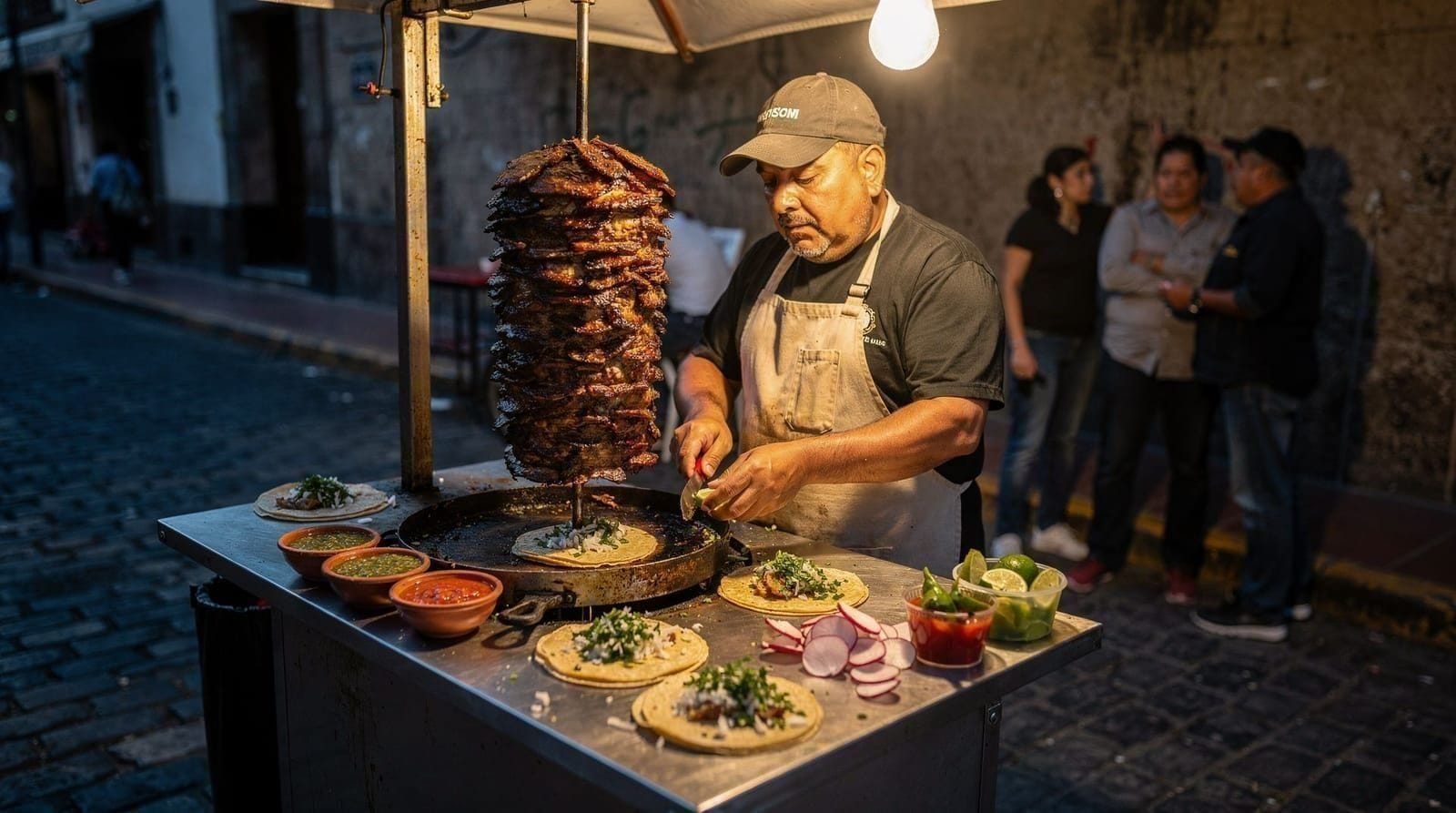
Mezcal and tequila are rarely enjoyed on their own in Mexico City — pairing with food is standard practice, and several evening food tours build a mezcal tasting directly into a broader tacos-and-drinks itinerary. If your primary interest is the spirits themselves rather than a full food crawl, a standalone tasting followed by dinner in Roma or Condesa achieves the same goal with more focus on the agave side. The Mexico City street food guide covers what pairs well — tacos al pastor and elote are both reliable mezcal companions.
Fitting a tasting into your trip
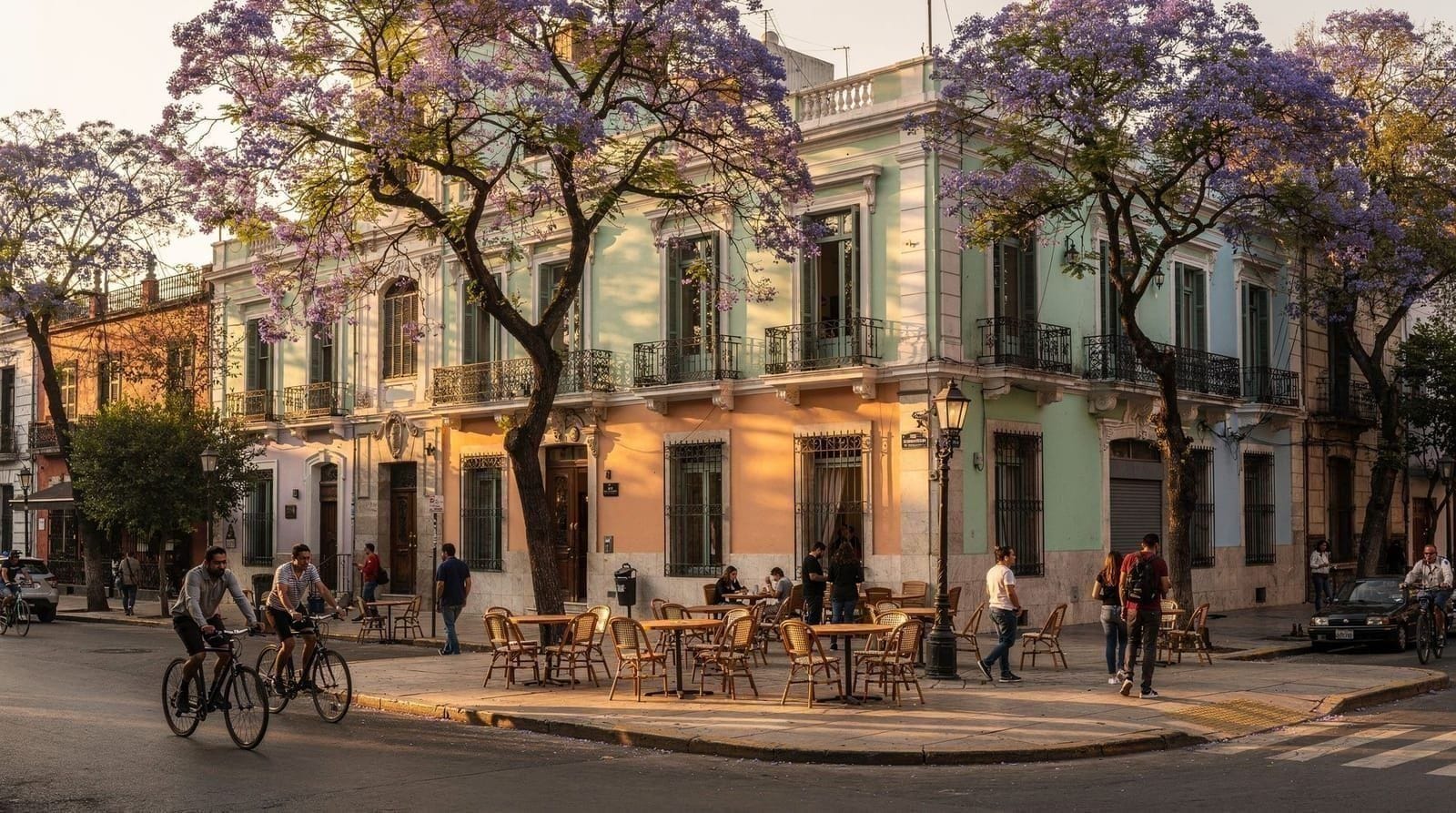
Most visitors do a mezcal or tequila tasting as a single evening activity rather than the centerpiece of a day. The 5-day Mexico City itinerary places an evening tasting alongside a daytime visit to Roma/Condesa, since the neighborhood context (galleries, cafés, and the mezcal bar scene) reinforces the same area. If Garibaldi’s mariachi square is already on your list for another reason, the museum tour with tasting is the most efficient way to combine both without an extra trip across the city.
Frequently asked questions about mezcal and tequila tastings
How much mezcal can I buy in Mexico City to take home?
Duty-free allowances vary by country. The US allows 1 liter per adult (federal). Mexico generally allows export of up to 3 liters per person. Many specialist mezcalerías in Mexico City sell NOM-certified bottles with producers’ documentation that facilitate customs declaration.
What is sal de gusano and should I eat it?
Sal de gusano (“worm salt”) is a traditional mezcal condiment — a mixture of ground dried maguey worm (not actually a worm but a moth larva), chile, and salt. The umami depth of the salt complements the smokiness of the mezcal. The “worm” is a protein, not a parasite. Try it; it is genuinely good.
Is tequila from Mexico City or just available here?
Tequila production is legally restricted to specific municipalities in Jalisco, Guanajuato, Michoacán, Nayarit, and Tamaulipas. Mexico City produces no tequila — it is a distribution and consumption hub, not a production region. Mezcal production is also not in Mexico City (the main states are Oaxaca, Durango, Guerrero, San Luis Potosí). Mexico City is where you access and learn about the full range.
Do I need to speak Spanish for a mezcal tasting tour?
No. All three options above operate with bilingual (Spanish/English) guides as standard. Confirm at booking for other languages.
Can I combine a tasting with a food tour on the same night?
Yes, though it makes for a longer evening. Several Mexico City food tours already include a mezcal component, so check what a food tour covers before also booking a standalone tasting — doubling up on samples in one night adds up quickly at altitude.
What is the difference between mezcal and tequila?
Both are agave spirits, but tequila is a protected designation of origin (DOO) that can only be produced from blue Weber agave in specific Mexican states (primarily Jalisco). Mezcal is broader — it can be produced from 30+ agave varieties across nine states, and the production methods are more artisanal and varied. The smoky character associated with mezcal comes from roasting the agave hearts (piñas) in underground ovens before fermentation; not all mezcals are heavily smoked. See the mezcal vs. tequila guide for the full comparison.
How many samples are typically included in a Mexico City mezcal tasting?
Most organized tastings in Mexico City include 3–6 samples. Premium tasting experiences include more, with pairing foods (sal de gusano, orange slices, chapulines). The museum tour with tasting typically includes 2–3 samples as part of a longer educational format.
Where is the best neighborhood for mezcal bars in Mexico City?
Roma Norte and Condesa have the highest concentration of quality mezcal bars — La Bipo (Álvaro Obregón 118), Bósforo (Luis Moya 31, Centro Histórico), and Expendio de Pulques Finos (various branches) are consistently recommended. The mezcal bar scene in Mexico City is sophisticated and well-supplied with artisanal producers.
Is it easy to drink too much on a mezcal tasting tour?
Yes. Mezcal runs at 40–55% ABV; even small pours are potent at 2,240 m altitude where alcohol hits harder than at sea level. Reputable tasting experiences pace the samples and include food. Budget your intake and drink water between pours.
Can I buy artisanal mezcal in Mexico City to take home?
Yes, but check your home country’s import allowances. Artisanal mezcal is available at specialized mezcalerías in Roma, Condesa, and the historic center. The advantage of buying in Mexico City is price (half or less of import-market prices) and variety (small-batch producers rarely available outside Mexico).
What is a mezcalería vs. a cantina vs. a pulquería?
A mezcalería specializes in mezcal and related spirits, usually with knowledgeable staff who can explain agave varieties and production methods. A cantina is a traditional Mexican bar serving all spirits plus beer and food — often cash only, often all-male traditionally, increasingly mixed. A pulquería serves pulque — fermented agave sap, the pre-Columbian beverage and predecessor of mezcal and tequila — which is not distilled and has lower ABV (4–8%).