Mezcal vs tequila: what to drink in Mexico City and why
Mexico City: Mezcal Tasting Experience
Duration: 1.5 hours
What is the difference between mezcal and tequila?
Both are agave spirits, but tequila is made exclusively from blue agave (Agave tequilana) in Jalisco and a few neighbouring states. Mezcal can use 40+ agave varieties, comes primarily from Oaxaca, and is mostly small-batch. The smoky flavour associated with mezcal comes from roasting the agave hearts (piñas) in underground pits before distillation. Tequila piñas are steam-cooked, producing a cleaner, less smoky spirit.
Agave spirits in Mexico: a genuinely complex subject
Mexico City is the best place in the world to drink mezcal outside the production regions of Oaxaca and Guerrero. CDMX draws producers, importers, and mezcal-obsessed bartenders from across the country, and the capital’s mezcalería scene is more sophisticated than almost anywhere outside Oaxaca city itself.
But it is also a place where tourist-facing venues charge $15 for a pour of commercial mezcal that the same person could buy at a petrol station for 80 MXN. Understanding the basics before you arrive saves money and improves your experience significantly.
This guide covers what you need to know about mezcal, tequila, and the broader agave spirits culture in CDMX — without assuming any prior knowledge.
| Where | Roma Norte (mezcalerías), Garibaldi (avoid overpriced bars) |
| Cost | Flight of 3–5 pours: 200–400 MXN |
| Best for beginners | Espadin mezcal, blanco tequila |
| Avoid | Mixto tequila, Garibaldi-adjacent mezcal bars |
| How to drink mezcal | Small sips, never shot |
Mezcal vs. tequila at a glance
| Tequila | Mezcal | |
|---|---|---|
| Agave | Blue agave only (Weber Azul) | 40+ varieties, wild and cultivated |
| Region | Jalisco (mainly) | Oaxaca (mainly), 8+ other states |
| Cooking method | Steam-cooked | Underground pit-roasted (source of smoke) |
| Production scale | Often industrial | Mostly small-batch/artisanal |
| Flavour range | Consistent, clean | Highly variable, terroir-driven |
| Typical ABV | 38–40% | 40–55%+ |
| Entry price (750ml) | 300–500 MXN (100% agave) | 300–600 MXN (artisanal espadin) |
The fundamental difference: raw material and production
Both mezcal and tequila are distilled from agave. That is where the simple comparison ends.
Tequila is a protected designation of origin product, similar to Champagne or Parmigiano-Reggiano. It must be made from blue agave (Agave tequilana, specifically the Weber Azul variety), grown primarily in Jalisco (with some production allowed in Guanajuato, Michoacán, Nayarit, and Tamaulipas). The agave hearts (piñas) are steam-cooked in ovens, shredded mechanically, fermented, and double-distilled in copper pot stills or stainless steel column stills. Large brands like José Cuervo and Patrón use highly industrialised processes; craft tequila producers use more traditional methods.
Mezcal has a much broader definition. Any agave spirit from the designated production regions (Oaxaca, Durango, Guerrero, Puebla, Michoacán, Guanajuato, Tamaulipas, San Luis Potosí, and Zacatecas, with more regions being added) that uses traditional production methods qualifies as mezcal. The agave piñas are roasted in underground pits lined with volcanic rocks and wood — this step creates the characteristic smokiness. Fermentation is with wild yeasts in open wooden vats or animal hides. Distillation in clay pots or copper alembics. Most artisanal mezcal production remains small-batch or family-scale.
The result: tequila is consistent, clean, and industrially reliable. Mezcal varies enormously depending on producer, agave species, terroir, and production method — much more like natural wine than mainstream spirits.
The agave species question
The variety of agave used shapes mezcal’s flavour more than almost any other factor. Mexico has approximately 200 agave species; around 40 are currently used for mezcal production.
Espadin (Agave angustifolia): The workhorse. 80% of mezcal production. Matures in 7–10 years, cultivated rather than wild. Flavour profile ranges from earthy-smoky to fruity-clean depending on producer and region. This is your starting point for mezcal drinking.
Tobalá (Agave potatorum): Wild agave, matures in 15–25 years, grows naturally in mountain forests. Lower yield, higher cost. Flavour: floral, mineral, less smoke than espadin. Generally more expensive (150–250 MXN per 50ml pour at quality venues).
Tepeztate (Agave marmorata): Wild, grows on steep rocky hillsides, matures in 25–35 years. Intense, herbal, long finish. One of the most complex mezcals available. Expensive and not always in stock even at specialist mezcalerías.
Arroqueño (Agave americano): Coastal variety from the valley of Oaxaca. Dense, sweet, earthy. Matures in 25+ years.
Tobaziche / Madrecuixe: Wild varieties in the Agave karwinskii family. Tall, slow-growing plants producing lean, herbal spirits with characteristically long finish.
Tequila: what is actually worth drinking
Most of what is sold as tequila at tourist venues is mixto — a blend of at least 51% blue agave sugars with other sugars (often cane), flavourings, and caramel colouring. Mixto is what goes into mass-market margaritas and is what causes the headaches attributed to “tequila.” Real 100% agave tequila is significantly different.
Within 100% agave tequila, the categories:
- Blanco/plata: Unaged or rested up to 60 days. The clearest expression of the agave flavour. Best for tasting the raw material.
- Reposado: Rested 2–12 months in oak barrels. Smoothed by the wood but still agave-forward.
- Añejo: 1–3 years in oak. More vanilla, caramel, and wood character; less agave pungency.
- Extra añejo: Over 3 years. Closest to Scotch whisky in style; the agave is largely replaced by wood-aging flavours.
In CDMX, quality tequila bars in Polanco and Roma carry craft producers like Tapatio, Siete Leguas, Fortaleza (Tequila Herradura’s old distillery), and El Tesoro — all made by traditional methods with 100% blue agave. If a bar’s cheapest tequila is Cuervo Gold, manage your expectations accordingly.
Where to drink mezcal in Roma Norte
Roma Norte is the centre of CDMX’s craft spirits scene. Key mezcalerías:
La Clandestina (Avenida Álvaro Obregón 298): The most-cited mezcal bar in Roma. Casual format, knowledgeable bartenders, a serious list of small-production mezcals, good sal de gusano. Arrive before 9pm to get a seat.
Pare de Sufrir (Tonalá 101, Roma Norte): Relaxed neighbourhood mezcalería with a strong selection of espadin and wild-agave varieties. Food menu includes memelitas and quesadillas, which pairs well with mezcal.
Bósforo (Luis Moya 31, Centro): One of the older serious mezcal bars, in Centro rather than Roma. Gets crowded but the mezcal list is excellent and the prices are fair for the quality.
Expendio de Pulques Finos (Moctezuma 25, Centro): For the pulque experience alongside mezcal — a traditional pulquería serving natural pulques in the old style. Not a tourist venue; genuinely local.
Timing your mezcalería visit: Most Roma Norte mezcalerías get busy from 9pm, especially Thursday to Saturday. Arriving between 6pm and 8pm gets you a seat, an unhurried bartender who can talk through the options, and often a better selection before the evening’s popular pours run out. This is also the best window to ask questions if you’re new to mezcal — a quiet bar has time to walk you through a proper flight.
Guided mezcal experiences
For visitors who want guided immersion in the mezcal world, several structured tasting options exist. The quality varies significantly.
The Mezcal Tasting Experience is a 90-minute guided tasting covering different agave varieties and production methods, led by a mezcal educator. This is a solid introduction format for visitors with no prior mezcal knowledge.
The Tequila and Mezcal Museum Tour with Tasting combines a visit to the Museo del Tequila y el Mezcal at Plaza Garibaldi with a guided tasting. The museum itself is modest in depth, but the tasting component is educational. Better for tequila-curious visitors than serious mezcal drinkers — the museum’s emphasis is on the broader agave category.
The Tequila and Mezcal Tasting in a Unique Speakeasy Space is a 2.5-hour format in a more theatrical setting. The focus is on the tasting experience rather than the venue’s history, and the guide-to-drinker ratio is better than museum tours. Worth considering for visitors who want a social experience rather than a lecture.
Honest warning about Garibaldi-area mezcal venues: The bars directly on Plaza Garibaldi, adjacent to the mariachi experience, charge tourist prices for mediocre commercial mezcal. This is a known tourist trap — see the Garibaldi guide for honest advice on avoiding it.
Pulque: the ancestor of everything
Before mezcal and tequila, there was pulque — the fermented sap of the maguey plant, consumed in central Mexico since at least 200 AD. Pulque is not distilled; it is fermented sap, drunk fresh, with a shelf life of 24–48 hours. Commercial pulque is pasteurised and lacks the depth of fresh pulquería versions.
Traditional pulquerías serve curados — fresh pulques flavoured with fruits, seeds, or vegetables. Guayaba (guava), piñón (pine nut), apio (celery), and opio are classic curado flavours. The alcohol content is 4–8%, similar to a strong beer.
CDMX pulquerías to know: Expendio de Pulques Finos (Centro), La Paloma Azul (Roma Norte, historic building), Las Duelistas (Tepito — requires day caution and local knowledge). A large jarra (jar) of pulque runs 40–80 MXN.
Buying bottles to take home
The best places in CDMX to buy quality mezcal at honest prices:
La Naval (Álvaro Obregón 107, Roma Norte): A specialist spirits shop with a curated mezcal selection, knowledgeable staff, and prices that reflect actual production cost. Ask for their recommendations in your price range.
Mercado de Artesanías de la Ciudadela: Craft market vendors sell mezcal alongside crafts, but quality and authenticity vary. Check the label for “100% agave,” the producer name, and the village of origin — legitimate artisanal mezcals have detailed labelling.
Duty-free at MEX airport: Better than nothing but limited selection. If you want to bring home a specific producer, buy it in the city.
Typical retail prices in CDMX for 750ml bottles: Artisanal espadin: 300–600 MXN. Artisanal wild agave (Tobalá, Tepeztate): 600–1,500 MXN. Ancestral mezcals: 800–2,500+ MXN.
If you’re travelling with checked luggage only, wrap bottles well — shops selling to visitors are used to this and often provide bubble-wrap sleeves on request. If you’re carry-on only, the duty-free limit applies and it’s usually simpler to buy at the airport on departure rather than trying to carry an opened bottle through security.
Mezcal cocktails: worth exploring
CDMX’s bar scene has developed mezcal cocktails significantly. The mezcal Negroni (mezcal replacing gin) is a reliable order at any quality bar — the smoke and bitterness are complementary. Mezcal margarita (mezcal, lime, triple sec) works well with a smoky espadin. Mezcal sour variations appear on most creative cocktail menus.
The Paloma is Mexico’s most popular cocktail: tequila with grapefruit soda (Squirt or Jarritos) and a salt rim. Underrated internationally, ubiquitous locally. Try it at a traditional cantina before attempting the craft cocktail versions.
Pairing mezcal and tequila with food
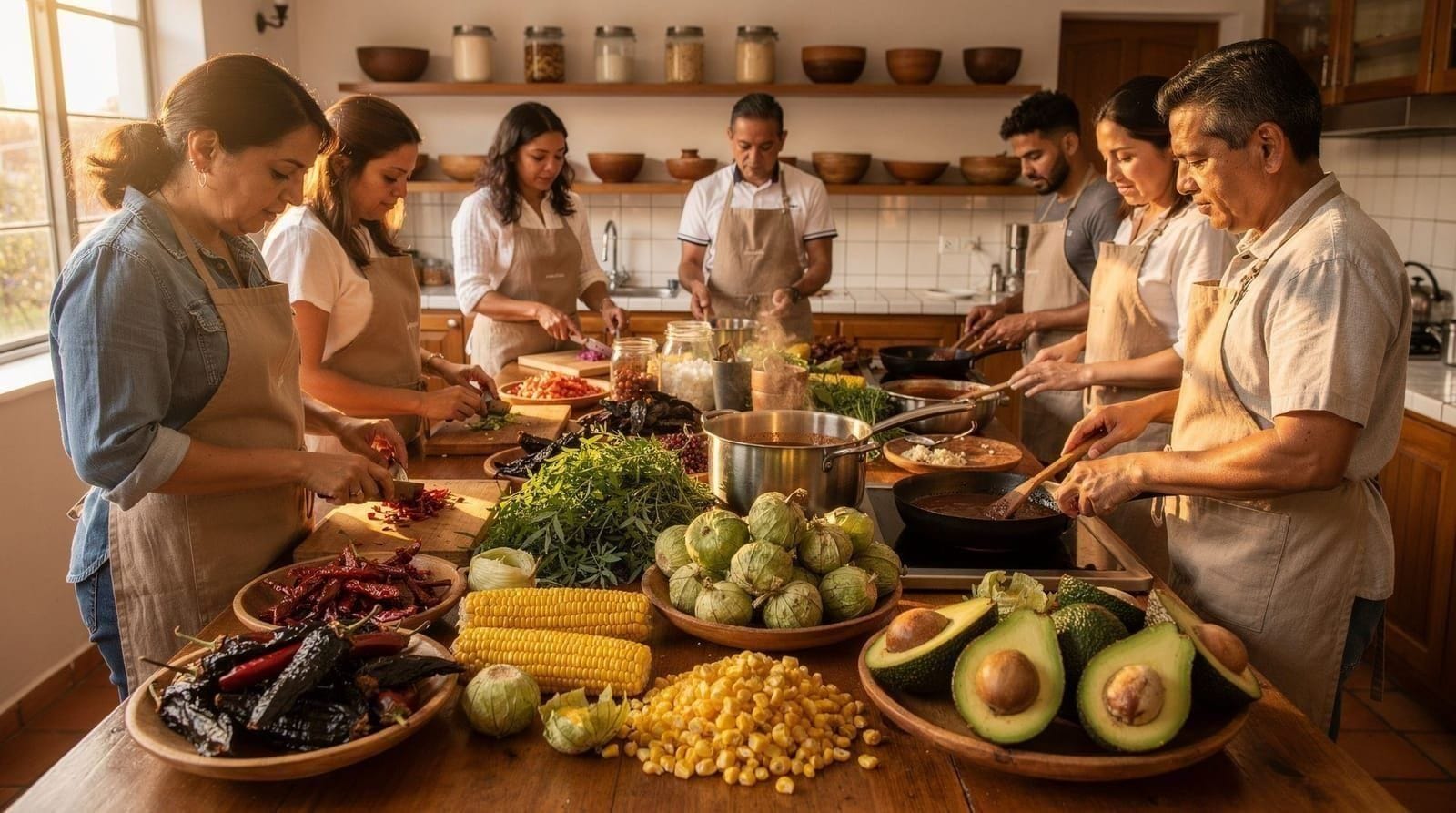
Agave spirits are not just an after-dinner drink in CDMX — they’re increasingly built into the meal itself. A dark, smoky mezcal pairs naturally with the street food guide’s richer dishes: mole negro, barbacoa, and chapulines (toasted grasshoppers, often served with lime and chilli as a mezcal snack in their own right). Tequila blanco, with its cleaner agave character, pairs better with lighter dishes — ceviche, fish tacos, and citrus-forward salsas. If you’re doing a cooking class or a market food tour, ask whether a spirits pairing is included; several operators now build a short mezcal or tequila tasting into a broader culinary experience.
Sustainability and the agave shortage
A conversation worth having before you buy: wild agave varieties (Tobalá, Tepeztate, Madrecuixe) take 15–35 years to mature, and demand for mezcal has grown faster than sustainable harvesting practices in some regions. Reputable producers and shops increasingly label bottles with harvest information and support agave replanting programs; asking a shop like La Naval whether a specific wild-agave bottle comes from a sustainably managed source is a reasonable question, and increasingly, one that knowledgeable staff can actually answer. Espadin, being cultivated rather than wild-harvested, carries less of this pressure and is a reasonable default choice if sustainability is a concern.
Fitting agave spirits into your Mexico City days
Mezcal and tequila work best as part of a wider day rather than a stand-alone mission. Pairing a tasting with a stroll through Centro Histórico in the afternoon, then moving to Roma Norte for the evening, keeps the pace relaxed and the bar choices sensible. If you are still deciding where to base yourself, where to stay in Mexico City explains why Roma and Condesa put the best mezcalerías on your doorstep.
Strong spirits and a high-altitude city are a combination worth respecting. The altitude guide explains why your first evenings are better spent sipping slowly, drinking water between pours, and saving the adventurous wild-agave bottles for later in the trip.
Markets are another good place to learn. The markets guide covers where to browse local food and crafts, and a market lunch is a natural way to line your stomach before an evening tasting. For a more structured food-led day, the best food tours comparison shows which formats are worth booking.
Staying out of trouble around agave spirits
Most problems with mezcal and tequila in the capital are about money, not safety: inflated bills, unlabelled bottles, and venues that pour whatever is cheapest. The tourist traps guide and the common scams guide both apply here. Ask for the price before you order, check the label on any bottle you buy, and get home by app rather than hailing a street cab late at night. If you plan a longer evening, the is Mexico City safe guide covers sensible habits for after dark.
Frequently asked questions about mezcal vs tequila
Which is stronger, mezcal or tequila?
Tequila is typically 38–40% ABV (alcohol by volume). Artisanal mezcals range from 40–55% ABV — many traditional mezcals are bottled at natural distillation proof (48–55%) without water dilution. Ancestral clay-pot mezcals can reach 60% ABV. Always check the label.
Why does cheap mezcal make people sick?
Commercial “mezcal” may contain additives (sweeteners, caramel, artificial smoke flavouring) that are permitted in the industrial mezcal category. Artisanal and ancestral mezcals prohibit additives by regulation. Hangovers from commercial mezcal are comparable to any cheap spirit. Quality artisanal mezcal, consumed in reasonable quantities, is no worse than any other quality spirit.
What food pairs well with mezcal?
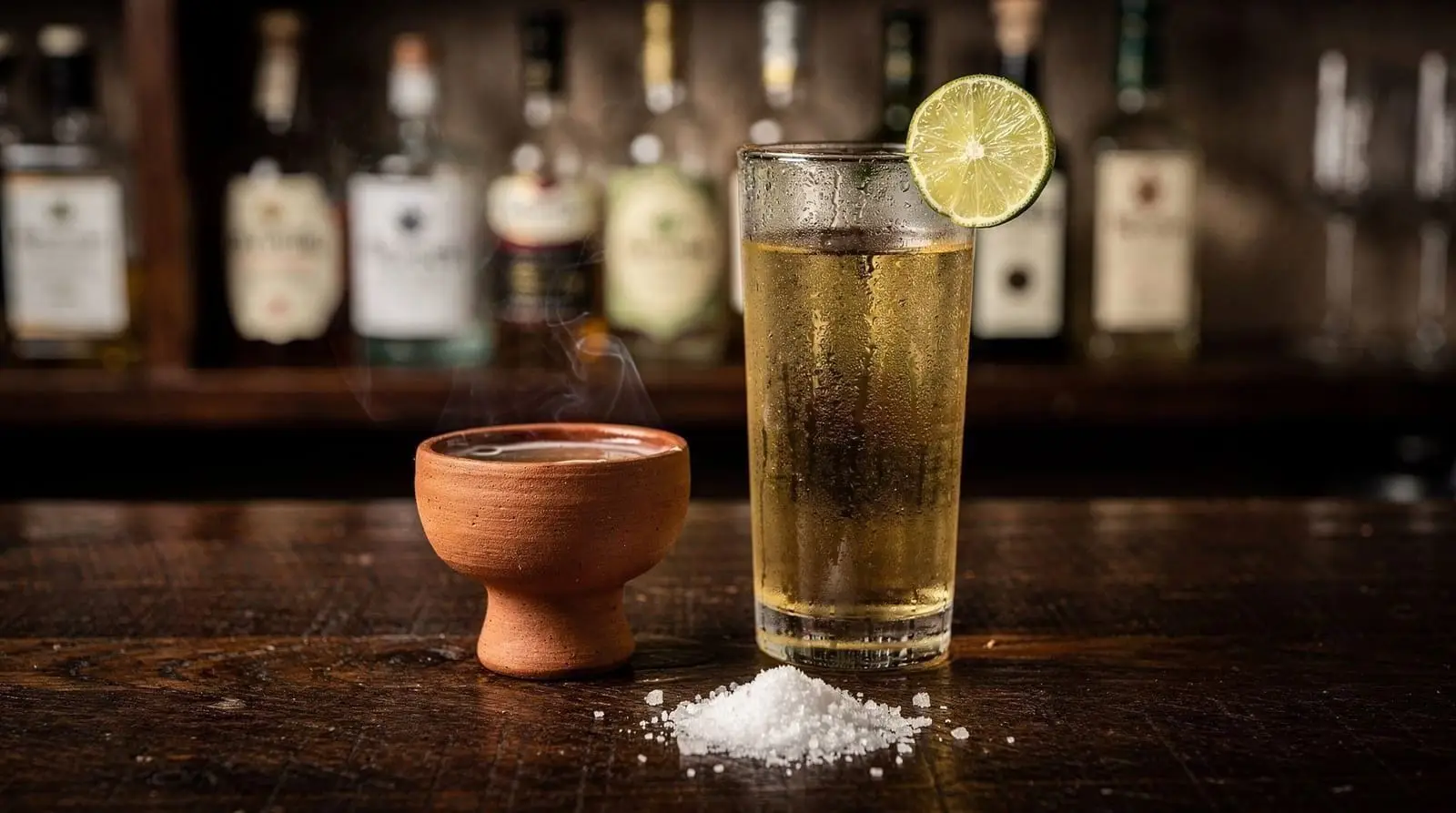
Mezcal pairs naturally with the smoky, chilli-forward flavours of Mexican food. Dark mole, barbacoa, chapulines (grasshoppers), and quesadillas de huitlacoche all work well. The salted orange slice and sal de gusano served with mezcal are the traditional pairing — the citrus and salt reset the palate between sips.
Is the worm in mezcal bottles real?
The “worm” (gusano de maguey) is a moth larva that parasitises agave plants. It appears in some mezcal bottles as a marketing tradition from the 1950s, not as a sign of quality. Most quality artisanal mezcal producers do not put worms in their bottles. Sal de gusano (worm salt) — ground dried larvae with salt and chilli — is a legitimate condiment and enhances the mezcal-drinking experience.
Where can I learn about mezcal production in Mexico City?
Museum options are limited in CDMX. The Museo del Tequila y el Mezcal at Garibaldi is a starting point but does not go deep. For serious mezcal education, the guided tasting experiences at mezcalerías like La Clandestina or a structured mezcal tasting tour with an educator provides better depth than any museum.
Is all mezcal smoky?
No. The smokiness in mezcal comes from wood-pit roasting of the agave piña before fermentation. Some mezcals are intensely smoky; others are floral, fruity, and barely smoky depending on the agave variety, the wood used for roasting, and the distillation method. Tobalá agave mezcals tend toward floral notes; espadin (the most common) varies widely; tobaziche and madrecuixe are often more herbal. Ask for a flight to compare.
Where should I drink mezcal in Mexico City?
Roma Norte has the highest concentration of quality mezcalerías: La Clandestina (Avenida Álvaro Obregón), Bósforo (Luis Moya, Centro), Pare de Sufrir (Roma Norte), and many others. Avoid mezcal bars in tourist-heavy areas near the Zócalo that sell low-quality mezcal at premium prices to uninformed visitors. In a good mezcalería, the bartender should be willing to let you smell several options before ordering.
What is a mezcal tasting flight and what should it cost?
A flight of 3–5 mezcals (25ml portions) at a quality mezcalería runs 200–400 MXN (USD 12–23). Each pour comes with an orange slice and sal de gusano (worm salt — a mixture of salt, chilli, and ground moth larvae). The ritual is to sip, not shoot. Anything priced below 150 MXN for a ‘mezcal flight’ is likely using commercial mezcal with additives; real artisanal mezcal costs more to produce.
What are the main agave varieties used in mezcal?
Espadin (Agave angustifolia) accounts for roughly 80% of mezcal production and is the most common. Other notable varieties: Tobalá (wild agave, takes 15–25 years to mature, more expensive, floral notes), Tepeztate (wild, 25–35 years, complex and herbal), Madrecuixe (similar wild maturation period, long finish), and Tobaziche. Wild agave varieties cost significantly more because of their maturation time and lower yield.
What is pulque and how does it relate to mezcal and tequila?
Pulque is fermented (not distilled) agave sap from the maguey plant — a precursor tradition to mezcal. It is low-alcohol (4–8%), sour, slightly viscous, and has been consumed in central Mexico since pre-Columbian times. Mezcal and tequila are distilled spirits made from cooked agave hearts. Pulque is made from the live plant’s sap without cooking or distilling. All three are agave products but the process and result are completely different.
Should I buy mezcal to take home from Mexico City?
Yes, with caveats. Artisanal and ancestral mezcals are significantly cheaper at the source than when exported. Reputable shops in CDMX (La Naval in Roma, Mezcaloteca in Oaxaca when visiting, and specialty bottle shops in Polanco) carry verified single-village productions that do not export to most countries. Check your country’s duty-free liquid limit: most countries allow 1 litre duty-free, and 2 litres with duty payment.
What is ‘ancestral mezcal’ and is it worth the premium?
Mexican regulation divides mezcal into three categories: mezcal (industrial), artisanal mezcal (small-batch, traditional methods), and ancestral mezcal (strictest traditional methods including clay pot distillation and no industrial equipment). Ancestral mezcals are the rarest and most expensive — 600–2000+ MXN per bottle. The flavour complexity justifies the premium for serious spirit drinkers; for casual drinkers, a good artisanal espadin at 300–500 MXN is a better starting point.
Is it true you should not shoot mezcal?
In mezcal culture, shooting (drinking in one gulp) is considered a waste and slightly disrespectful to the craft. The correct way is small sips, letting the spirit coat the palate, with slow inhalation through the nose as you exhale after each sip. This is not pretension — mezcal has complex flavour compounds that shot-drinking completely bypasses. Tequila shots with lime and salt are a different tradition and fine in that context; mezcal functions differently.
Top experiences
Bookable activities with verified prices and instant confirmation on GetYourGuide.