Is Mexico City safe? An honest 2026 guide
Mexico City: 3-Hour Polanco Food Tour
Duration: 3 hours
Is Mexico City safe to visit?
Yes — with street smarts. The tourist neighbourhoods (Roma, Condesa, Polanco, Coyoacán, Centro Histórico by day) have safety levels comparable to other large Latin American capitals and are visited by millions of tourists each year without incident. The main risks are opportunistic theft and scams rather than violence. Specific areas warrant genuine caution after dark, and a handful of neighbourhoods should be avoided entirely.
The honest baseline: safer than the headlines suggest
Mexico City has a reputation — partly deserved, partly the product of US media coverage that conflates all of Mexico into a single monolithic danger zone. The reality for tourists in the visitor-facing neighbourhoods is considerably more mundane: millions of international visitors come to Mexico City every year, and the vast majority experience nothing worse than a minor pickpocket attempt or an overcharged taxi.
That said, Mexico City is not a zero-risk destination. It is a megacity of 22 million people with significant inequality and organised crime operating in specific sectors. Pretending otherwise would be dishonest. The goal of this guide is to give you an accurate, neighbourhood-specific picture so that you can travel with appropriate awareness rather than either false confidence or unnecessary fear.
| Overall risk | Comparable to other large Latin American capitals; mostly petty theft and scams |
| Safest bases | Roma, Condesa, Polanco, Coyoacán |
| Biggest single rule | Never hail a street taxi — use Uber/DiDi or a Sitio taxi |
| Areas to skip | Tepito, Iztapalapa, Ciudad Neza |
| Emergency number | 911 (nationwide); Locatel 5658-1111 for non-emergencies |
Safety is also a matter of timing and pacing. The best time to visit guide explains how the seasons change crowds and daily rhythm, and the guide to how many days to spend helps you avoid rushed, tired days, which is when most mistakes happen. If you would rather follow a ready-made plan that keeps you in the comfortable neighbourhoods, the 3-day itinerary is built that way. Readers who want a more personal account can also compare this guide with our 2026 safety notes and the first-timer mistakes post.
Neighbourhood safety at a glance
| Neighbourhood | Daytime | After dark |
|---|---|---|
| Roma Norte/Sur | Safe | Safe until ~midnight on main streets |
| Condesa | Safe | Safe until ~11pm, quieter than Roma |
| Polanco | Very safe | Very safe, heavily secured |
| Centro Histórico | Safe, heavily policed | Caution after 9pm, side streets sparse |
| Coyoacán | Safe | Safe until ~10pm near the plazas |
| San Ángel | Safe | Quiet after 9pm |
| Chapultepec Park | Safe | Avoid |
| Tepito | Avoid | Avoid |
| Doctores/Obrera | Caution | Avoid outside Arena México area |
| Xochimilco canals | Safe | Limited evening activity |
Neighbourhood-by-neighbourhood safety assessment (2026)
Roma Norte and Roma Sur — SAFE
Roma is Mexico City’s most popular neighbourhood for international first-timers and is among the safest places in the city for tourists. Dense street-level activity (cafés, restaurants, galleries, independent shops) creates natural surveillance throughout the day and into the evening. Well-lit main streets. Regular police patrols on the main avenues.
The main risks in Roma are pickpocketing in crowded market spaces (particularly around Mercado Medellín on weekends) and the occasional motorbike theft of phones from people using them visibly on the street. Keep your phone in your pocket when not actively using it.
Night safety: Roma is active until midnight or later on weekends. Walking on Álvaro Obregón, Orizaba, and the streets around Plaza Luis Cabrera is fine until 11:00 pm–midnight. After that, take a ride.
Bottom line: Roma is the recommended base for first-timers for good reason. Where to stay guide covers hotel options.
Condesa — SAFE
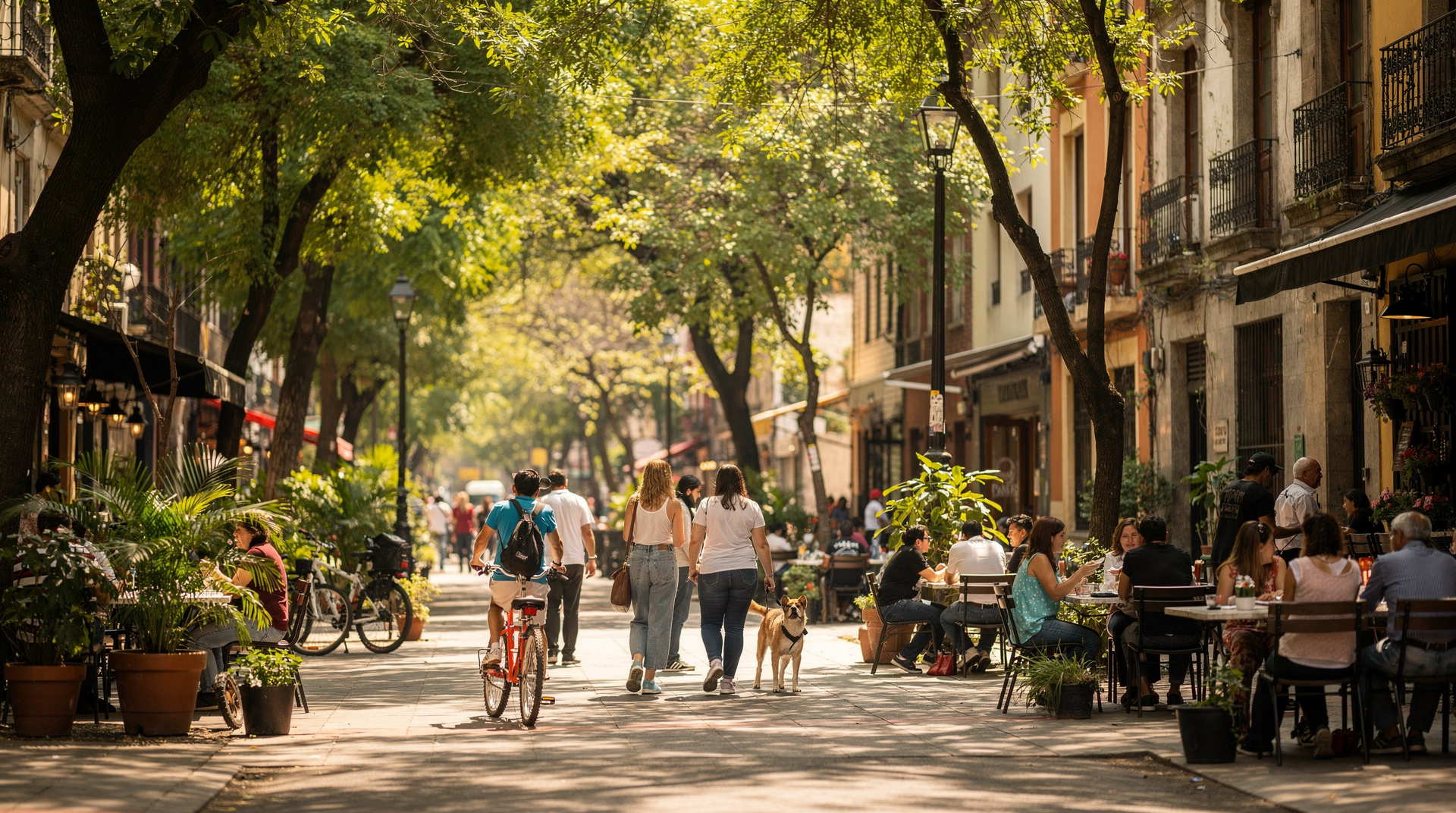
Adjacent to Roma and with a similar character: tree-lined residential streets, active café culture, Parque México as the social heart. Condesa is slightly quieter than Roma at night (more residential, fewer late-night bars on main streets) but equally safe for tourists.
Avenida Amsterdam — the famous jacaranda boulevard — is well-lit and actively patrolled. The main cluster of restaurants around Tamaulipas and Campeche streets maintains a good evening scene.
Particular note: Condesa has had occasional motorbike robberies targeting phones and laptops at outdoor café tables. Sit away from the street edge when using devices and be mindful of your bag.
Bottom line: Excellent neighbourhood for tourists. Very walkable to Roma.
Polanco — SAFE (upscale, corporate)
Polanco is Mexico City’s wealthiest neighbourhood — embassies, luxury hotels, Masaryk Avenue’s designer brands, and the Presidente Intercontinental as a landmark. Security here is high: many businesses have private security, the streets have excellent lighting, and the demographic skews to business travellers and affluent locals.
The proximity to Chapultepec Park means tourists visiting the National Museum of Anthropology, the Zoo, or the Castle are naturally in this area. The main safety note for Polanco is the same as all upscale districts everywhere: visible wealth (expensive camera, jewelry, luxury bag) attracts street theft. Dress reasonably down for daytime sightseeing.
If you want to eat well here without choosing restaurants blind, a guided food tour through Polanco keeps you with a local guide and a group, which suits first-timers and solo travellers who prefer company in an unfamiliar area.
Bottom line: Very safe. Not the most characterful neighbourhood (can feel generic and corporate) but excellent base for Chapultepec attractions.
Centro Histórico — SAFE DAYTIME, CAUTION AFTER DARK
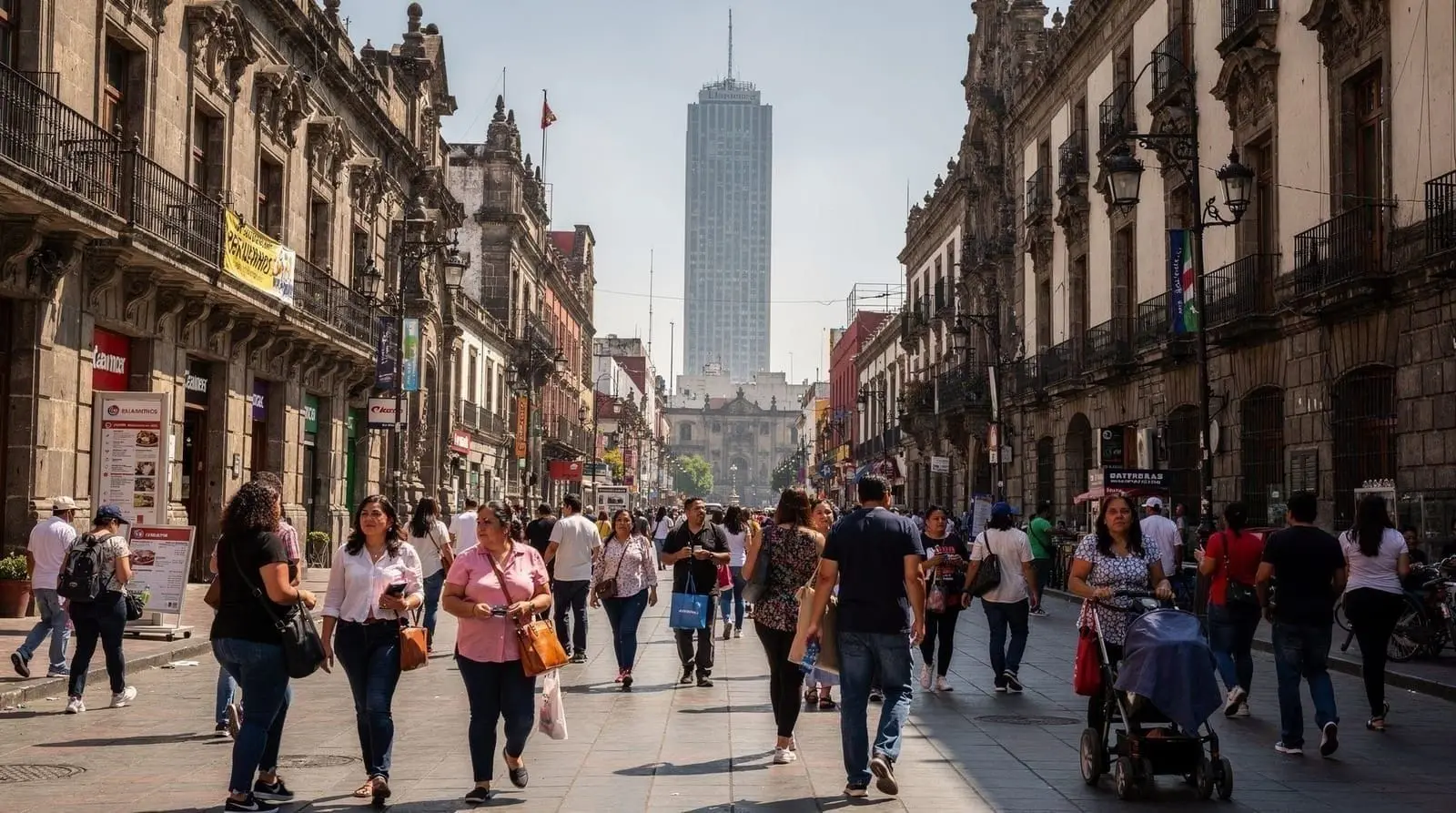
Centro is the historic heart of the city — the Zócalo, Templo Mayor, the National Palace, the Metropolitan Cathedral, and the pedestrian street Madero. Daytime in Centro is safe and heavily policed; the Zócalo square and its immediate surroundings have consistent police presence.
After dark (beyond 9:00 pm), the character shifts. The main pedestrian streets retain some activity, but the side streets become poorly lit and sparse. Reports of mugging on side streets after dark are common enough to take seriously. The main tourist sites close by 6:00–7:00 pm, so there is limited reason to be deep in Centro after 8:00 pm anyway.
Street crime: pickpocketing around the Zócalo market stalls, fake police scams near the cathedral (see the scams guide), and aggressive vendors near major sites are all common. Stay aware.
Bottom line: Essential to visit — don’t let caution keep you away. Plan Centro visits for mornings and early afternoons. Take an Uber back to your hotel in the evening.
Coyoacán — SAFE
The colonial southern neighbourhood where Frida Kahlo lived is well-maintained, tourist-friendly, and safe. The main plaza (Jardín Hidalgo and Jardín Centenario) has a relaxed village atmosphere, outdoor cafés, craft market stalls, and regular weekend foot traffic from Mexico City families.
Evening in Coyoacán is pleasant: the restaurants around the market and the main plazas are active until 10:00 pm. After that, the neighbourhood quiets quickly and streets outside the tourist core are poorly lit. Take a ride home rather than walking to remote streets.
Bottom line: Safe and recommended. See the Coyoacán walking guide for a detailed route.
San Ángel — SAFE
Similar character to Coyoacán — colonial, residential, popular on Saturday for the Bazar del Sábado. Safe daytime and evening. Less late-night activity than Roma/Condesa, which makes it quieter after 9:00 pm.
Chapultepec Park — SAFE (daytime), AVOID AT NIGHT
The park itself (Bosque de Chapultepec) is a major public green space and is safe during daylight hours. Families, joggers, and museum visitors create active public spaces throughout the day. At night the park is poorly lit, not patrolled effectively, and should be avoided.
Tepito — AVOID
Tepito is a neighbourhood northeast of Centro with a significant market selling counterfeit goods and a documented presence of organised crime. Robberies targeting visitors are common. There is no tourist reason to visit Tepito — nothing there is not available elsewhere in the city more safely.
Doctores and Obrera — CAUTION
South of Centro, these working-class neighbourhoods are generally fine during the day in the commercial areas. Arena México (home of lucha libre) is in Doctores — arriving by Uber, attending the show, and leaving by Uber is fine and commonly done. Walking around the neighbourhood outside the immediate arena area at night is not advisable.
Iztapalapa and Ciudad Neza — NOT TOURIST AREAS
These large peripheral municipalities east of the city centre have high crime rates and no major tourist attractions. They are not on any visitor itinerary. If you have no reason to be there, don’t go.
Xochimilco — SAFE FOR THE CANALS, CAUTION IN PERIPHERY
The canal zone and the main embarcaderos (boat departure points) at Xochimilco are safe for tourists and well-visited. The trajinera experience is mainstream and runs smoothly. The residential areas of Xochimilco municipality outside the tourist canal zone have a different character and you should not be wandering there on foot.
Where to read more about each area
If a particular district is on your list, the destination pages go deeper on what it feels like on the ground: Centro Histórico, Chapultepec and Polanco, and Xochimilco. For the canals specifically, the complete Xochimilco guide covers how to choose a departure point and what the day usually looks like.
Transport safety: the single most important rule
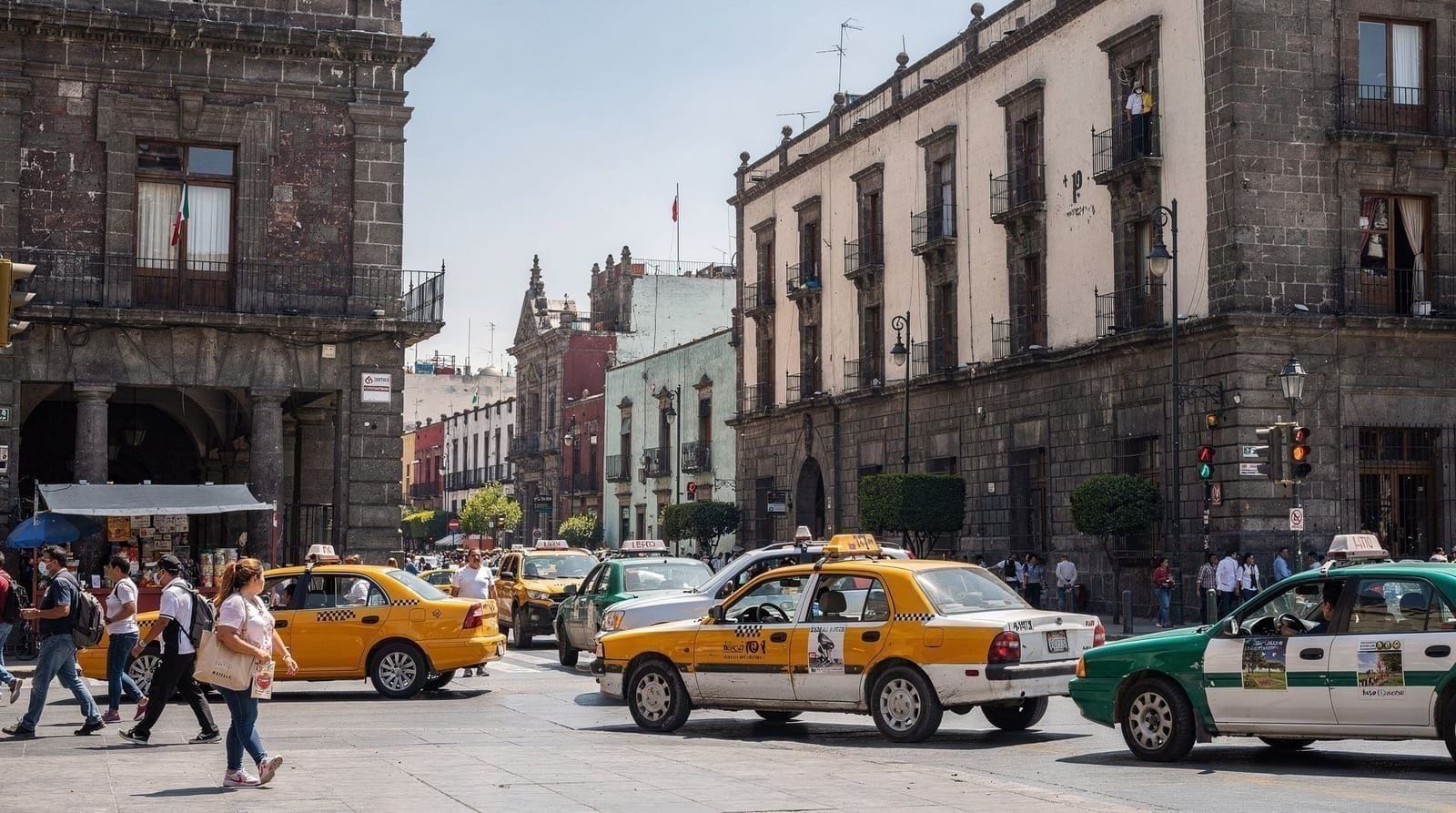
Never take an unmarked taxi hailed from the street. This cannot be overstated. Street taxis — called “libres” — are the single most common vector for “express kidnapping”: a criminal practice where tourists are driven to ATMs and forced to withdraw cash. This has happened repeatedly in Mexico City. The solution is simple and costs the same:
- Use Uber or DiDi for all journeys. The app shows your driver’s name, plate, and rating. Both apps work reliably across tourist neighbourhoods.
- At the airport: follow the official GCA (Ground Transportation) signs to the authorised Uber/DiDi pickup zone or the official Transporte Terrestre taxi stand with fixed zones rates.
- At major hotels, shopping centres, and the airport: authorised Sitio taxis (with radio dispatch, fixed numbers) are also safe.
The airport to city centre guide covers airport transport in detail, and the broader getting around guide explains how the metro, Metrobús and ride-hailing apps fit together once you are in the city. Whichever option you choose, check the car and plate against the app before you get in, and share your trip with someone you trust if you are travelling alone.
ATM safety
- Use ATMs inside banks (banco), shopping centres, or hotel lobbies rather than standalone street machines.
- Cover your PIN when entering it.
- Decline “help” from anyone hovering near the ATM.
- Check for card skimming devices (a loose plastic attachment over the card slot that wiggles when you tug it).
- Withdraw what you need, not excess cash you will carry around.
What scams actually look like
The Mexico City scams guide has full detail, but the key ones to recognise immediately:
Fake police: Two people in plain clothes approach and say they are police officers investigating counterfeit money or drugs. They ask to see your wallet to “inspect” the bills. Real police do not conduct financial inspections of tourists on the street. Walk away calmly.
Distraction theft: Someone bumps into you, drops something, asks for help — a partner takes your bag or phone. Classic in crowded metro stations and around the Zócalo market area.
Restaurant overcharging: Some tourist-facing cantinas and restaurants near the Zócalo present inflated bills or add items not ordered. Check your bill itemised before paying.
Health and medical safety
Beyond crime, the two health factors that catch visitors off guard are altitude and food/water. Mexico City sits at roughly 2,240m, and mild altitude effects (breathlessness on stairs, faster fatigue, occasional headaches) are common in the first day or two — see the altitude guide for what’s normal and what warrants medical attention. Tap water is not recommended for drinking; stick to bottled or filtered water, which is the norm citywide, and see the tap water and food safety guide for the fuller picture on street food risk, which is lower than reputation suggests if you follow basic vendor-selection rules.
Earthquakes are a real but low-probability risk — Mexico City sits in a seismically active zone and buildings are built to modern codes since the 1985 earthquake prompted stricter regulation. If you feel shaking, the standard advice (get under a sturdy table or in a doorway, away from windows, then move to open ground once shaking stops) applies.
The city’s public earthquake alert system sounds a distinctive siren tone before major shaking arrives in many cases, giving seconds of warning. Hotels in the main tourist neighbourhoods are generally modern or retrofitted; if you’re curious, ask reception about the building’s earthquake protocol on check-in, which is standard practice for Mexico City residents themselves and nothing that will strike staff as an odd question.
Safety for LGBTQ+ travellers
Mexico City is one of Latin America’s most LGBTQ+-friendly capitals, with same-sex marriage legal nationally and an active, visible scene concentrated in Zona Rosa. Roma, Condesa, and Zona Rosa are all comfortable for same-sex couples showing affection in public, though the same “read the room” caution that applies in most world cities is sensible outside these areas. Zona Rosa specifically hosts the city’s main LGBTQ+ nightlife district and the annual Pride march, one of the largest in Latin America.
Staying safe at the most popular experiences
Some of the city’s best-loved outings happen in the evening or in crowds, so a little preparation goes a long way. For a night of wrestling, the lucha libre guide explains how to get there and back without wandering the surrounding streets. The Garibaldi mariachi guide is worth reading before an evening in that square, where staying with your group and arranging your ride home in advance is the sensible approach.
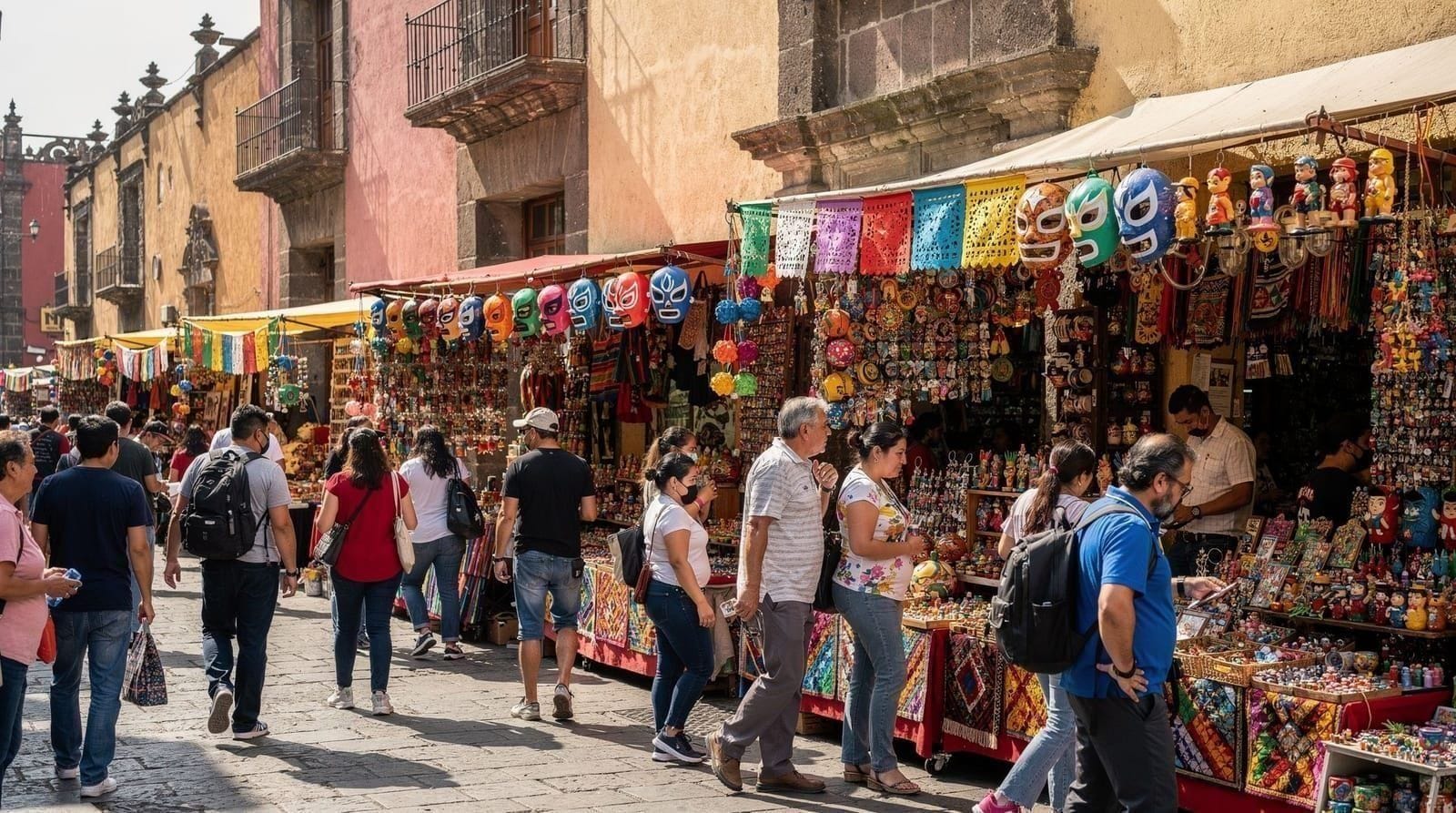
In busy markets, keep your bag in front of you and your phone out of sight; the markets guide points to the places that suit first-time visitors. For food, the street food guide shows how to pick busy stalls with a steady stream of locals. Travelling as a family adds its own planning: the Mexico City with kids guide covers the practical side.
Safety apps and practical tools
Emergency number: 911 (works nationwide for police, fire, medical)
Locatel: Mexico City’s non-emergency municipal line: 5658-1111. English-speaking operators available.
US Embassy in Mexico City: +52 55 5080-2000. Many other nations have embassies near Reforma and Polanco.
Uber/DiDi: Download before you arrive. Keep payment method set up in the app. These are your primary safety tools for transport.
Realistic summary
Mexico City is a safe tourist destination for the vast majority of visitors. The most likely negative experience is petty theft — a pickpocketed phone, a scam taxi driver, a padded restaurant bill. These are inconvenient but not dangerous.
Violent crime targeting tourists is rare in the neighbourhoods described as safe above. Keep your wits about you, use app-based transport, don’t display expensive equipment unnecessarily, and avoid the specific areas flagged above. With those precautions, Mexico City is a city that rewards exploration and engagement rather than caution.
The best introduction to Mexico City — and one that gives you immediate geographic orientation — is a guided walking tour of the historic centre. The Historic Downtown Walking Tour covers the Zócalo area with a local guide who will also give you practical current-conditions insight into the neighbourhood.
For accommodation, Roma and Condesa offer the best combination of safety, walkability, and neighbourhood character. The where to stay guide breaks down the options by neighbourhood for different budgets.
Frequently asked questions about Mexico City safety
Is Mexico City safer than other Latin American capitals?
Mexico City compares favourably to Bogotá, Caracas, or Guatemala City on tourist safety metrics. It is broadly comparable to Buenos Aires or Lima. It is not as safe as Santiago or São Paulo’s tourist districts. Within Mexico, Mexico City is safer for tourists than Acapulco, Culiacán, or Tijuana.
Do I need travel insurance for Mexico City?
Yes, for any international trip to Mexico. Ensure your policy covers medical evacuation — Mexico City has good private hospitals but they require upfront payment. The IMSS public health system is not accessible to tourists for free. Hospital ABC and Hospital Angeles are the most used private hospitals by foreign visitors.
What should I do if I am robbed in Mexico City?
Do not resist. Give what is asked for — your phone, wallet, whatever. Property is replaceable. File a report (denuncia) at the nearest Ministerio Público for insurance purposes. Report the incident to your embassy if it was a serious crime. Travel insurance is the practical financial backstop.
Is Mexico City safe during Día de Muertos?
The Día de Muertos period (late October through November 2) brings large crowds to Centro and Xochimilco but no significant change in the safety picture. Large public gatherings do increase pickpocket risk in crowded spaces. Keep valuables secure in crowded areas during the procession along Reforma.
Are there areas of Mexico City safe enough for solo travel?
Roma Norte, Condesa, Polanco, and the main pedestrian areas of Centro during the day are all suitable for solo travel. The Coyoacán walking guide is specifically designed for independent walkers, including solo visitors. Use common sense after dark and you will be fine in these neighbourhoods.
Is Mexico City safe for solo female travellers?
Broadly yes, with the standard precautions. Roma, Condesa, and Polanco are popular solo female destinations with active street life and well-lit main streets. Avoid walking alone after midnight even in tourist areas, and use Uber/DiDi for late-night transport rather than hailing taxis. The Mexico City metro has women-only carriages at the front of trains during peak hours. Harassment on the street is occasional but verbal rather than physical in tourist areas.
What neighbourhoods are safest for tourists?
Roma Norte and Roma Sur, Condesa, Polanco, Coyoacán, San Ángel, and Centro Histórico (daytime and evening on main pedestrian streets) are all considered safe for tourists. These neighbourhoods have dense foot traffic, visible police presence, and active restaurant and café scenes that naturally provide surveillance.
Which areas should I avoid in Mexico City?
Tepito (northeast of Centro) has a significant organised crime presence and multiple robbery incidents reported yearly. Doctores (south of Centro) is unsafe at night. Iztapalapa and Ciudad Neza (far east, beyond tourist areas) are not visitor destinations and carry real risks. In tourist areas, the main risk is street crime rather than cartel activity — cartels operate in Mexico City but generally not in ways that affect tourists.
Is it safe to use the Mexico City metro?
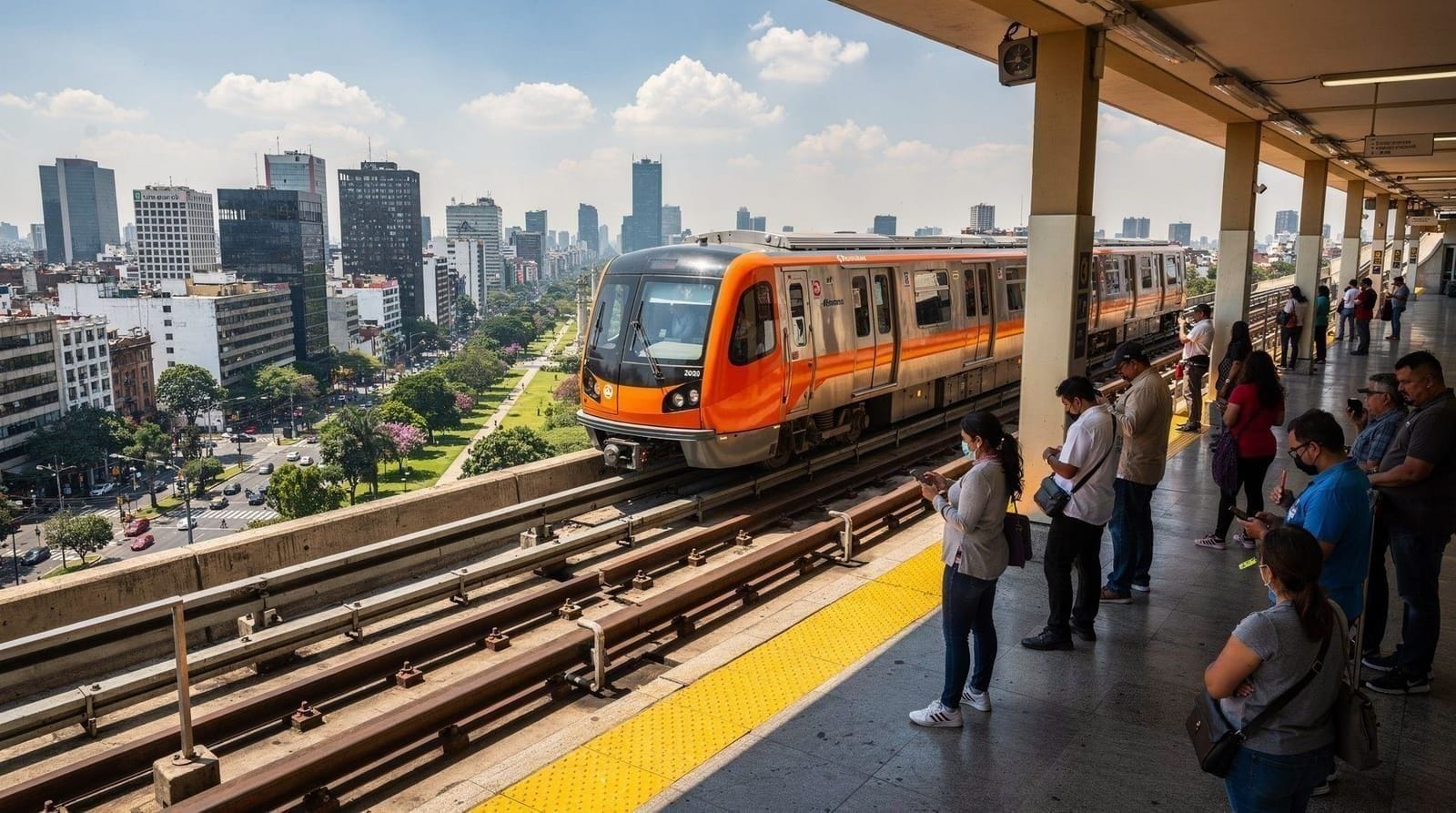
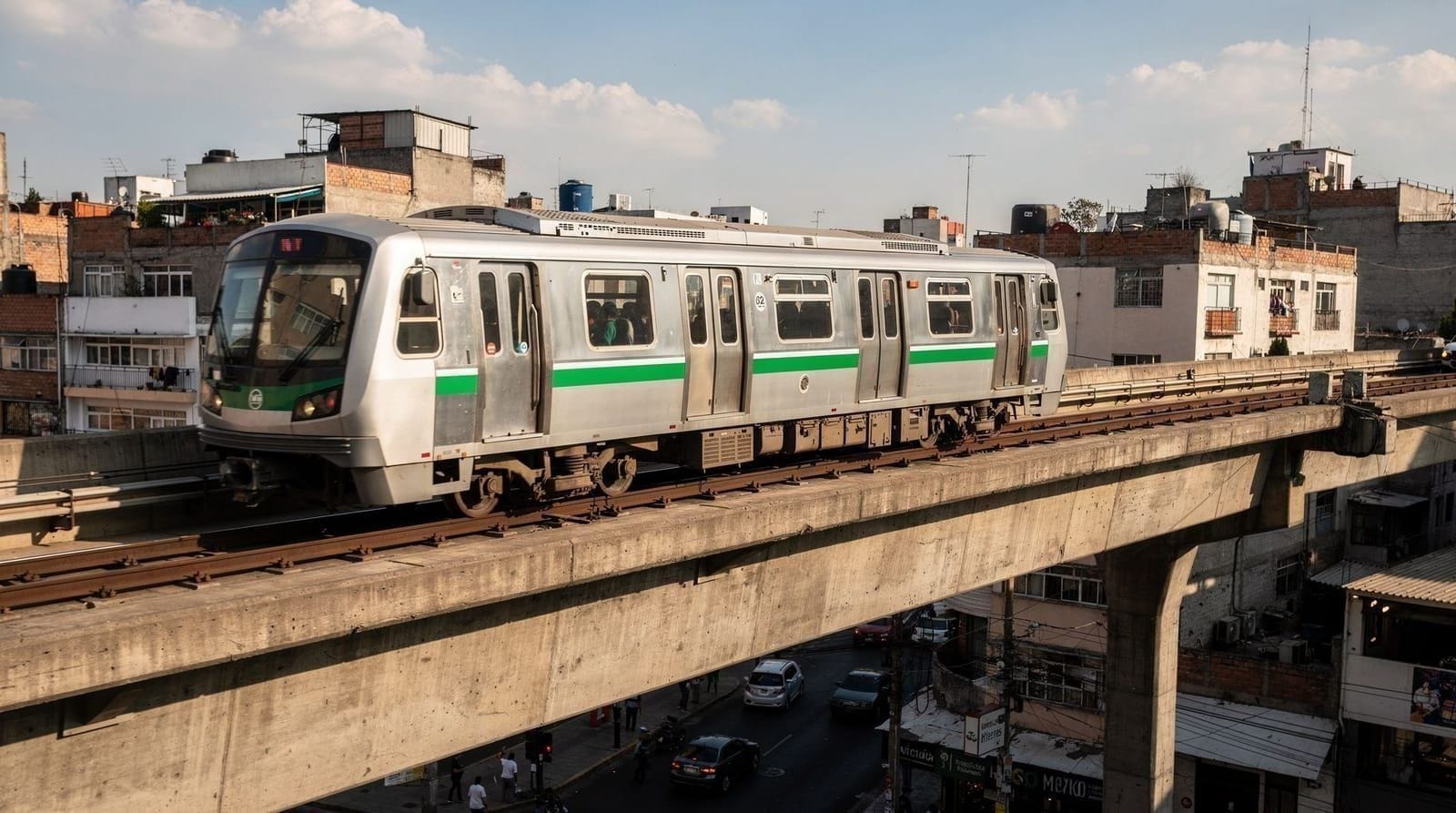
Yes, with awareness. The metro is used by millions of Mexicans daily and is generally safe. The main risk is pickpocketing in crowded carriages. Use women-only cars if applicable, keep phones out of sight, and use a crossbody bag with a zip. Avoid peak rush hour (7:30–9:00 am, 6:30–8:00 pm) on very crowded lines if you’re unfamiliar with the system. Line 4 to/from the airport is reliable and safe.
Should I take Ubers or taxis in Mexico City?
Use app-based services only: Uber, DiDi, or InDrive. Never hail a taxi from the street (called a ‘libre taxi’) in Mexico City — this is the most common setup for express kidnapping where tourists are taken to an ATM. Legitimate taxis can be hired from authorised taxi stands (Sitio taxis) at major hotels, the airport, and shopping centres, but app-based rides are simpler and safer for most situations.
What are the most common scams targeting tourists?
Fake police officers asking to ‘inspect’ your wallet (plain-clothes, not in uniform, claiming drug investigation). Unmetered taxis from the street. ATM helpers who distract you while an accomplice steals your card or cash. Distraction theft in crowded spaces. Card-skimming at informal vendors. All are manageable with basic awareness — the detailed scams guide covers each with specific avoidance tactics.
Is it safe to walk around Mexico City at night?
In Roma, Condesa, and Polanco, walking on main streets at 10:00–11:00 pm is generally fine. After midnight, use an app-based ride. In Centro Histórico, the main pedestrian streets (Madero, Zócalo surroundings) are patrolled until around midnight but become sparsely lit after hours — take a ride. Avoid poorly lit side streets anywhere after dark.