Mexico City common scams: what to watch for
Mexico City: Historic Downtown Walking Tour
What are the most common scams in Mexico City?
The top four: fake plain-clothes police demanding wallet inspection; unmetered street taxis used for express kidnapping or overcharging; ATM helpers who distract while an accomplice steals cash or card data; and distraction theft in crowded spaces. All are avoidable with specific knowledge of how they work.
Why scam awareness matters more than fear
Reading a scam guide should not make you afraid to visit Mexico City — it should make you confident. Every scam described below is avoidable once you know how it works. The vast majority of Mexico City visitors have no trouble with any of them because the scams follow predictable patterns that are easy to recognise once you have been briefed.
Mexico City is a safe tourist destination. It is also a large, economically unequal city where some individuals have concluded that tourists are a viable target. Both things are true simultaneously. The following is a realistic, non-alarmist guide to what you actually need to watch for.
| Highest-risk zones | Around the Zócalo, metro exits, Garibaldi at night, Tepito edges |
| Lowest-risk zones | Roma, Condesa, Polanco, Coyoacán in daylight |
| Most common scam | Unlicensed street taxis and ATM skimming |
| Best single fix | Use Uber/DiDi, bank-branch ATMs, and an itemised bill |
| Emergency number | 911 (police, medical, fire) |
Scam 1: Fake police / plain-clothes officer inspection
How it works: One or two people approach you, often well-dressed, sometimes showing a laminated card. They identify themselves as officers from the drug squad, immigration, or anti-counterfeiting police. They explain they are conducting an investigation and need to inspect your wallet for counterfeit bills. They may also claim to be checking your passport for irregularities. Once they have your wallet, they remove cash, or the “inspection” is a distraction while a third person steals your bag.
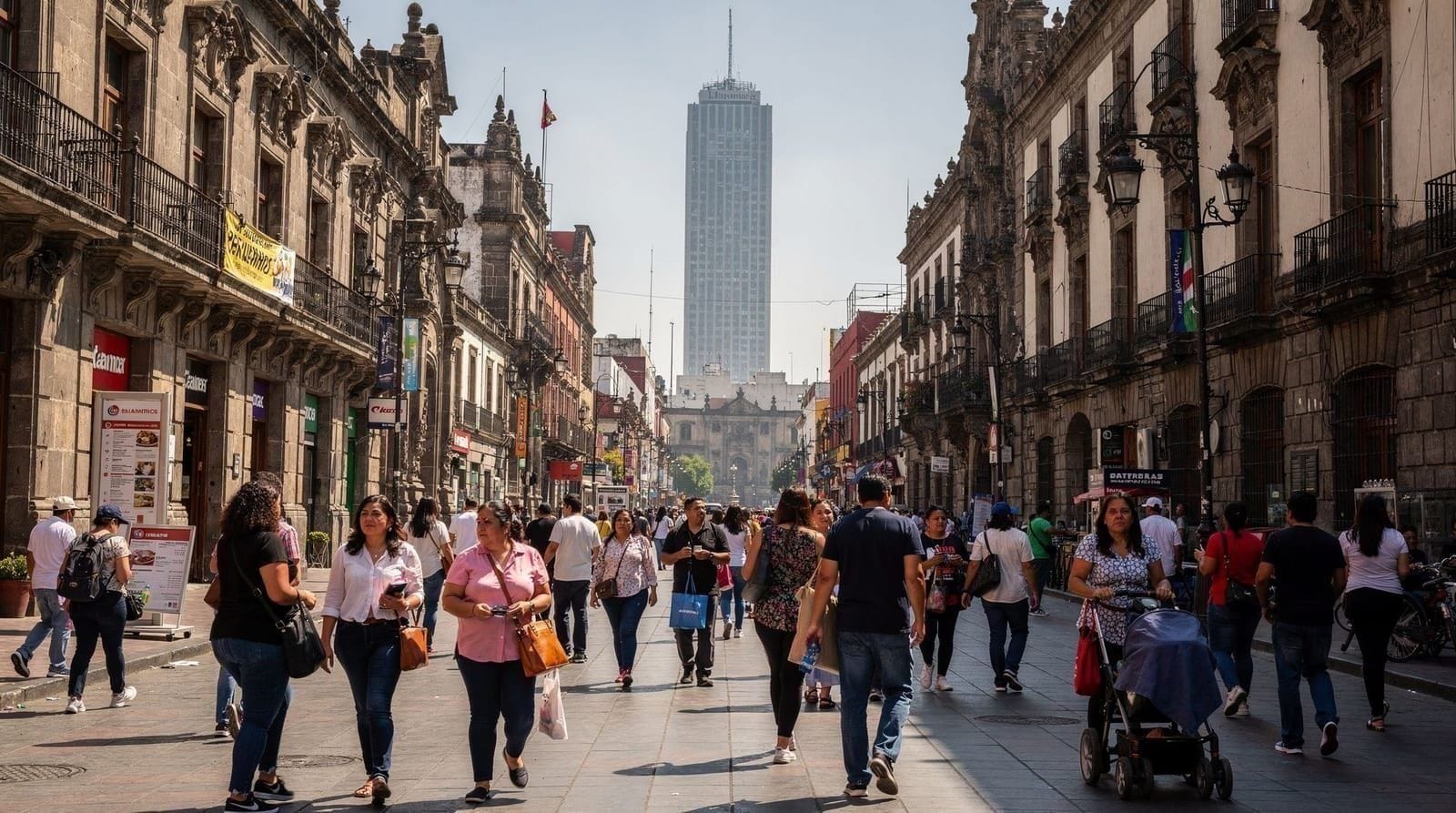
Where it happens: Around the Zócalo, near the Cathedral, Reforma Boulevard, and Centro Histórico generally. Sometimes at metro exits.
How to recognise it: Real uniformed police in Mexico City are in obvious uniforms. Real law enforcement conducting a legitimate inspection would have proper identification, would take you to a police station, and would never inspect your cash on the street. Plain-clothes officers do not stop foreign tourists to check their money for counterfeit bills. This is not a real police procedure.
What to do: Calmly say you do not consent to any inspection, you will call the police yourself (hold up your phone as if about to call 911), and walk into the nearest business or toward other tourists. Do not raise your voice, do not hand over anything. If they follow or become aggressive, call 911.
Scam 2: Street taxi express kidnapping
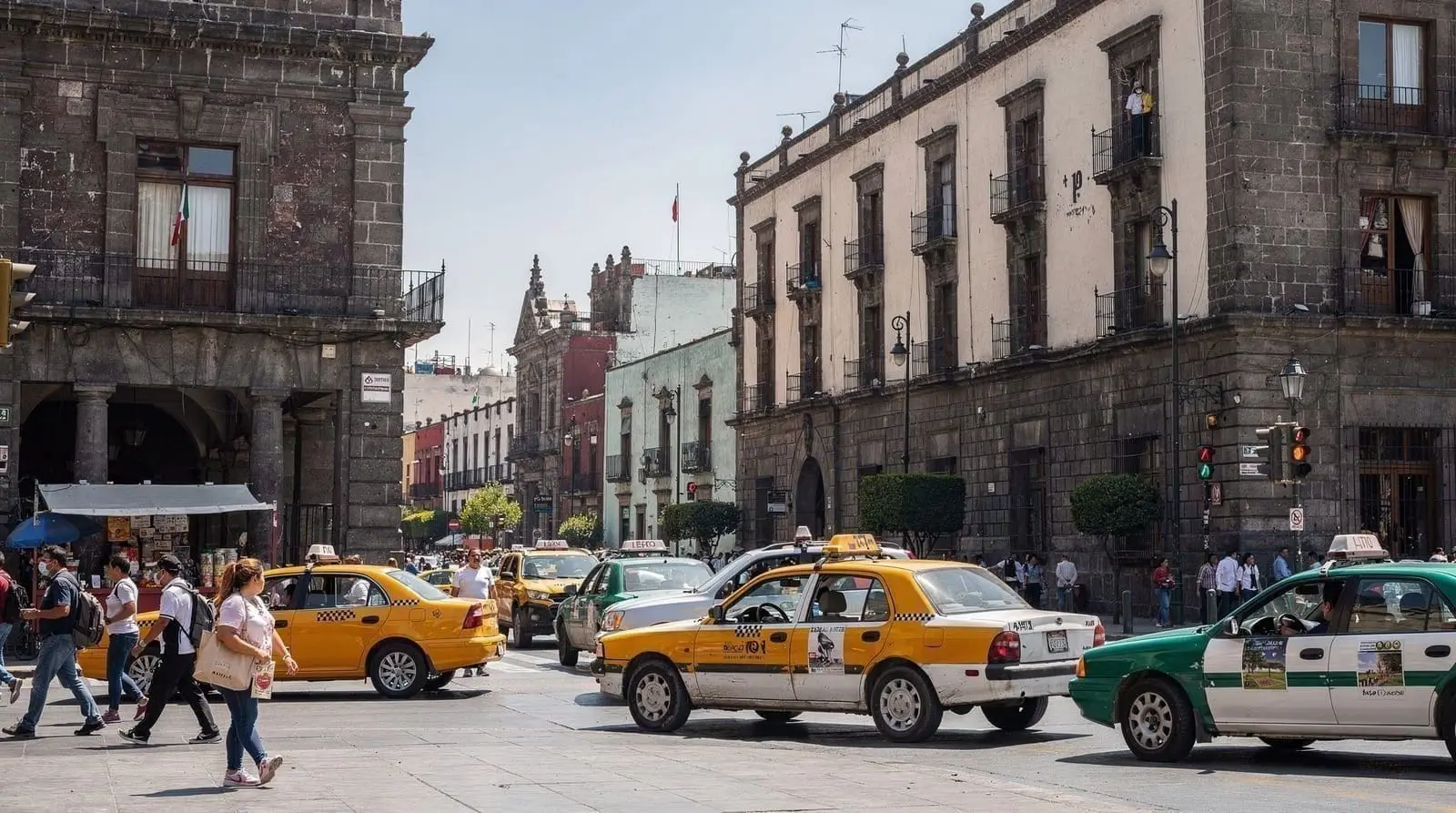
How it works: Unlicensed taxis hailing from the street (“taxis libres”) have been used in “secuestro express” (express kidnapping). You get into the taxi; a second person gets in, or is already in the front seat. You are driven to an ATM and forced to withdraw cash. In more serious versions, you are held for several hours while family members are contacted. These incidents have decreased but not disappeared with the rise of app-based rides.
Who is targeted: Anyone who hails a taxi from the street in Mexico City, particularly at night, and particularly in tourist areas.
The complete solution: Do not hail taxis from the street. Use Uber or DiDi — both apps are widely used, have English-language interfaces, and show you the driver’s name, photo, licence plate, and rating before you get in. If the plate doesn’t match or the driver asks your name (Uber drivers ask “who are you waiting for?” — they should already know your name), do not get in.
At the airport, the official process is covered in the airport to city centre guide. Follow the GCA signage to the authorised pickup zones.
At hotels: authorised Sitio taxis (radio dispatch companies) are safe alternatives. Any major hotel in Polanco or Roma can call you a Sitio.
Scam 3: ATM skimming and card theft
How it works: Skimming devices are thin plastic overlays attached to ATM card slots that read your magnetic stripe data while a small camera or fake PIN pad records your PIN. The data is collected and used to clone your card. A lower-tech version: someone watches over your shoulder, memorises your PIN, and then pickpockets your card or wallet nearby.
Locations: Standalone ATMs in tourist areas — around the Zócalo, near Tepito, on busy pedestrian streets — are the most vulnerable. ATMs inside Banamex, BBVA, Santander, or HSBC bank branches, inside supermarkets (Walmart, Liverpool, El Palacio de Hierro), and in major shopping centres are considerably safer because they are monitored.
How to protect yourself:
- Use bank-branch ATMs or ATMs inside large secured stores
- Before inserting your card, tug the card slot gently — if any plastic wiggles or comes loose, it’s a skimmer. Use another machine
- Cover your full hand over the PIN keypad when entering your number — even if no one is nearby (cameras can be very small)
- Monitor your bank account in real time via your bank’s app
- Withdraw in one trip what you need for a few days rather than using ATMs repeatedly
Scam 4: Distraction theft
How it works: The classic mechanics: someone bumps into you (sometimes spilling something on you), drops something in front of you, asks for directions with a map in a way that covers your view of your bag, or creates a small scene nearby. While your attention is diverted, an accomplice (you often don’t see them) takes your phone from your hand, your bag from your shoulder, or your wallet from your pocket.
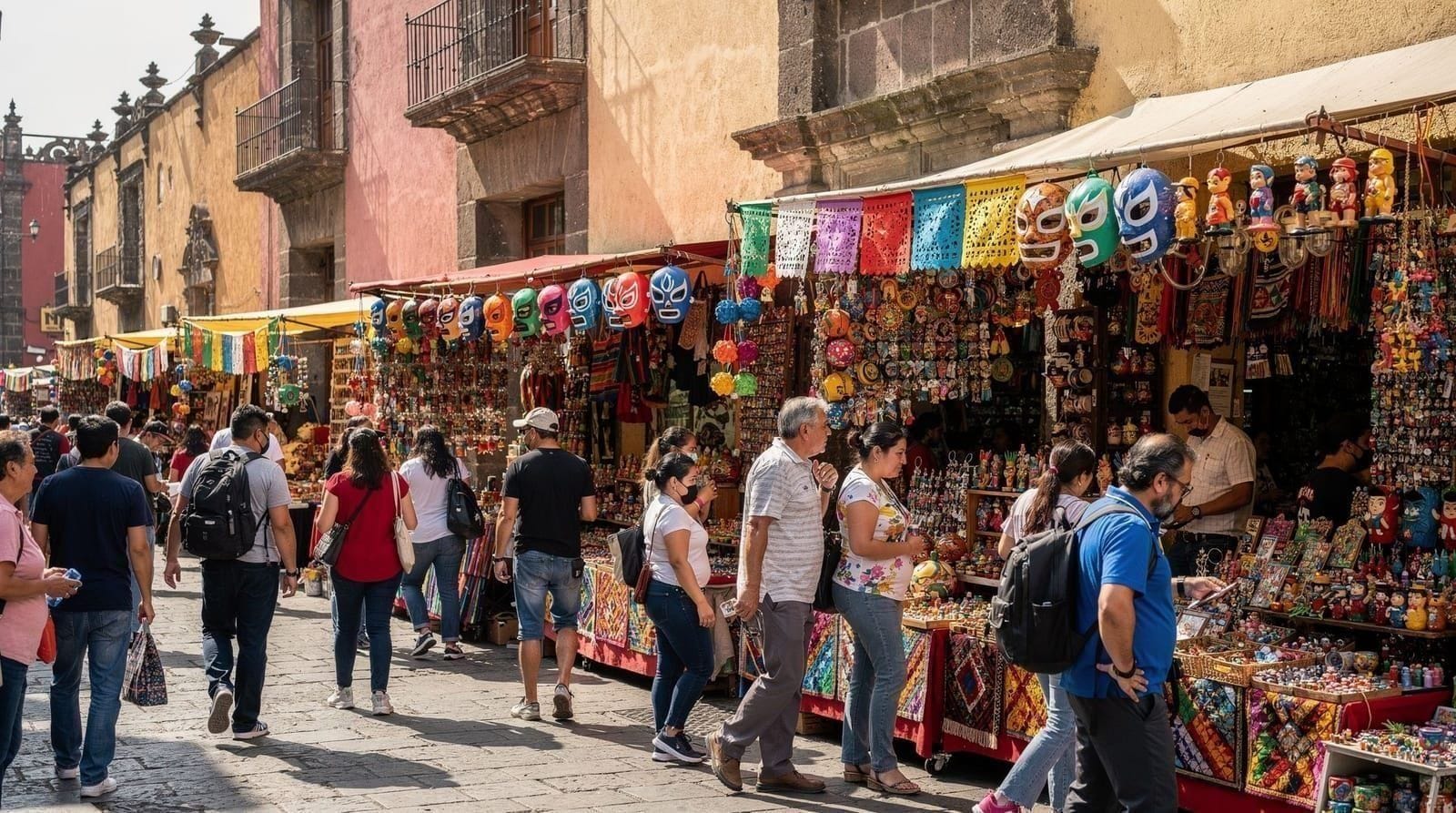
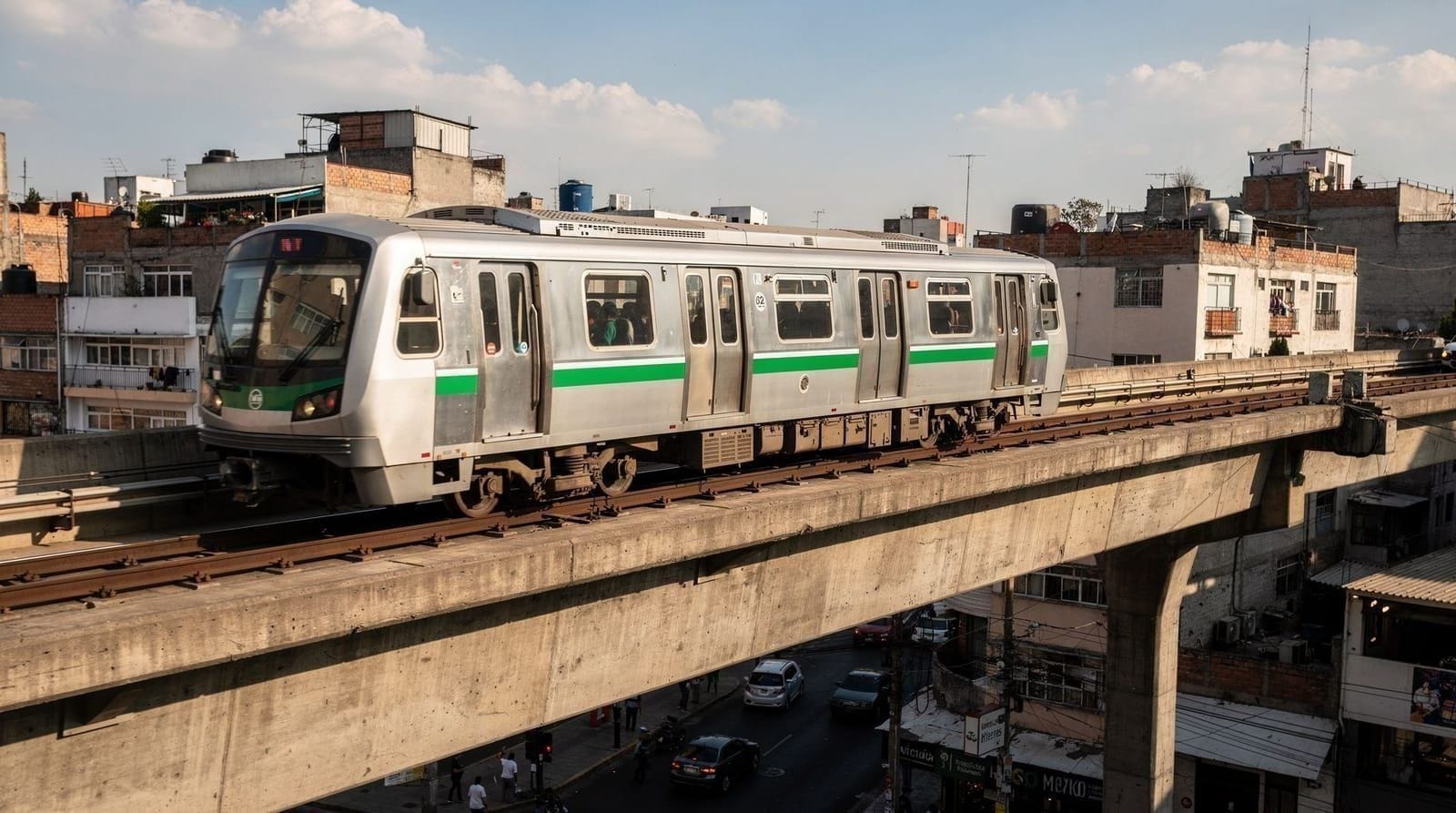
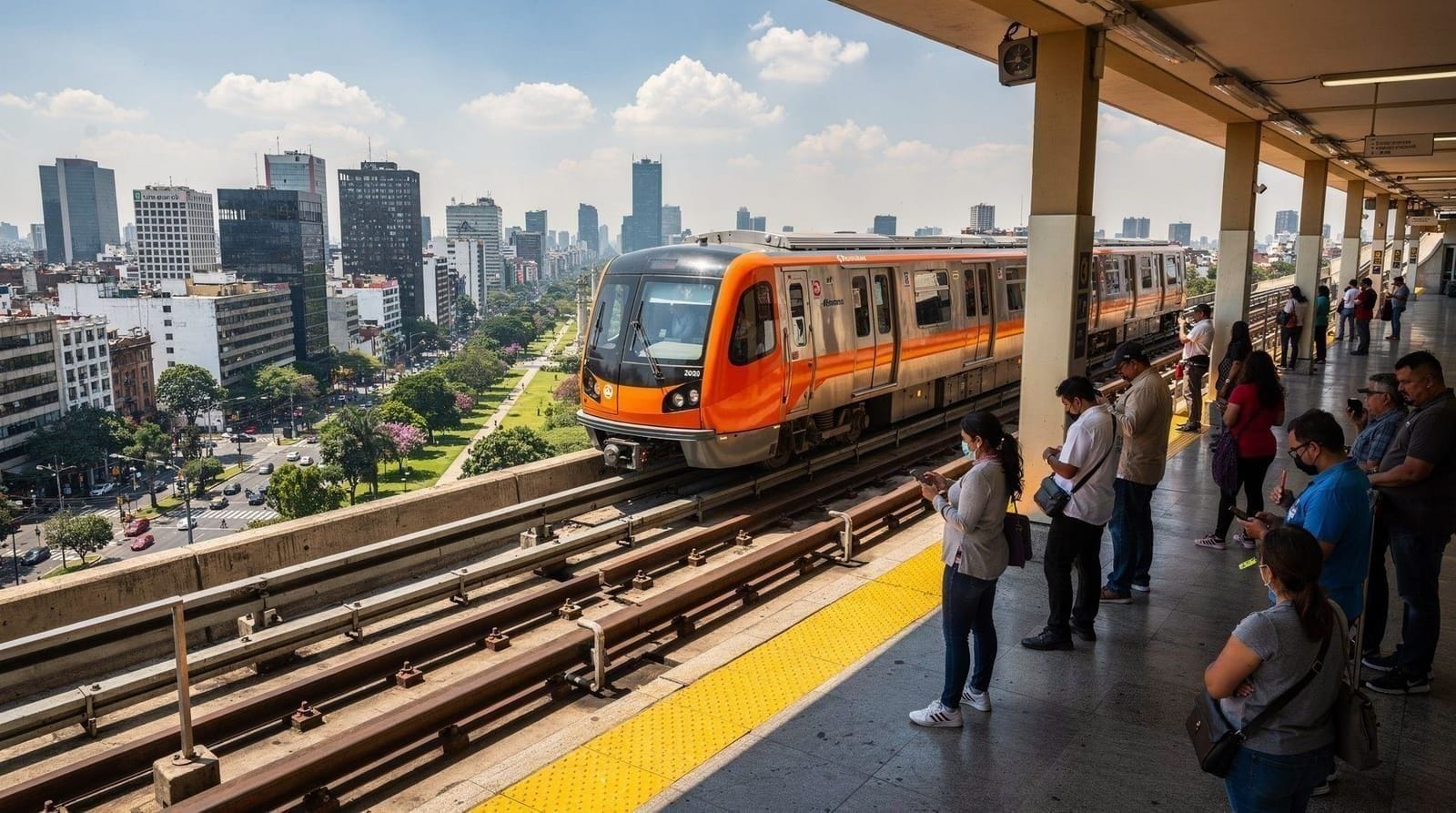
High-risk locations: Crowded metro carriages and station exits, around the Zócalo market stalls, on the Madero pedestrian street, at major tourist sites with press of visitors.
Prevention:
- Crossbody bag with a zip closure, worn in front in crowded spaces
- Phone in a front trouser pocket or inside the bag when not in use
- Be immediately alert for a second person when someone initiates unexpected contact with you
- On the metro, stand with your back to a wall rather than in the centre of the carriage when possible
Scam 5: Overcharged restaurant bill
How it works: Some cantinas and “typical Mexican” restaurants near the Zócalo actively solicit tourist customers via street touts and then apply inflated charges. Common tactics: mezcal or tequila “shots” suggested by the waiter that cost 300–500 MXN each when the menu shows 80 MXN; adding items to the bill that weren’t ordered; charging a “cover charge” that wasn’t mentioned; or simply rounding up the total.
Where it happens: Tourist-facing cantinas near the Zócalo and Cathedral, souvenir-market-adjacent restaurants, venues where a tout is stationed outside inviting people in.
Prevention:
- Check the menu prices before sitting down, particularly for drinks
- Decline politely but firmly anything the waiter recommends that doesn’t appear on the menu with a price
- Ask for an itemised bill (cuenta desglosada) before paying and check each item
- A reasonable mezcal at a legitimate bar costs 80–150 MXN. If you’re quoted more, ask to see it on the menu.
Scam 6: Fake or overpriced guided tours
How it works: Individuals near the Zócalo, near the Frida Kahlo Museum in Coyoacán, and around Teotihuacán offer guided tours for cash. Some are legitimate local guides charging reasonable rates. Others overcharge significantly, misrepresent what is included, or provide minimal interpretation value.
Prevention: Book guided tours through established operators accessible via GetYourGuide or reputable local agencies with published prices and reviews. A solid guided walking tour of the historic centre — like the Historic Downtown Walking Tour — comes with fixed pricing, known group sizes, and genuine guide expertise. Walk-up guides around the Zócalo are more variable.
Scam 7: Money change confusion
How it works: A vendor gives change in 20-peso notes instead of 50-peso notes, or counts change fast while talking, or claims a larger note you gave them was actually smaller. This is not always deliberate fraud — it can be genuine confusion — but it disproportionately benefits the vendor.
Prevention:
- Count your change before leaving
- Use smaller denomination notes at market stalls and street food — arriving with only 500-peso notes makes you dependent on change that may “go wrong”
- Know the current exchange rate: a rough sense of MXN to USD (approximately 17–19 MXN per USD in 2026) lets you spot whether a price makes sense
Scam 8: WhatsApp and digital rental scams
How it works: A vacation-rental listing (sometimes cloned from a real one) asks you to complete the booking outside the platform “to avoid fees” — usually via WhatsApp and a bank transfer. Once you pay, the listing disappears, the “host” stops responding, and there is no booking. A close cousin: a “hotel” confirmation email with a payment link that mimics a real booking site but routes to a fraudulent account.
Where it happens: Online, before you even arrive — but the financial damage lands on your Mexico City trip specifically, since it’s usually your accommodation.
Prevention: Never pay outside the official platform (Airbnb, Booking.com, the hotel’s own verified site) no matter how good the discount sounds. Verify a property’s reviews and photo history before transferring money. If a “host” pushes hard for WhatsApp and a bank transfer within the first few messages, treat that pressure itself as the red flag. The where to stay guide has vetted neighbourhood and booking advice that avoids this problem entirely.
Risk by location: where to keep your guard up
| Area | Main risk | Precaution |
|---|---|---|
| Zócalo / Centro Histórico | Fake police, overcharging cantinas, distraction theft | Stick to busy streets, check bills, keep bag zipped and forward |
| Metro stations & carriages | Distraction theft, pickpocketing | Stand against a wall, bag in front, phone pocketed |
| Garibaldi at night | Overpriced mezcal bars, tout pressure | Book mariachi through a fixed price upfront; skip bar touts |
| Teotihuacán entrance | Unofficial overpriced guides | Pre-book a vetted guide, don’t negotiate at the gate |
| Roma / Condesa / Coyoacán | Low overall risk | Normal city awareness is enough |
| Tepito edges | Petty crime, counterfeit goods disputes | Daytime visits only, no valuables on display |
Guided experiences remove several of these risk points entirely by fixing the price, the guide, and the itinerary in advance — useful context if you’re deciding between a walk-up option and something pre-booked. The markets guide has more on navigating La Merced and other high-traffic markets safely.
Scam awareness at specific places and moments
Scams cluster around crowds, transit and moments when you are tired or distracted, so it helps to plan around those points rather than staying on edge all day.
On arrival. The first hour is when you are most likely to say yes to the wrong offer. Read the airport to city centre guide before you land, and keep the getting around guide open so your first ride is one you ordered yourself. If you are still choosing where to sleep, the Roma and Condesa guide covers two of the calmer bases for a first night.
In the historic centre. The streets around the main square are where fake police and overcharging cantinas concentrate, simply because the crowds are densest there. The Centro Histórico guide and the Zócalo and Templo Mayor guide show how to see the area at a steady pace, with a clear plan, which makes you a much harder target than someone wandering and looking lost.
Around day trips. Unofficial guides and gate touts appear at the biggest sites. For Teotihuacán, the how to get to Teotihuacán guide explains the options that avoid negotiating on the spot, and the Teotihuacán complete guide helps you decide in advance what kind of visit you want.
When you are eating and drinking. Most overcharging disappears when you know what a normal meal looks like. The street food guide and the tourist traps guide describe where locals eat and which tourist-facing spots to skip.
For the bigger picture. Scams are only one part of staying comfortable in the city. The is Mexico City safe guide puts them in context, and the first-timer mistakes post collects the other habits that save visitors money and stress.
General principles
Trust your instincts. If something feels wrong — if someone is too friendly with an ulterior pressure, if a taxi doesn’t feel right before you get in — act on that feeling. The scam playbooks rely on politeness overriding instinct.
Know the emergency number. 911 works for police, medical, and fire in Mexico City. For non-emergency contact with the police, 5625-7700 is the metropolitan police line.
Use your phone confidently. Having a local data SIM (see the getting around guide for SIM options) means you can call Uber, check maps, and contact emergency services without depending on street-level help from strangers.
Watch for fake QR-code payment stickers. A recent variant seen around parking meters and some market stalls: a QR code sticker directs you to a fraudulent payment page that captures card details instead of processing a legitimate parking or vendor payment. Genuine city parking meters display an official logo and a specific app name; if a QR sticker looks freshly applied over another one, or the payment page asks for unusually detailed card information, stop and pay in cash or through the venue’s own terminal instead.
The tourist police (Turistas). Green-uniformed tourist police operate in Centro Histórico and near major sites. They are legitimate and generally helpful. If you need to report something or need directions, they are a good first contact.
Frequently asked questions about Mexico City scams
Is Mexico City a dangerous place for tourists overall?
No. Most visitors have no incident. The combination of scam awareness and basic street smarts — keep your phone pocketed in crowds, use app rides, check restaurant bills — handles virtually all the realistic risks. The safety guide has the full neighbourhood breakdown.
Should I carry a fake wallet?
This is a personal choice. Some experienced travellers carry a “throwaway” wallet with a small amount of expired cards and cash to hand over in the unlikely event of a street robbery. It adds minimal weight and potentially defuses a confrontation quickly. Whether it’s worth the effort is a personal decision.
Can I use credit cards safely in Mexico City?
Yes, at established restaurants, hotels, and shops. Contact your bank before travelling to enable international transactions and inform them of Mexico as a destination. Use your card with PIN entry where possible (more secure than signature). At market stalls and from street vendors, cash is expected.
Is Uber safe in Mexico City or are there fake Uber drivers?
Genuine Uber and DiDi registered through the official apps are safe. The scam version is people posing as Uber drivers near airports or tourist areas without actually being registered. Always confirm the driver’s name, photo, and licence plate match the app before getting in. Never accept a ride from someone who approaches you saying “Uber?” — order the ride yourself and wait for the match.
What should I do if I am scammed?
Stay calm. If it is theft, do not pursue or confront — this escalates risk. File a police report (denuncia) at the nearest Ministerio Público for insurance purposes. Report to your bank immediately if cards are involved. Contact your embassy if the incident was serious. Report to your travel insurance provider.
What is the fake police scam in Mexico City?
Two people in plain clothes approach (sometimes one shows a fake badge) and claim to be drug squad or immigration officers investigating counterfeit money or drug trafficking. They ask to ‘inspect’ your wallet to check your bills. They are not police. Real Mexican police do not stop foreign tourists on the street to inspect cash. Calmly say you do not consent and walk toward a shop or public space. If they follow, call 911.
How does the taxi scam work?
Unlicensed taxis hailed from the street — called ‘libres’ or free taxis — have been used for express kidnapping: you get in, another person gets in (or appears), and you are driven to an ATM and forced to withdraw cash. This is not theoretical — it has happened repeatedly. The complete solution: use only Uber, DiDi, or official Sitio taxi stands at hotels. Never hail a taxi from the street.
What is the ATM skimming scam?
Criminals attach a plastic overlay (skimmer) to the card slot of ATMs, particularly standalone machines in tourist areas, which reads your card data. A small camera or false keypad records your PIN. Use ATMs inside banks, large supermarkets, or hotel lobbies. Always cover your PIN with your hand. Check the card slot for a loose plastic piece that can be wiggled — if it moves, don’t use that machine.
Is the helpful stranger scam common in Mexico City?
Yes. Someone drops something near you, or spills something on you, or asks you to help with an ‘emergency,’ and while you are distracted, an accomplice takes your bag, phone, or wallet. Be particularly alert in crowded spaces: metro stations, the Zócalo market area, and around Tepito. If someone approaches with an unusual request, be immediately alert for a second person near your belongings.
Is there a common restaurant overcharging scam?
Yes. Some tourist-facing cantinas and restaurants near the Zócalo, particularly those with aggressive street touts who pull visitors in, add items to the bill that were not ordered, or charge several times the listed price for mezcal or drinks ‘recommended’ by the waiter. Check the menu prices before ordering, and review the itemised bill carefully before paying. If there is an error, address it clearly and firmly before paying.
Is the free sample scam a problem in Mexico City?
At some market stalls and craft shops, vendors offer ‘free’ samples of mezcal or handicrafts and then become aggressive when you do not purchase. This is not a scam in the criminal sense but can be uncomfortable, particularly in tourist market areas. Accept samples only if you are genuinely interested in buying. A polite but firm ‘no, gracias’ and continuing to walk resolves it in the vast majority of cases.