Best rooftop bars in Mexico City: named venues, honest views, real prices
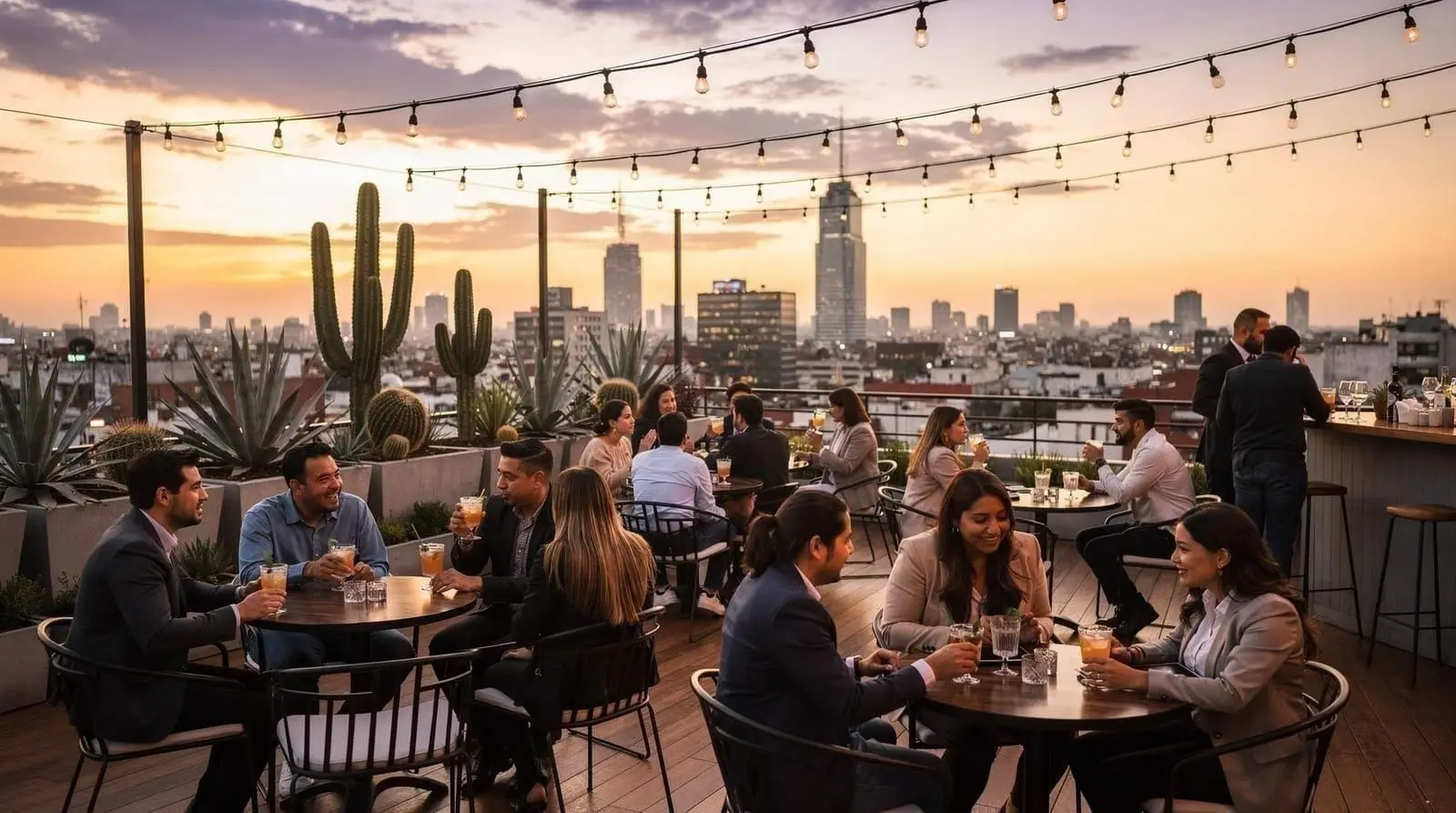
Mexico City has a rooftop bar scene that genuinely justifies the cliché. At 2,240 m elevation, the city already sits higher than most global capitals; add a 15-storey building to that and on a clear evening you can see the Popocatépetl and Iztaccíhuatl volcanoes on the horizon (pollution and cloud permitting). The best rooftops offer a combination of views, quality drinks, and neighbourhood character. The worst are overpriced hotel terraces charging 300 MXN for a mezcal sour while piping in lounge music to an empty room.
This is a practical rundown of the ones worth considering, with honest expectations about what you actually see and pay.
| Where | Centro Histórico, Polanco, Roma/Condesa |
| Cost | around 150–400 MXN per drink depending on venue |
| Time needed | 1–2 hours per stop |
| Getting there | Uber/DiDi between neighbourhoods, walkable within Centro |
| Best time | dusk, 6:30–8 pm, for the light on the skyline |
Which rooftop for which mood
If you only have time for one or two, this comparison narrows it down faster than reading every entry below:
| Rooftop | Best for | Price level | Booking needed |
|---|---|---|---|
| El Mayor | Cathedral/Zócalo sunset view | Mid-high (180–250 MXN) | Yes, weekends |
| Bar Miralto | Widest 360° panorama | Mid (from 200 MXN) | Recommended for dinner |
| Azul Histórico | Intimate colonial courtyard | Mid-high (200–300 MXN) | Recommended weekends |
| Terraza Ignacia | Best value/atmosphere ratio | Low-mid (150–220 MXN) | Not required, arrive early |
| El Parnita Rooftop | Local, cheap, no view | Low (80–100 MXN) | No |
Views over the historic centre
El Mayor (Librería El Mayor, Centro Histórico)
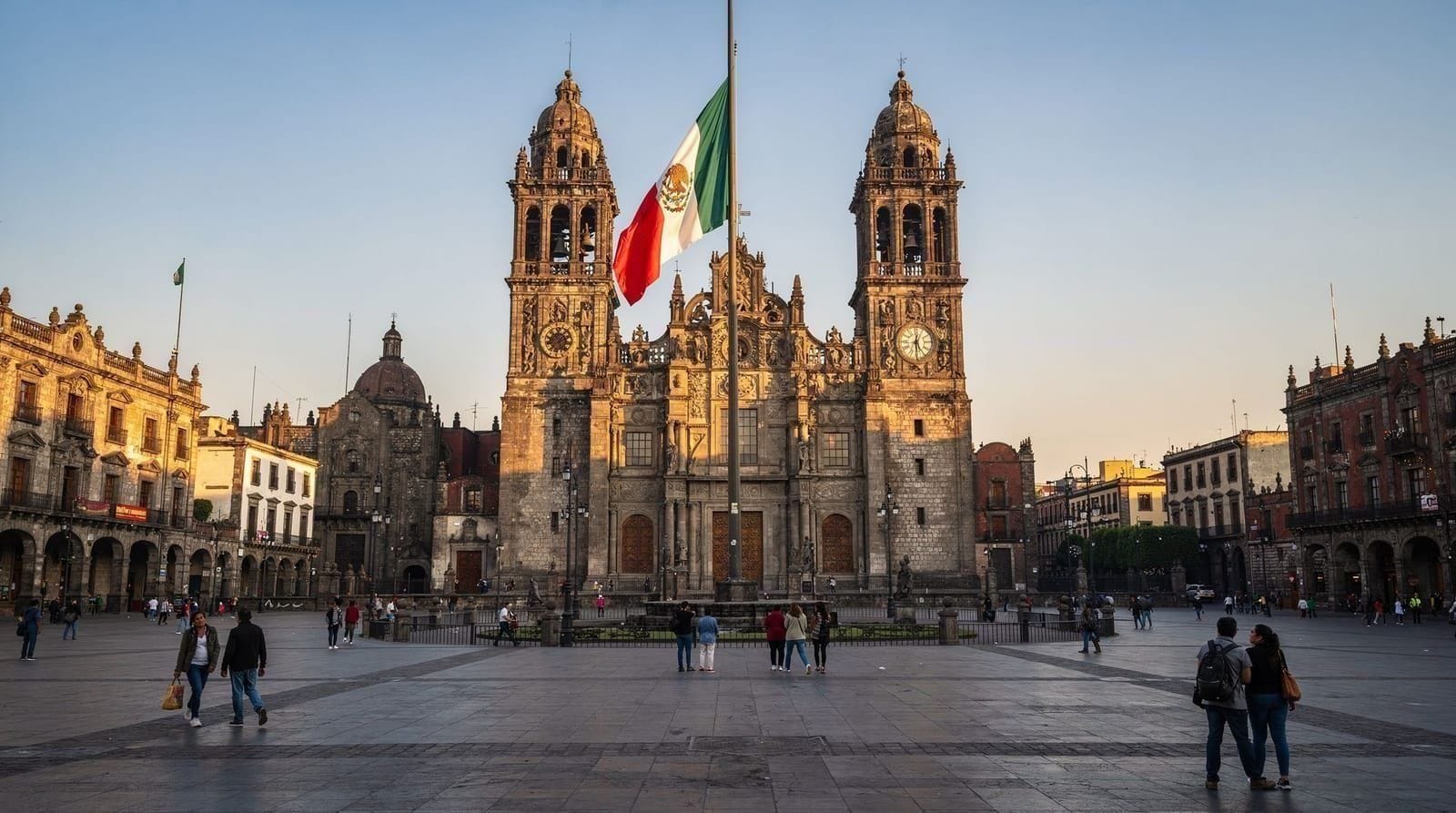
On top of the bookshop-restaurant at Repúblic de Guatemala 16, this rooftop has a direct view of the Metropolitan Cathedral and the Zócalo — arguably the best urban panorama in the city. The combination of the cathedral’s lit façade at sunset and the surrounding colonial buildings is extraordinary. Drinks are not cheap (mezcal cocktails from 180–250 MXN) but the view justifies the premium if you arrive at dusk. Book ahead for a table; the rooftop fills quickly on weekend evenings. The food is also decent — it is a full restaurant, not just a bar.
Practical: closed Mondays. Arrive by 6:30 pm for the best light. The neighbourhood empties after 9–10 pm, so time your visit for early evening rather than late night.
Bar Miralto (Torre Latinoamericana, Centro Histórico)
The observation deck of the Torre Latinoamericana is the most famous viewpoint in the city. What is less well known is that Miralto on floor 41 is an actual bar-restaurant, not just a ticketed attraction. Drinks start at about 200 MXN. The 360-degree view of central CDMX is unmatched — on a very clear day (November–February tends to be clearest) you can see the snow-capped volcanoes. Reservations recommended.
The tower’s observation deck admission (around $12.50 USD / 250 MXN) gets you to floor 44; the Miralto bar on 41 requires a minimum spend but no entry fee. Among the best skyline viewpoints in the city, the Torre Latino observation deck ticket is the straightforward way to book the floor-44 admission ahead of a Miralto drink on 41.
Torre Latinoamericana admissionAzul Histórico (Downtown Hotel, Centro)
Tucked inside the Downtown Mexico Hotel at Isabel la Católica 30, this courtyard-and-rooftop combination has a partial view of the historic centre and a particularly good bar programme. The hotel is inside an 18th-century colonial palace. The rooftop itself is smaller and more intimate than Miralto; the crowd tends to be design-hotel guests and well-heeled chilangos rather than tourists. Mezcal-forward cocktail menu, 200–300 MXN per drink.
Polanco and Chapultepec
Nobu Hotel Rooftop (Presidente InterContinental / Polanco area)
Several of the luxury hotels in Polanco have rooftop or high-floor bars, primarily servicing their own guests. Nobu at the Hotel Las Alcobas or the Hyatt Regency terrace give panoramic views toward Chapultepec forest. These are expensive (drinks from 250–400 MXN) and the atmosphere can feel corporate; they are better suited to business travel expense accounts than to a local evening out.
If you are in Polanco specifically, the terrace of the Soumaya Museum building at Plaza Carso (not a bar, but a free architectural terrace accessible during museum hours) gives striking views of the northwest city with the distinctive Soumaya sphere in the foreground.
Roma and Condesa
Terraza at Ignacia Guest House (Roma Norte)
The rooftop of this boutique hotel on Córdoba in Roma Norte is a semi-public terrace open to non-guests for drinks. It has city rooftop views rather than landmark views — you are looking across the Roma/Condesa apartment-block sea — but the atmosphere is the best of any rooftop in this price range (drinks from 150–220 MXN). Capacity is small; go early or expect to wait. Best visited on a clear weekday evening.
Departamento (Puebla Street, Roma Norte)
A restaurant-bar on an upper floor of a Roma Norte building with a terrace portion. The food is better than average (modern Mexican, 200–350 MXN mains), the view is the neighbourhood rather than a landmark, and it draws a local crowd. Useful as a dinner-with-atmosphere option rather than a landmark viewpoint experience.
El Parnita Rooftop (Yucatán, Roma Norte)
The upstairs terrace at El Parnita operates as a weekend bar/cantina extension of the ground-floor restaurant. Very local, extremely cheap (mezcal from 80–100 MXN), no views to speak of — but the atmosphere on a Saturday afternoon is as good as anything the city has. This is the antidote to overpriced hotel rooftops.
What the panoramas actually look like
On a clear evening (November through February are best; June–September have afternoon clouds but clear evenings), you can see:
- The volcanoes: Popocatépetl (5,452 m) and Iztaccíhuatl (5,230 m) southeast of the city, visible from higher viewpoints on clear days
- The urban grid stretching to every horizon — Mexico City has no natural boundary except the mountain ring
- Chapultepec forest as a dark patch in an otherwise dense urban fabric
- At night: the city is one of the most lit urban areas in the world when seen from above
Pollution matters. The dry season (November–May) generally gives clearer air. The rainy season (June–October) can clear the air dramatically after a rain but have morning smog. Check the CDMX air quality index (IMECA) if you are specifically planning around volcano views.
Honest assessment: are rooftops worth it?
The premium you pay for elevation (higher drink prices, potential cover charges) is worth it once or twice — for the sunset light over the cathedral, or for orienting yourself to the city’s scale. The rest of the time, the neighbourhood street bars and mezcalterías at ground level in Roma serve better mezcal at half the price.
The best “rooftop” experience in CDMX is often free: the roof terrace of Mercado Roma (a gourmet market on Querétaro in Roma Norte) has a free upper level with drinks available and views over the neighbourhood without the hotel markup.
For nightlife beyond rooftops, the lucha libre experience and Garibaldi mariachi scene are more uniquely Mexico City and cost less.
Pairing rooftop bars with evening activities
A rooftop drink works well before or after a fixed-time evening activity. The most logical combinations:
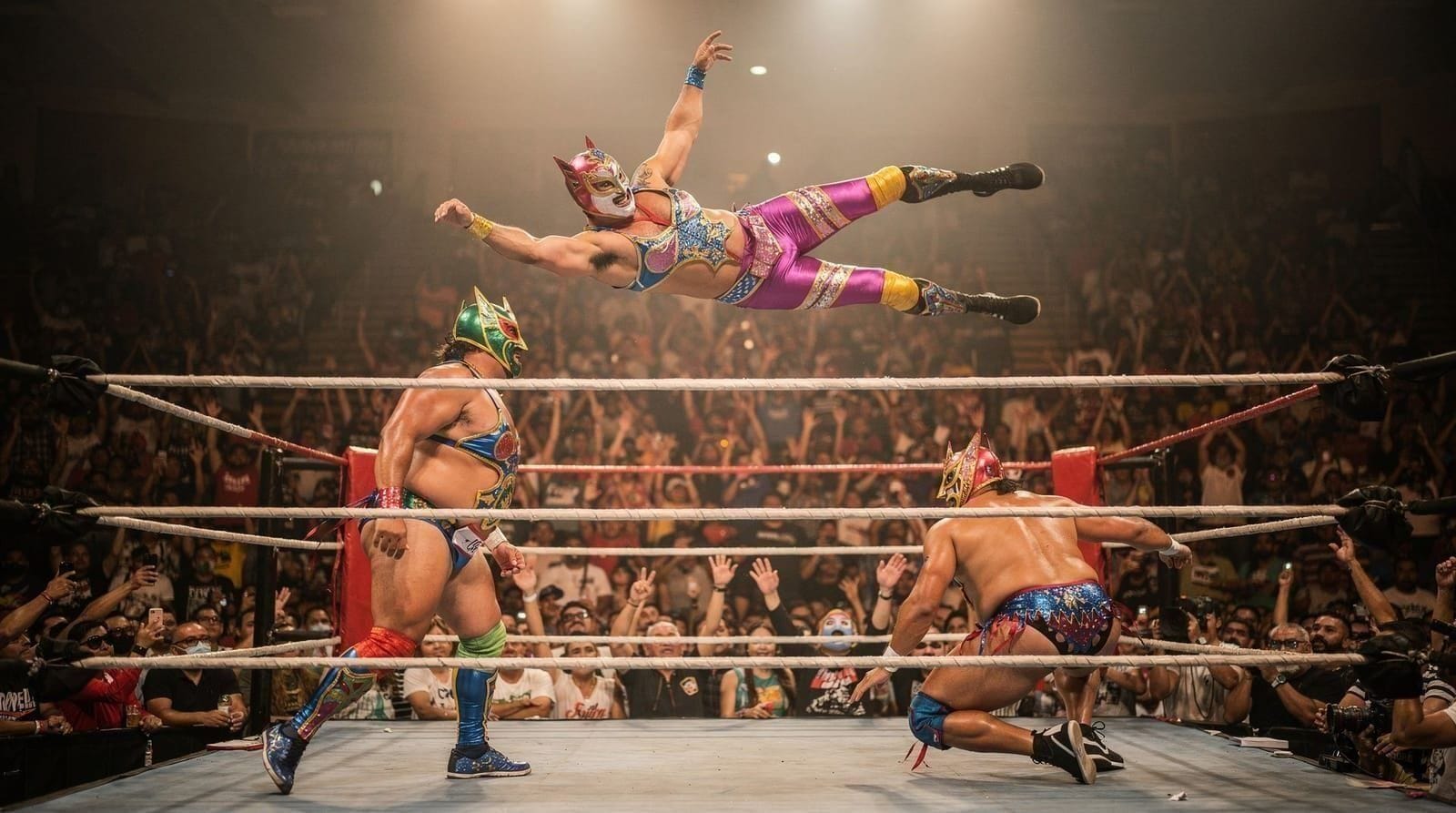
Before a lucha libre match: a beer or mezcal at a rooftop in Roma at 7 pm, then Uber to Arena Méxicoor Arena Coliseo for the 8:30 pm match. The lucha libre guide has the venue details. The matches run 2–2.5 hours and are a genuine cultural experience at 300–600 MXN per seat.
Before a food tour: the tacos and mezcal night food tours typically start around 7–8 pm. A pre-tour drink at El Parnita or a Roma terrace fits naturally before pickup.
After the Palacio de Bellas Artes: the Bellas Artes Folkloric Ballet performances end around 9:30–10 pm. The venue is 5 minutes from Torre Latinoamericana — a post-show drink at Miralto or a walk to Azul Histórico rounds out the evening.
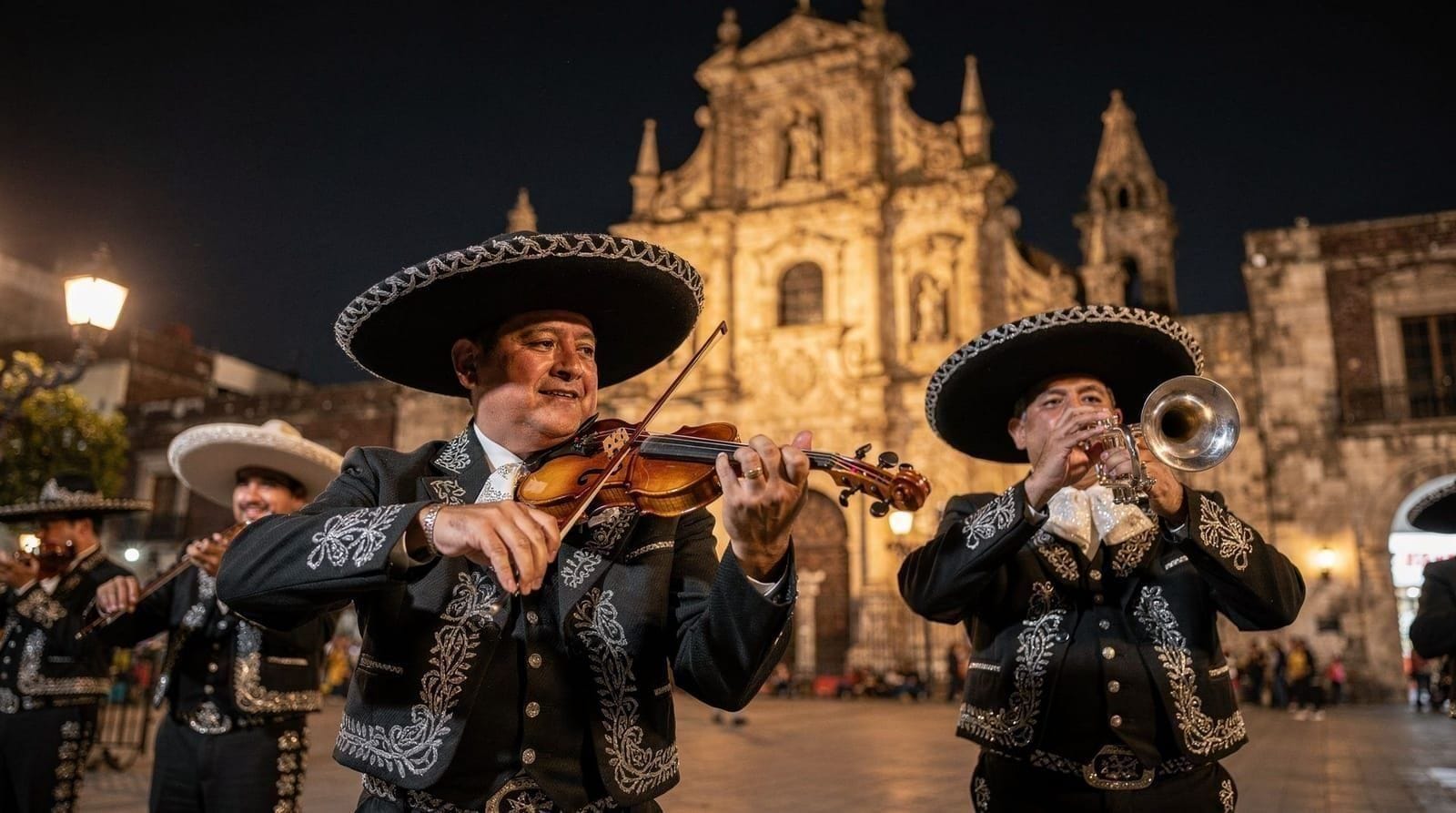
After mariachis in Garibaldi: the Garibaldi/Mariachi scene is at its best around 10–11 pm. The neighbourhood rooftops are not the right follow-up (the area is not rooftop-bar territory); instead, the mariachi experience works best as the final event before returning to your hotel.
The neighbourhood bar alternative
A note of honesty: most first-time visitors to CDMX who skip the rooftop scene entirely and spend their evenings at ground-level mezcalterías in Roma Norte have a better evening than those who pay a 300 MXN premium for elevation. The rooftop experience is worth doing once — for orientation, for the Zócalo sunset shot, for the volcanic horizon on a clear evening — but as a nightly routine it is expensive and not the most interesting way to drink in Mexico City.
The best mezcal bars in Roma Norte (Bósforo on Luis Moya in Centro, Alipús on Amsterdam, Limantour on Álvaro Obregón) serve better mezcal at lower prices in more interesting spaces. The mezcal vs tequila guide gives context on what to order.
Tipping and etiquette at rooftop bars
Tipping conventions at rooftop bars follow CDMX restaurant norms rather than a special “tourist premium” rule: 10–15% is standard on the bill, and it is usually not pre-added except for larger groups (check before adding twice). At table-service rooftops like El Mayor or Azul Histórico, a server will bring the check on request rather than leaving you to queue at a register. Dress code matters more at Polanco hotel rooftops than at Centro or Roma venues — smart casual is the safe default anywhere, and flip-flops or gym wear will get you turned away at the upscale hotel bars.
Reservations, where recommended, are best made through the venue’s own site or WhatsApp rather than a general booking platform — CDMX rooftop bars are small operations and respond quickly to direct messages, often faster than through third-party apps.
Rooftop bars as part of a longer evening
Pairing a rooftop with dinner elsewhere works better than trying to eat a full meal at the rooftop itself, since food quality is secondary to view and drinks at most of these venues (El Mayor and Departamento are the exceptions — both are genuine restaurants). A workable pattern: dinner in Roma or Condesa first, then a rooftop drink at Terraza Ignacia or El Parnita to close the night, since both are inside the same neighbourhood and need no extra Uber. For a Centro-focused evening, reverse it — Bar Miralto or Azul Histórico for a pre-dinner drink at dusk, then walk to a comida corrida spot or a sit-down restaurant nearby before the area empties out after 9–10 pm.
Planning around the rest of your trip
A rooftop works best as one piece of a wider plan rather than the plan itself. If you are still choosing a base, the where to stay in Mexico City guide and the Roma vs Condesa comparison will tell you which neighbourhood puts the best terraces on your doorstep. Staying in Roma and Condesa means Terraza Ignacia and El Parnita are a short walk away, while the Centro Histórico base puts El Mayor, Miralto and Azul Histórico within easy reach of each other.
Before an evening at the Zócalo end of town, the Zócalo and Templo Mayor guide is a good way to spend the afternoon, so the cathedral you see from above at dusk is one you have already walked around. If your evening is in Polanco instead, the Chapultepec and Polanco area guide and the Soumaya Museum guide cover the daytime side of that same neighbourhood.
Two practical notes shape every rooftop evening. First, the altitude: the Mexico City altitude guide explains why a cocktail can hit harder than at home, which is worth remembering on your first night. Second, the trip home: the getting around Mexico City guide covers ride apps and the metro, and the is Mexico City safe and common scams guides explain why ordering a ride from inside the venue is the sensible habit.
If this is a short stay, the 24 hours in Mexico City post shows how a single evening rooftop slots into a very compressed day, and the 3-day itinerary leaves room for exactly one or two of the rooftops above without crowding out the sights.
Frequently asked questions about rooftop bars in Mexico City
Do I need reservations for rooftop bars in CDMX?
For El Mayor and Azul Histórico on weekend evenings: yes, strongly recommended. For Miralto at Torre Latinoamericana: yes for dinner, walk-up usually possible for just drinks. For Roma neighbourhood terraces: generally not required.
What is the dress code?
Rooftops in Polanco: smart casual (no shorts, no flip flops at upscale hotels). Roma and Condesa terraces: casual is fine. Centro Histórico rooftops: smart casual on weekends.
When do rooftop bars close?
Most operate until midnight on weekdays, 1–2 am on weekends. Torre Latinoamericana observation hours end around 10 pm (verify current hours on arrival).
Is there a cover charge?
El Mayor and Azul Histórico sometimes charge a minimum spend on busy evenings. Torre Latinoamericana charges entry to the observation deck. Most others are free entry with drink prices.
Can I see the volcanoes from Mexico City rooftops?
On very clear days, yes — typically November through February is the clearest period. The smog that accumulates from car exhaust in the valley obscures the view most of the year. Check the CDMX IMECA air quality index in the morning: a low particulate reading usually means clear horizons by evening. The volcanoes are southeast of the city; a viewpoint facing that direction (Torre Latinoamericana has 360-degree views) gives the best chance.
Are rooftop bars safe late at night?
Yes — the bars themselves are safe. The safety consideration is getting home afterward: use Uber or DiDi from inside the venue, not a street taxi. In Centro Histórico specifically, the surrounding streets empty after 10 pm, so order your ride before you leave.
Which rooftop is best for a first-timer with only one evening?
El Mayor, if you want the single best photo and can book ahead — the Zócalo and cathedral view at dusk is the most distinctively CDMX rooftop scene. If you’d rather stay in Roma/Condesa without an extra Uber, Terraza Ignacia gives the best atmosphere-to-price ratio.
Do rooftop bars serve food, or just drinks?
It varies. El Mayor, Azul Histórico, and Departamento are full restaurants with rooftop or terrace seating. Bar Miralto serves a dinner menu but works as a drinks-only stop too. El Parnita Rooftop is drinks-focused with light bar snacks rather than a full meal.