Roma and Condesa
Roma and Condesa: Mexico City's best base for first-timers, with Art Deco parks, top restaurants, mezcal bars and safe, walkable streets.
Mexico City: Mezcal & All You Can Eat Tacos Tour in Polanco
Quick facts
- Altitude
- 2,240 m / 7,350 ft
- Currency
- Mexican peso (MXN) — USD widely accepted
- Best for
- Restaurants, mezcal bars, Art Deco streets, first-timer base, food tours
- Getting there
- Metro Line 1 to Insurgentes (for Roma Norte); walkable internally once you arrive
The best neighbourhood base for most Mexico City visitors
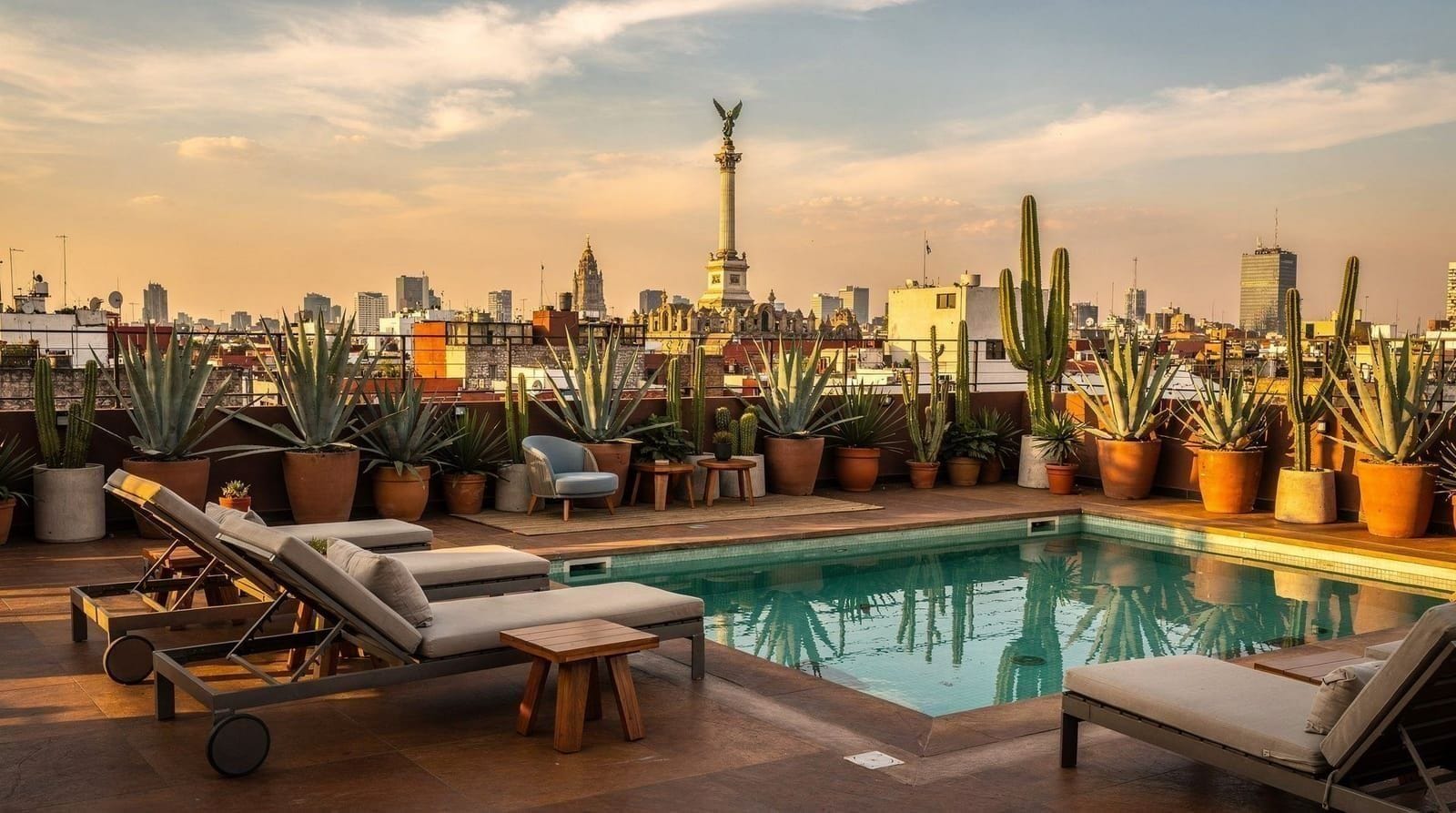
Roma and Condesa are adjacent neighbourhoods in the west of Mexico City — broadly walkable between each other (about 15 minutes on foot), sharing a character that is informal, architecturally interesting, rich in cafés and restaurants, and safe enough for solo travellers and families with children. They are also where most international visitors from the US, Canada, and Europe choose to stay, because they offer the highest density of good places to eat and drink within the smallest geographic area in the city.
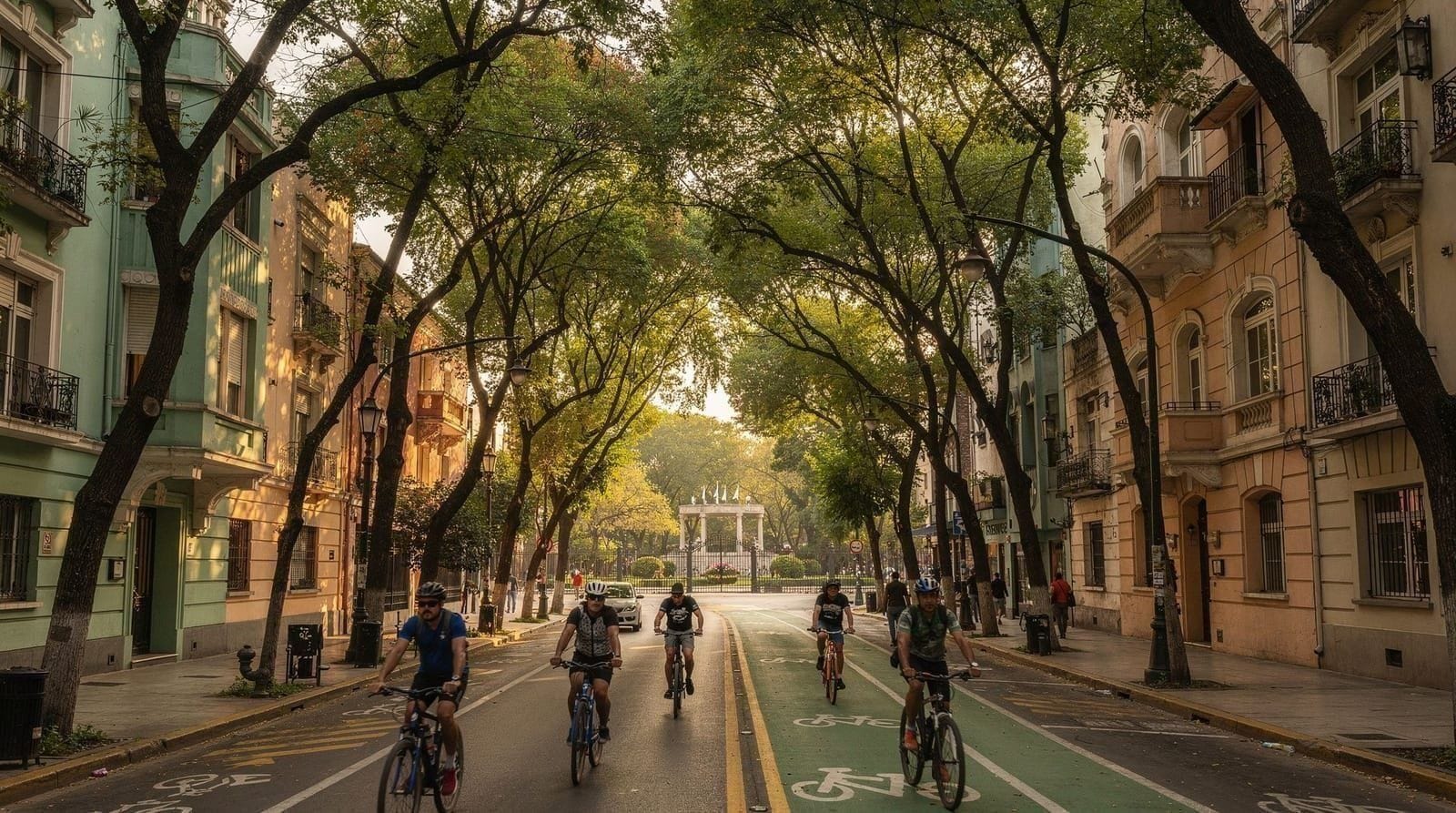
Roma is divided into Roma Norte (north of Álvaro Obregón) and Roma Sur (south). Roma Norte is the more densely visited of the two, centred on Álvaro Obregón Avenue and the streets around Orizaba, Tonalá, and Ámsterdam. Roma Sur is quieter, slightly cheaper, and has excellent local restaurants. Condesa has a more polished residential feel — Art Deco apartment buildings, Parque México (the oval park ringed by tall trees and weekly farmers’ markets), and Parque España. Between the two, most basic visitor needs are met within a 15-minute walk.
This guide functions both as a neighbourhood guide and as a planning reference for visitors using Roma or Condesa as a trip base. For a direct comparison of the two neighbourhoods by accommodation type, see the dedicated Roma vs Condesa blog post.
| Where | Adjacent colonias in western CDMX, west of Centro |
| Cost | Meals 80–600 MXN depending on venue; rooms 800–5,000 MXN/night |
| Time needed | 1–2 days to explore, or use as your whole-trip base |
| Getting there | Metro Line 1 to Insurgentes; walkable internally |
| Best time | Year-round; Sunday morning for Parque México market; March–April for jacarandas |
Roma Norte: the restaurant and bar zone
Álvaro Obregón is Roma Norte’s main artery — a wide tree-lined boulevard with a pedestrian median, benches, and some of the highest concentration of restaurants in Mexico City. Within two blocks of this boulevard, roughly between Orizaba and Tonalá to the east and Jalapa to the west, are approximately 200 restaurants, cafés, mezcalerías, and bars within a walkable circle.
Several of Mexico City’s most-discussed restaurants are here. Contramar on Durango 200 is the city’s most perpetually in-demand seafood restaurant — the tuna tostadas and the red-and-green painted fish have been photographed more than any other dish in Mexico City. Reservations are essential (they open in person at 9:00 for same-day lunch slots, which fill by 9:15). Maximo Bistrot on Tonalá 133 runs a seasonal market-driven menu from Ricardo Muñoz Zurita’s sourcing. Lalo on Zacatecas 173 for breakfast from 8:00. These are names that deliver consistently, not arbitrarily selected influencer recommendations.
The neighbourhood’s specialty coffee culture is just as identity-defining as its restaurants — small-batch roasters cluster around the same blocks as the mezcalerías, and a specialty coffee roasters and sensory tour is a good way to taste the scene properly, from bean sourcing to cupping, rather than guessing between cafés.
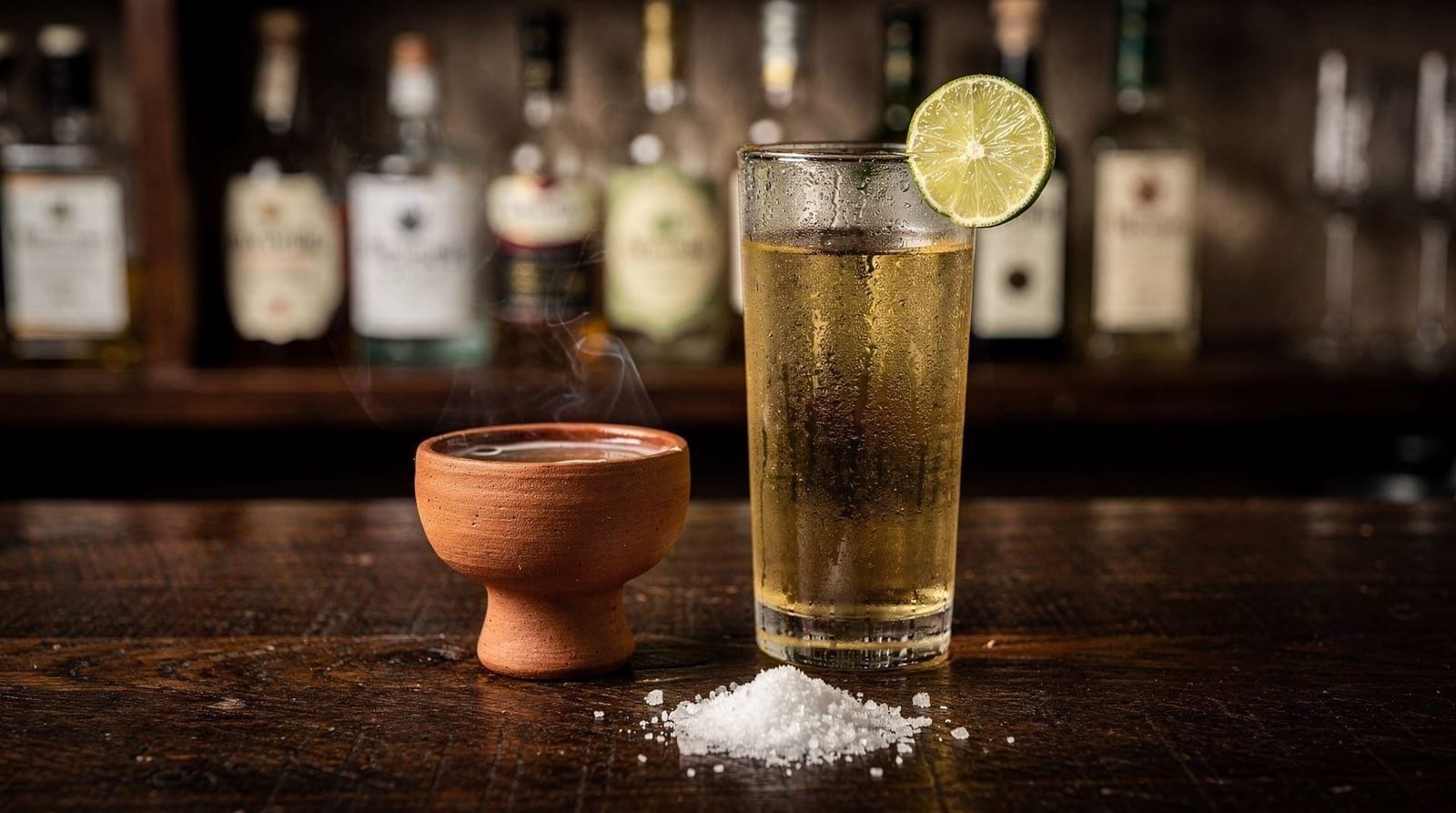
For mezcal: Pare de Sufrir on Orizaba 101 is a genuine mezcalería with a deep selection of small-batch mezcals. El Palenque in Roma Sur for traditional production mezcals at lower prices than tourist-facing bars. Baltra Bar on Iztaccíhuatl for serious cocktails in a low-key space. The mezcal vs tequila guide covers the production difference and how to read a mezcal menu.
Condesa: parks, Art Deco, and the oval streets
Condesa’s layout is unusual for Mexico City: the streets curve around two oval parks — Parque México and Parque España — creating a neighbourhood that feels intentionally designed for human scale rather than the colonial grid logic that governs most of the rest of the city. The apartment buildings along Ámsterdam Avenue (which runs in an oval around Parque México) are largely 1930s–1940s Art Deco — some of the best-preserved examples in Latin America, locally called “Porfirian” and post-revolutionary architecture.
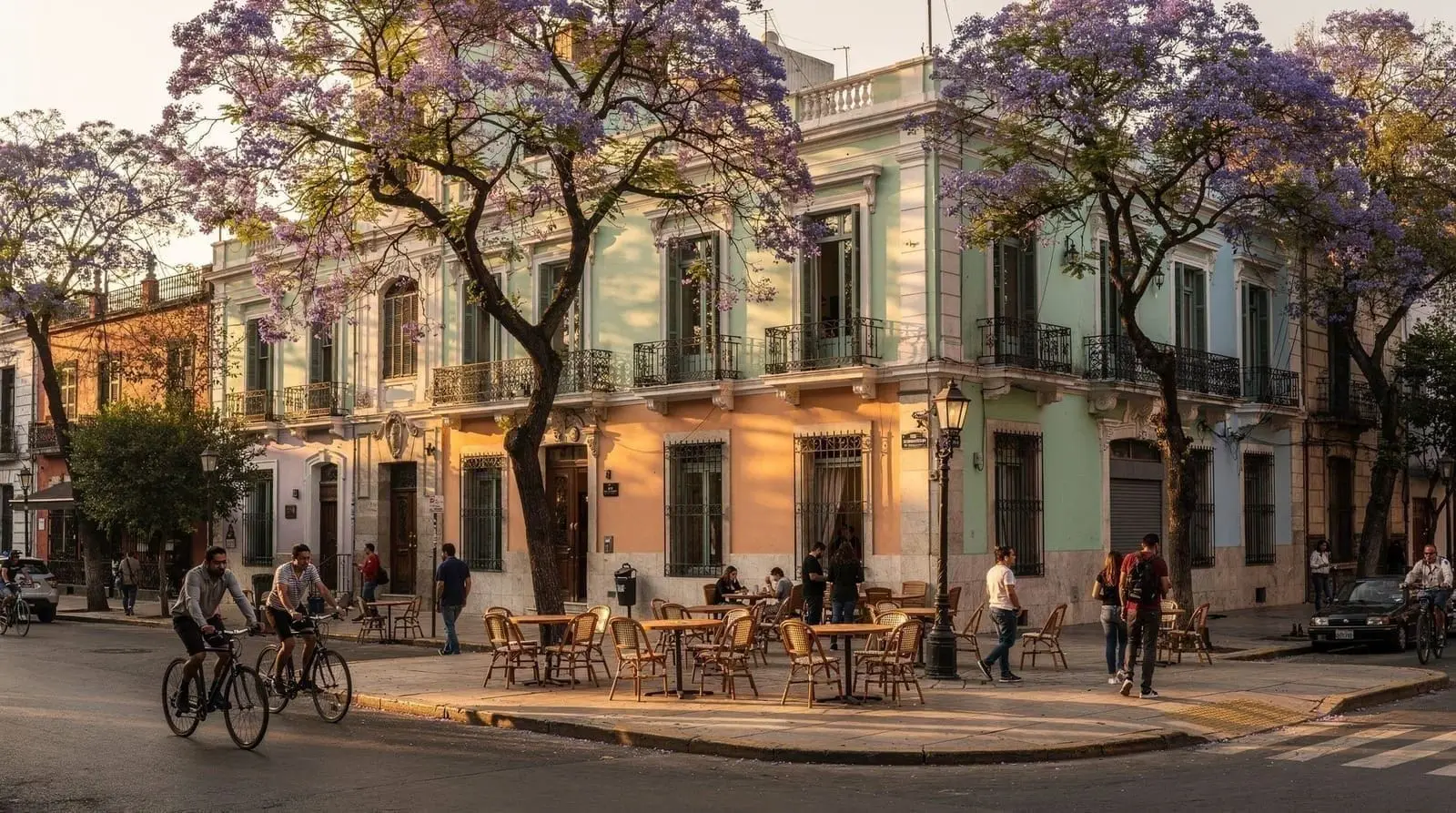
Parque México on Sunday mornings runs a farmers’ market (tianguis orgánico) from 9:00–14:00 at the Ámsterdam entrance — fresh produce, artisan cheeses, prepared food, and plants. The park itself has a duck pond, an art deco bandstand, and old jacaranda trees that bloom purple in March and April, at which point Condesa becomes arguably the most photogenic neighbourhood in the city for casual street photography.
Condesa’s restaurant concentration is slightly lower than Roma Norte’s but quality is high. Rosetta on Colima 166 (now with a bakery extension on the same block) is the restaurant most consistently named as a benchmark for Roma-Condesa dining — Italian-Mexican fusion, 300–600 MXN for mains, reservations required weeks in advance for dinner. Azul Condesa on Nuevo León 68 for regional Mexican at more accessible prices (150–250 MXN for mains).
Food tours and bike tours in Roma-Condesa
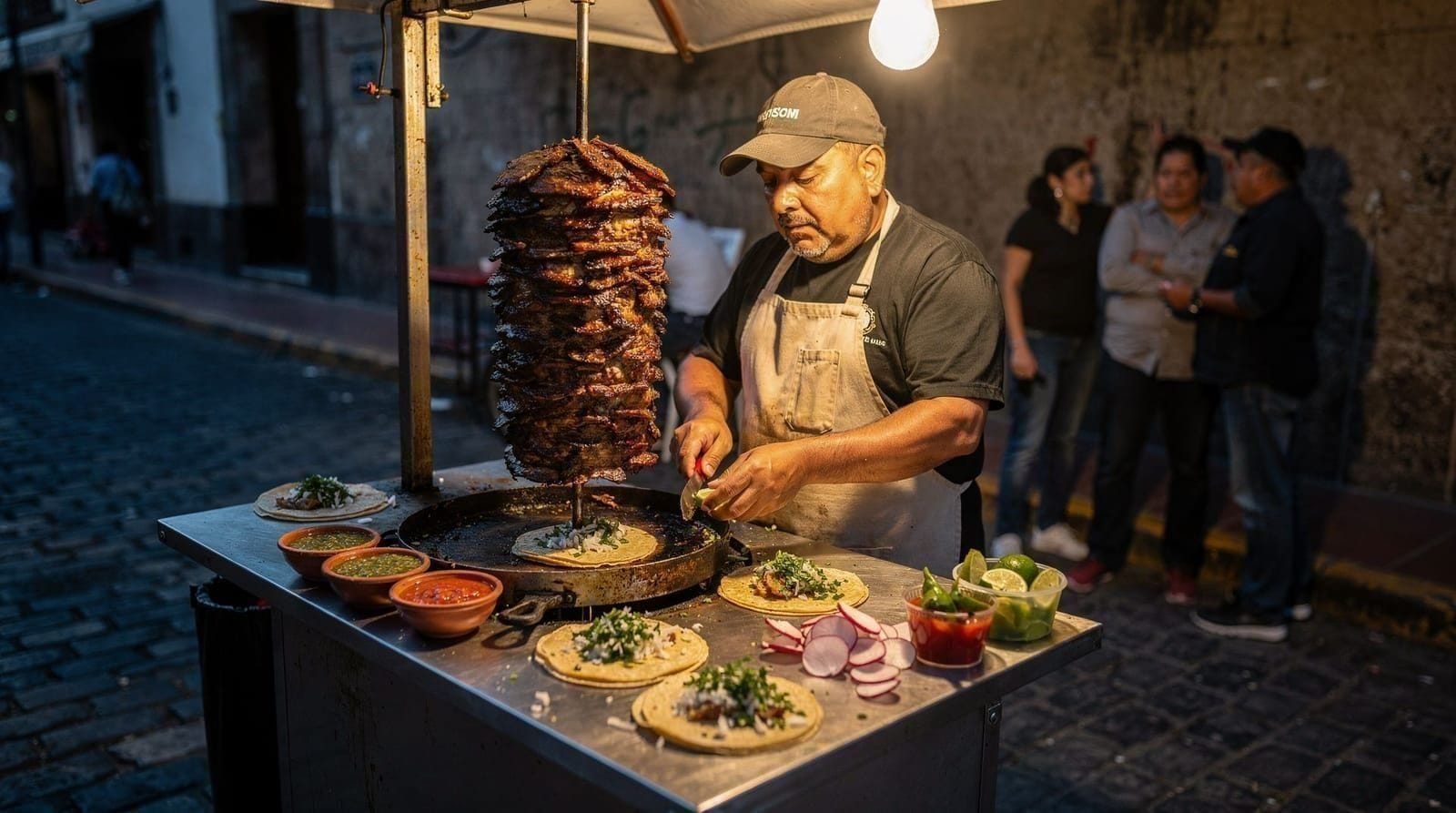
The neighbourhood’s restaurant density makes it the natural starting point for guided food tours, and several of Mexico City’s best operators run evening taco and mezcal circuits through Roma Norte’s streets. A three-hour Tacos and Mezcal night food tour covers eight to ten food stops across Roma Norte and neighbouring blocks, with a guide explaining the different taco styles (al pastor, suadero, barbacoa, birria) and mezcal variants along the way. The Mexico City street food guide has the independent alternative for self-guided food walking.
For cycling, the Sunday ciclotón lane closure of Reforma Boulevard makes a bike tour along Reforma and into Chapultepec the most enjoyable way to cover the 4 km from Roma to the park — the lanes are car-free until noon on Sundays. The getting around Mexico City guide covers the Ecobici bike-share system, which has stations throughout Roma and Condesa and costs 60 MXN/day.
Staying here: practical notes for visitors
Roma and Condesa have the highest density of Airbnb and hotel options in Mexico City, ranging from budget-to-mid (800–1,200 MXN/night) to boutique upscale (2,500–5,000 MXN/night). The neighbourhood is generally safe for walking, including at night on the main restaurant streets. After midnight, the main risk is street robbery around ATMs — use ATMs inside shops or banks, not standalone machines.
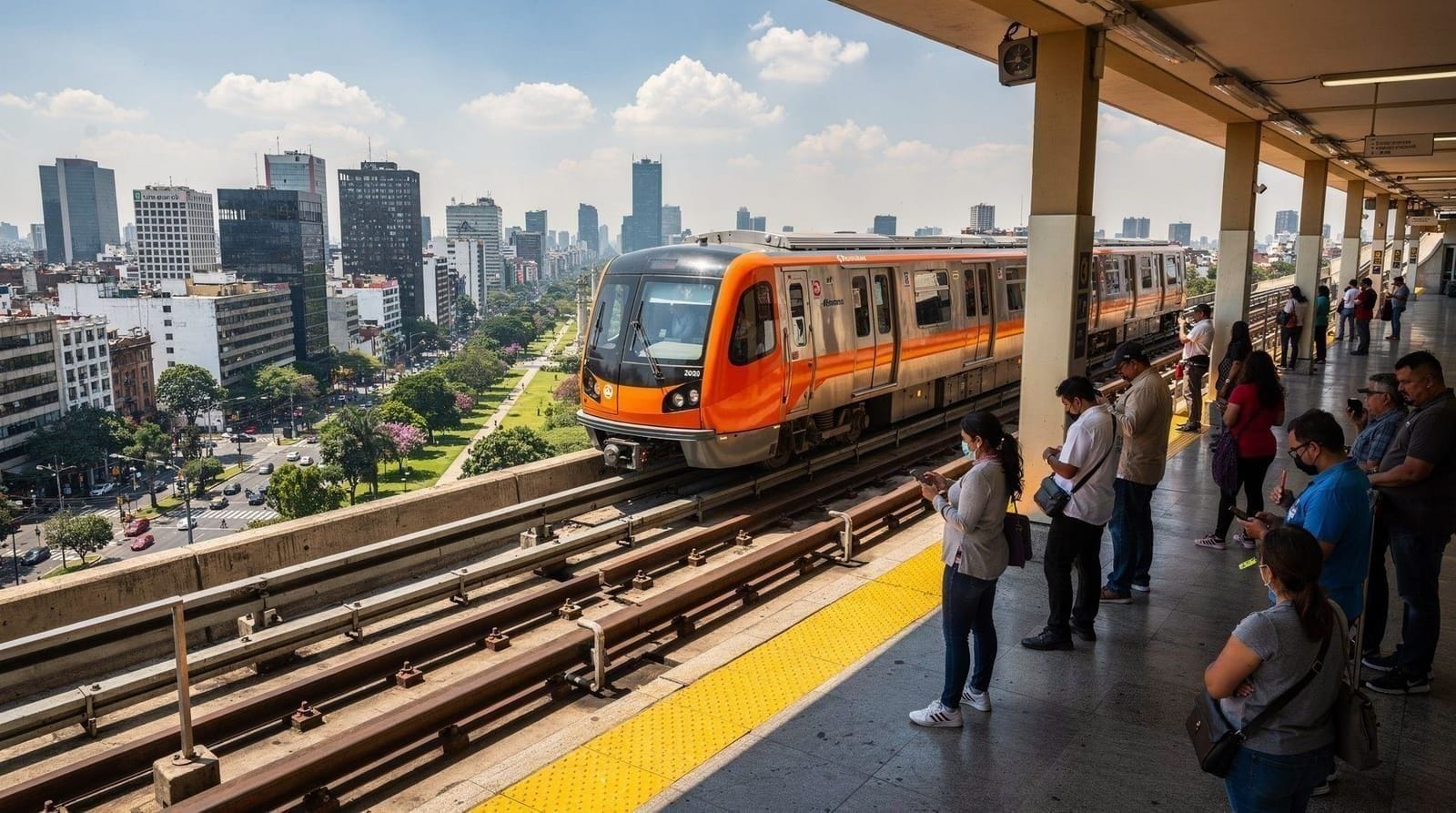
The Metro (Line 1 to Insurgentes station) is useful for reaching the Zócalo and Centro Histórico in under 20 minutes for 5 MXN. Uber/DiDi is prevalent and cheap — typically 40–80 MXN within Roma-Condesa. The where to stay guide covers Roma Norte, Roma Sur, Condesa, and Polanco as the main options for first-time visitors, with pros and cons for each.
What happened in 1985 and why the neighbourhood looks young
In September 1985, a magnitude 8.1 earthquake struck central Mexico and caused catastrophic damage across Mexico City. Roma and Tepito were among the worst-affected areas; thousands of buildings collapsed or were structurally compromised, including much of the apartment stock in Roma Norte and Roma Sur. The neighbourhood was partially rebuilt in the late 1980s and 1990s, which is why some streets mix early-20th-century Art Nouveau buildings with 1990s construction — the gaps were filled.
The earthquake memorial on Álvaro Obregón marks one of the sites of building collapses. A second earthquake on September 19, 2017 (September 19 being the same calendar date as 1985, which was treated as an extraordinary coincidence) caused further damage in Roma and Condesa; the reconstruction from 2017 is more recent, which explains some of the newer-looking structures on older streets.
The 1985 earthquake was also a political inflection point: the Mexican government’s inadequate response to the disaster spurred civil society organisations and neighbourhood-level self-help groups that are credited with accelerating Mexico’s democratic transition. Roma Norte’s activist political culture — visible in the murals on walls and the neighbourhood assemblies that still meet — descends partly from this period.
Day trips and connections from Roma-Condesa
Roma and Condesa’s central position makes them good logistical bases for the city’s main day-trip destinations. Uber to the Zócalo takes 15–25 minutes; the Metro goes to Tasqueña (Line 2 from Insurgentes to southern terminus) where the Tren Ligero to Xochimilco departs. Buses from Taxqueña to Tepoztlán (80–120 MXN, 1.5 hrs), Taxco (250–350 MXN, 2.5 hrs), and Cuernavaca depart from the adjacent terminal. The Terminal Norte for buses to Teotihuacán and Tula is accessible via Metro Line 5 from Pantitlán (transfer at Insurgentes or Pino Suárez).
Teotihuacán is the primary day trip from Roma-Condesa for most visitors: the direct bus from Terminal Norte takes 60–75 minutes and costs 60–85 MXN. The 3-day Mexico City itinerary builds the full first-timer week from a Roma base.
The day trips guide covers all major excursions from Mexico City with transport options from different neighbourhoods.
Altitude note
At 2,240 m, Roma and Condesa are at exactly the same altitude as the rest of Mexico City. First-time visitors from sea-level cities often feel slight breathlessness or headache on the first evening. This is normal, passes within 24–48 hours, and is rarely severe at this elevation. Hydrate, avoid heavy alcohol on arrival day, and sleep well. The altitude guide covers this in detail.
Roma-Condesa with children
Roma and Condesa are among the easier bases for families: Parque México and Parque España have playgrounds, wide paths for scooters and strollers, and a duck pond that holds young children’s attention; restaurant density means picky eaters have options within a short walk of most accommodation. The main caution is traffic on the larger avenues (Insurgentes, Álvaro Obregón) — cross at marked lights rather than mid-block. The Mexico City with kids guide covers stroller-friendly routes through both parks in more detail.
How Roma-Condesa compares to a Coyoacán base
Some first-time visitors weigh Roma-Condesa against Coyoacán as a base. Roma-Condesa wins on restaurant density, nightlife, and central position for day trips; Coyoacán offers a quieter, more colonial atmosphere but sits farther from Centro and Chapultepec. Most visitors find Roma-Condesa the more practical base and visit Coyoacán as a day trip rather than the reverse. The itinerary length guide has suggested day allocations for both.
Frequently asked questions about Roma and Condesa
Is Roma or Condesa better for first-time visitors?
Roma Norte for those who prioritise restaurant and bar access and a slightly more urban feel. Condesa for those who want quieter streets, park access, and slightly more polished surroundings. Both work excellently as a base; the difference in daily life is marginal. The Roma vs Condesa comparison covers the specific decision factors in detail.
What are the best restaurants in Roma-Condesa?
Contramar (Roma Norte, Durango 200) for seafood — arrive at 9:00 for walk-in lunch. Rosetta (Condesa, Colima 166) for Italian-Mexican — book weeks ahead for dinner. Maximo Bistrot (Roma Norte, Tonalá 133) for seasonal market menus. Lalo (Roma Norte, Zacatecas 173) for breakfast. El Bajío (multiple locations) for regional Mexican at accessible prices.
How do I get from Roma/Condesa to the Zócalo or Centro?
Metro Line 1 from Insurgentes to Pino Suárez takes about 20 minutes and costs 5 MXN. Uber takes 20–30 minutes and costs 50–80 MXN. Metrobús Insurgentes runs north–south along Insurgentes and connects to several Metrobús transfer points for the Centro.
Is Roma/Condesa safe at night?
Yes, on the main restaurant and bar streets. Álvaro Obregón, Orizaba, Tonalá, and Ámsterdam/Parque México are well-lit and busy until midnight. Streets away from the restaurant zone after midnight require standard urban caution. Refer to the Mexico City safety guide for specifics.
How many days should I actually spend in Roma-Condesa itself?
Most visitors don’t allocate dedicated “Roma-Condesa days” — instead, they base themselves here and use it as the departure point for daily excursions to Centro, Coyoacán, Chapultepec and Teotihuacán, then return each evening to eat. Set aside one unhurried morning or afternoon purely for walking the neighbourhood itself (Parque México, Ámsterdam, Plaza Río de Janeiro), and let the rest of your time here happen naturally around meals.
Are there things to do in Roma/Condesa beyond eating and drinking?
The Mercado Medellín on Medellín 243 is a traditional neighbourhood market with excellent prepared food, produce, and the most consistent carnitas stall in the area. The Museo del Objeto del Objeto (MODO) on Colima 145 in Roma Norte is a small design museum with rotating exhibits that are often better than expected. Plaza Río de Janeiro, half a block from Álvaro Obregón, has a replica of Michelangelo’s David and is a pleasant afternoon spot.
What is the jacaranda season and should I time my visit?
March and April bring Mexico City’s jacaranda bloom — thousands of trees flower simultaneously in purple throughout Roma, Condesa, and Coyoacán. The effect on Ámsterdam Avenue in Condesa, which is lined with old jacarandas, is spectacular. See the jacaranda season guide for precise timing and the best viewing streets.
Which food tour is best if I only have one evening in Roma-Condesa?
A guided evening tacos-and-mezcal circuit is the most efficient option for a single evening — it covers several stops and styles in three hours without requiring you to research individual taquerías. The best food tours in Mexico City guide compares operators and formats across the city if the Roma Norte circuit isn’t the right fit for your dates.
Top experiences
Bookable activities with verified prices and instant confirmation on GetYourGuide.