National Museum of Anthropology guide: what to see and how to plan your visit
Mexico City: National Museum of Anthropology Guided Tour
How long do you need at the National Museum of Anthropology in Mexico City?
Plan 2.5–3.5 hours minimum to see the ground-floor archaeological galleries, including the Mexica (Aztec) hall and the Oaxacan collections. A thorough visit covering all 22 galleries (ground and upper floors) takes a full day. Entry costs 210 MXN ($11 USD); Sundays are free for Mexican nationals. The museum closes Mondays.
Why the Anthropology Museum matters
The Museo Nacional de Antropología (MNA) is not just Mexico City’s best museum. Many serious archaeologists and museum professionals consider it the finest pre-Columbian museum in the world — not because of its building (though the 1964 Pedro Ramírez Vázquez structure is a landmark of Mexican modernism) but because of the quality, breadth and depth of its collection.
This museum holds what survived from more than thirty distinct pre-Columbian civilizations spread across 3,000+ years of Mexican history. The archaeological finds from Teotihuacan, Monte Albán, Palenque, Chichén Itzá, Tenochtitlan and dozens of other sites are displayed here in a coherent, properly contextualized setting rather than scattered across smaller regional institutions. If you visit Mexico City without seeing this museum, you have skipped the entire explanatory framework of the country’s history.
The challenge: the museum is large. With 22 permanent galleries across two floors, a scattered visit covering everything briefly leaves you exhausted and underinformed. This guide gives you a prioritized route.
| Where | Bosque de Chapultepec, Metro Auditorio (Line 7) |
| Cost | 210 MXN (around $11 USD); free Sundays for nationals |
| Time needed | 3 hrs focused / full day thorough |
| Getting there | Metro Line 7 to Auditorio, 5–7 min walk |
| Best time | Tuesday–Friday mornings, opening time |
Getting there
The museum is at the northern end of Bosque de Chapultepec (Chapultepec Park) — see the Chapultepec and Polanco destination page for the full area. The most practical transit access:
- Metro Line 7 (pink line) to Auditorio station. Exit and follow the signs north through the park — 5–7 minutes’ walk.
- Metrobús Line 7 along Reforma serves stops near the park entrance.
- Uber/DiDi: Drop-off on Paseo de la Reforma outside the park entrance. About 80–120 MXN from Roma or Condesa.
The museum’s main entrance faces Reforma. Chapultepec Park itself has free entry; the museum’s entry fee applies at the museum doors.
Tickets and practical planning
Entry fee: 210 MXN (approximately $11 USD). Cash or card accepted at the entrance.
Free entry: Sundays for Mexican nationals and residents. This makes Sundays very crowded — go Tuesday through Saturday for a calmer visit.
Hours: 09:00–18:00 Tuesday to Sunday. Closed Mondays.
Photography: Personal photography (phone and camera without tripod) is free. No flash permitted near the artifacts. Professional photography and tripods require advance authorization.
Cloakroom: Required for large backpacks. Lockers are available near the entrance.
Audio guide: Official audio guides are available in several languages for a fee. Quality is variable by section — the Mexica and Teotihuacan halls have the best commentary.
The digital guide with museum entry combines the ticket with audio content on your phone — useful if you want interpretation without hiring a live guide.
The ground floor: archaeological galleries
The ground floor is organized in a rough chronological sequence, starting with an introduction to Mexico’s diverse anthropological heritage and moving through the major civilizations. For a focused visit of 3 hours, prioritize these rooms:
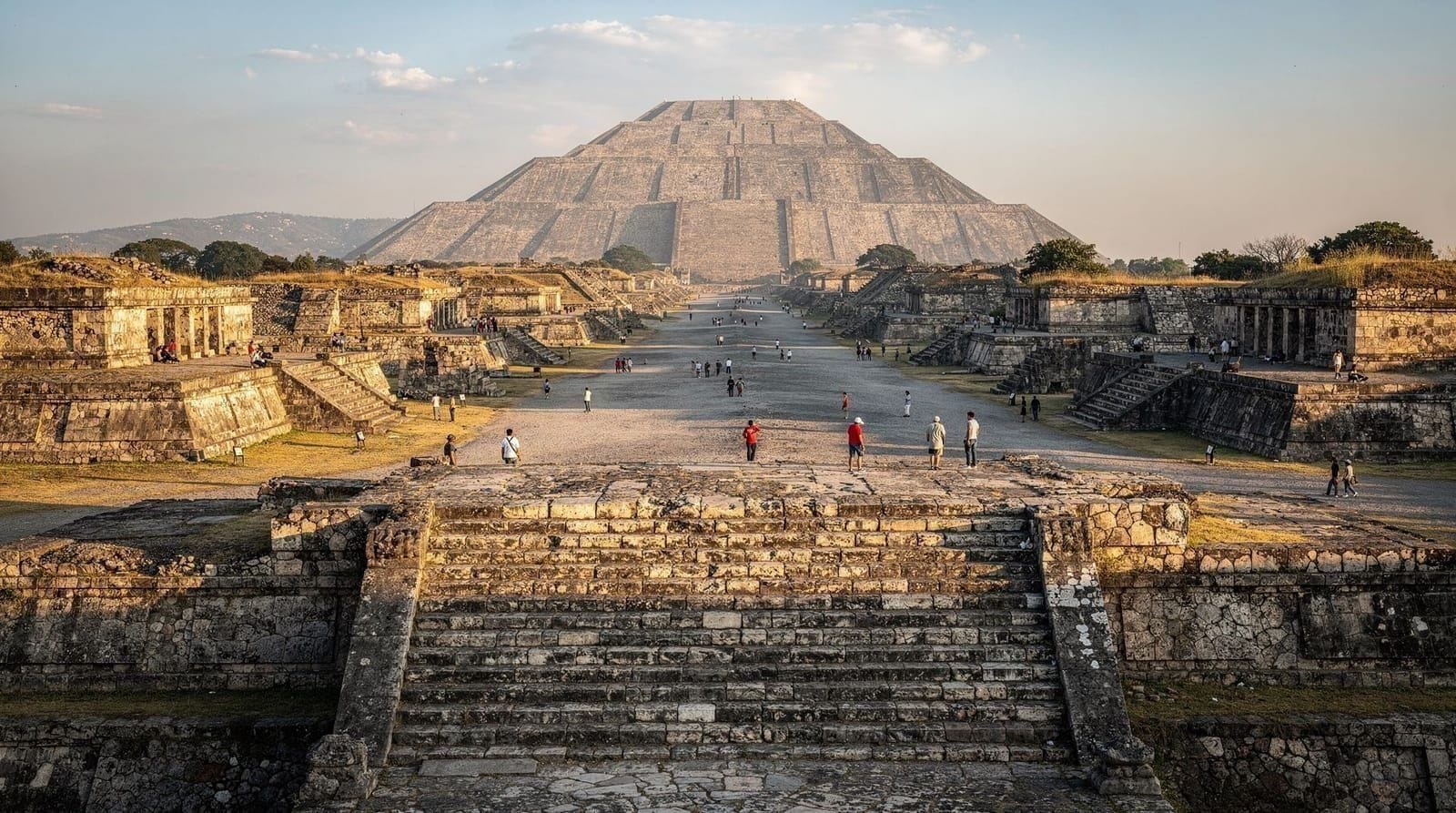
Room 3 — Teotihuacan: Artifacts from the city you may visit as a day trip from Mexico City. The replica of the Tlaloc rain deity vessel, murals from the apartment compounds, and the detailed scale model of the city in its 5th-century peak are all here. The model especially helps visualize the site before you go, or puts your visit in context after.
Room 4 — Toltec: Covers the civilization centred at Tula, with warrior column sculptures and the emergence of Quetzalcoatl as a pan-Mesoamerican deity.
Room 5 — Mexica (Aztec): This is the room that makes the museum famous, and it justifies a full hour by itself. The Sun Stone (Piedra del Sol) dominates the hall — a 3.6 m basalt disc of extraordinary craftsmanship. Beside it, the Coatlicue statue (the earth goddess, 2.7 m tall, covered in serpents and skulls) represents the Aztec understanding of creation and destruction. The Tlaloc monolith near the museum entrance is technically outdoors; this room has the second Tlaloc vessel. Numerous ritual objects, sacrifice stones, and temple decorations from Tenochtitlan fill the cases.
Room 6 — Oaxaca: Zapotec and Mixtec civilizations. The gold jewelry recovered from Monte Albán Tomb 7 — arguably the finest pre-Columbian goldwork in any museum — is displayed here. Do not rush through this room.
Room 7 — Gulf Coast (Veracruz and Olmec): The Olmec civilization predates Teotihuacan by centuries. The colossal heads (reproductions here; originals at La Venta) show a cultural sophistication at 1500–1000 BCE that archaeology is still explaining. The ball game paraphernalia from El Tajín is also here.
Rooms 8–10 — Maya: Three halls covering Maya civilization. Highlights include an elaborate reproduction of the Palenque tomb of Pakal (an exact replica of the sarcophagus and burial chamber, underground), original carved stelae, and the Bonampak mural reproductions — floor-to-ceiling painted battle and ritual scenes that are among the most complete surviving examples of Maya art.
The central courtyard
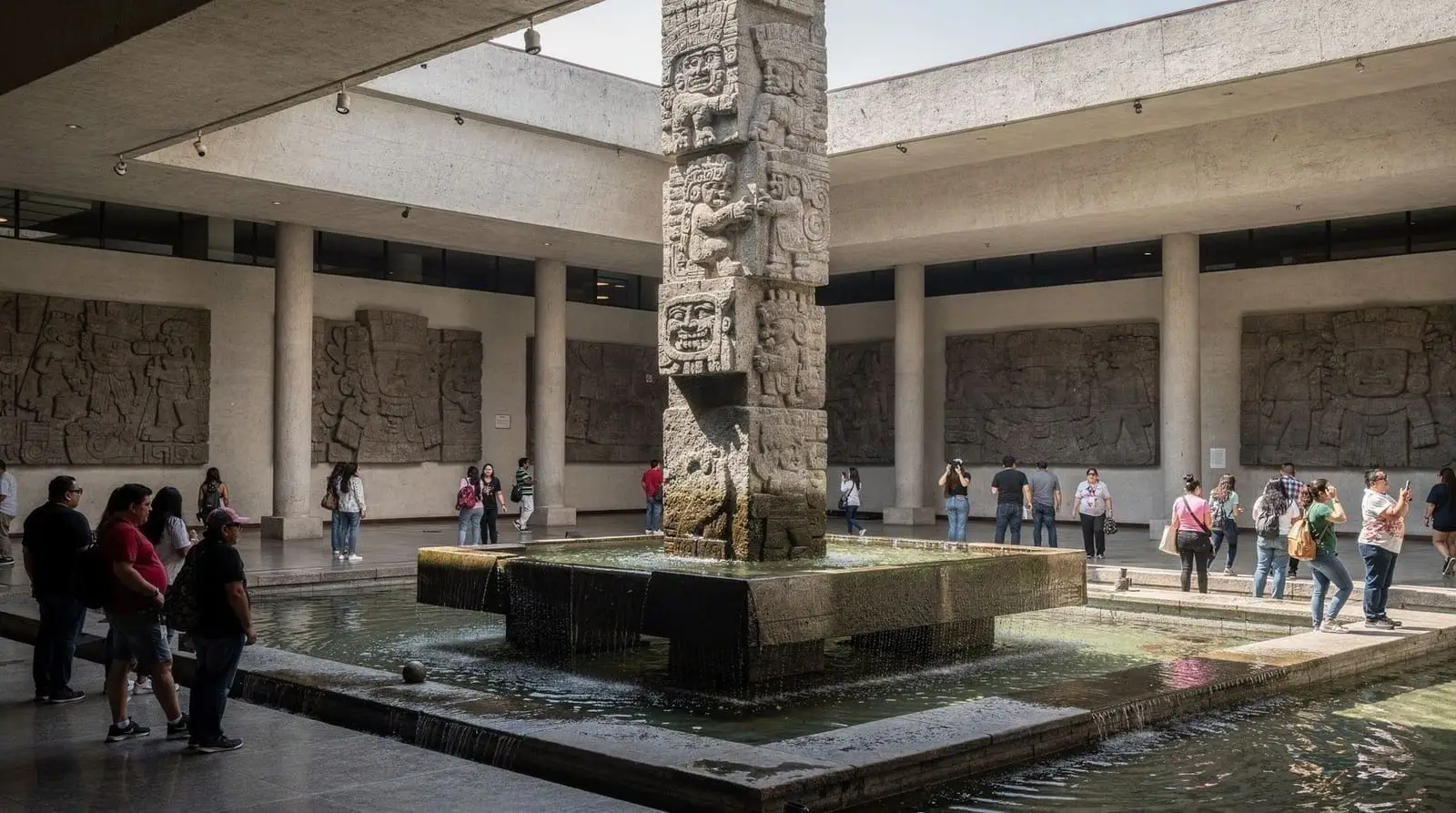
Pedro Ramírez Vázquez’s 1964 building organizes all 24 galleries around a large central courtyard. The iconic fountain structure — El Paraguas (the Umbrella) — is a single 11-metre concrete column supporting a 4,200 m² steel roof from which a circular water curtain falls. It is both a piece of engineering theatre and a rest point between galleries.
The courtyard is excellent for a break — there’s a café and seating. Resting here between the Mexica and Maya halls resets your attention before the second round.
The upper floor: ethnographic galleries
The upper floor mirrors the archaeological rooms below, but covers living indigenous cultures rather than ancient civilizations. The Purépecha, Nahua, Maya, Mixtec and Zapotec communities are represented with textiles, ritual objects, architectural models of contemporary villages, and photography.
Most international visitors spend less time here than on the ground floor. For visitors interested in contemporary Mexican culture and the continuity between pre-Columbian civilizations and living indigenous communities, the upper floor is deeply rewarding. Particularly strong: the Otomí textile collection (Room 5 upper) and the Yucatec Maya section.
Guided tour options
The private guide tour of the Anthropology Museum is the highest-quality option — a licensed guide devoted to your group, focusing on the rooms most relevant to your interests. This is especially valuable for the Mexica and Teotihuacan halls where the iconography is dense and the signage doesn’t fully explain the religious and cosmological system.
Official museum guides at the entrance are available in Spanish, English and French. Price is negotiable but typically 400–700 MXN for a 2-hour guided tour.
For visitors who prefer a small-group format over a private guide, the guided small-group tour of the Anthropology Museum covers the same priority rooms at a lower per-person cost than a private guide, while still moving at a slower pace than the crowds of independent visitors clustering around the Sun Stone.
If you only have 90 minutes
Not every visitor can give the museum a full morning. If your schedule only allows 90 minutes, skip straight to the two rooms that justify the museum on their own: Room 5 (Mexica/Aztec) for the Sun Stone and Coatlicue, and Room 8–10 (Maya) for the Pakal tomb reproduction and the Bonampak murals. Walk directly from the entrance to Room 5 rather than working through the rooms in chronological order — the Toltec and Gulf Coast halls (Rooms 4 and 7) are worth returning to on a second visit but are the first to cut under time pressure. Skip the upper ethnographic floor entirely on a 90-minute visit; it rewards visitors with more time, not less.
Photographing the collection
Personal photography (phone or camera, no tripod, no flash) is allowed throughout most galleries, including in front of the Sun Stone and Coatlicue. The lighting in the Mexica hall is deliberately dramatic and low, which makes phone photography inconsistent — steady your hands against a case edge rather than relying on a flash the museum prohibits. The central courtyard, with El Paraguas and its water curtain, photographs best around midday when direct sun hits the fountain. Avoid photographing other visitors’ faces without asking, particularly around the Sun Stone where crowds cluster for the same shot.
Museum vs site: which order makes sense
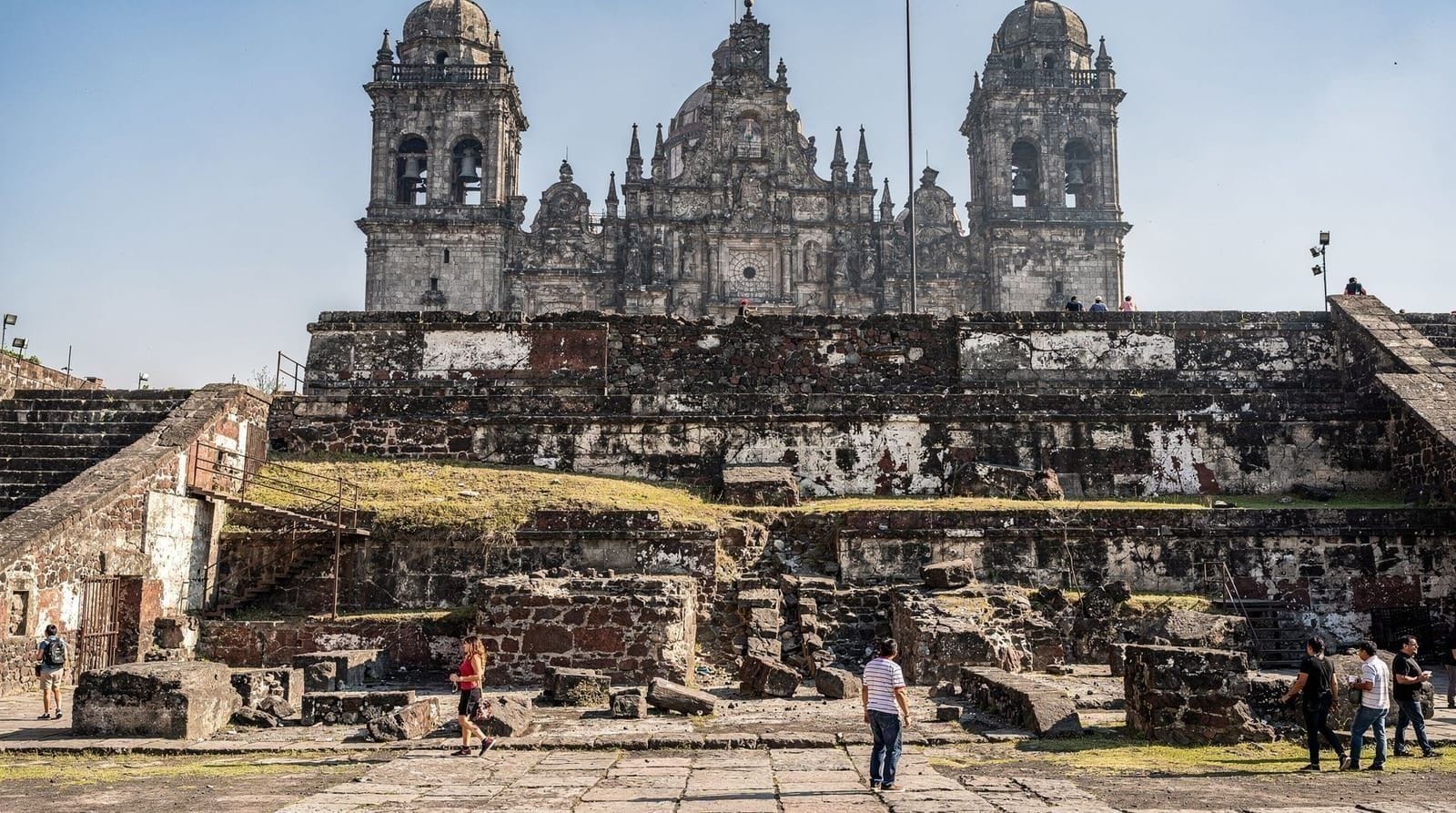
If your itinerary also includes Teotihuacán or the Templo Mayor, the order matters less than actually doing both. Visiting the museum first gives you a scale model and artifact context before you stand among the real pyramids; visiting the site first and the museum after lets you recognise objects you saw in situ. Neither order is wrong — what matters is not skipping one because you assume the other covers it. The Templo Mayor ruins in the Zócalo are Mexica-specific and complement Room 5 directly; Teotihuacán predates the Aztecs by a thousand years and complements Room 3.
Combining with other Chapultepec sites
The museum sits inside Chapultepec Park alongside several other attractions. A well-paced day in Chapultepec combines:
- Anthropology Museum (3 hours, morning start)
- Walk through Bosque de Chapultepec (30 minutes)
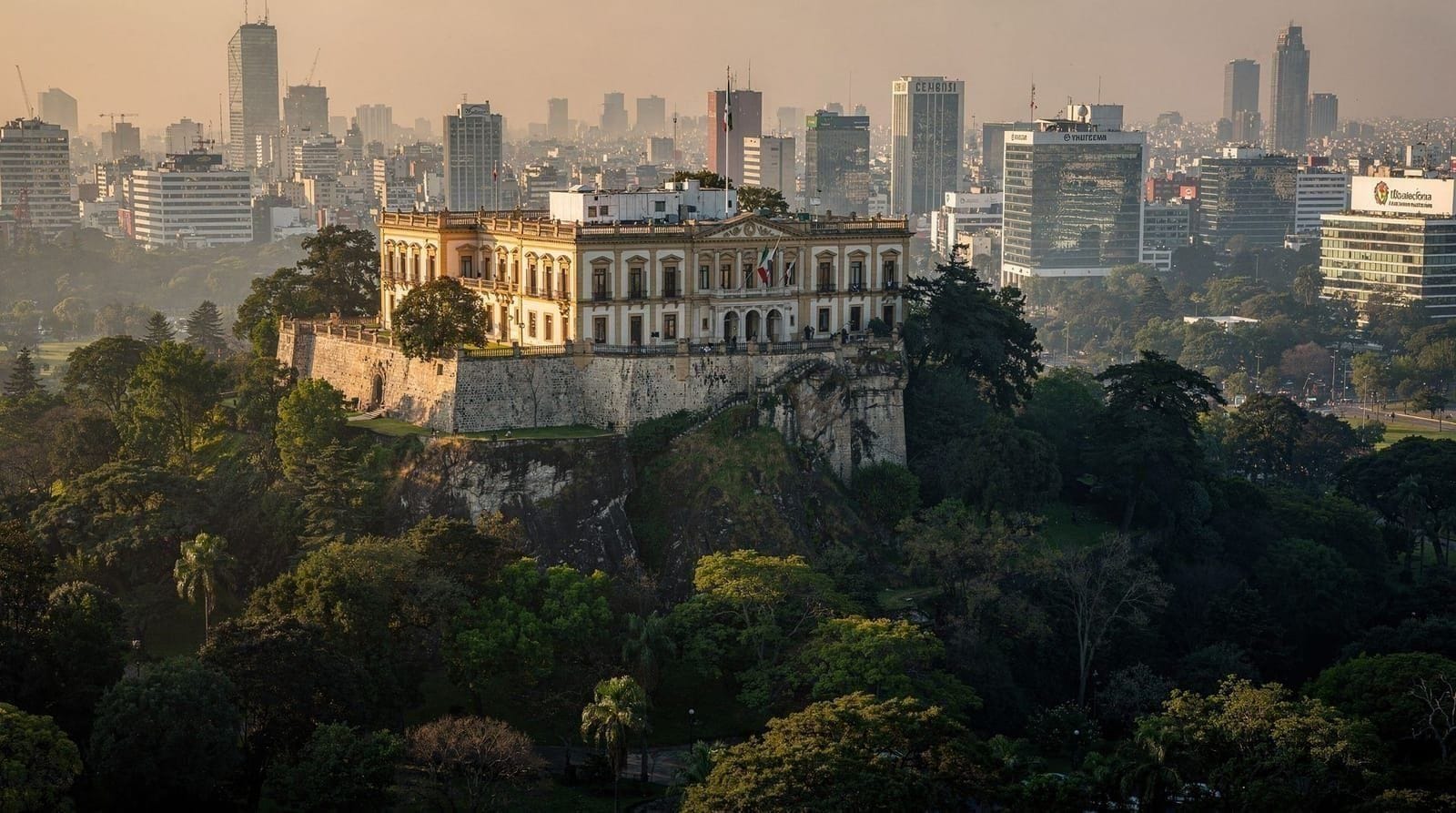
- Chapultepec Castle (1.5 hours) — see the Chapultepec Castle guide
This is a full but achievable day for visitors in reasonable shape. The castle and museum are about 600 m apart on foot through the park. Entry fees are separate. For a single organized outing that folds the park walk and a meal into the museum visit, the extended visit to the museum and the forest with a pre-Hispanic food option pairs the galleries with time in Bosque de Chapultepec and a tasting of pre-Hispanic-inspired dishes. See the getting around Mexico City guide for combining this with other parts of the city on the same trip.
Fitting the museum into your trip
The museum works best as a morning anchor. If you are still deciding how many days to give the city, the Mexico City itinerary guide shows where a museum morning fits, and the 3-day and weekend plans both leave room for it. Travelling as a family? The family itinerary handles pacing for younger visitors.
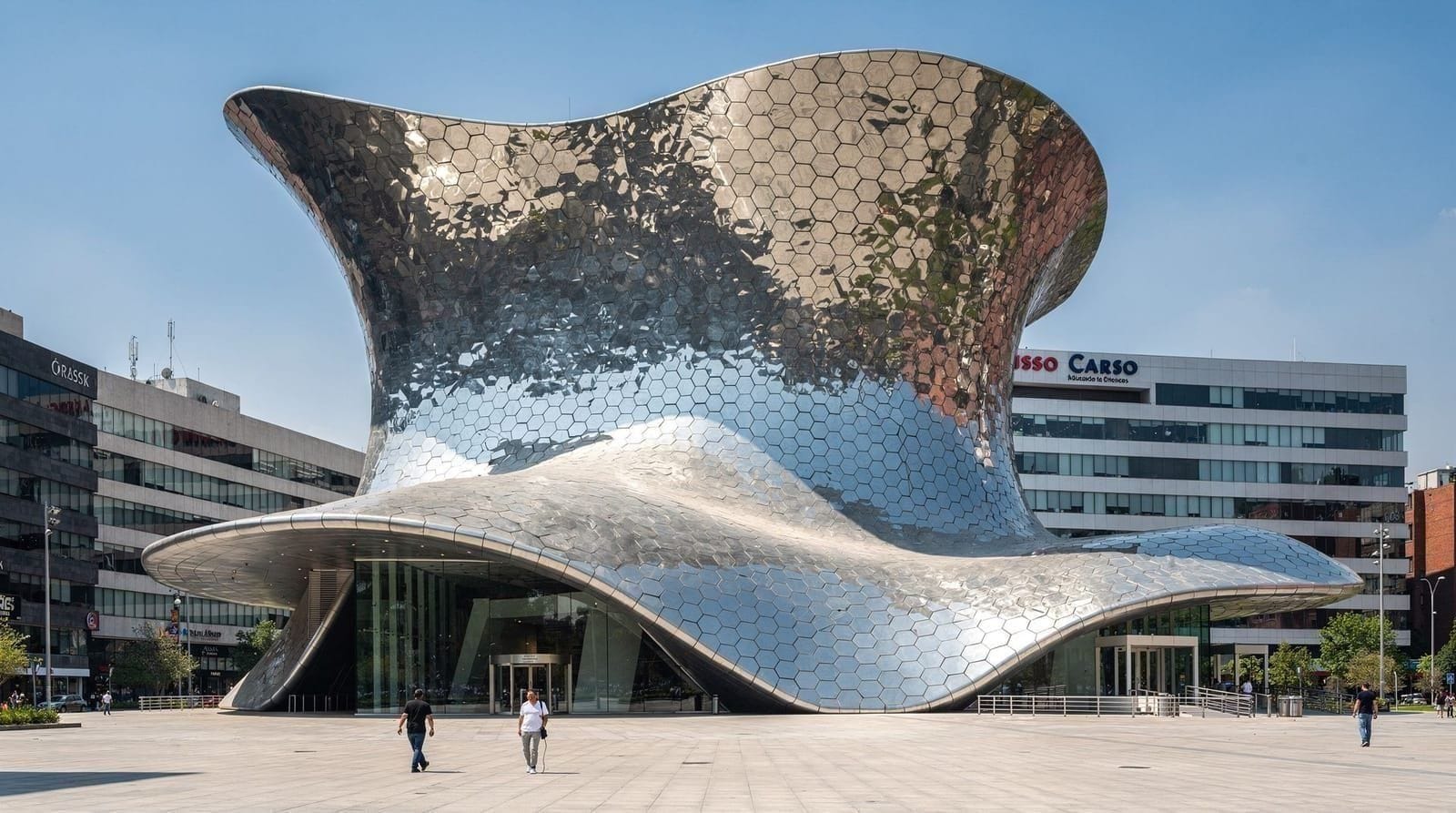
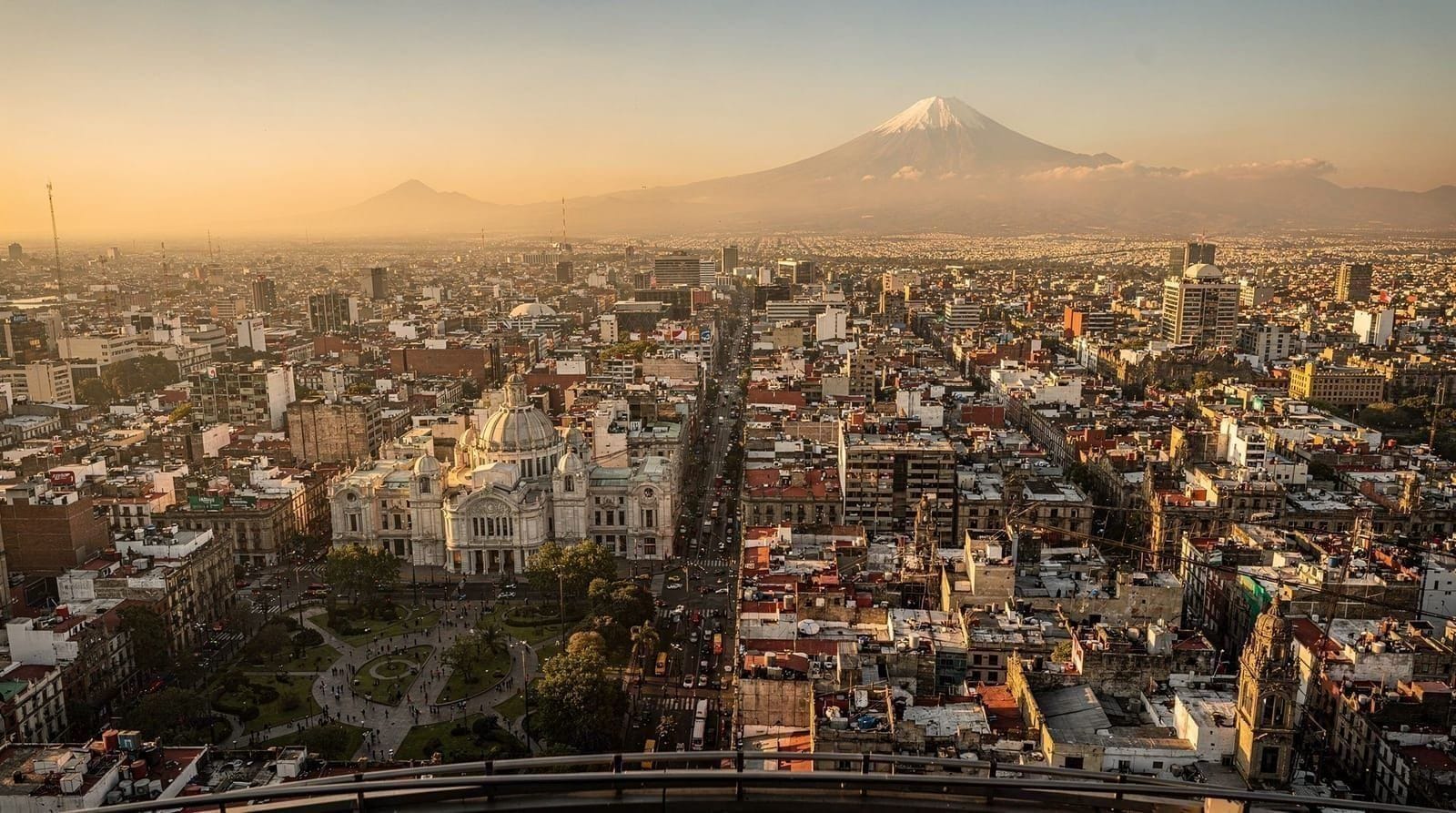
Because the galleries are dense, it helps to pair the museum with something lighter in the afternoon. Coyoacán and its walking guide make a relaxed contrast, while the Palacio de Bellas Artes guide and the Soumaya Museum suit visitors who want more art after the archaeology.
If you are choosing a base, the where to stay guide explains which neighbourhoods put you closest to the park, and the Roma and Condesa page covers the area many visitors pick. Timing matters too: the best time to visit and the altitude guide are worth a read before you plan a long day on your feet.
Frequently asked questions about the Anthropology Museum
Is the Sun Stone really an Aztec calendar?
No. The “Aztec Calendar Stone” is a persistent and incorrect identification. The Sun Stone records the Aztec creation myth — five cosmological ages (suns) with the current age at the centre — and includes imagery related to ritual sacrifice. It was not used as a daily calendar. The Aztecs used a complex 365-day solar calendar (Xiuhpohualli) and a 260-day ritual calendar (Tonalpohualli), but the Sun Stone represents neither of these in a functional sense.
Is the museum suitable for children?
Yes, with some caveats. The scale model of Teotihuacan, the colossal Olmec heads, and the size of the Mexica hall engage children well. Some ritual objects (sacrifice stones, depictions of death deities) may require parental context. The Mexico City with kids guide addresses museum visits for families.
How busy is the museum?
Tuesday through Thursday mornings are the quietest times. Weekends are significantly busier, particularly Sunday (free entry for nationals). The museum is large enough that it rarely feels impossibly crowded, but the Mexica hall on Sunday afternoons can have queue times of 20–30 minutes to view the Sun Stone closely.
Is there a café inside the museum?
Yes, there is a café in the central courtyard and a restaurant adjacent to the building. Quality is adequate for a mid-visit break; the food is unremarkable. Many visitors bring water and snacks. There are restaurants and cafes in the adjacent Chapultepec area for pre or post visits.
Can you see Teotihuacan artifacts here and also visit the site?
Yes, and it’s recommended to do both. The museum’s Teotihuacan room provides artifacts, scale models and interpretive context that are not available at the actual site. Visiting the museum first (or after) enriches the Teotihuacan experience significantly. The Teotihuacan complete guide covers the day trip.
What are the must-see rooms at the Anthropology Museum?
The Mexica (Aztec) hall is unmissable — it contains the Sun Stone (Piedra del Sol), the Coatlicue statue, and the Tlaloc rain deity monolith. The Maya hall has original carved stelae. The Teotihuacan room contextualizes the pyramids with artifacts from the site. The Oaxacan hall covers Zapotec and Mixtec cultures with extraordinary goldwork and Monte Albán finds.
How much is entry to the Anthropology Museum?
Entry costs 210 MXN (approximately $11 USD) per person. The fee applies to non-Mexican visitors; Mexican nationals and residents enter free on Sundays. Children under 13 are free. An official audio guide is available for an additional fee. Photography for personal use is free; no tripods or flash.
Is the Anthropology Museum closed on any days?
The museum is closed every Monday. Open Tuesday–Sunday, 09:00–18:00. Plan your visit for Tuesday–Saturday to avoid the weekend crowds, which are heaviest on Sunday (free admission for nationals).
What is the Sun Stone (Piedra del Sol)?
The Sun Stone is a massive basalt disc 3.6 m in diameter and weighing 24 tonnes, carved around 1427 CE under the Aztec ruler Axayacatl. It is commonly misidentified as an Aztec calendar; it is not — it represents cosmological cycles and the Aztec creation myth, not a functional date-keeping device. It is displayed in the Mexica hall at the centre of the museum and is the single most recognizable object in Mexican archaeology.
How is the museum laid out?
The museum surrounds a large central courtyard with a famous fountain-umbrella (El Paraguas). Ground floor: 12 archaeological galleries organized chronologically and geographically, from introductory halls through the major pre-Columbian civilizations. Upper floor: 12 ethnographic galleries showing living indigenous cultures of Mexico. For most international visitors, the ground-floor galleries are the primary interest.
Is the Anthropology Museum worth a guided tour?
Yes, particularly for the ground-floor archaeological galleries. The museum labels are informative but cover only the basics. A guide contextualizes the relationship between the civilizations, explains iconography, and significantly enriches understanding of the Sun Stone, Coatlicue and the Teotihuacan materials. Official guides are available at the entrance; organized tours from Mexico City also include the museum.
How do I get to the Anthropology Museum from Mexico City center?
The museum is in Chapultepec Park, accessible by Metro Line 7 to Auditorio station (5-minute walk to the museum entrance) or by Metrobús Line 7. It is within walking distance of Polanco (10 minutes) and Reforma. Entry to Chapultepec Park itself is free.
Top experiences
Bookable activities with verified prices and instant confirmation on GetYourGuide.