Mexico City with kids: the honest family guide to CDMX
Mexico City: Xochimilco for Kids and Families
Is Mexico City a good destination for families with children?
Yes — Mexico City is a genuinely excellent family destination with a huge range of child-appropriate activities. The main considerations: altitude (2,240 m causes mild symptoms for 1–2 days, rarely serious in children), tap water safety (bottled water throughout), and choosing neighborhoods wisely. Roma, Condesa, Polanco and Coyoacán are safe and walkable for families.
Why Mexico City works well for families
Mexico City surprises many parents who assume a “big urban Latin American city” means difficult logistics and few child-appropriate activities. In practice, CDMX is one of the better large-city destinations in the hemisphere for family travel:
- Mexican culture is strongly family-oriented; children are welcomed at restaurants, markets and public spaces in a way that is genuinely different from northern European norms
- The range of activities — from Xochimilco canal boats to a dedicated children’s science museum to Six Flags — covers a wide age range
- The city has multiple walkable neighborhoods with parks and low pedestrian hazard
- Day trips to Teotihuacan and Xochimilco are designed for groups and families
- Public transport (Metro, Metrobús) is affordable and manageable with children
- Medical facilities of good quality exist in the main tourist neighborhoods
The main genuine challenges — altitude adjustment, tap water, and choosing the right neighborhood — are manageable with preparation.
| Best base neighbourhoods | Roma, Condesa, Polanco, Coyoacán |
| Altitude adjustment | 1–2 days, mild symptoms, rare in healthy children |
| Water rule | Bottled/purified only, no exceptions |
| Trip length | 5 days minimum recommended for families |
| Top single activity | Xochimilco trajinera boat ride |
Age-by-age activity comparison
| Age group | Top pick | Also good | Needs care |
|---|---|---|---|
| Toddlers (0–3) | Chapultepec Park & lake | Parque México | Strollers on cobbles (Centro) |
| 3–6 | Papalote children’s museum | Turibus, Chapultepec Zoo | Nap schedule around altitude adjustment |
| 7–12 | Xochimilco trajinera | Templo Mayor, Teotihuacán half-day | Sun exposure at Teotihuacán |
| Teenagers | Six Flags Mexico | Lucha libre, street food tours | Late-night events (lucha libre) |
Altitude: what to actually expect
Mexico City sits at 2,240 m (7,350 ft). This is lower than Cusco (3,400 m) or La Paz (3,640 m), and the altitude effects are correspondingly milder. Most healthy children over 2 years old adjust without significant symptoms. What you may see in the first 24–48 hours:
- Mild headache
- Slightly reduced appetite
- Earlier tiredness than usual
- Occasional mild nausea
These typically resolve by day two. Management is simple: ensure children drink water throughout the day one (dehydration exacerbates altitude symptoms), keep activity modest on the first day, and don’t plan major physical excursions (Teotihuacan, Xochimilco) for arrival day.
When to consult a doctor before travelling: Children with heart conditions, asthma, or respiratory conditions should get medical advice before visiting any high-altitude destination. The altitude guide covers adult altitude management in detail.
Food and water safety for children
The food safety rule for Mexico City applies more stringently to children than adults: no tap water, no tap-water ice, peel fruit yourself, no raw salads from street stalls.
In restaurant-dining contexts in Roma, Condesa, Polanco or Coyoacán, the risk is low — tourist-facing restaurants use purified water and ice. At street food stalls, apply the same judgment you would with adults, but err more conservative with young children, particularly under 5.
The full food safety guide covers this for adults. For children:
- Bottled or purified water throughout — this is easily available everywhere
- Hot cooked food from busy street stalls is generally safe (high turnover = fresh food)
- The cooked items at Xochimilco vendor boats (quesadillas, corn, memelas) are fine
- Pre-packaged snacks are safe anywhere
Practical tip: Carrying a small bottle of hand sanitizer is useful for street markets and Xochimilco.
Neighborhoods for family stays
Roma and Condesa: The top family neighborhood in CDMX. Safe for walking with children, wide tree-lined streets, multiple parks (Parque México is excellent for children), excellent restaurant density with family-friendly options. Easy Metro and rideshare access. The main avenues (Ámsterdam, Eje 3) have separated lanes and good pedestrian infrastructure by CDMX standards.
Polanco: Very safe, upscale, wide clean streets. Directly adjacent to Chapultepec Park (excellent for family half-days). More expensive accommodation, fewer casual food options at low price points.
Coyoacán: Quieter colonial neighborhood in the south. Excellent for families who want a calmer base. The Jardín Centenario (central plaza) has a family-friendly atmosphere, street food, and artisan market on weekends. Journey to the north attractions (Centro, Anthropology Museum) is 30–40 minutes by Uber.
Centro Histórico: Busy, atmospheric, but less comfortable with young children during peak daytime hours (crowded pedestrian streets, more pickpocket risk). Fine as a day trip destination but not the first choice as a family base.
Best activities by child age
For toddlers and ages 3–6
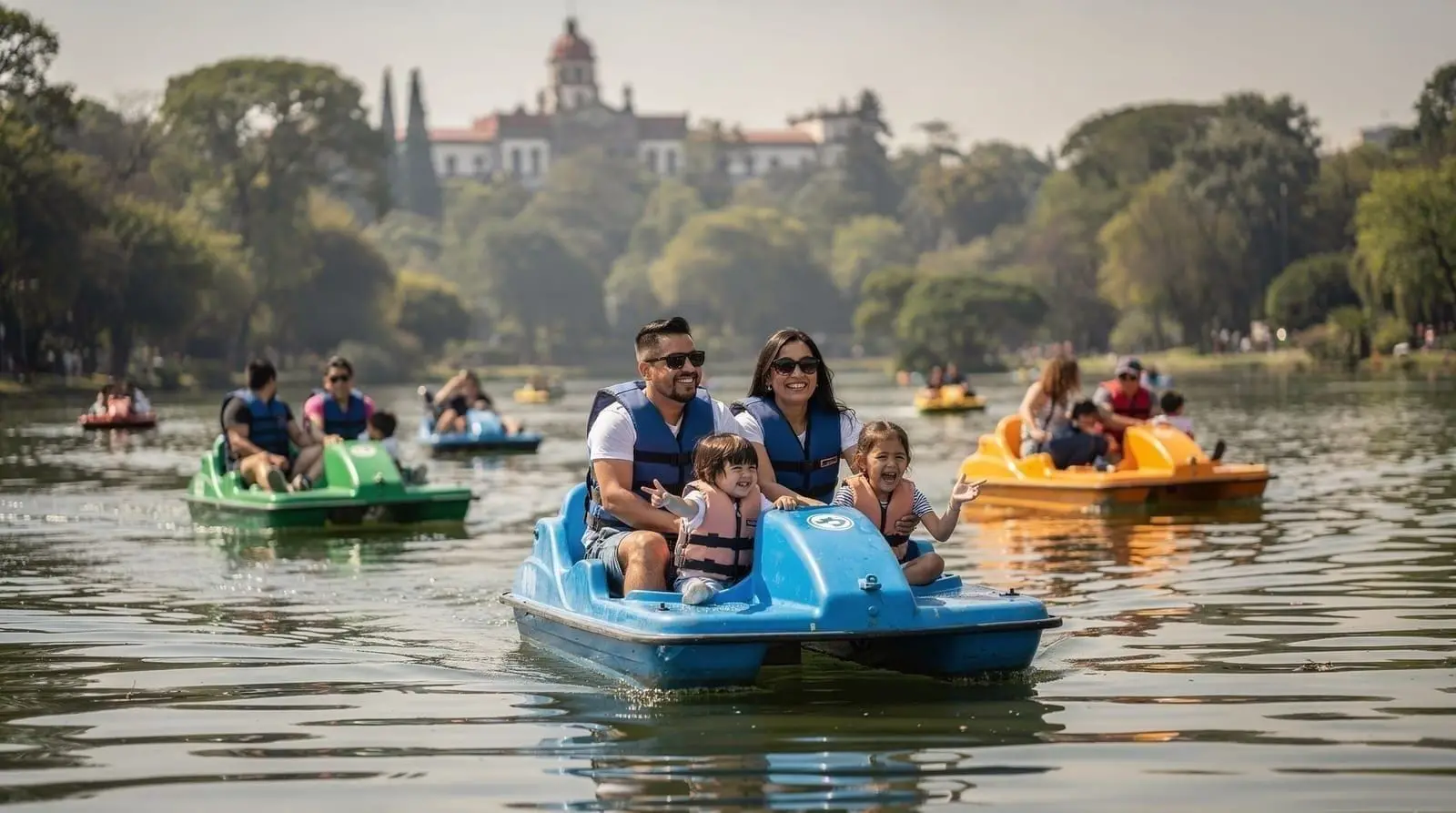
Bosque de Chapultepec: The park has lakes, open grass, a free zoo (Zoológico de Chapultepec, genuinely good with Mexican species including tapirs, pumas, and Mexican gray wolves), and rowboat hire on the lake. A half-day in the park covers all of this and is free except the rowboats.
Turibus: The open-top double-decker bus — the hop-on hop-off bus — works well for young children who enjoy the elevated views and movement. No walking required.
Parque México in Condesa: Large urban park with a duck pond, walking paths, and a children’s play area. Safe, walkable, café adjacent.
For ages 7–12
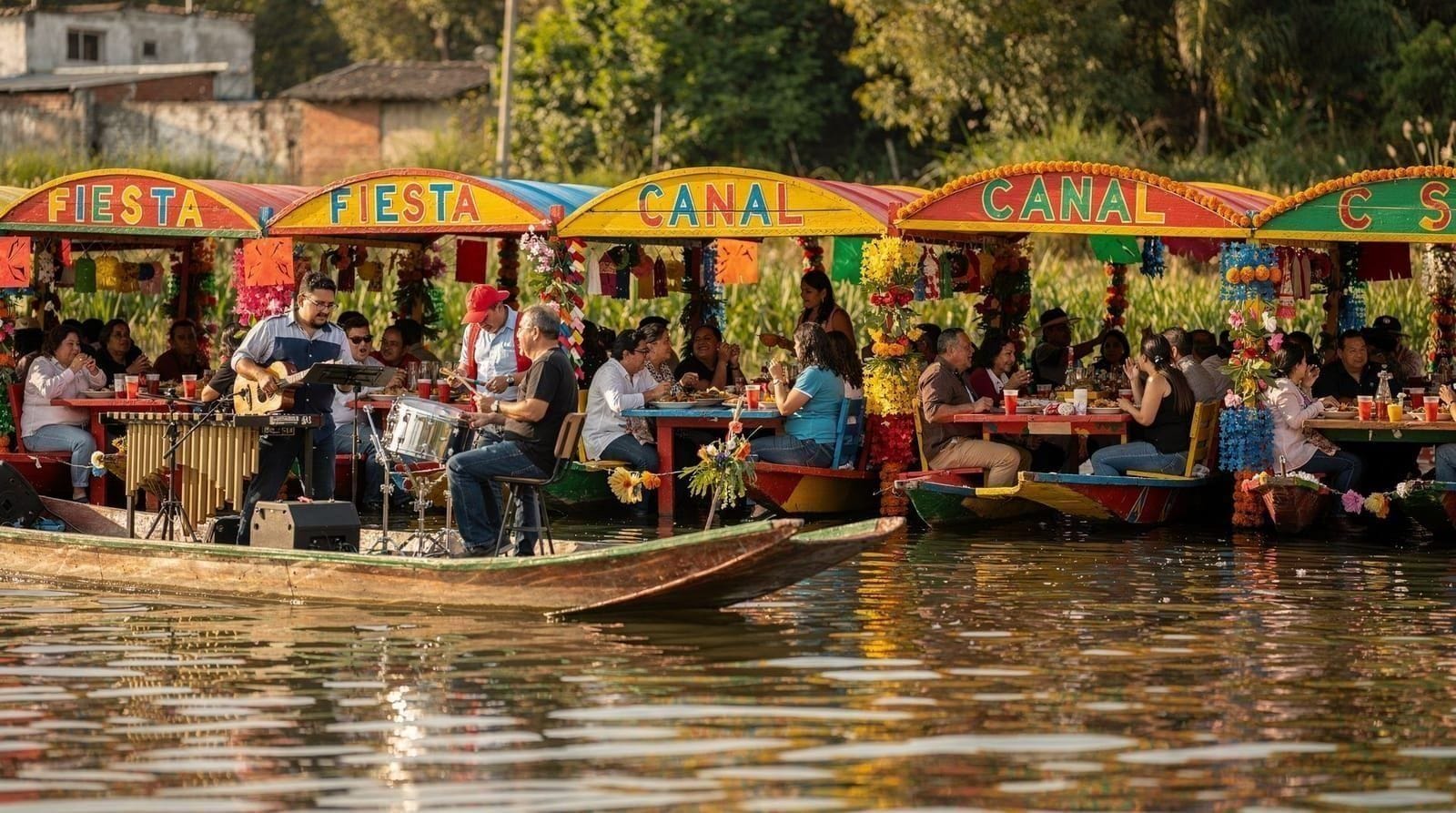
Xochimilco: The Xochimilco family trajinera tour is designed for families and navigates the canal experience with children in mind. The vendor boats, the food, the floating gardens, and the novelty of the canal environment engage this age group very well.
Papalote Museo del Niño: The children’s science museum in Chapultepec has 350+ interactive exhibits covering science, technology, human body, ecology and communications. Best for ages 5–12. Plan 3–4 hours; a full day is possible. Check the schedule for special programs.
Templo Mayor: The Aztec ruins and museum in the Centro Histórico engage children who are curious about ancient civilizations. The skull rack, the giant carved stones, and the artifacts from ritual deposits are confronting and compelling in roughly equal measure for this age group.
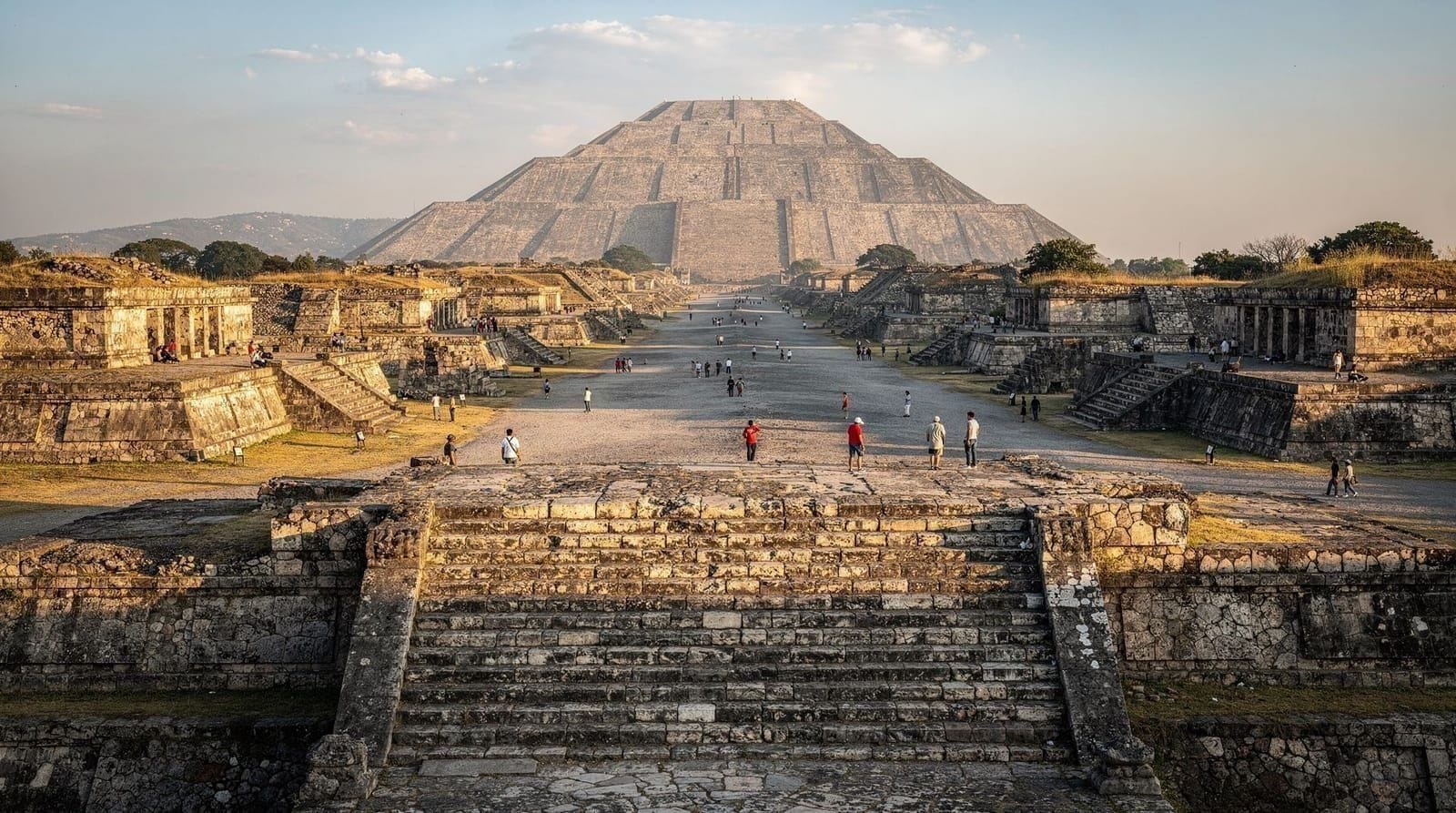
Teotihuacan: The Teotihuacan half-day tour from Mexico City is appropriate for children who can walk 3–5 km in sun. Bring sunscreen, hats, and water. Note: pyramids can no longer be climbed since 2024. The scale of the site and the history engage most children when guided well.
For teenagers
Six Flags Mexico: The Six Flags Mexico admission ticket covers the full theme park in the southern part of Mexico City. Standard Six Flags experience: roller coasters, water rides, entertainment. A full-day activity that most teenagers consider a success. Transport from the center by Metro (Line 3 to Periferico Sur, then bus) or Uber.
Lucha Libre: A lucha libre wrestling show at Arena México (see the lucha libre guide) is excellent for teenagers — theatrical, loud, entirely Mexican experience. Evening shows typically run Tuesday, Friday and Sunday.
Street food tours: Teenagers generally engage well with the Mexico City street food guide and the informal food stall culture. Tacos at a busy counter, esquite (corn salad), churros from a churrero — the eating is participatory.
Getting around the city with children
Metro: Mexico City’s Metro (7 MXN per ride) is family-accessible and has elevators at major stations. Rush hour (08:00–10:00, 18:00–20:00) is very crowded — avoid with young children. Women and children have dedicated cars (marked with pink signage) at all stations.
Metrobús: The BRT system along Reforma and Insurgentes is comfortable with children. Accessible buses.
Uber/DiDi: Easiest option with young children or when carrying bags. Most drivers are professional; car seats are not standard (bring a travel car seat if this is important for your family).
Turibus: Described above — genuinely useful for families navigating between areas for the first time.
Family day trip: Teotihuacan logistics
The Teotihuacan visit with children works best with:
- Early departure (pickup 07:00–07:30 from hotel)
- Arrive at 09:00 for the first entry
- 3 hours maximum at the site — the Avenue of the Dead walk, Ciudadela, and Pyramid of the Sun base is the core
- Return by 13:00 before midday heat peaks
- A guide makes the difference for children — a good guide who talks to children rather than past them transforms the engagement
The Teotihuacan complete guide covers adult logistics; the pyramids can no longer be climbed, which removes both the main hazard (steep stone stairs in heat) and the main excitement for adventurous children.
Practical family travel tips for Mexico City
Prams and strollers: The Centro Histórico has very uneven stone pavement — cobbles, kerb drops, and crowded sidewalks make strollers difficult. Roma and Condesa have much better pavement quality. For Centro Histórico, a carrier is more practical than a stroller.
Baby supplies: Pampers, formula, jarred baby food, and similar supplies are widely available at Walmart, Chedraui, and Superama supermarkets. They are cheaper than in most Western countries.
Medical: For any non-emergency medical issue, the ABC Medical Center (Observatorio neighborhood) and Hospital Ángeles (various locations) provide international-standard care with English-speaking staff. Both accept walk-ins for non-critical issues and have English-speaking front desk staff who can guide arriving families through the process quickly.
Weather: The dry season (November–May) is the most comfortable for outdoor activities with children. Rainy season (June–October) brings afternoon showers that usually clear quickly — carry a compact rain jacket for children. The weather month-by-month guide has the full seasonal breakdown if you’re choosing travel dates around a school holiday window.
Language for kids: Older children who pick up a handful of Spanish phrases before the trip (numbers, “hola,” “gracias,” basic food words) tend to engage more actively with markets, street food stalls, and casual interactions — it’s a genuinely enjoyable pre-trip activity for families rather than a chore.
Managing energy levels across a family trip
Children (and often adults) hit a wall faster in Mexico City than at sea level, and it compounds across a multi-day trip if you don’t build in recovery time. A practical rhythm that works for most families: one demanding activity per day (Teotihuacán, a full day at Six Flags, a long museum visit), balanced against a lighter afternoon or evening — a park, a hotel pool, or unstructured time in the neighbourhood. Trying to stack two big activities in one day (Teotihuacán in the morning, Xochimilco in the afternoon, for example) is a common mistake that leaves children — and parents — exhausted by day three. The itinerary length guide applies the same logic to family trip pacing specifically.
Planning the details with the rest of the site
Once the basic shape of the trip is clear, a few other pages help with the details that matter most to families. For choosing where to sleep, the where to stay guide compares areas beyond the family shortlist above, and the Roma and Condesa destination page describes the streets and parks you would be walking with children. If you prefer a calmer base, the Coyoacán walking guide shows how relaxed a morning in the colonial south can be at a child’s pace.
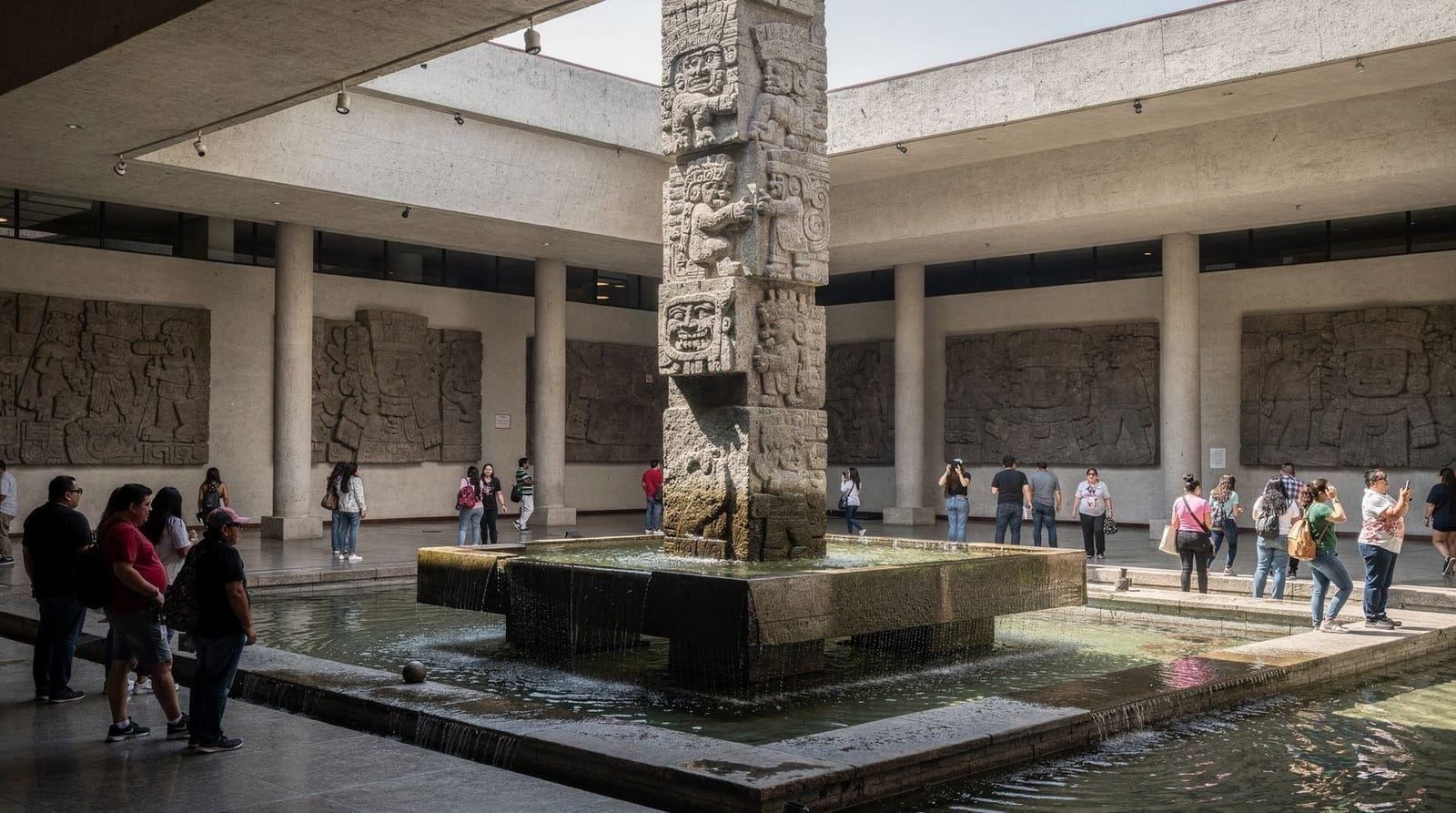
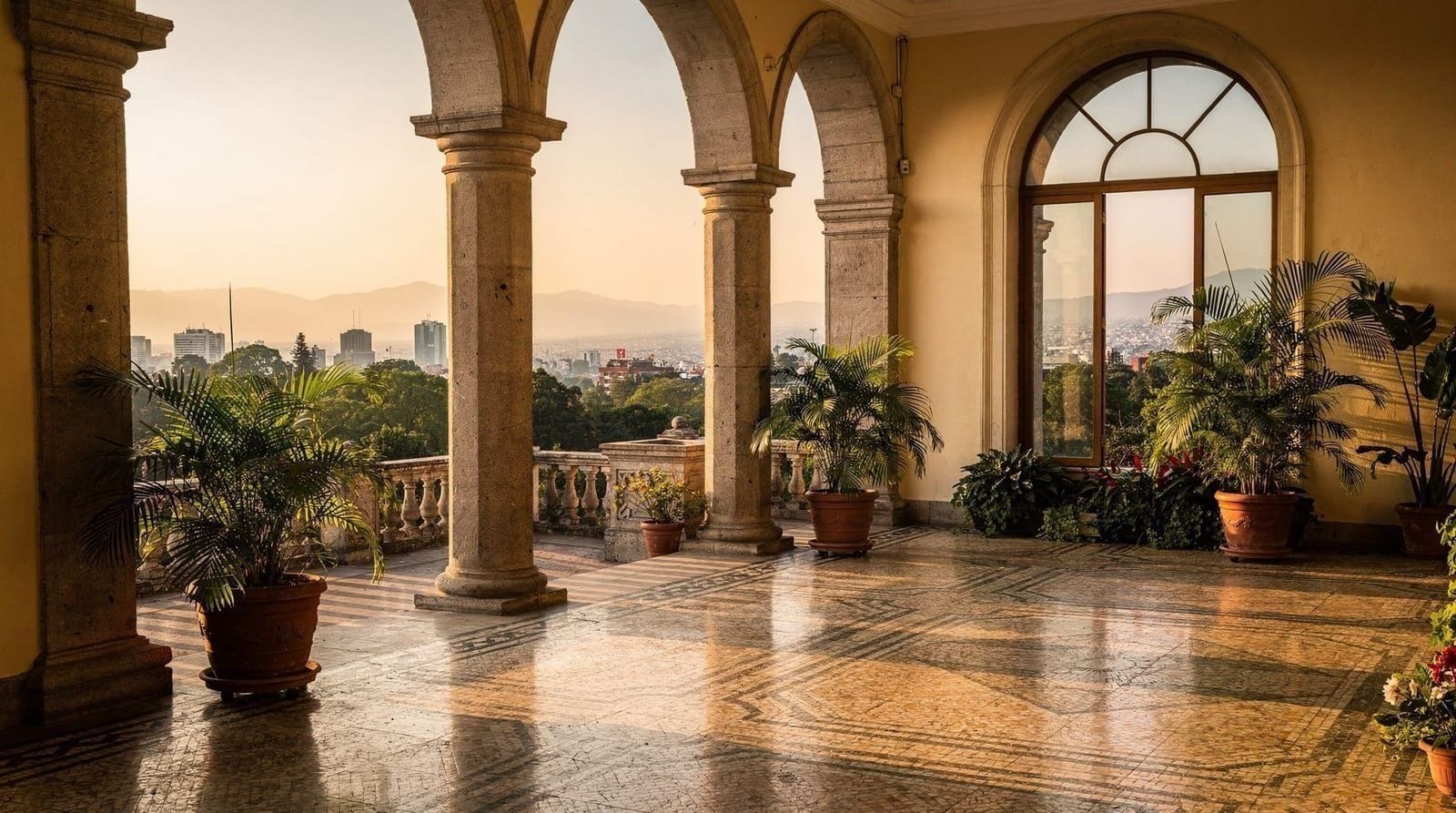
For the big-ticket sights, the Chapultepec Castle guide and the Anthropology Museum guide help you decide how much of each to attempt with children, and the Xochimilco trajinera guide explains how to pick a boat and avoid the common frustrations. Families who enjoy browsing together can read the markets guide for ideas on turning a shopping stop into a shared adventure, and the airport transfer guide is worth a look before you land with tired children and luggage.
Emergency preparedness for families
Beyond the ABC Medical Center and Hospital Ángeles mentioned above, it’s worth saving the address and phone number of the nearest English-speaking clinic to your accommodation before you arrive, rather than searching for one mid-emergency. Most hotels in Roma, Condesa and Polanco can arrange an in-room doctor visit for non-critical issues, which is often easier with a tired or unwell child than transporting them to a clinic. Travel insurance that explicitly covers Mexico and includes emergency evacuation is worth confirming before departure, particularly for families venturing to day trips like Teotihuacán or Xochimilco outside the city’s dense medical infrastructure.
The Mexico City family itinerary
The dedicated Mexico City family itinerary maps a 4–5 day schedule designed around children’s interests and pace. Key structure:
- Day 1: Chapultepec Park (zoo, lake, Papalote) — city adjustment day
- Day 2: Teotihuacan day trip (with organized tour)
- Day 3: Centro Histórico (Templo Mayor, Zócalo, Diego Rivera murals) + food market
- Day 4: Xochimilco + Coyoacán
- Day 5: Roma/Condesa neighborhood, Parque México, shopping
Frequently asked questions about Mexico City with kids
Do Mexican restaurants have high chairs and children’s menus?
Children’s menus are not universal in Mexico but are more common in Polanco and Roma restaurants catering to families. High chairs are common at sit-down restaurants but not guaranteed at smaller cantinas and market stalls. Mexican portion sizes are often large enough to share with young children.
Is it safe to let older children (12+) move around independently in tourist areas?
In Roma, Condesa and Polanco, yes — these areas have good pedestrian infrastructure and are safe during daylight hours. The Centro Histórico requires more care due to crowds. The standard Mexico City safety guidance (see Is Mexico City safe?) applies: established tourist areas are safe with normal city street smarts; avoid Tepito and Doctores.
Are there family-friendly museums beyond the ones listed here?
The Universum (UNAM science museum, in south CDMX near the university campus) is excellent for children interested in science. The Museo Interactivo de Economía (MIDE, near Bellas Artes) is interactive and more suitable for older children and teenagers. Both charge modest entry fees.
How do I get to Six Flags from central Mexico City?
Take Metro Line 3 (green) south to Periferico Sur station, then a bus or Uber the final 5 km to the park. Alternatively, an Uber directly from Roma or Condesa costs approximately 120–170 MXN. The journey takes 40–60 minutes depending on traffic.
Does the altitude affect children in Mexico City?
Mild altitude effects at 2,240 m (7,350 ft) are possible — slight headache, fatigue, or reduced appetite in the first 24–48 hours. Serious altitude sickness (AMS) at this elevation is uncommon, especially in healthy children. Key steps: drink extra water on day one, avoid strenuous activity on arrival day, limit alcohol for adults (faster dehydration at altitude), and monitor for headaches. Children under 2 and those with respiratory conditions should consult a paediatrician before travel.
What are the best activities for families with children in Mexico City?
Top family activities: Xochimilco trajinera boat ride, Bosque de Chapultepec (park, zoo and lakes), Papalote Museo del Niño (hands-on children’s museum), Templo Mayor ruins and museum, the Anthropology Museum, Six Flags (theme park, south CDMX), and the Turibus open-top bus. Day trips: Teotihuacan (with preparation for the walking) and Xochimilco.
Is the food safe for children in Mexico City?
Restaurant food in tourist areas (Roma, Condesa, Polanco, Coyoacán) is safe. Street food from established vendors is generally safe for adults with experience; introduce children gradually. Key rules: no tap water, no ice unless the restaurant confirms it’s from purified water (most tourist-facing restaurants use purified ice), peel fruit yourself, avoid raw salads at street stalls. Bottled water everywhere.
What is Papalote Museo del Niño?
Papalote is Mexico City’s children’s science and activity museum, located in Chapultepec Park near the second section. It has interactive exhibits across 300+ activities covering science, technology, the human body, communications, and ecology. Entry is approximately 250 MXN per person (children and adults the same price). Best for children ages 3–12. Open Tuesday–Sunday.
What neighborhoods are best for families staying in Mexico City?
Roma and Condesa are the top choices: walkable, safe for walking with children, many parks (Parque México, Parque España, Parque Pushkin), good restaurant density with children-friendly options, and easy Metro and rideshare access. Polanco is also excellent — very safe, wide clean streets, near Chapultepec Park. Coyoacán is quieter and colonial, suitable for families wanting a calmer base.
Is Teotihuacan suitable for families with children?
Yes, with preparation. Children who can walk 3–5 km on uneven terrain in the sun will manage. Note that pyramids can no longer be climbed (since 2024). The visit engages children who are curious about ancient civilizations; less suitable for toddlers unless in a carrier. Bring sunscreen, hats, water, and keep the visit to 3 hours maximum for young children.
Can children visit Xochimilco?
Xochimilco is excellent for children — the trajinera boat ride, the market vendor boats with street food, the floating gardens and the festive atmosphere are all engaging. The Island of the Dolls may be too unsettling for children under 10 (weathered, deteriorating dolls). The axolotl sanctuary eco-tour is interesting for children interested in nature and wildlife.
Top experiences
Bookable activities with verified prices and instant confirmation on GetYourGuide.