Mexico City altitude guide: surviving 2,240 m
Mexico City: The Stories of Chapultepec Castle Walking Tour
Does Mexico City's altitude affect visitors?
Mildly, yes. At 2,240 m (7,350 ft), some visitors experience headaches, breathlessness on stairs, fatigue, and disrupted sleep in the first 24–48 hours. These effects are real but typically mild — far less severe than what happens at Cusco (3,400 m) or La Paz (3,630 m). Most visitors adapt within a day or two without medication.
What 2,240 metres actually feels like
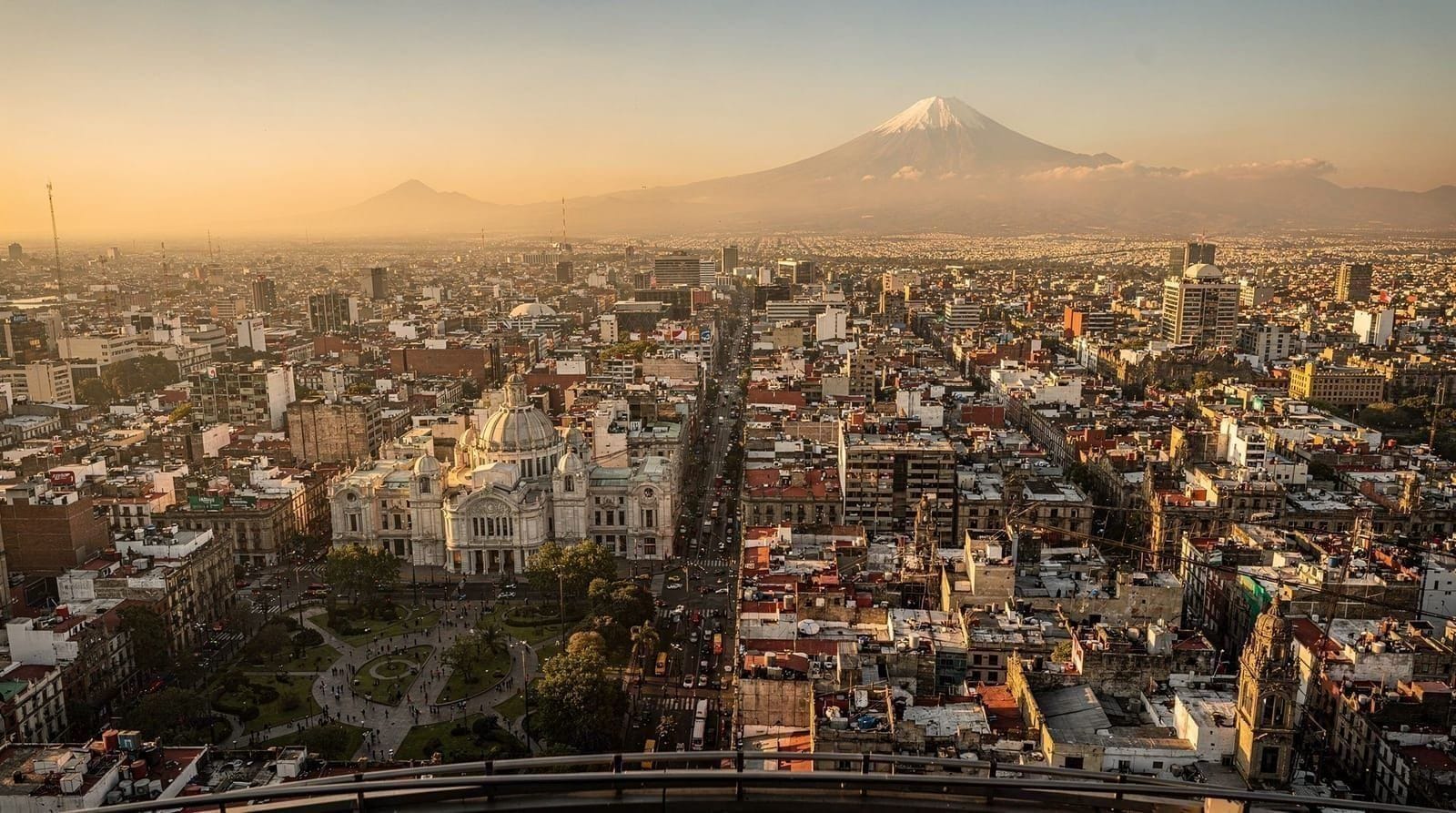
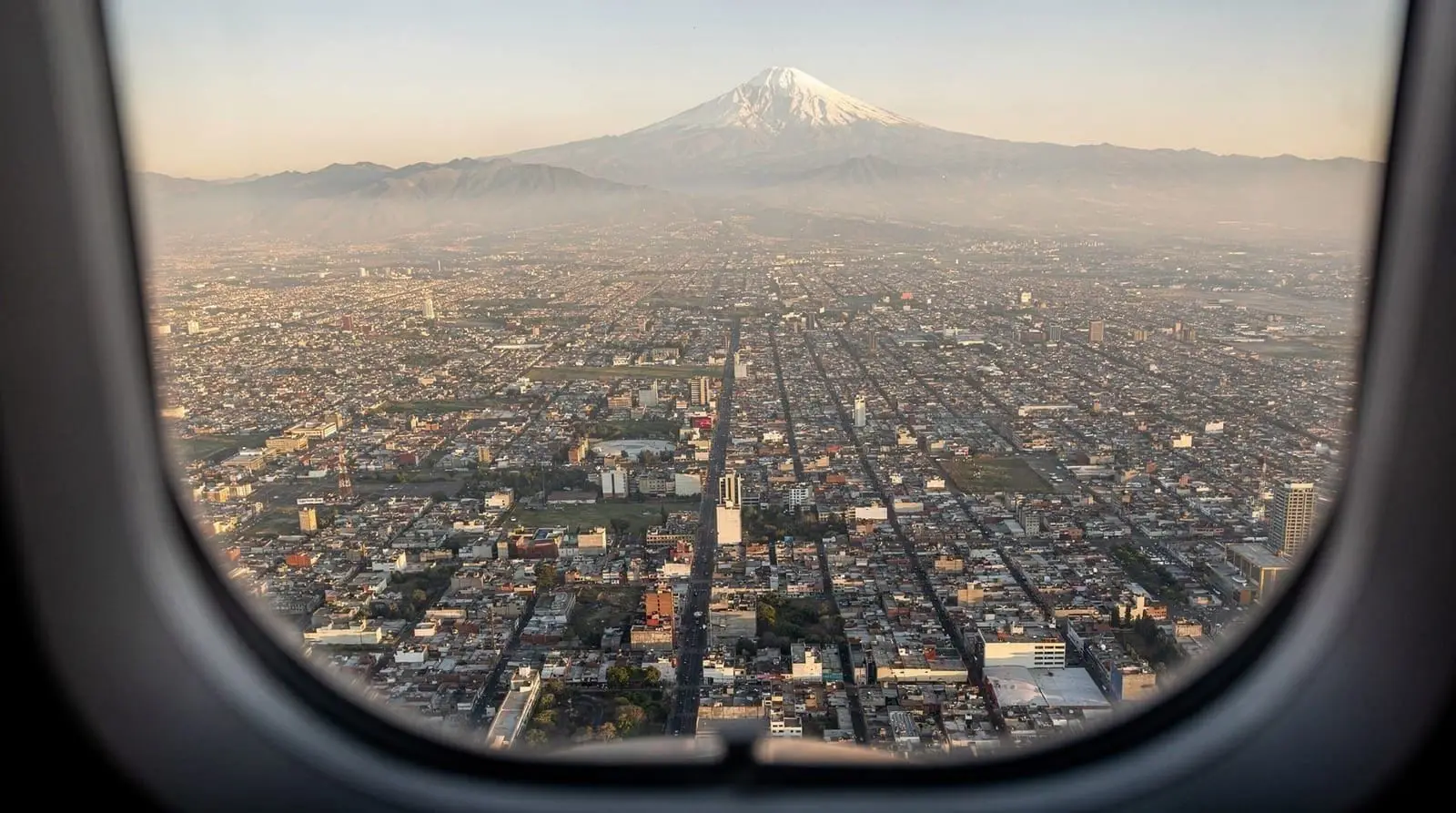
Mexico City’s altitude of 2,240 m (7,350 ft) is not Peru’s Cusco (3,400 m), not Bolivia’s La Paz (3,630 m), and not Everest Base Camp. The comparison is worth making because travellers arriving in Mexico City from having read about Andean altitude sickness sometimes build up anxiety that does not match what they actually experience.
| Altitude | 2,240m (7,350ft) |
| Typical effects | Mild headache, breathlessness on stairs, fatigue, day 1–2 |
| Adjustment time | Most visitors feel normal within 24–48 hours |
| Main precaution | Hydrate (2.5–3L/day) and go easy on alcohol day one |
| Medication | Rarely needed at this altitude; ibuprofen treats symptoms |
At 2,240 m, the air has roughly 23% less oxygen than at sea level. This is enough to produce noticeable effects — the surprise of breathing harder on a flight of stairs, a mild headache on the first afternoon, slightly disrupted sleep on night one — but not enough to cause the serious medical conditions (pulmonary edema, cerebral edema) that can affect unprepared visitors to higher altitudes.
The realistic Mexico City altitude experience for most healthy adults: mild to moderate fatigue on day one, possibly a frontal headache in the afternoon of arrival, slightly breathless on inclines, and a noticeably stronger effect from alcohol. By day two or three, most visitors feel completely normal.
Who should take Mexico City altitude more seriously
People arriving directly from sea level: The abruptness of the ascent matters. Flying into Mexico City international airport (MEX) directly from a sea-level city means your body goes from sea-level oxygen to 2,240 m in a few hours. This is the typical case for most international visitors and is generally fine. However, if you are very sensitive to altitude or have had significant issues at lower altitudes before, arriving a day earlier than you need to and planning a light first day is sensible.
Older travellers or those with cardiovascular conditions: The cardiovascular system works harder at altitude. This is generally manageable for healthy older adults but those with heart disease, uncontrolled hypertension, angina, or a history of pulmonary problems should discuss the trip with their doctor. Mexico City is not Kilimanjaro base camp, but the extra cardiac demand is real.
Visitors with anaemia: Reduced haemoglobin means less oxygen-carrying capacity — combined with reduced oxygen availability at altitude, anaemic travellers may feel altitude effects more acutely. Treat anaemia before travel if possible.
Pregnant travellers: The evidence on pregnancy at moderate altitude is broadly reassuring for short stays at 2,240 m for healthy pregnancies. But the combination of altitude, travel fatigue, and potential altitude-related dehydration warrants a medical conversation for anyone in their first trimester.
Children: Young children adapt to altitude well in most cases. Infants under 3 months are more vulnerable but 2,240 m is well within the range considered safe for paediatric travel by most paediatricians. See the Mexico City with kids guide for family-specific practical notes.
What happens to your body at 2,240 m
The physiology is straightforward. At altitude, reduced atmospheric pressure means each breath delivers fewer oxygen molecules. Your body compensates through several mechanisms:
-
Immediate response (minutes to hours): Breathing rate and depth increase to take in more air. Heart rate rises slightly. Some people feel light-headed or mildly dizzy in the first hour.
-
Short-term response (hours to days): Kidneys excrete bicarbonate to adjust blood pH, which helps ventilation. This process makes you urinate more and contributes to the dehydration risk. You may sleep more lightly as respiratory drive changes overnight.
-
Long-term response (days to weeks): Your body produces more red blood cells and adjusts blood volume. This is what full “acclimatisation” looks like — but tourists on a one-week trip don’t experience this fully.
For a typical Mexico City visit, only the first two phases matter. Most visitors stabilise comfortably within 48 hours.
Practical acclimatisation strategies
Hydrate aggressively on arrival day. Altitude increases respiratory and urinary water loss. Aim for 2.5–3 litres of water on your first day, more if you are drinking alcohol. Mexico City tap water is not safe to drink (see the tap water and food safety guide) — buy bottled water at a corner store (OXXO convenience stores are everywhere, water is 10–20 MXN per large bottle) or drink purified water from your hotel.
Plan a light first day. Arrive, settle in, take an easy walk in Roma or Condesa, eat a moderate dinner. Do not plan Teotihuacán or Xochimilco on arrival day. The itinerary planning guide specifically recommends lighter activities on day one.
If you would rather have a gentle, guided first outing than work out a route yourself, a walking tour of Chapultepec Castle and its stories keeps the pace unhurried and the stops easy to adjust.
Avoid or limit alcohol on arrival evening. This is the single most impactful thing you can do if you are sensitive to altitude effects. One drink at altitude on arrival night can produce a headache that significantly impairs day two. If you do drink, alternate water with alcohol throughout the evening.
Eat lightly on arrival. Heavy, rich meals require more blood flow to digest, diverting it from the muscles and brain at a moment when oxygen is already at a premium. Light protein, vegetables, soup — a Mexican caldo or sopa de lima is both culturally appropriate and genuinely good first-night food.
Take ibuprofen or aspirin if you get a headache. Over-the-counter ibuprofen (Motrin) or aspirin is effective for altitude headache and widely available at Mexican pharmacies (farmacias) for around 30–50 MXN. Take with water and food. Paracetamol also works. This is treating the symptom, not the cause, but the symptom is what makes people miserable.
Move slowly on stairs and hills for the first 24 hours. The shortness of breath on exertion is alarming if unexpected but completely normal. It resolves within a day. Slow down, breathe deeply, wait for your heart rate to settle before continuing up a long staircase.
Consider a sunscreen and lip-balm routine even on cloudy days. Altitude increases UV exposure noticeably, and the dry air common in Mexico City (particularly in the winter dry season) can chap lips and skin faster than travellers expect from a temperate-looking forecast.
Teotihuacán and altitude
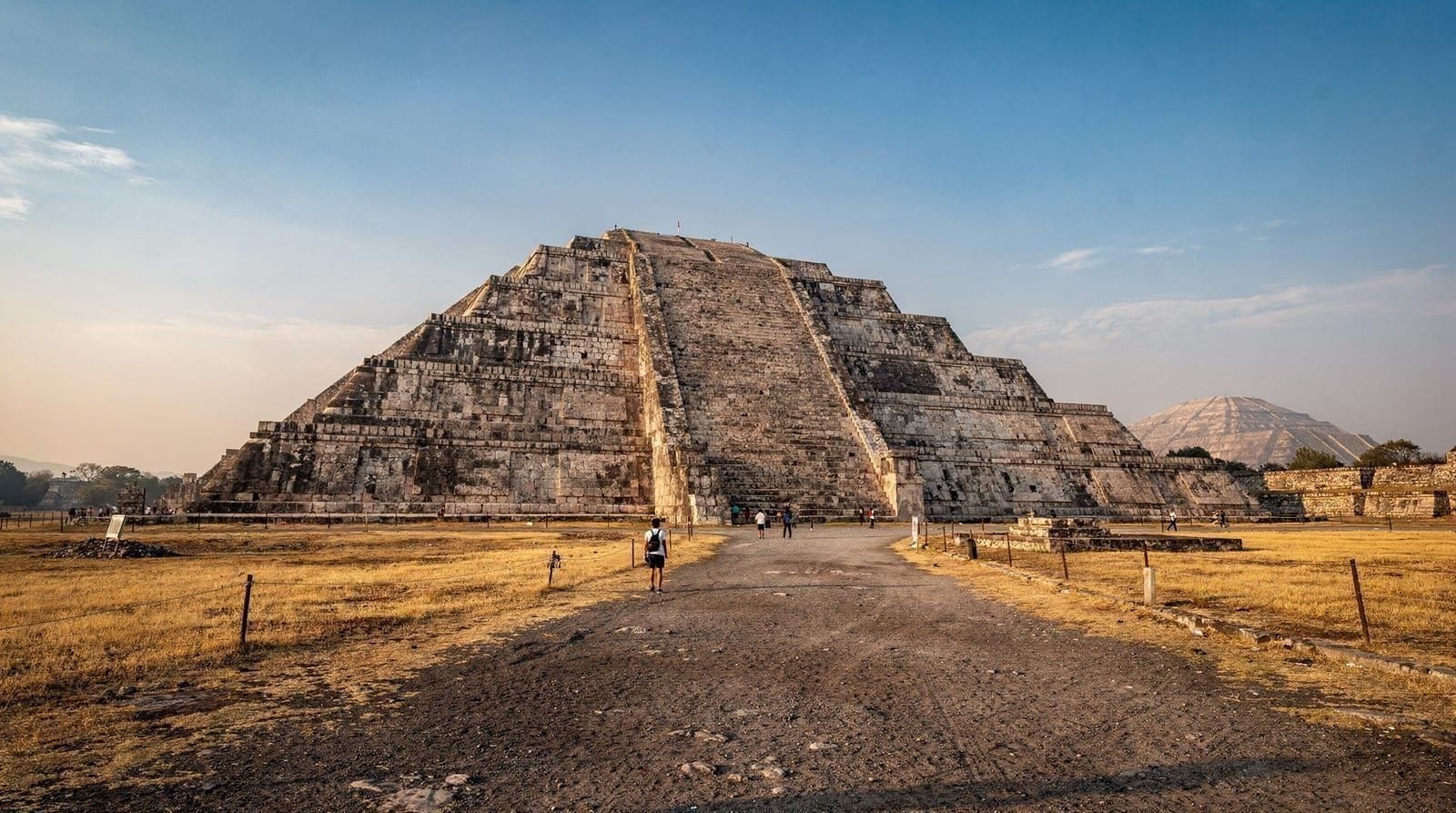
Teotihuacán sits at 2,280 m — essentially the same altitude as Mexico City. The site visit involves significant walking in direct sun (the Avenue of the Dead is over 1 km) and was previously a lot of stair-climbing (until 2024, when climbing the pyramids was prohibited). The current visit involves ground-level walking and the site museum, which is less physically demanding than the old pyramid-climbing experience.
Nevertheless, Teotihuacán is hot, sunny, and exposed. Sun protection at altitude is critical: UV radiation is approximately 25% higher at 2,280 m than at sea level. Bring sunscreen (minimum SPF 50), a wide-brimmed hat, and considerably more water than you think you need (at least 2 litres for the site visit). The on-site vendors sell water and snacks but at tourist prices.
The Teotihuacán early morning half-day tour is recommended specifically because the morning temperatures are cooler and the sun less intense than midday — both factors that reduce the physiological stress on the altitude-unadjusted visitor.
Pacing the rest of your trip around the altitude
Once the first day is behind you, altitude mostly shapes how you order things rather than what you can do. A few ways to let it work in your favour:
- Choose your base with your legs in mind. Staying somewhere flat and walkable makes the first days easier; the where to stay guide and the Roma vs Condesa comparison help you pick a neighbourhood where a short stroll covers cafés, parks and dinner.
- Let transport do the heavy lifting early on. If a long walk feels like too much on day one or two, the getting around guide covers the easy alternatives, and the airport to city centre guide helps you arrive without a tiring, stressful transfer.
- Start with gentle sightseeing. The tree-lined paths around Chapultepec and Polanco and a relaxed visit to the Anthropology Museum suit a first full day better than a marathon of stairs. The Centro Histórico is rewarding once you have found your rhythm.
- Save the bigger outings for day three or later. Xochimilco, Coyoacán and the options in the day trips guide all feel better when you are rested and adjusted.
- Check the season. Hot, sunny afternoons and cooler mornings both change how tiring a day feels, so the best time to visit guide is worth a look when planning your dates.
- Keep the basics in mind. Feeling run-down can make you less alert, so the safety guide is a good companion read before your first evening out.
Mexico City altitude vs. other Mexico destinations
| Destination | Altitude | Effect on visitors |
|---|---|---|
| Mexico City (CDMX) | 2,240 m | Mild for some visitors, day 1–2 |
| Puebla | 2,162 m | Essentially the same as CDMX |
| Guadalajara | 1,566 m | Noticeably lower, most people feel fine |
| Oaxaca City | 1,550 m | Lower, rarely causes issues |
| Cancún, Puerto Vallarta, Los Cabos | 10–20 m | Sea level, no altitude effects |
If you are visiting Mexico City as part of a wider Mexico trip that starts at the coast, you are going upward. If you are starting with Mexico City before heading to Cancún, the descent will feel remarkable — the air will feel rich and easy by comparison.
Combining altitude with other first-day adjustments
Altitude rarely arrives alone — it typically overlaps with jet lag, travel fatigue, and the general disorientation of a new city, which makes it hard to isolate which factor is causing what. If you’re also managing a significant time-zone shift, treat the first day as a jet-lag day as much as an altitude day: prioritise sleep, hydration, and light activity over sightseeing ambition. This is one of the main reasons the itinerary guide and the 3-day itinerary both front-load lighter, low-exertion activities (a neighbourhood walk, a museum, an easy dinner) rather than a full day of walking tours or an early Teotihuacán departure.
Sleep and jet lag at altitude
Disrupted sleep on the first night is one of the most commonly reported altitude effects, and it is worth understanding why so it doesn’t alarm you. At altitude, your breathing pattern during sleep changes — some people experience periodic breathing (a cycle of deeper and shallower breaths) that can cause brief waking without any deeper problem. Combined with jet lag if you’re arriving from a different time zone, the first night in Mexico City is genuinely more likely to be restless than the second or third.
A cool, dark room helps, as does avoiding caffeine late in the day and alcohol in the evening. If you wake during the night feeling short of breath, sitting up for a few minutes typically resolves it — this is a normal altitude-related sleep pattern, not an emergency, though it’s worth mentioning to a doctor if it happens repeatedly or feels severe.
When altitude becomes a problem: warning signs
The vast majority of Mexico City visitors experience nothing beyond mild discomfort. However, if you experience any of the following, they warrant attention:
Take it seriously (rest, hydrate, consider descent):
- Severe headache not responding to pain relief
- Vomiting
- Inability to walk straight (ataxia)
- Confusion or disorientation
Seek medical attention:
- Any of the above that do not improve with rest
- Chest tightness or persistent cough with frothy sputum (these are signs of pulmonary edema, extremely rare at 2,240 m but not impossible in susceptible individuals)
- Severe shortness of breath at rest
Mexico City has excellent private hospitals. Hospital Ángeles and Hospital ABC are the main facilities used by international travellers. Emergency: 911.
Frequently asked questions about Mexico City altitude
Will I definitely feel the altitude in Mexico City?
Not necessarily. Many visitors — particularly younger and physically fit travellers — feel no meaningful altitude effects at all. Others feel mild fatigue and a headache on arrival day that is gone by morning. A minority have a more difficult first 48 hours. There is no reliable way to predict which category you fall into.
Does carrying altitude medication from home help?
For Mexico City specifically, most travel doctors do not routinely prescribe Diamox (acetazolamide). It is primarily indicated for higher altitudes (above 2,500–3,000 m). If you are visiting Mexico City as part of a trip that also includes higher-altitude destinations in Mexico (there are few — most Mexican tourism is at Mexico City’s altitude or lower), discuss with your doctor.
Should I take it easy on the first day?
Yes. A half-day of gentle activity, good hydration, and early bedtime on arrival night is the single most effective acclimatisation strategy. See the 3-day itinerary — it deliberately front-loads lighter activities.
Does altitude affect the taste of food or beer?
Anecdotally yes — some people report that beer tastes slightly more bitter and food slightly less rich at altitude. This is minor and subjective. What is more clearly documented is that bread and baked goods behave differently when baked at altitude; you may notice slightly drier or more crumbly textures in local pastries.
Can I run at altitude in Mexico City?
Yes, but expect to be 3–8% slower than at sea level and to feel disproportionately tired after runs. Allow at least 3–5 days before attempting a hard run. Start with an easy 20-minute jog on day two or three to gauge your response. The Bosque de Chapultepec and the Roma park circuit (Avenida Amsterdam) are the most pleasant running routes in the tourist neighbourhoods.
Is Mexico City altitude dangerous?
For most healthy adults, no. Severe altitude sickness (HAPE or HACE) is extremely rare at 2,240 m — these conditions occur primarily above 3,500 m. The effects at Mexico City are more correctly called ‘mild altitude discomfort’: headache, slight breathlessness, fatigue on exertion. Visitors with pre-existing heart or lung conditions should consult their doctor before travelling.
How long does it take to acclimatise in Mexico City?
Most visitors feel normal within 24–48 hours. The first night’s sleep may be slightly restless; the second night is usually fine. Full cardiovascular adjustment (your body producing more red blood cells) takes 1–2 weeks, but you won’t need that for a tourist visit. Day 2 and 3 feel noticeably better than day 1.
Does altitude affect alcohol in Mexico City?
Yes, noticeably. Alcohol hits harder and faster at altitude. A beer in Mexico City at 2,240 m hits more like 1.5 beers at sea level. The combination of dehydration (altitude increases fluid loss) and alcohol dehydration amplifies the effect. Drink water between alcoholic drinks and go easier than you would at home, especially on day 1.
Can you take Diamox (acetazolamide) for Mexico City altitude?
Diamox is a prescription drug used for altitude sickness prevention at high altitudes, generally recommended above 2,500–3,000 m. At 2,240 m, it is not routinely necessary and most doctors would not prescribe it specifically for Mexico City. If you have a history of altitude sensitivity, speak to your doctor — some people with previous severe reactions at modest altitudes do benefit from prophylactic medication.
What foods and drinks help with altitude acclimatisation?
Hydration is the most important factor: drink 2–3 litres of water per day in the first 48 hours. Herbal teas — particularly muña (a local highland herb) and chamomile — are traditionally consumed and are widely available in Mexican markets and cafés. Light, easily digestible food for the first day helps. Avoid heavy meals and excess alcohol on arrival.
Does Mexico City altitude affect running or exercise?
Yes. Cardiovascular performance decreases at altitude — runners typically see times 3–8% slower at 2,240 m compared to sea level. Exercise feels harder than expected. Casual tourists notice this mainly on stairs and uphill walks. If you plan vigorous exercise (running, cycling), allow 3–5 days before attempting anything at intensity.