Mexican cooking classes in Mexico City: what to expect and which to book
Mexico City: Authentic Mexican Cooking Class & Market Tour
Are cooking classes in Mexico City worth the money?
Yes, if you choose the right format. The best classes combine a market visit with a 3–4 hour kitchen session, teaching genuinely useful techniques: mole preparation, tortilla-making, salsa grinding, and masa handling. Prices run $60–120 USD. The worst are demonstration-only classes where you watch a chef cook and then eat. Ask whether you actually cook or watch before booking.
Why Mexico City is one of the world’s best places for a cooking class
Mexican cuisine is one of only two culinary traditions designated as UNESCO Intangible Cultural Heritage (alongside French cuisine). That designation acknowledges what food historians have long argued: Mexican cooking represents a convergence of Mesoamerican agricultural techniques — the cultivation and use of maize, chillies, chocolate, vanilla, and dozens of indigenous plants — with Spanish and North African influences introduced after 1521.
| Cost | Around $50–150 USD depending on format |
| Time needed | 2–7 hours depending on class type |
| Best format | Market-to-kitchen combination over demonstration-only |
| Where | Roma Norte/Sur, Coyoacán, Centro Histórico |
| Booking | 3–7 days ahead in peak season (November, Easter, August) |
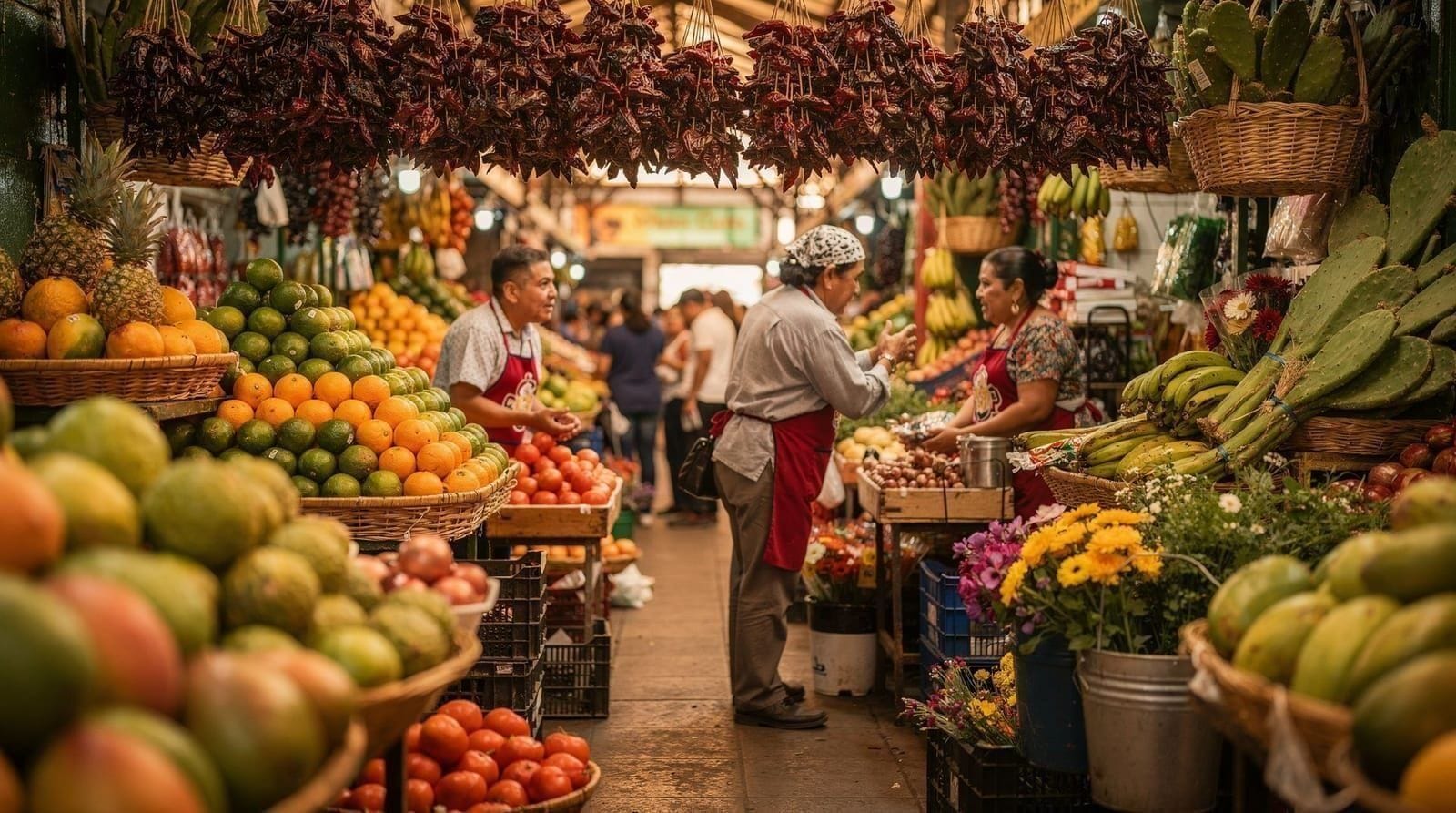
Mexico City, as the capital, concentrates the regional diversity of a vast country. In a single morning at Mercado Medellín, you can find Oaxacan black mole paste, Veracruz vanilla beans, Michoacán avocados, Hidalgo pulque, Yucatecan recado negro, and Guerrero-style chipotles. A cooking class that teaches you to use these ingredients in context is something you cannot replicate at home with supermarket substitutes.
Format 1: The market-to-kitchen class
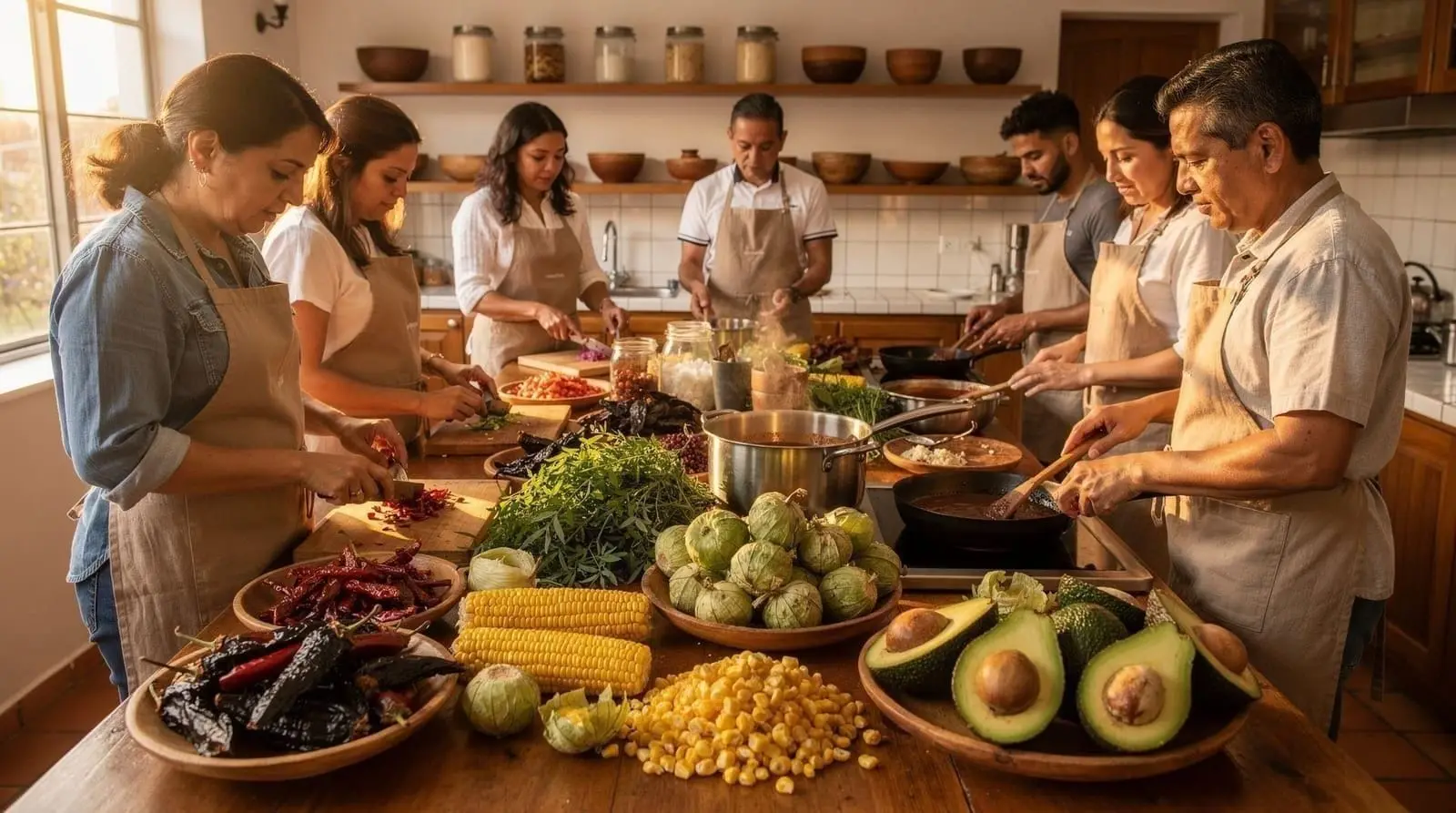
The market-to-kitchen format is the most highly rated cooking class structure in CDMX. You meet the chef at a local market — usually Mercado Medellín in Roma Sur, Mercado de Jamaica, or Mercado San Juan — for a 45–60 minute guided shopping session. The chef explains what to look for in dried chillies (colour, smell, flexibility), how to select the ripest tomatillos, and the difference between epazote, hierba santa, and hoja santa in Oaxacan versus Mexican-central cooking.
Then to the kitchen, usually within walking distance. Cooking runs 2.5–3 hours with hands-on technique for each dish. Classes typically end with eating what you cooked, with an agua fresca or mezcal optional pairing.
The Authentic Mexican Cooking Class and Market Tour is one of the most consistently well-reviewed options in this format — a small-group class covering 3–4 dishes including fresh tortillas, two salsas, and a main. The market visit focuses on ingredient selection rather than general market tourism.
The Cooking Class with Chef and Market Tour uses a professional chef instructor with restaurant background. The technique level is slightly higher than tourist-focused classes, which suits visitors with some cooking experience who want more than “press the tortilla and add toppings.”
Format 2: Stand-alone kitchen classes
Several operators run kitchen-only classes without the market component — useful if you have already done the market or want a shorter total time commitment.
The 3-Hour Mexican Cooking Class is a popular 3-hour kitchen session covering fresh tortillas, salsas, and a guisado (stewed dish). No market visit, starts directly in the kitchen. Good value for the time and money, particularly for travellers with only a half-day available.
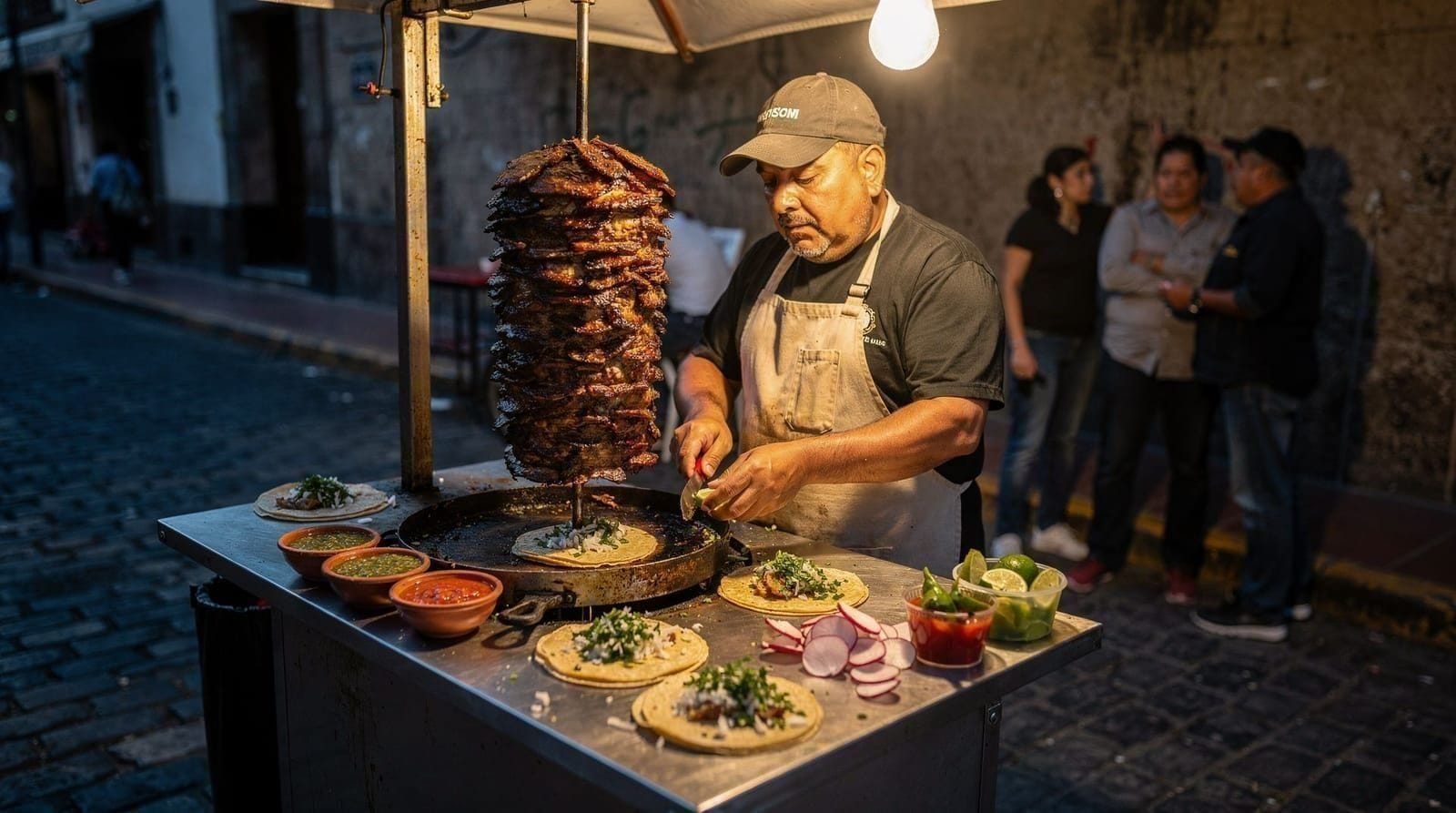
The Street Taco Cooking Class and Market Tour focuses specifically on the taco format — masa preparation, al pastor marinade (achiote-based), and the cooking technique that makes CDMX tacos different from versions made elsewhere. A specialised class for taco-focused visitors.
A market tour and cooking class focused entirely on the salsa tradition teaches 6–8 varieties, from simple pico de gallo to complex mole-adjacent sauces, using the molcajete and blender as tools with different results. Useful for cooks who want to improve their salsa technique specifically.
Format 3: The Coyoacán class
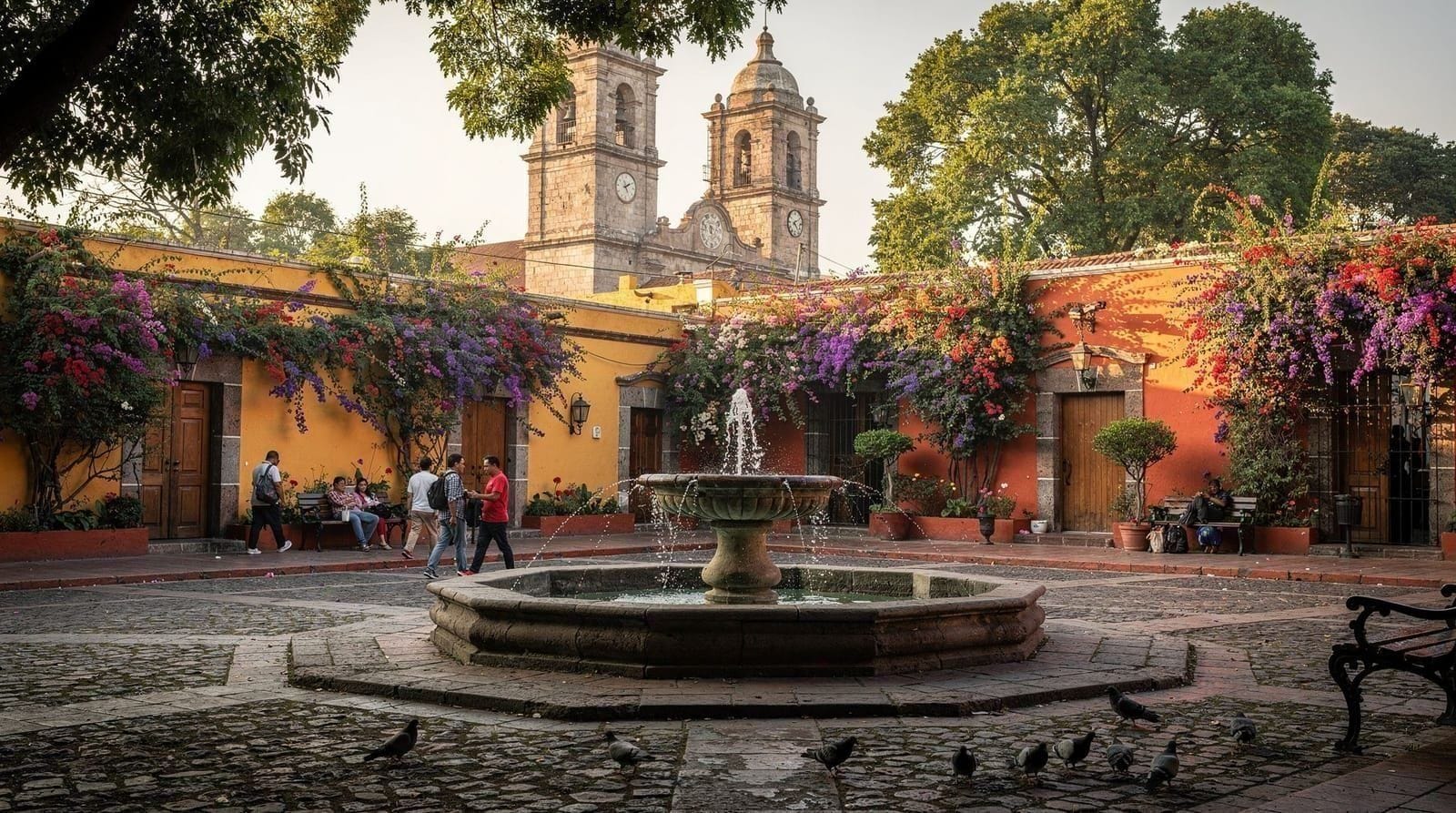
Several operators base their classes in Coyoacán using the Mercado de Coyoacán as the market component. This format combines a visit to one of CDMX’s most attractive neighbourhoods with the cooking class.
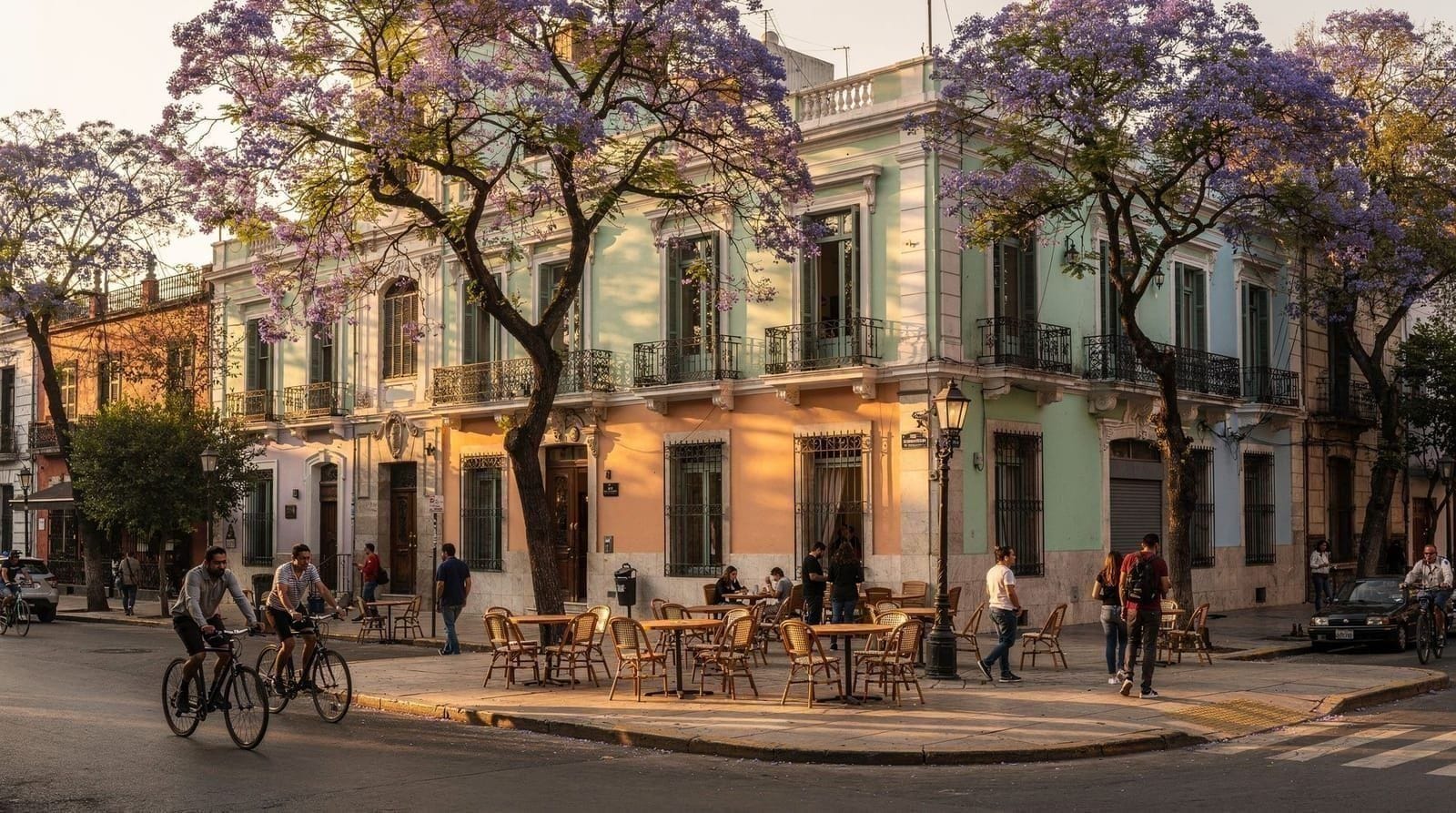
The Coyoacán Market Tour and Cooking Class is the main example. The Coyoacán market is more tourist-facing than Medellín or Jamaica, but the cooking class component is equally hands-on. The neighbourhood setting provides a more pleasant visual backdrop for a market tour, which matters if you are combining the class with a morning in Coyoacán.
The honest trade-off: Coyoacán market has slightly fewer specialist ingredient options than Medellín or San Juan, but the neighbourhood context is better for visitors who want to combine the class with exploring Frida Kahlo’s neighbourhood.
What you will actually cook
A representative curriculum for a 4-hour market-plus-kitchen class:
Tortillas: Hand-pressed on a tortilla press (tortilladora), cooked on a dry comal. Understanding the masa consistency is the key skill — too wet and the tortilla sticks; too dry and it cracks. Most visitors take 3–5 attempts to get it right. Blue, yellow, and red corn masa behave differently.
Salsas: Salsa verde (tomatillo, serrano, garlic, onion — raw or cooked version), and either a dried-chilli red salsa or a creamy salsa. Molcajete technique versus blender technique, and when each is appropriate.
Guisado: Usually chicken tinga (shredded chicken in chipotle-tomato sauce), mole verde (pumpkin seed and tomatillo-based), or chile relleno (stuffed poblano pepper). These are the dishes that involve the most technique and the most explanation of the flavour-building process.
Drink: Agua fresca (fresh fruit water — hibiscus, tamarind, or seasonal fruit), or atole if the class runs in the morning.
Classes at specialty technique level
The Salsa and Tortilla-Making Class is a shorter format (2 hours) focused on these two foundational elements. Good for visitors with limited time who want one specific skill rather than a full curriculum.
The Mexican Salsas Workshop teaches 6+ salsa varieties in a single session. For visitors interested in the salsa tradition specifically — understanding the role of different dried chillies in flavour building — this is a more specialised and useful format than a general cooking class.
The Premium Cooking Class (Casa Jacaranda, Roma Norte) is the upscale version: a full morning class with professional instruction, better equipment, and a more elaborate meal at the end. Prices are higher ($100–150 USD) but the production is more elaborate and the ingredients higher quality.
Comparing the main class formats
| Format | Time | Price | Best for |
|---|---|---|---|
| Market-to-kitchen | 4–5 hours | $70–100 USD | First-timers who want ingredient context |
| Kitchen-only | 3 hours | $50–80 USD | Shorter time budgets, half-day availability |
| Premium/upscale | 5–7 hours | $100–150 USD | Special-occasion cooks, higher-end ingredients |
| Specialty (salsas/tortillas only) | 2 hours | $40–60 USD | Focused skill-building, repeat visitors |
Pairing a class with the rest of your food itinerary
A cooking class works well as an anchor for a food-focused day rather than a standalone activity. If you’re taking a market-to-kitchen class in the morning, the street food guide is worth reading beforehand so you recognise dishes at the market that you might otherwise miss, and the best food tours guide compares guided tasting tours if you want a lower-commitment alternative on a different day. Evenings after a cooking class pair naturally with a mezcal or tequila tasting in Roma to round out the day’s food theme without repeating it.
What makes a class feel authentic versus staged
The clearest tell is the kitchen itself. Classes held in a real home kitchen or a small culinary school with worn comals and well-used molcajetes tend to feel more genuine than classes run in a purpose-built demonstration studio with induction hobs and matching equipment — both can teach real technique, but the atmosphere differs noticeably.
A second tell is whether the instructor explains regional variation unprompted (why a Oaxacan mole differs from a Puebla one, why a specific chilli is used instead of a substitute) rather than sticking to a fixed script. Instructors with a genuine home-cooking or restaurant background tend to answer tangential questions more fluidly than those trained purely to deliver a set tourist experience, and it’s a fair question to ask when booking whether the instructor cooks professionally outside of teaching classes.
Practical considerations before booking
Group size: Classes of 6–8 people allow meaningful hands-on time with the instructor. Classes of 12+ feel more like demonstrations. Check the maximum group size listed in the booking details.
Language: All listed classes are conducted in English. Some also offer Spanish-only or bilingual options — Spanish-only classes occasionally move faster and go deeper into technique, useful if your Spanish is conversational.
What to wear: An apron is provided. Wear clothes you do not mind cooking in — chilli and mole stain. Closed shoes are required in any commercial kitchen setting.
After the class: You will be very full. Do not plan a large lunch immediately after. Most classes end between 1–3pm, making an afternoon walk through Roma Norte or a visit to a museum a natural follow-on.
Booking timing: Classes book up 3–7 days in advance during peak season (November, Easter week, August). Book at least a week ahead if your dates are fixed.
Dietary restrictions beyond vegetarian/vegan: Gluten-free is straightforward since corn masa is naturally gluten-free, but flag any allergies (peanuts, tree nuts, shellfish) in advance since some mole recipes use nuts or seeds as thickeners. Most operators are used to accommodating this with notice.
The self-teaching alternative
For travellers who prefer independent learning, CDMX’s markets and kitchen supply shops offer the materials for self-directed cooking exploration:
At Mercado Medellín, a vendor called Chiles y Especias on the east side of the market sells pre-packed sets of dried chillies with preparation instructions in Spanish. At Mercado San Juan, the specialty cheese vendors also sell cooking demonstration sessions (informal, 20–30 minutes). These are not structured classes but they provide insight into ingredient selection.
The tortilla presses, clay molcajetes, and comals sold at the Ciudadela craft market are the tools to recreate what you learn in class back home. A quality comal (cast iron or clay) costs 120–200 MXN at the Ciudadela market.
Frequently asked questions about Mexican cooking classes
How much do cooking classes cost in Mexico City?
Market-plus-kitchen classes: $70–100 USD. Kitchen-only 3-hour classes: $50–80 USD. Premium classes at professional kitchens: $100–150 USD. Private class formats for 2–4 people: $120–200 USD total. Classes priced below $40 USD tend to be demonstration-only or low-quality instruction.
What is the difference between mole verde, mole rojo, and mole negro?
Mole verde uses pumpkin seeds, tomatillos, herbs, and green chillies — lighter colour, fresh flavour. Mole rojo uses dried red chillies, tomatoes, and spices — a classic deep red sauce. Mole negro is the most complex: multiple dried chilli varieties, chocolate, dried fruit, charred tortilla, and many more ingredients — dark brown/black colour, rich and complex. Day classes usually teach verde or rojo; negro requires days.
Is it worth taking a cooking class if I am not a good cook?
Yes. Mexican cooking technique is highly accessible — the foundational skills (tortilla pressing, salsa grinding, chilli rehydration) are manual and intuitive rather than precision-dependent. The class is as much about understanding ingredient relationships as about technical skill. Many participants who describe themselves as “bad cooks” find the class enjoyable and the techniques immediately replicable at home.
Can cooking class skills be replicated at home outside Mexico?
Partially. Fresh tortillas require masa harina (available at Latin American grocery shops outside Mexico) or fresh masa if you live near a tortillería. The dried chillies used in mole and salsas — ancho, mulato, pasilla, chihuacle — are available at specialty stores or online. What you cannot replicate easily is the quality of fresh local produce and the herbs that grow specifically in Mexican conditions. But the techniques transfer entirely.
What is the best cooking class in Mexico City for a couple?
Any class with a small group size (8 or fewer) works well for couples. The private class format is worth the premium if cooking together is the goal — you get full instructor attention without sharing the comal with strangers. The Coyoacán market class has the most scenic neighbourhood context for a date-format cooking experience.
What do Mexican cooking classes in Mexico City typically teach?
Quality classes cover: fresh tortilla making on a comal, mole preparation (usually mole verde or rojo rather than the full 36-ingredient mole negro), fresh salsa grinding in a molcajete, at least one main dish (chicken in sauce, chiles rellenos, or a guisado), and usually a dessert or drink (agua fresca, chocolate). Market-visit classes also teach how to identify and select dried chillies, fresh herbs, and seasonal produce.
How long do cooking classes last in Mexico City?
Standard cooking classes are 3–4 hours. Market-plus-kitchen formats run 4–5 hours to account for the market visit. Premium full-day classes can run 6–7 hours covering multiple courses and techniques. Shorter classes (90 minutes) exist but are primarily demonstration-focused and teach less practical technique.
What is the difference between a market tour and cooking class combination?
The market-kitchen combination is generally the better format. You start at a local mercado (usually Mercado de Medellín, Mercado de Jamaica, or Mercado San Juan) where the chef teaches you to select ingredients — specific dried chilli varieties, fresh tomatillos, proper masa. You then bring the ingredients to the kitchen and cook. This gives context to the cooking that a supermarket-supplied class cannot.
Do I need prior cooking experience for a Mexican cooking class?
No. All classes listed here are designed for complete beginners and tourists. Techniques like tortilla pressing and salsa grinding in a molcajete are simple; the complexity of Mexican cuisine comes from understanding how ingredients combine, which is what the class teaches conceptually. Classes with chefs who have restaurant backgrounds tend to deliver more useful technique than tourism-focused instructors.
Are cooking classes available for vegetarians and vegans?
Yes. Most operators offer vegetarian versions of their standard curriculum with advance notice — swapping meat-based guisados for mushroom, huitlacoche, or vegetable versions. Vegan classes are rarer because Mexican cooking uses lard and dairy widely, but operators who specialise in plant-based diets exist. Specify your diet at booking.
What is the best neighbourhood for cooking classes in Mexico City?
Roma Norte/Sur has the highest concentration of cooking class operators, benefiting from proximity to Mercado Medellín. Coyoacán is the second main area, with classes that include a visit to the Coyoacán market. Centro Histórico classes focus on traditional and pre-Hispanic cuisines. Polanco classes tend toward upscale restaurant formats rather than home cooking techniques.
What should I look for when choosing a cooking class?
Hands-on cooking (not just demonstration), small group size (6–10 maximum), actual cooking on a comal rather than induction hobs, a knowledgeable instructor who explains the ‘why’ behind techniques, and a market visit if time allows. Check whether the class takes place in a home kitchen or a commercial facility — home kitchen classes are generally more authentic in atmosphere.
Can I learn to make mole negro in a day class?
Real mole negro (the Oaxacan version with 30+ ingredients including multiple chillies, chocolate, dried fruits, and charred tortilla) takes days to prepare properly. Day classes teach a simplified version, usually a mole rojo or mole verde, which are excellent and genuinely useful dishes to learn. If mole negro specifically is your goal, a multi-day cooking retreat in Oaxaca is the better format.
Top experiences
Bookable activities with verified prices and instant confirmation on GetYourGuide.