Xochimilco trajinera guide: how to hire a boat, what it costs and what to expect
Mexico City: Xochimilco Traditional Boat Tour, Culture and Fun
How do you hire a trajinera at Xochimilco and how much does it cost?
Go to one of the official embarcaderos (Fernando Celada is the main tourist landing), negotiate with an authorized operator, and agree a time and price. Weekday rates: 300–500 MXN per hour for the whole boat. Weekend rates: 500–800 MXN per hour. Boats hold up to 20 people and come with a trajinero (boatman) included. Tip 50–100 MXN at the end.
The trajinera: what it is
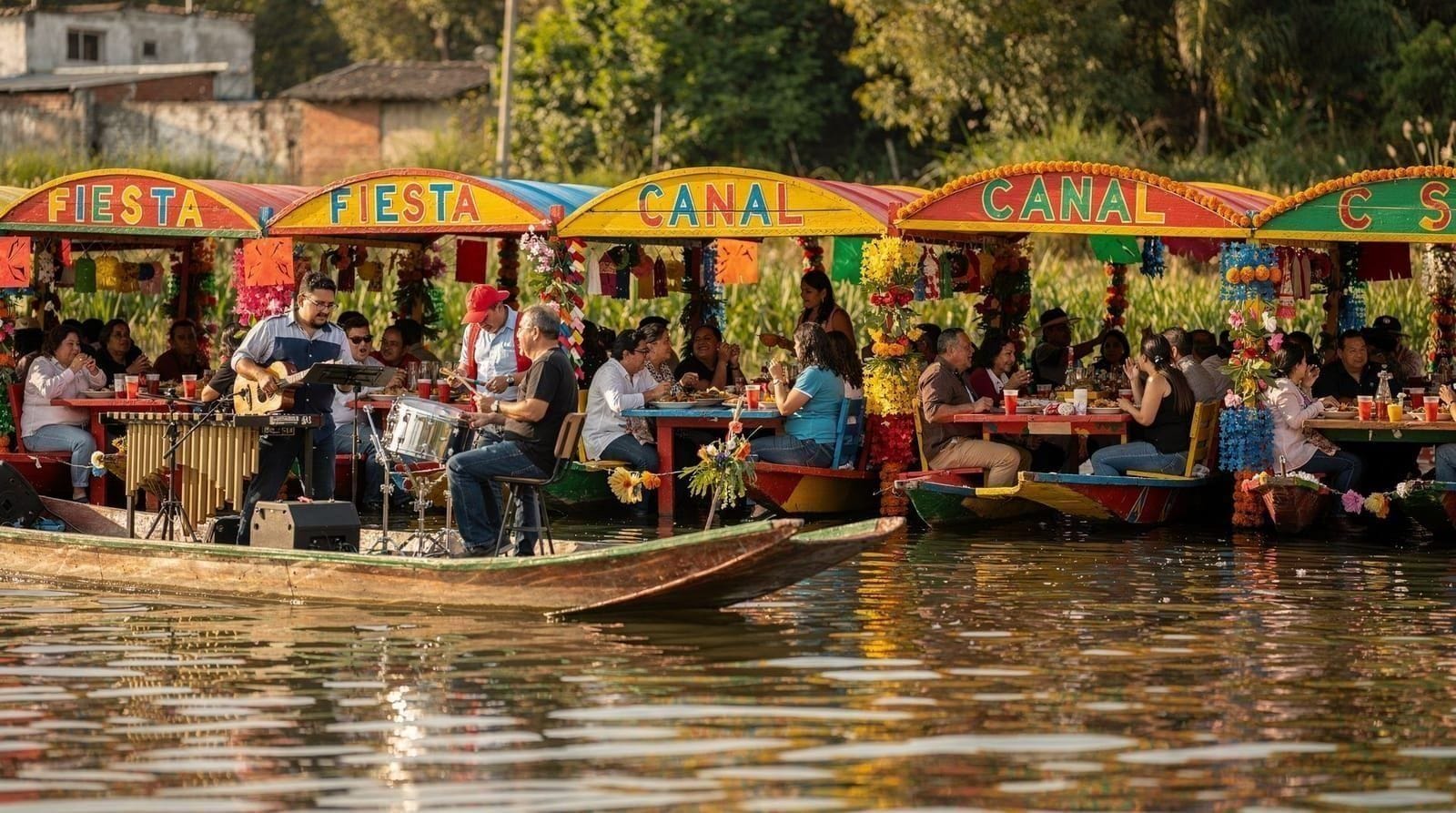
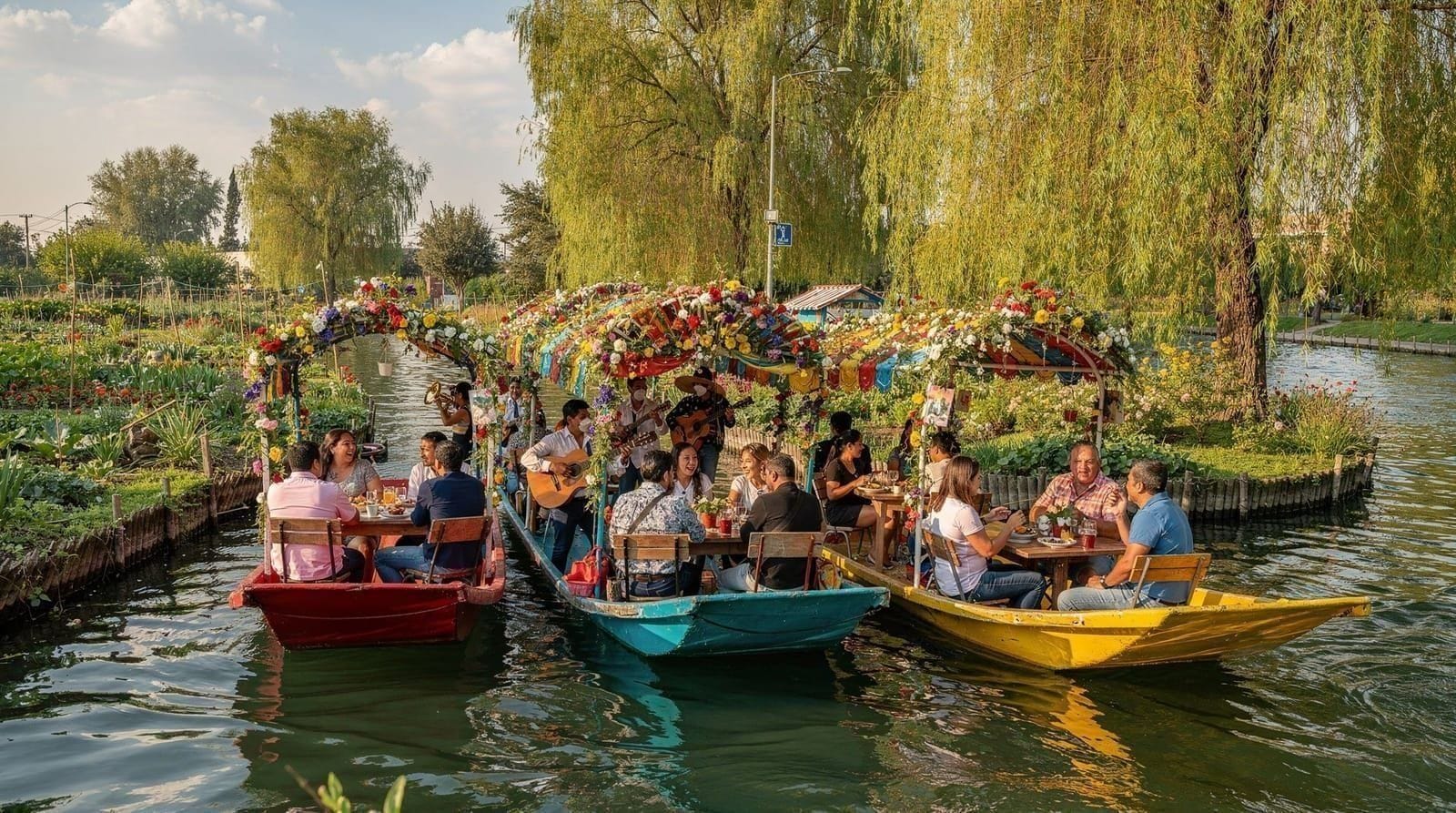
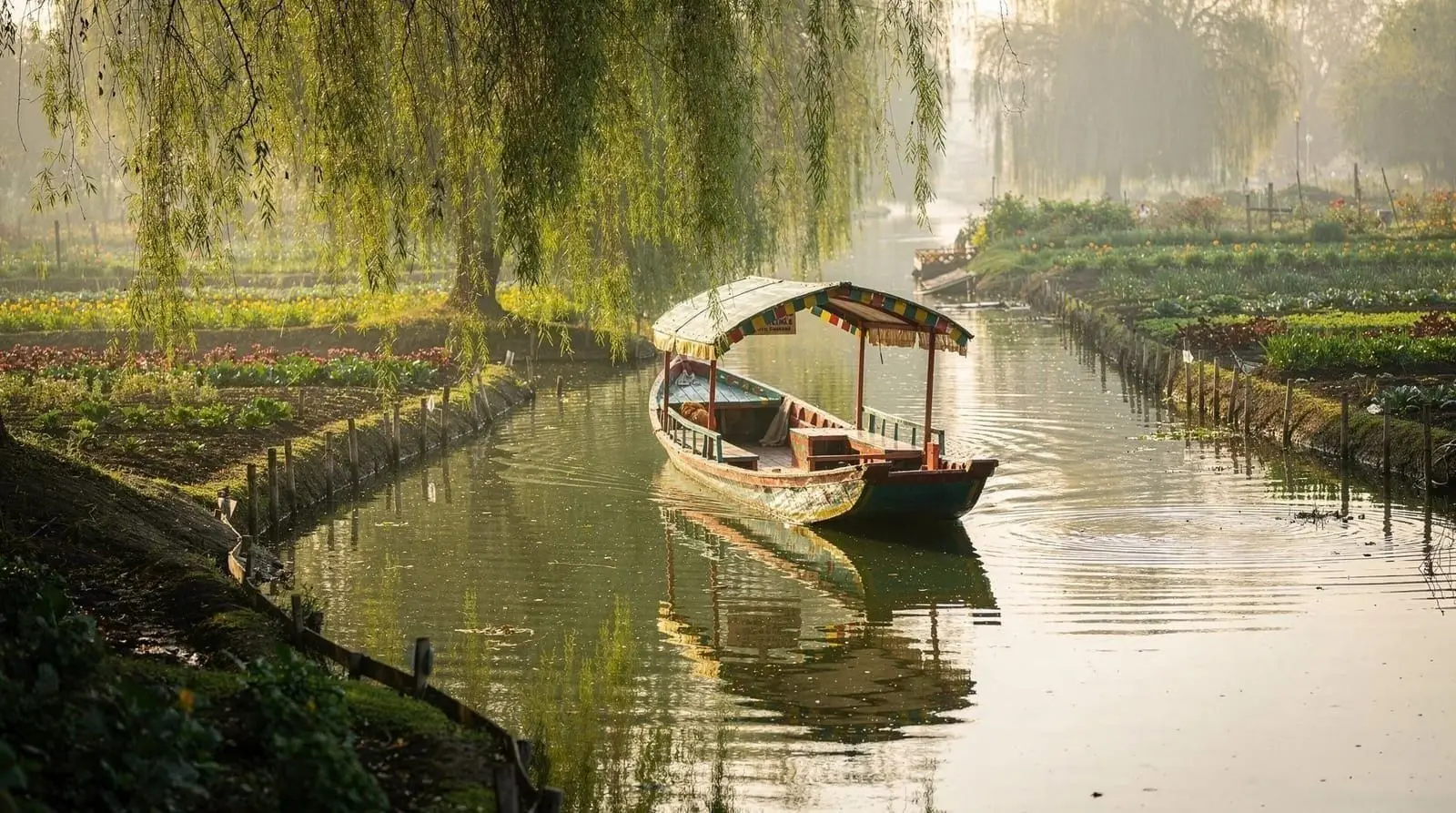
The trajinera is the iconic wooden boat of Xochimilco’s canals — a flat-bottomed vessel 10–15 m long, covered by a painted wooden canopy decorated with paper flowers and marigolds. Each boat is painted with a woman’s name in large letters on the bow: María, Rosa, Lupita, Esperanza. You don’t choose the name; you hire the next available boat.
The trajinero — the boatman — stands at the stern and propels the boat using a long wooden pole pushed against the canal floor, or paddles in deeper sections. His fee is included in the boat hire rate; there is no separate charge for his labour, only the expected tip at the end.
A trajinera carries 8 to 20 people. Larger groups get more comfortable boats with more deck space, tables, and sometimes bench seating along the sides. Smaller groups (4–6 people) can hire the same boats; you’re paying for the vessel, not per person.
This guide focuses on hiring the boat itself — embarcaderos, rates, negotiation and etiquette. For the wider picture of Xochimilco as a destination — the ecological zone, chinampas, axolotls and how to combine it with the rest of your trip — see the Xochimilco complete guide.
| Where | Fernando Celada (main), Nativitas, or Cuemanco (ecological) embarcaderos |
| Cost | Around 300–900 MXN for the whole boat, weekday vs. weekend |
| Time needed | 1.5–2 hours for a standard trip |
| Getting there | Metro Line 2 + tram, or Uber ~100–150 MXN from Roma |
| Tip | 50–100 MXN for the trajinero |
The embarcaderos: where to board
Xochimilco has multiple embarcaderos (landing stages) scattered around the canal network. For most international visitors, the relevant ones are:
Fernando Celada — The main tourist embarcadero, a short walk from the central market and town center. This is where most organized tours and independent visitors arrive. It has the most boats available, the most organized setup with posted rate boards, and the most vendor activity on the water. It can be overwhelming on Saturday afternoons; calm on weekday mornings.
Nativitas — About 500 m east of Fernando Celada. Similar setup, slightly less tourist-facing, marginally better rates in some cases.
Nuevo Nativitas — A newer, more organized alternative. Often used by organized tours for its clearer pricing and better parking.
Cuemanco — The ecological embarcadero in the eastern section of the network. Starting point for the Xochimilco Ecological Park and axolotl sanctuary routes. No party atmosphere; this is a nature-focused circuit.
Recommended for first-timers: Fernando Celada or Nuevo Nativitas for the standard experience; Cuemanco for the ecological experience.
All four embarcaderos are within the same general Xochimilco district, roughly 15–25 minutes apart by taxi if you arrive at the wrong one or want to compare rates. Signage at the entrance of each landing states whether it’s an official embarcadero — look for the municipal rate board (tarifa oficial) posted near the ticket area as the clearest sign you’re at a licensed landing rather than an informal one nearby.
Rates and negotiation
Official rate boards (tarifas oficiales) are posted at all licensed embarcaderos. In practice, the listed rates are the minimum; operators often try to charge above the official rate to international visitors. The boards are your leverage. Overcharging at the dock is a mild version of the tricks covered in the common scams guide, and the same calm, polite firmness works here.
Approximate 2026 rates:
| Circuit | Weekday | Weekend |
|---|---|---|
| 1.5 hours (short loop) | 350–450 MXN | 550–750 MXN |
| 2 hours (standard) | 500–600 MXN | 700–900 MXN |
| 3 hours (extended) | 700–900 MXN | 900–1,200 MXN |
| Island of the Dolls (4 hrs) | 1,200–1,600 MXN | 1,500–2,000 MXN |
These prices are for the whole boat (up to 20 people). A standard 2-hour trip split between 4 people costs 125–225 MXN per person.
Negotiation approach: Quote the posted official rate and hold it. Operators may start 20–30% above this; politely declining and walking to the next boat usually brings prices back to the official tariff. Don’t pay more than the posted rate without a specific justification (unusual timing, special route, larger boat).
Booking a tour vs. hiring independently
The organized Xochimilco trajinera tour includes transport from central Mexico City, the trajinera hire, and a guide. The advantage: no navigation of the embarcadero, no rate negotiation, transport sorted. The disadvantage: less flexibility on timing, and you’re on a schedule.
Independent hiring gives you more control: you choose the embarcadero, the duration, the route (within limits), and the pace. It’s appropriate for visitors who are comfortable with Spanish-language negotiation or are traveling in a group with some local knowledge.
The trajinera party tour with snacks and music is specifically for groups wanting the festive experience with mariachis and food included in the package price — a good option for birthday groups or celebrations. For visitors who want the market, food and working chinampas covered without arranging any of it separately, the Xochimilco market, food and nature all-included tour bundles a stop at the town market with tastings and the ecological canal side into a single package price.
Independent hire vs. organized tour: the real cost comparison
| Independent hire | Organized tour | |
|---|---|---|
| Transport | Not included (~100–150 MXN Uber each way) | Included |
| Boat hire | 300–900 MXN, split by group | Bundled into tour price |
| Negotiation needed | Yes (Spanish helpful) | No |
| Flexibility on timing | High | Low — fixed schedule |
| Best for | Groups of 4+, Spanish speakers, flexible schedules | Solo travellers, first-timers, no time to plan |
For a group of four splitting the standard 2-hour circuit, independent hire typically comes out cheaper even after transport, but the saving is modest once Uber fares are counted — the real trade-off is flexibility and comfort, not price. Solo travellers and those uneasy with on-the-spot negotiation usually find the organized tour better value for the reduced friction.
What you’ll encounter on the water
Other trajineras: The main tourist circuit on weekends is busy with dozens to hundreds of other boats. Boats pull alongside each other; vendors transfer between boats; boats raft up at the wider canal sections. This is the normal social landscape of Xochimilco.
Vendor boats: Small motor launches and paddled boats carry vendors selling:
- Corn (elote) — grilled with cheese, mayonnaise, chili and lime (40–60 MXN)
- Tlayudas, quesadillas and memelas — made on a comal on the boat (30–60 MXN)
- Drinks and beer — chilled, reasonably priced (30–50 MXN)
- Cut flowers — Xochimilco grows much of Mexico City’s cut flower supply (20–80 MXN per bunch)
- Fruit and snacks
- Crafts and souvenirs (negotiable)
Mariachi boats: Full mariachi bands (typically 5–7 musicians) travel on their own trajineras and offer to play for passing boats. Per-song rate: 100–200 MXN. A full set of 3–4 songs is an authentic experience. Decline politely by waving them on if you’re not interested; they understand.
Chinampa gardens: The canal edges alternate between densely vegetated chinampa walls — you see the underside of the raised garden beds, the roots hanging into the water, the crops above. On the extended circuit, some boat journeys pass working farms where flowers, herbs and vegetables are actively growing.
When to go for the best experience
Party atmosphere: Saturday or Sunday afternoon (12:00–16:00) at Fernando Celada. This is when Xochimilco is most alive with Mexican families celebrating, mariachis playing, vendor boats crowding. Loud, festive, authentic.
Photography: Weekday morning (09:00–11:00). The light is good, boats are sparse, and the canals look closer to how they photograph in travel magazines.
Ecological/nature: Any weekday at Cuemanco embarcadero. Mornings best.
Children: Weekday morning for calmer conditions. Weekend afternoons can be overwhelming for young children in the crowd and noise.
Avoid: Saturday afternoons in December-January (extremely crowded, rates above norm, very long queues for boats).
Trajineras with children
Children generally enjoy the trajinera experience — the boat itself, the vendor food, and the novelty of the canals all work well for families. Weekday mornings are the easier choice with young kids: fewer crowds, calmer water traffic, and a more relaxed pace for boarding and disembarking. See the Mexico City with kids guide for how a Xochimilco morning fits alongside the rest of a family day, and pair it with an afternoon in Coyoacán — the 3-day itinerary builds exactly this combination into a single day.
Timing the trip around the weather and the calendar also helps: the best time to visit Mexico City and the month-by-month weather guide will tell you which season suits the kind of boat day you want.
Duration guide
Short trip (1.5 hours): Covers the main canal loop from Fernando Celada. You see the highlights of the tourist circuit — the Flower Bridge, the main garden island views, some chinampa farms. This is enough for a taste without feeling rushed.
Standard trip (2 hours): The recommended baseline. You have time to eat vendor food, negotiate for mariachi music, drift through quieter canal sections, and not feel you’re racing through.
Extended trip (3 hours): For visitors who specifically enjoy the water and want to reach the more agricultural sections. The extra hour moves you into significantly quieter territory.
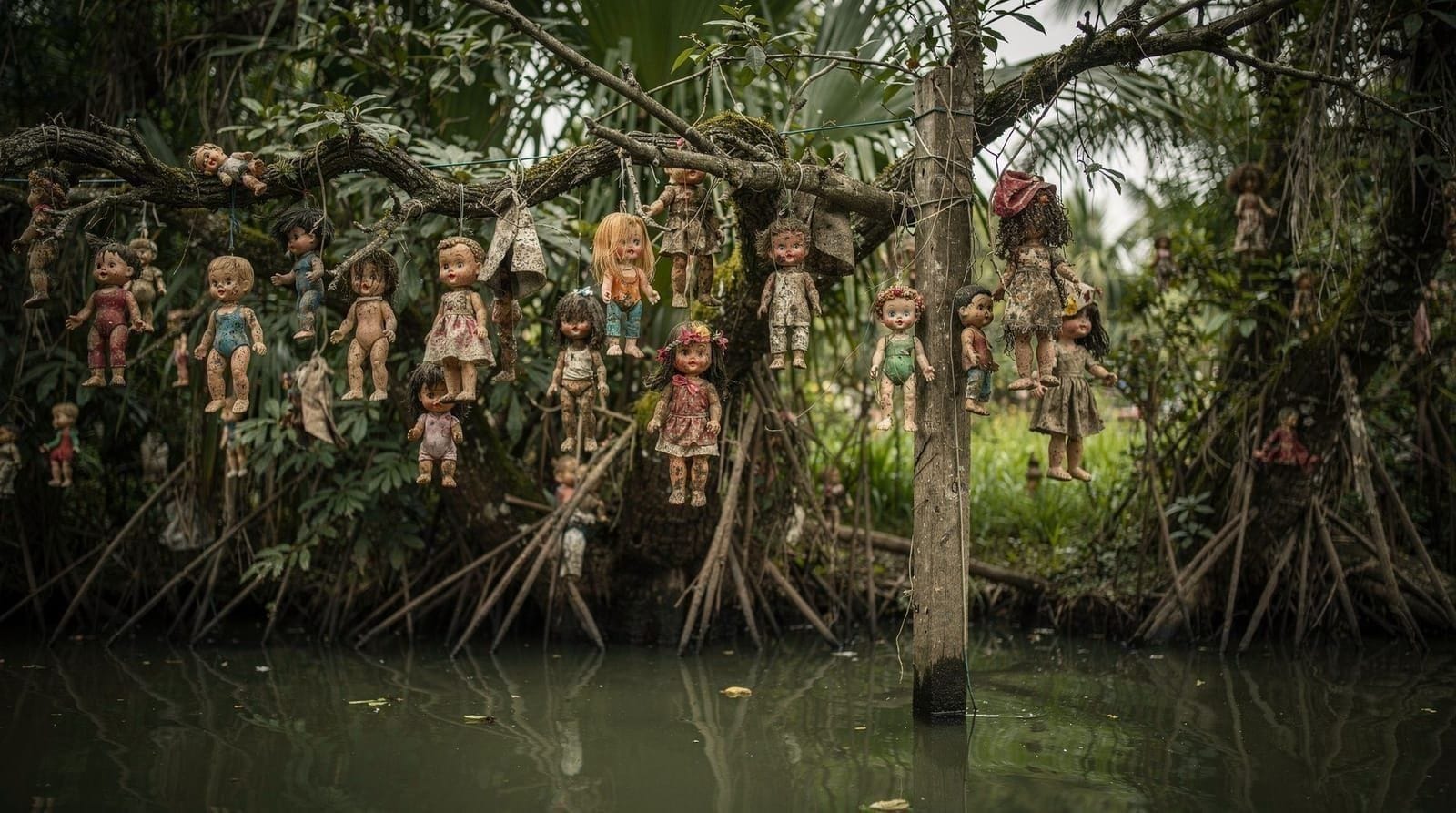
Island of the Dolls (4+ hours from Fernando Celada): A dedicated excursion — see the Island of the Dolls guide for full logistics.
Accessibility on the water
Boarding a trajinera involves a step down from the dock onto the boat deck, which can be a small hurdle without assistance — dock staff generally help passengers on and off. Once seated, the trip itself requires no walking or standing, which makes it a comparatively accessible activity for visitors with limited mobility compared to most Mexico City walking-heavy attractions. Bench seating is fixed rather than adjustable, so travellers with specific seating needs should mention this when booking, particularly on organized tours where staff can request a suitable boat in advance.
Staying comfortable
Sun: The trajinera canopy provides partial shade, but midday UV at this latitude is intense. Sunscreen is essential; a hat is useful when vendor boats pull alongside and you’re leaning over the rail.
Rain: Afternoon showers in rainy season (June–October) are common. The canopy provides some protection. If it rains heavily, boats typically return to the embarcadero early. Bring a packable rain jacket.
Temperature: Xochimilco’s canal microclimate is cooler than the city — the water and vegetation moderate the temperature. Even in summer, the water experience is comfortable in the morning.
Bathrooms: There are bathrooms at the embarcaderos before boarding. On the water, there are no facilities. Plan accordingly, especially with children.
Frequently asked questions about Xochimilco trajineras
Can you negotiate with the trajinero during the trip to extend time?
Yes — mid-trip extension is normal. If you’re enjoying the experience, agree an additional hour rate with your boatman (expect the standard hourly rate or slightly above). Have cash ready.
Is it safe to eat the food from vendor boats?
The vendor food — corn, quesadillas, fresh fruit — is cooked food and generally safe. Use the same judgment you would at any street food situation, and see the street food guide and the tap water and food safety guide for the wider rules of thumb. The fresh corn (elote) with lime is particularly recommended. Avoid raw items and pre-made items that have been sitting out. Drinks from sealed bottles and cans are completely safe.
How do I call my Uber/DiDi to pick me up from Xochimilco?
Phone reception at Fernando Celada is generally good. Book your return ride from the embarcadero dock area or the adjacent road. Allow 20–40 minutes wait time; rideshare demand is high after peak weekend hours (around 15:00–17:00 on Saturdays and Sundays).
What is the Flower Bridge?
The “Puente de las Flores” (Flower Bridge) is a photogenic bridge over one of the main canals near Fernando Celada, decorated seasonally with cut flowers and paper decorations. It’s one of the standard photo stops on the tourist circuit and easily reached on any standard route.
What is a trajinera?
A trajinera is a flat-bottomed wooden punt-style boat, brightly painted with flowers and the passenger’s name (often rented with a festive name like ‘Maria’ or ‘Lupita’). They are the traditional boats of the Xochimilco canals, propelled by a trajinero using a long wooden pole or paddle. They seat 8–20 people under a covered roof decorated with marigolds and paper flowers.
Which embarcadero should I use at Xochimilco?
Fernando Celada is the main tourist embarcadero, closest to the town center and the most organized. Nativitas is a short walk away and slightly less hectic. For ecological tours, Cuemanco embarcadero is the right starting point. All authorized embarcaderos post official rate boards; use these to verify the price offered.
What is the difference between the short and long trajinera circuits?
The short circuit (1.5 hours) covers the main canal loop near the embarcadero — you see other trajineras, vendor boats, flowering garden edges and some chinampa farms. The long circuit (2.5–3 hours) goes deeper into the canal network with more agricultural chinampas, fewer tourist boats, and a quieter atmosphere. The Island of the Dolls requires a separate 3–4 hour journey.
Are vendor boats pushy? Can you say no?
Vendor boats approach regularly and some are persistent. A clear ‘no, gracias’ or a wave is sufficient — they move on quickly. Buying from one vendor signals others to approach. If you want a quiet, low-vendor experience, choose a weekday morning on the ecological circuit; weekday afternoons and all weekend times see more vendor traffic.
Do I need to tip the trajinero?
Tipping is expected and appreciated. Standard tip: 50–100 MXN for a 2-hour trip. The boatman’s fee is not included in the hire price in any meaningful way — their income depends substantially on tips. If your trajinero was engaging and the trip enjoyable, 100–150 MXN is generous but appropriate.
Can I bring my own food and drinks?
Yes, you can bring your own food and drinks. There is no restriction. Many visitors bring a cooler with their preferred drinks and snacks and buy occasional items from vendor boats. The vendor food (corn, quesadillas, memelas) is genuinely good and part of the experience, but there is no obligation to buy anything.
How do I get from central Mexico City to an embarcadero on my own?
Take Metro Line 2 (blue line) to Xochimilco station, then a short tranvía (tram) ride or a 25–30 minute walk to Fernando Celada. By Uber/DiDi from Roma or Condesa, expect 40–60 minutes and 100–150 MXN depending on traffic. Booking an organized tour removes this leg entirely, since transport is included. For the Metro, Metrobús and rideshare basics across the rest of the city, see the getting around Mexico City guide.
The chinampa economy you float past
Most visitors experience the Xochimilco canals as a leisure environment. The working agricultural layer is still present but not always visible. As your trajinera moves through the main tourist circuit, the chinampa walls beside the canal are not just scenery — they are actively farmed plots that supply Mexico City’s flower market (one of the largest in the world) and produce vegetables and herbs sold at the surrounding markets.
Xochimilco supplies roughly 30–40% of Mexico City’s cut flower production. The chinampas visible from the canal — raised beds above the water line, their roots descending into the lake sediment — grow marigolds, dahlias, chrysanthemums, roses and dozens of other species in rotation. The flower-laden vendor boats on the tourist circuit are selling flowers that were grown within 1 km of where you’re buying them.
The farming families who work these chinampas are hereditary landowners — the chinampa system was never collectivized or significantly reformed during the 20th century agrarian redistributions, which were focused on dry-land haciendas. This means the Xochimilco agricultural community maintains a semi-traditional relationship with their land that is unusual in the metropolitan context of Mexico City.
On the ecological circuit from Cuemanco, you’re more likely to see the farming operations actively — workers in the fields, loaded flat-boats carrying produce to market, greenhouses on some larger chinampas. The tourist circuit from Fernando Celada sees fewer working farms; the plots near the main embarcaderos have often been converted to residential use or lie fallow.
When the Festival of the Flowers happens
March and April bring the Festival of Flowers in Xochimilco, timed with the peak of the flower-growing season. During this period, the embarcaderos and canals are decorated more elaborately than usual, flower-based events occur at the market and town center, and the vendor boats carry unusually abundant seasonal flowers. If your visit coincides with this period, Xochimilco on a Saturday morning during the flower festival is one of the more visually abundant experiences the city offers.
The timing also coincides with jacaranda season — late March through mid-April — when the trees lining many of the canal approaches and the town center streets turn purple. See the jacaranda season guide for the full city-wide jacaranda context.
The Day of the Dead at Xochimilco
Late October through November 2 (Día de Muertos) brings a specific version of Xochimilco’s festivities. The La Llorona theatrical boat experience — a nighttime journey through decorated canals with live performances based on the La Llorona legend (the weeping woman ghost of Mexican folklore) — runs only during the Day of the Dead season and is one of the most distinctive CDMX festival experiences available.
Tickets sell out weeks in advance and the experience is significantly more expensive than a standard trajinera hire. For visitors specifically interested in Day of the Dead culture, it is worth planning for. The Day of the Dead Mexico City guide covers the full festival context.
Paying your trajinero and ending the trip
The trajectory of a standard Xochimilco visit ends at the embarcadero where you boarded. Your trajinero will maneuver back to the dock and help passengers disembark.
At this point:
- Pay any remaining hire fee if not paid fully upfront
- Tip the trajinero: 50–100 MXN for a standard 2-hour trip, 100–150 MXN for an especially good experience
- Collect all belongings from the boat
- Use the dock bathrooms before leaving the embarcadero area
The market stalls at Fernando Celada’s dock area sell crafts, food and souvenirs. The adjacent Mercado de Xochimilco (the town market) is the better option for food if you’re hungry after the boat. Tlayudas with bean paste and cheese, tamales and memelas are the local staples here.
For the onward journey — whether to Coyoacán or back to central Mexico City — rideshare from the embarcadero is the most convenient option. The Metro is 3 km away (Metro Xochimilco, Line 2), accessible by tram or on foot.
Top experiences
Bookable activities with verified prices and instant confirmation on GetYourGuide.