Day of the Dead in Mexico City 2026: what's real, what's touristy, and where to actually go
Día de Muertos — the Day of the Dead — is not Halloween with skulls. It is a two-day reunion between the living and the dead — Nov 1 (Todos Santos, for children) and Nov 2 (Día de Muertos, for adults) — rooted in pre-Hispanic Aztec ritual and layered with Catholic influence. Mexico City does it differently from Oaxaca or Pátzcuaro. The city is enormous, the traditions vary block to block, and since the 2015 James Bond film turned the parade into a global spectacle, a second tier of tourist theatre has grown around the genuine article. Here is what is actually happening in 2026, where to witness it without feeling like you are inside a staged photoshoot, and where to skip.
| Where | Mixquic (contemplative), Coyoacán/Zócalo (festive), Reforma (parade) |
| Cost | around 200–400 MXN for food/face painting; Mixquic tour higher |
| Time needed | Nov 1–2, plan a full evening for Mixquic |
| Getting there | guided transfer for Mixquic, Metro/Uber for Centro and Coyoacán |
| Best time | evening of Nov 2 for cemetery vigils, afternoon for the Zócalo altar |
Choosing between the three main experiences
Mexico City’s Day of the Dead is not one event but several, and they suit different travellers:
| Experience | Feel | Crowds | Best for |
|---|---|---|---|
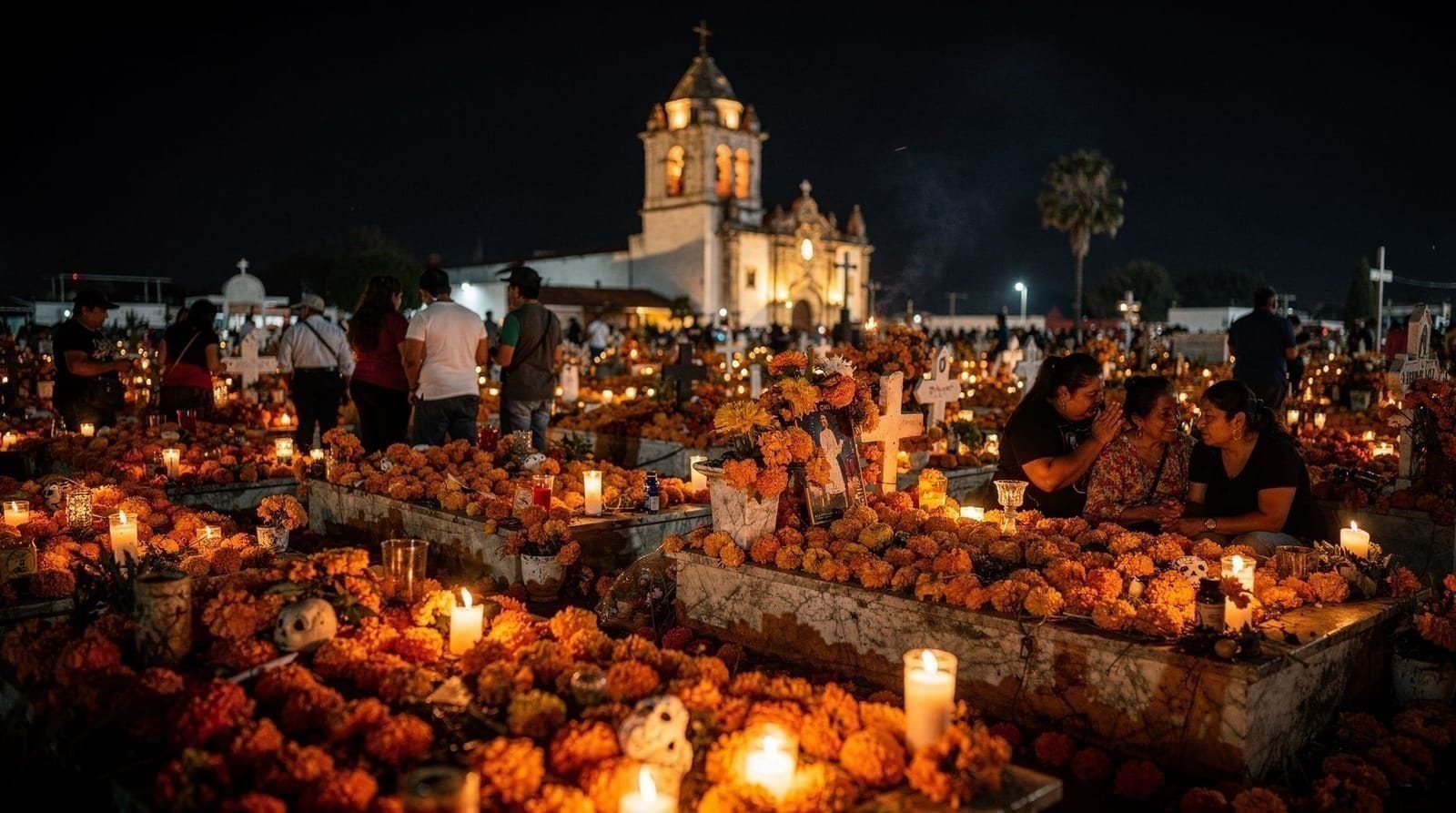
| Mixquic cemetery vigil | Contemplative, intimate | Moderate, local | Travellers who want the genuine tradition |
| Coyoacán neighbourhood altars | Festive, colourful | Heavy on Nov 1–2 | First-timers who want atmosphere and photos |
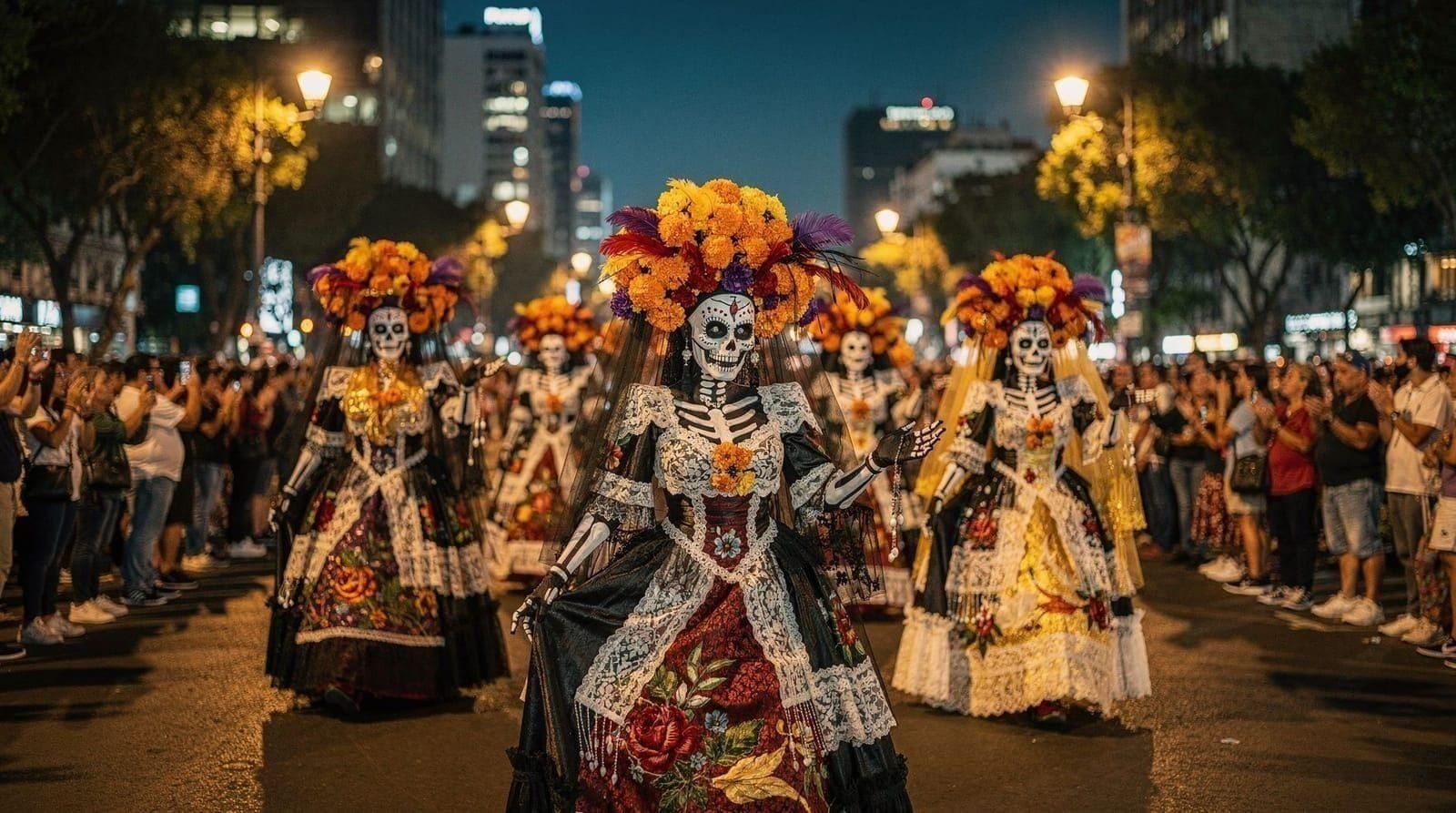
| Reforma parade | Spectacular, staged | Very heavy (100,000+) | Visitors who specifically want the “Spectre” spectacle |
None of these is wrong to choose — they answer different questions about what you want from the visit. Many visitors do the Zócalo altar in the afternoon and Mixquic in the evening, since the timing does not conflict.
The dates that matter for 2026
- Oct 31 evening: some families set up ofrendas; Garibaldi and Coyoacán markets start selling marigolds (cempasúchil) and pan de muerto.
- Nov 1, 2026 (Saturday): Día de Todos Santos. Altars honour children (angelitos). Quieter in most homes; more visible in cemeteries in the afternoon.
- Nov 2, 2026 (Sunday): the main day. Ofrendas for adults. Cemetery vigils run through the night in some neighbourhoods. The large civic parade on Paseo de la Reforma typically falls on or near Nov 2 — confirm exact scheduling closer to the date on the CDMX government site (cultura.cdmx.gob.mx), since the official programme is published in October each year.
Book transport and accommodation by July at the latest. Hotel prices in Roma and Condesa roughly double the first week of November.
The Zócalo and Reforma parade: genuine or tourist show?
The mega-parade along Reforma (costumes, skeletal floats, Catrina figures in elaborate gowns) is a relatively recent invention — the city government launched a large-scale public event after the Bond film made international tourists expect one. It is spectacular and the production value is high. It is also extremely crowded: Paseo de la Reforma fills with 100,000+ people, visibility is limited, and pickpockets are active.
If your goal is to see elaborate costumes and marigold displays, the parade delivers. If you want to understand the tradition, you need to go elsewhere. The parade and the cemetery vigils are not contradictory — do both if time allows.
Mixquic: the most authentic cemetery vigil accessible from CDMX
San Andrés Mixquic is a small town in the borough of Tláhuac, about 35 km south of the city centre. It has maintained a pre-Hispanic cemetery vigil tradition that is largely unaltered: families arrive at the cemetery on the evening of Nov 2 with candles, marigolds, food and mezcal, and spend the night beside the graves of their relatives. It is quiet, personal, and genuinely moving.
Logistics matter. Mixquic is accessible by Metro (Line 2 to Tasqueña, then pesero/combi) but the combination is slow and directions are confusing at night. Most visitors book a guided van transfer from central CDMX — typically 3–4 hours, departs around 8 pm, returns by midnight. The town fills up by 9 pm; arriving before that gives you space to walk the cemetery without crowds.
Day of the Dead tour to San Andrés MixquicThe town market outside the cemetery sells tamales, atole and marigold wreaths. Budget 200–400 MXN (10–20 USD) for food. Wear warm layers — November nights here drop to 10–12°C.
The cemetery itself is free. There is no entrance fee, but respect the families: ask before photographing individuals directly, do not sit on tombs, and follow the lead of locals.
Coyoacán: neighbourhood altars and street life
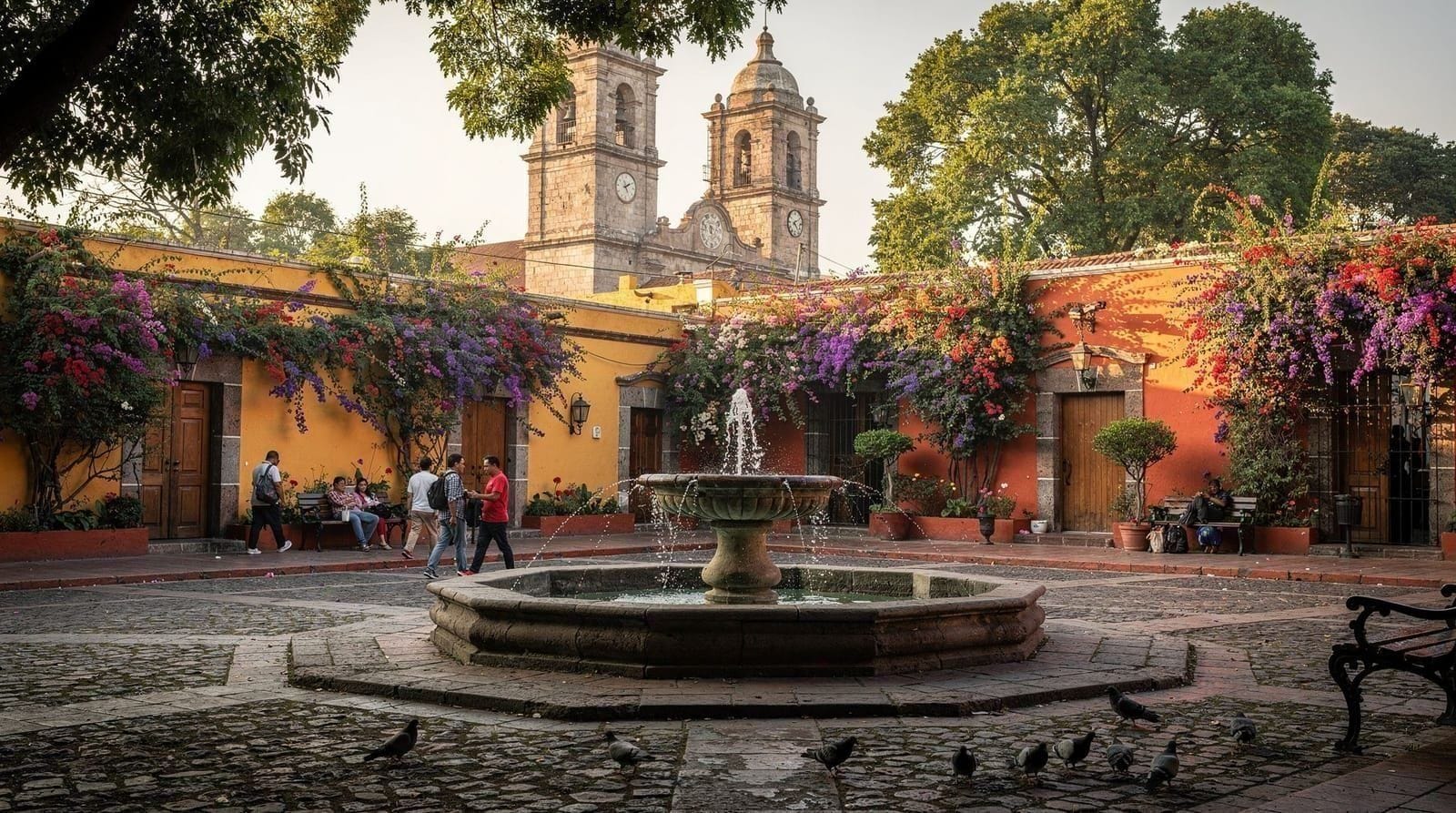
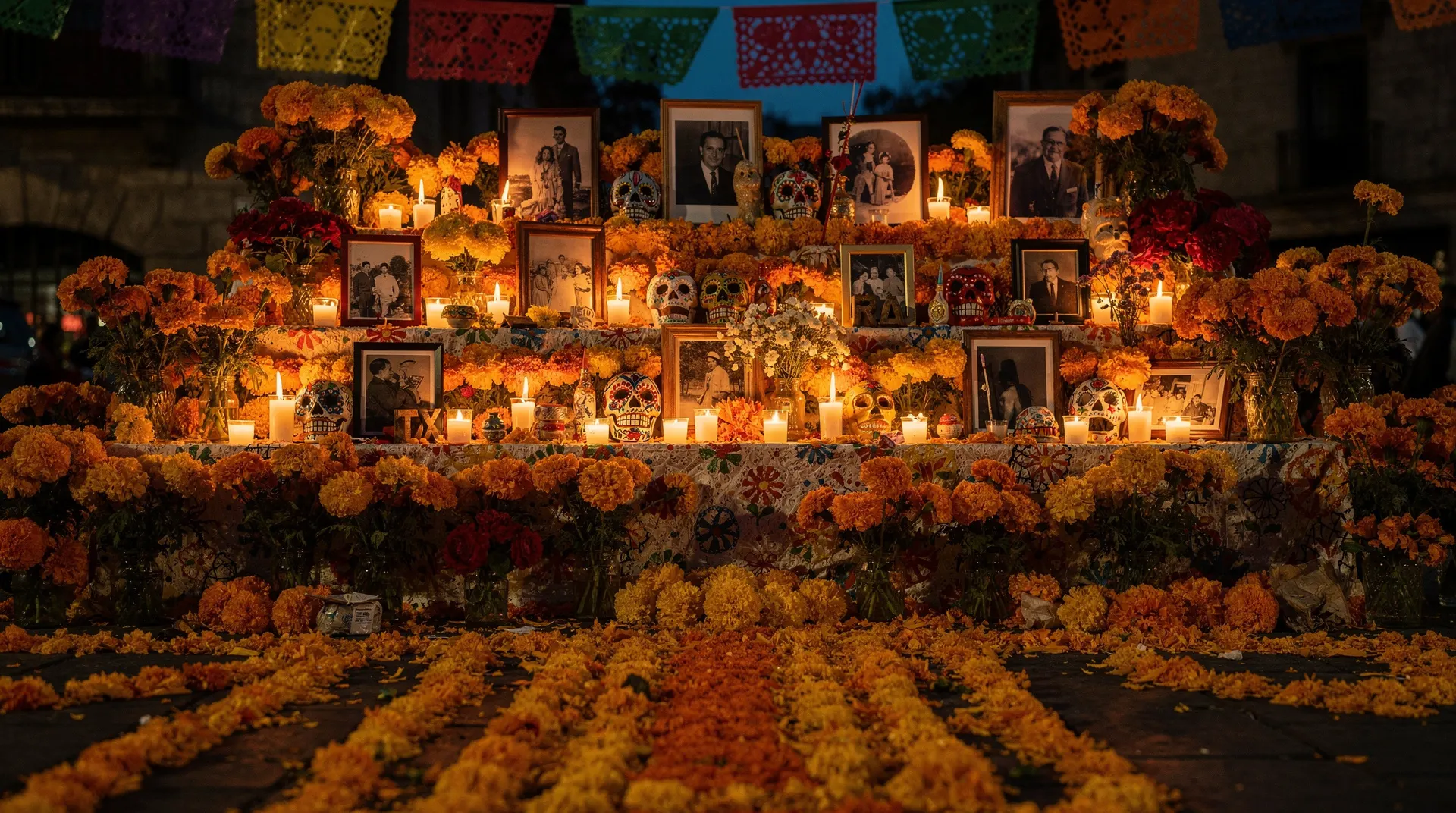
Coyoacán is the most accessible neighbourhood for Day of the Dead atmosphere without travelling out of the city. The central market (Mercado de Coyoacán) and the jardín are lined with marigold vendors from Oct 30. Ofrenda competitions take place in the main square on Nov 1–2, with elaborate community altars. The Frida Kahlo Museum (Casa Azul) constructs a dedicated Día de Muertos installation each year — it sells out fast, book the timed-entry ticket well in advance.
The neighbourhood streets around Jardín del Centenario fill with catrinas and sugar-skull face painting (many of the painted-face offers on the street are 200–400 MXN / 10–20 USD). The atmosphere is festive rather than solemn — a contrast to Mixquic, which is genuinely contemplative.
San Ángel: the community ofrenda to notice
San Ángel holds one of the more understated neighbourhood celebrations, anchored around the Plaza del Carmen and the Carmelite monastery (which has catacombs and mummified monks — open year-round but especially atmospheric in early November). Local families bring ofrendas to the atrium of the church. There is also a Day of the Dead experience in San Angel that some operators offer.
Centro Histórico: the big public altar at the Zócalo
The city government installs a large community ofrenda in the Zócalo each year — this is the single largest public installation in the city. The photographs in the evening, with the cathedral lit up and thousands of marigolds, are striking. It is also the most photographed location and the most crowded. Visit in the afternoon before the parade crowd peaks.
The Templo Mayor and the surrounding historic centre area hold guided night tours that incorporate Day of the Dead mythology and pre-Hispanic beliefs about death. These are theatrical but informative if you want context. For travellers who want the ghost-story side of the season rather than the pre-Hispanic ritual angle, the Day of the Dead legends and ghosts mystery tour leans into the folklore and haunted-history tellings that circulate around the centre during these two days.
Day of the Dead guided tour in Mexico CityWhat to skip
The over-priced “experience” packages: some hotels and agencies sell 3–4 hour “immersive Day of the Dead experiences” for $80–150 USD that amount to face painting, a mezcal tasting, and a walk to the Zócalo. The components individually cost a fraction of that. The face painting on the street (150–300 MXN) is fine; the mezcal is better handled by going to a mezcalería in Roma yourself.
Tepito cemetery: some travel blogs list Tepito’s cemetery as authentic. The neighbourhood of Tepito (north of Centro Histórico) is genuinely unsafe for tourists at night. Do not go there alone or at night, regardless of the occasion.
Waiting for the James Bond parade route to be “free”: the Reforma parade is ticketed or requires early position. If you show up an hour before without a spot, you will see the backs of heads.
Practical notes for 2026
- Book Frida Kahlo Museum: the Nov 1–2 special programme sells out months ahead.
- Marigolds: you can buy cempasúchil at any CDMX market from Oct 28. Mercado Jamaica (near Metro Jamaica) is the wholesale flower market — extraordinary in November and very cheap (50–100 MXN per bundle).
- Transport: Uber and DiDi surge heavily on Nov 2 after 8 pm. Consider Metro for the parade route (Metro runs late on major event nights) or pre-book a driver.
- Safety: the parade draws large crowds and pickpockets. Front-button bags, nothing in back pockets.
The complete guide to Day of the Dead in Mexico City and the Mixquic guide have more detail on both venues. For itinerary context, the 3-day Mexico City itinerary shows how to fit Día de Muertos into a broader visit.
Fitting the festival into the rest of your trip
Día de Muertos works best when it is one thread in a wider visit rather than the only plan. The days around it are a good moment to look at where to stay in Mexico City early, because the neighbourhood you pick shapes how easy the late evenings are. The Roma and Condesa area is a comfortable base for getting to Coyoacán and the centre, and our comparison of Roma vs Condesa helps you choose between them.
Getting around after dark deserves a little planning. Our getting around Mexico City guide covers the options, and it is worth reading alongside the advice in is Mexico City safe and the more recent 2026 safety update before you head to crowded events at night. If you are worried about pickpockets and tourist-targeting tricks in the crowds, the common scams guide is a useful read.
Food is a big part of the season, from pan de muerto to tamales and atole. If you want to taste more than the festival stalls, the street food guide and the food tours guide point you towards good places, and the markets guide is handy for the flower and ofrenda-supply stalls mentioned above. For a mezcal to match the occasion, see mezcal vs tequila.
If you have a few extra days, the festival pairs well with other trips out of the city. Browse the best day trips from Mexico City, or the lakeside canals of Xochimilco, an easy add-on for a different kind of day. For a first visit, the guidance in first-timer mistakes and the best time to visit guide give useful context, and the 24 hours in Mexico City plan is a good fallback if your schedule is tight.
What to pack for the evening
Mixquic and outdoor Zócalo viewing both mean standing or walking for hours after dark in November. Bring a genuinely warm layer (temperatures drop to 10–12°C), closed comfortable shoes rather than sandals, a small crossbody bag rather than a backpack (easier to keep in front of you in crowds), cash in small denominations for food and marigolds, and a portable phone charger — photos and navigation drain batteries fast on a long evening out. If you plan to have your face painted as a catrina, wear clothes you don’t mind getting a little paint on, and expect the process to take 15–20 minutes at a busy stand.
How Mexico City’s celebration compares to Oaxaca and Pátzcuaro
Travellers researching Día de Muertos in Mexico often see Oaxaca and Pátzcuaro (Michoacán) recommended over CDMX, and there’s a reason: both are smaller cities where the tradition is more concentrated and less diluted by the city-government parade. If you have the flexibility to choose your destination and want the most traditional experience with the least tourist theatre, Oaxaca or Pátzcuaro’s Isla de Janitzio arguably deliver something closer to what Mixquic offers, at a larger scale. But if Mexico City is your trip regardless, Mixquic gives you a genuinely comparable experience without adding another flight or long bus journey — you don’t need to leave the capital to see the real thing.
Frequently asked questions about Day of the Dead in Mexico City
When exactly is Day of the Dead 2026?
Nov 1 (Todos Santos) and Nov 2 (Día de Muertos). In 2026, these fall on Saturday and Sunday, which means the civic parade on Reforma may be larger than in weekday years.
Is Mixquic safe to visit at night?
Yes — Mixquic is a small, well-lit community and the event draws thousands of visitors. The main risk is the journey, not the destination. Use an organised tour or Uber/DiDi all the way (it can enter the town).
Do I need to book anything in advance?
The Frida Kahlo Museum, yes — absolutely. Mixquic tours, yes. Hotels, yes. The Zócalo ofrenda and the parade are free and require no booking, just patience with crowds.
Is the parade the same as what’s shown in the James Bond film?
The 2015 film “Spectre” was shot partly on location in CDMX but the parade it depicts was essentially created for the production and then made real by the city government afterward. It is authentic in the sense that it now happens every year, but it is not a centuries-old tradition — it is a contemporary civic invention inspired by the pre-existing funeral procession elements of the holiday.
What should I wear?
Comfortable walking shoes, a warm layer for evenings (10–15°C), and no expensive jewellery. Some visitors dress as catrinas — this is welcomed, not cultural appropriation, since the catrina figure was popularised by the Mexican illustrator José Guadalupe Posada in the early 1900s.
Is Mixquic or Coyoacán the better choice if I can only pick one?
Mixquic, if a genuinely moving, less-touristy evening matters more to you than convenience — it requires a longer evening and usually a guided transfer. Coyoacán is the better choice if you have limited time, want daytime and evening options, or are travelling with people who prefer a shorter, more festive outing over a cemetery vigil.