Best food tours in Mexico City: an honest comparison
Mexico City: Tacos & Mezcal Night Food Tour
Duration: 3 hours
Are food tours in Mexico City worth the money?
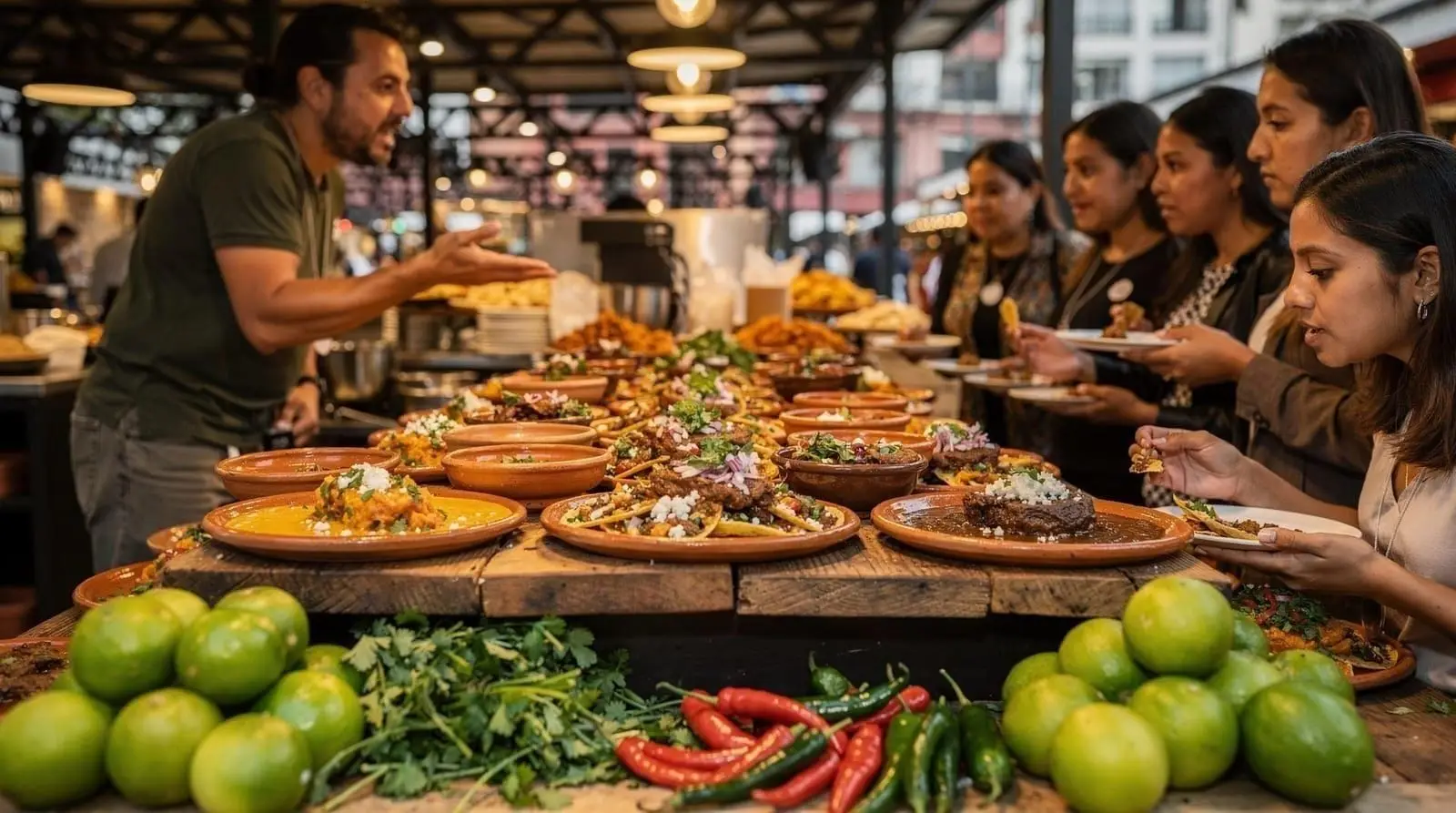
Guided food tours add genuine value on a first short visit: a good guide takes you to stalls you would not find independently and explains what you are eating. Cost is $40–120 USD — significantly more than eating solo. For travellers with a week or more in the city, self-guided market eating gives the same experience for far less. Best value tours run 3–4 hours and cover 6–10 tastings.
The honest case for and against guided food tours
Before booking a food tour in Mexico City, understand what you are paying for. A guided tour is not the only way to eat well here — in fact, the city’s street food and market system is so accessible that independent eating is genuinely easy after one day of orientation. What a tour adds is:
- Stall discovery: A good guide knows which stalls are exceptional this week and which have slipped. That kind of hyper-local knowledge takes months to accumulate on your own.
- Context: Understanding that your quesadilla has no cheese because CDMX quesadillas work differently, or that your taco al pastor is descended from Lebanese shawarma, changes the experience from eating to learning.
- Social efficiency: If you are travelling solo or do not speak Spanish, a tour removes friction and provides company.
The tradeoff is price. A three-hour food tour at $60 USD feeds you about the same amount of food you could buy independently for 250–400 MXN (USD 15–23). You are paying $37–45 for the guide’s knowledge and curation. That is reasonable for a first short visit; less compelling if you have time to explore independently.
The Mexico City street food guide covers everything you need for independent eating. This guide focuses on which structured tours are worth booking and why.
| Where | Centro Histórico, Roma Norte, Coyoacán |
| Cost | $35–200 USD depending on format |
| Time needed | 3–5 hours per tour |
| Best for | First 2–4 days of a trip, before independent eating |
| Booking | Same-day usually fine; 2–3 weeks ahead in November |
Comparing the five tour categories
| Category | Typical price | Duration | Best for |
|---|---|---|---|
| Classic street food/historic centre | $35–60 USD | 3–5 hrs | First-timers wanting broad orientation |
| Tacos and mezcal (evening) | $80–120 USD | 3 hrs | Spirit-curious travellers, social groups |
| Market-focused/neighbourhood | $50–80 USD | 3 hrs | Travellers who want the market system explained |
| Private | $120–200 USD (2–4 people) | 3–4 hrs | Dietary restrictions, couples, food photography |
| Specialty (mezcal museum, chocolate, coffee) | $30–70 USD | 1.5–3 hrs | Niche interests beyond a general food tour |
Tour category 1: Classic street food and historic centre tours
These are the most popular category: walking tours through Centro Histórico or neighbouring areas, covering 3–5 hours, with 6–10 tastings.
The Historic Centre Food Tasting Walking Tour runs five hours and covers the Centro Histórico market stalls, traditional tacos, quesadillas, and antojitos. It is one of the longer tours and covers genuinely historical stalls rather than trendy spots. Groups are typically 8–12 people, which can feel large at busy market stalls.
The shorter downtown food tour covering the city centre’s classic stalls and the Old Town Food Tour (7 tastings and a secret dish) are shorter alternatives — around 3 hours — at slightly lower price points. These work well for travellers with limited time who want orientation rather than deep immersion.
Who these suit: First-timers with 2–4 days who want to understand CDMX food culture quickly without spending days exploring independently.
Tour category 2: Tacos and mezcal night tours
The evening format combines the city’s two most-discussed cultural exports: street tacos and mezcal. Several operators run this format; they vary in quality.
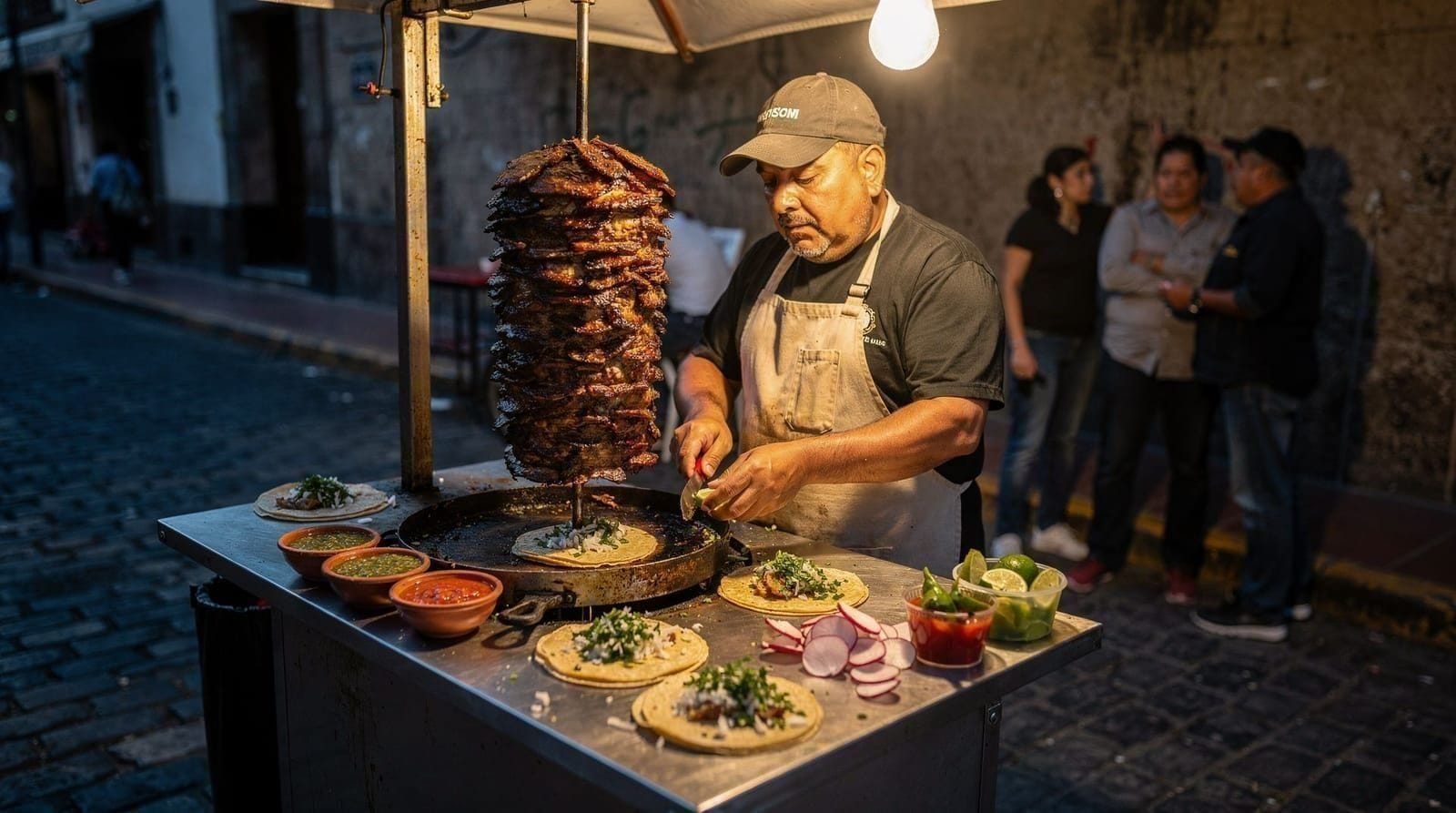
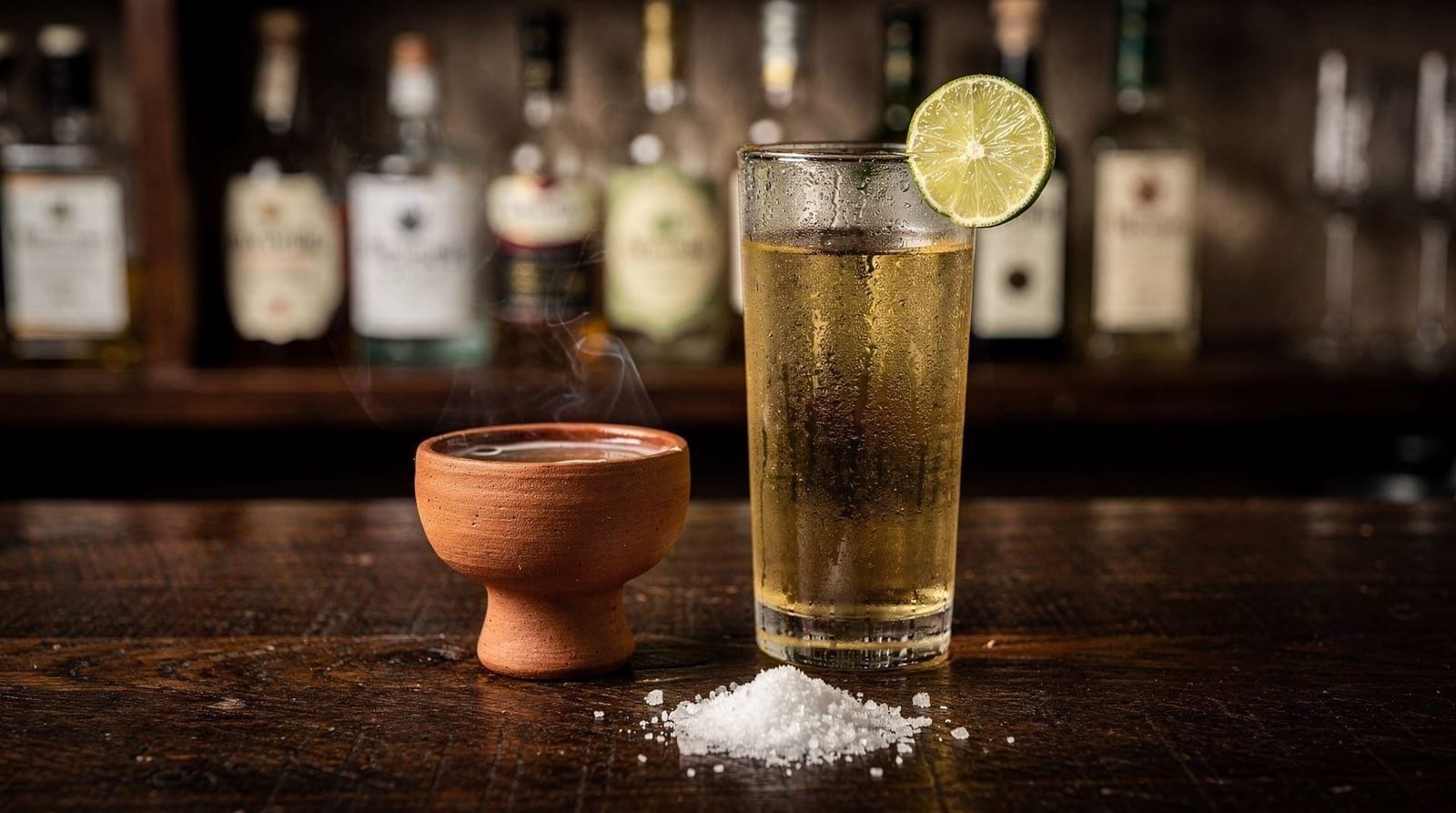
The Tacos and Mezcal Night Food Tour is consistently among the most-booked food experiences in CDMX. Three hours, multiple taco stalls, mezcal tastings — including guidance on how to distinguish quality mezcal from agave-flavoured spirits — and a guide who explains the cultural context of eating at 10pm in Mexico City. Price is on the higher end for street food tours ($80–120 USD depending on group size and tasting count), but the mezcal element justifies the premium for spirit-curious travellers.
The CDMX Tacos and Mezcal Night Tour is a similar format at lower price. Check recent reviews for both before booking as guide quality varies more in the evening category than daytime tours.
Honest caveat: If you are primarily interested in the food rather than the social experience of a guided group, having dinner at El Vilsito in Narvarte and then walking to a mezcalería in Roma Norte will give you an equivalent experience at 30% of the cost. The tour adds group atmosphere and guide knowledge; it does not add food quality.
Tour category 3: Market-focused and neighbourhood tours
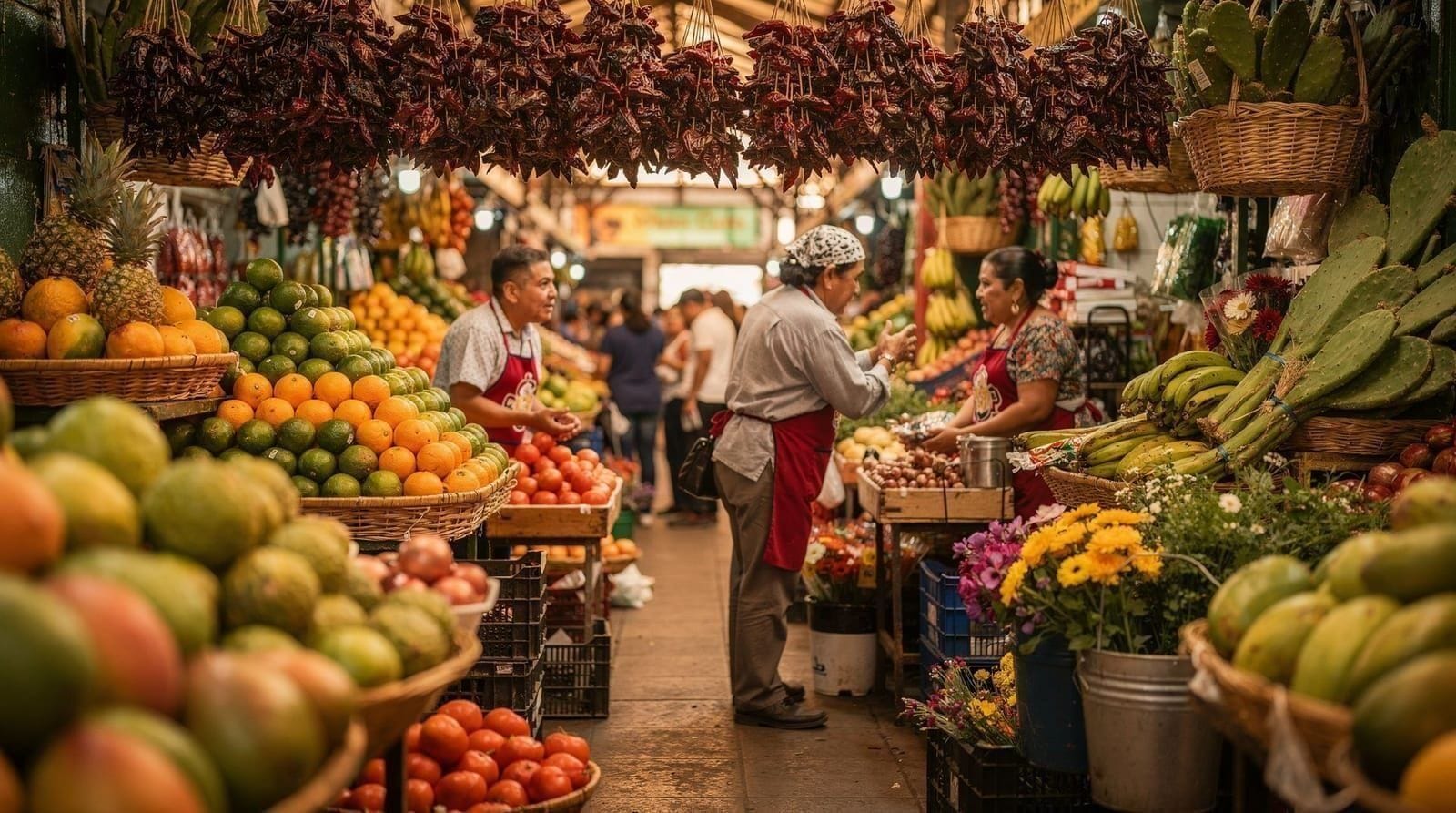
These tours centre on CDMX’s extraordinary market system — the mercados that combine food stalls, fresh produce, prepared food, and cultural atmosphere in ways that no restaurant or guidebook can replicate.
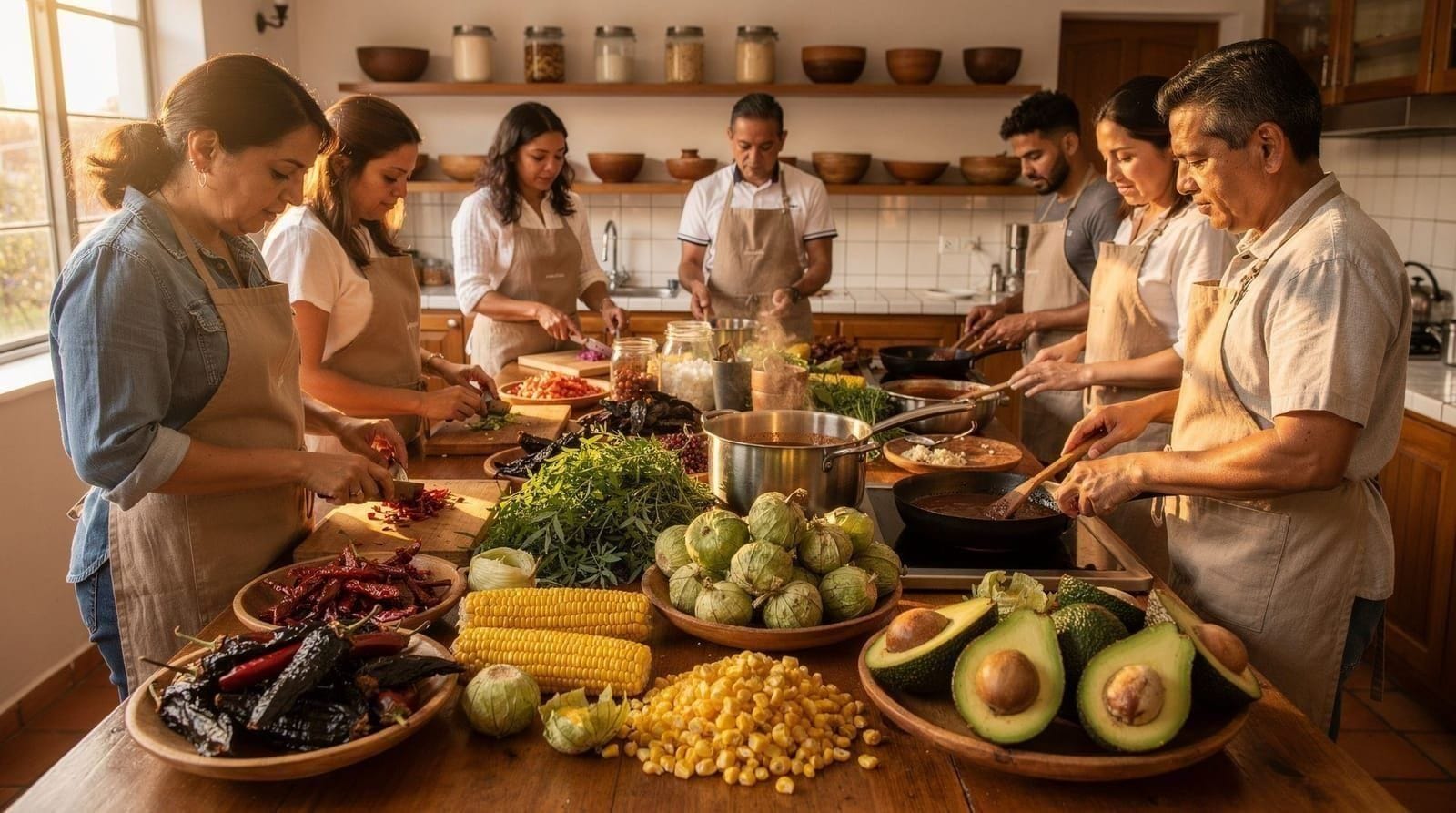
The Markets and Food Tour, which pairs a market visit with a cooking session, is explored further in the cooking class guide. Here the focus is the eating component.
The Polanco food tour of upscale-neighbourhood taco stalls (3 hours, around 10–12 tastings) covers Mexico City’s upscale neighbourhood from a street-food angle — taco stalls and casual eateries in and around Polanco rather than white-tablecloth restaurants. This is a minority preference: most visitors who want the real street-food experience find Polanco too sanitised. However, if you are staying in Polanco or Chapultepec for convenience, it is a sensible orientation.
The Street Food Tour of Local Markets (CDMX format) specifically targets market comedores — the counter-stall restaurants inside market buildings where daily set lunches cost 80–120 MXN and cooking quality is often better than dedicated restaurant equivalents. This tour format is less touristic and more genuinely local.
The 10+ Tastings and Local Gems Sherpa Food Tour has a high tasting count and covers both market and street options in a single outing. Good for visitors who want maximum variety in limited time.
Tour category 4: Private food tours
Private tours are justified for specific situations: groups with dietary restrictions who need more personalised accommodation, couples who want a date-format experience, or travellers with particular interests (Oaxacan food, regional specialities, craft chocolate).
The Private Taco Street Food Walking Tour and Private Custom Tour with Local Guide options allow for custom routes. Prices run $120–200 USD for 2–4 people — roughly double per-person cost of group tours, but the flexibility and attention are significantly better.
Practical note: Private tours are also better for food photography. Group tours move at a pace that serves the group; private guides stop when you need to stop.
Tour category 5: Specialty food experiences
Beyond tours, several food experiences in CDMX deserve mention:
The Tequila and Mezcal Museum (Museo del Tequila y el Mezcal, Plaza Garibaldi) pairs the Garibaldi Plaza mariachi experience with a tasting room. The museum itself is mediocre as a cultural experience, but the guided tasting component can be worthwhile — see the mezcal vs tequila guide for full context.
Chocolate tours (Mucho Mundo Chocolate Museum area, Roma Norte) are niche but genuine — Mexico is the origin of cacao culture, and the chocolate experience at some Roma Norte shops goes well beyond gift-shop sampling.
Coffee tours (CDMX has a strong specialty coffee scene concentrated in Juárez/Roma) are increasingly popular. The Specialty Coffee Roasters Tour is a half-day option for coffee-focused visitors.
Booking logistics and practical notes
Book in advance for peak periods: November (Day of the Dead, high demand) and major holidays require 2–3 weeks booking ahead. Most other periods allow same-day or next-day booking.
Group sizes matter: Tours capped at 8 are significantly better experiences than 15-person groups at taco stalls. Check the maximum group size in the listing before booking.
Dress and practical: Wear closed shoes suitable for walking on uneven surfaces. Bring cash for street tips and any extra purchases. A small bag over one shoulder is fine; avoid backpacks with valuables in the outer pocket in market areas.
Cancellation policies: Most GYG-listed tours allow free cancellation 24 hours in advance. Do not book fully refundable tours in markets where the operator has pre-paid stalls; check the cancellation window carefully.
Tipping: In Mexico’s food culture, small tips to taco vendors are appreciated (5–10 MXN per person). Tour guides typically receive tips from the group at the end — 50–100 MXN per person is standard for a good tour; 100–200 MXN for excellent guiding.
Self-guided route: Centro Histórico food morning
For travellers who want to approximate a food tour independently, this 3-hour morning route covers the core:
- 7:30am: Tamale cart near Metro Balderas exit, with atole. (15–25 MXN)
- 8:30am: Canasta tacos from bicycle vendor on Calle Correo Mayor near Zócalo. (30–45 MXN for 3 tacos)
- 10am: Huaraches and quesadillas at Mercado de la Merced food stalls — enter from Avenida Circunvalación. (50–80 MXN)
- 11am: Fresh juice and market browsing in the Merced; look at the dried chilli section and the piñata floor.
Total cost: 100–150 MXN (USD 6–9). Total context provided: less than a guided tour. Total freedom: complete.
Combining a food tour with the rest of your day
A food tour rarely needs a dedicated day. Morning market tours (7:30–11am) leave the whole afternoon free for a museum or a neighbourhood walk — the Coyoacán walking guide pairs naturally with a Coyoacán-area cooking class or market tour, since both are centred on the same neighbourhood. Evening tacos-and-mezcal tours work well after a full day of sightseeing, since they start around 6–7pm when museums have already closed. Avoid scheduling a food tour immediately before or after a long walking itinerary like the Diego Rivera murals route — both involve significant walking and standing, and stacking them back-to-back leads to fatigue rather than enjoyment.
Allergies and specific dietary needs
Beyond general vegetarian and vegan accommodation, CDMX food tours vary in how well they handle specific restrictions. Gluten: most antojitos are corn-based (tortillas, tostadas, huaraches), which is naturally gluten-friendly, but wheat-based quesadillas and some sauces (thickened with flour) require checking. Shellfish and peanut allergies need advance notice specifically — mole sauces sometimes contain peanuts or seeds, and Coyoacán’s tostada stalls specialise in shrimp and crab toppings that sit near other food.
Lactose: quesadillas and many antojitos use real cheese; ask for versions without queso if needed, which most stalls can accommodate on the spot. The private tour format (see Category 4 above) is the most reliable option for anyone with a serious allergy, since the guide can pre-clear stalls rather than improvising mid-tour.
When a food tour is the wrong choice
A guided tour is not always the right format. If you already speak conversational Spanish, if you are staying more than a week, or if you simply enjoy figuring out a market by wandering and pointing, independent eating will teach you the city faster and cheaper than any tour. Food tours are also a poor fit for travellers with tight daily itineraries who cannot spare 3–5 hours in one block — in that case, the self-guided route above or a single planned stop from the street food guide delivers most of the value in under an hour.
Frequently asked questions about food tours in Mexico City
Which Mexico City food tour is the most popular?
The Tacos and Mezcal Night Food Tour consistently appears among the top-booked food experiences in CDMX across major booking platforms. It combines two headline elements, works as an evening activity when other tours are quieter, and suits the large segment of visitors who want to understand mezcal as well as the food.
Are food tours safe in Mexico City?
Yes. Tour operators work in the safest, most visitor-frequented areas of the city. Guides are familiar with their routes and avoid areas with safety concerns. The CDMX safety guide covers the general picture; food tour areas (Centro, Roma, Coyoacán) are among the safer parts of the city.
Can I do a food tour without speaking Spanish?
All tours listed here operate in English. Guides are bilingual. You will encounter Spanish-only communication at market stalls during the tour, but your guide handles the ordering.
How hungry should I be before a food tour?
Arrive with appetite — most tours provide enough food to constitute a meal. The 10-tasting tours are particularly filling. For afternoon and evening tours, a light breakfast or no lunch beforehand gives you the best experience. Do not eat a full meal before a 3-hour food tour.
What is the difference between a food tour and eating at the market?
A tour guide curates stalls based on quality, explains what you are eating, handles ordering in Spanish, and provides historical and cultural context. Eating at the market independently is cheaper, more flexible, and equally delicious once you know what to order. The markets guide covers self-guided market eating in detail.
Are there food tours specifically for vegetarians?
Most operators accommodate vegetarians with notice. There is no tour specifically designed for vegetarians, but CDMX street food has enough plant-based options (quesadillas de hongos/flor de calabaza, nopales, esquites, tamales de rajas) that vegetarians can eat well on any standard tour. Specify your diet at booking.
What does a typical Mexico City food tour include?
Most tours cover 6–10 tastings across 3–4 hours, walking a specific neighbourhood (Centro Histórico, Roma, Coyoacán) with a local guide. Expect tacos from multiple stalls, quesadillas, antojitos (corn-based snacks), fresh market produce, and usually one or two drinks (agua fresca, pulque, or mezcal depending on the tour). More expensive tours include restaurants; budget tours stick to stalls.
How much do food tours cost in Mexico City?
Budget street-food tours: $35–50 USD. Mid-range market and neighbourhood tours: $55–80 USD. Premium tours with mezcal or full meals: $80–120 USD. Private tours: $100–200 USD for 2–4 people. Tours priced under $25 USD usually involve tip-based guiding and fewer tastings. Check what is included before booking.
What is the best neighbourhood for a food tour in Mexico City?
Centro Histórico has the most historical depth and the most traditional stalls — best for first-timers wanting context. Roma Norte is more contemporary and food-trendy. Coyoacán is scenic and market-based. Polanco tours exist but lean toward restaurants rather than street stalls, which defeats the purpose. For pure street eating, Centro and Roma are the strongest options.
Are there morning vs evening food tours in Mexico City?
Both exist and serve different purposes. Morning tours hit tamale carts, breakfast tacos, and market comedores — quieter, more local atmosphere. Evening tours focus on al pastor trompos, mezcal bars, and the social dimension of night eating. The Tacos and Mezcal Night Tour is the most-booked evening option. Morning market tours often include more produce, more variety of antojitos.
What is the difference between a food tour and a cooking class?
Food tours are eating experiences — you walk, taste, and observe, but do not cook. Cooking classes (usually 3–4 hours) teach specific dishes, often starting with a market visit to buy ingredients, then preparing them in a kitchen setting. Cooking classes run $60–120 USD. See the dedicated cooking class guide for a full comparison.
Are food tours suitable for vegetarians?
Most tours accommodate vegetarian participants with advance notice — there are enough corn-based, bean-based, and vegetable-based options in CDMX street food to fill a tour easily. Vegan accommodation is possible but requires more pre-planning. Communicate dietary restrictions at booking, not on the day.
Which food tours are best for families with children?
Morning market tours are better for families than late-night mezcal-focused tours. Look for tours that specify small group sizes (8 or fewer) and avoid tours that are primarily bar-hopping. The Sherpa Food Tour and market-focused options tend to be more family-adaptable. Check minimum age requirements on the booking page.
Top experiences
Bookable activities with verified prices and instant confirmation on GetYourGuide.