Mexico City tourist traps: what to skip and what to book wisely
Mexico City: Teotihuacan First Entry Tour with Expert Guide
What are the main tourist traps in Mexico City?
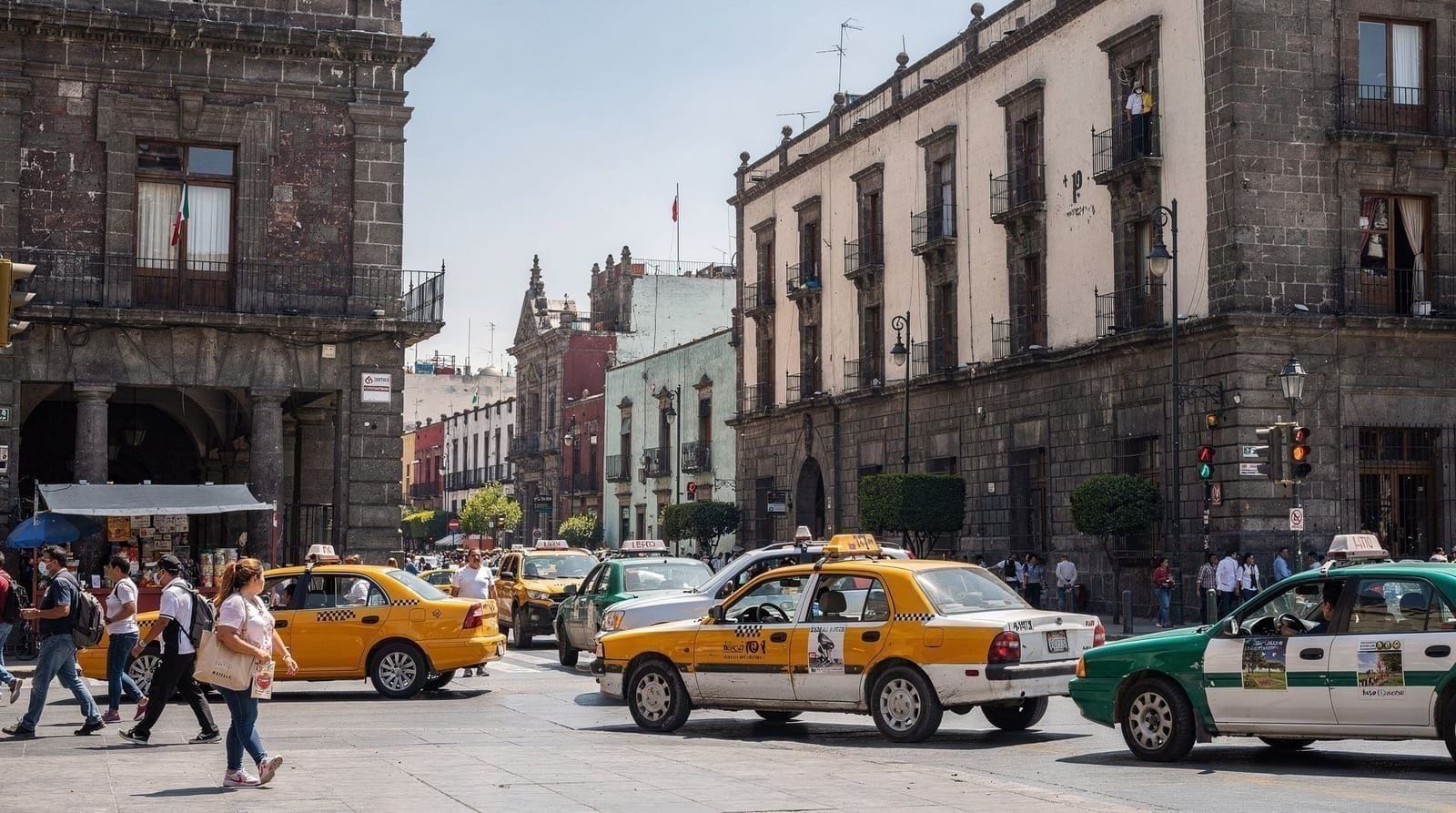
The biggest traps are: overpriced restaurants directly adjacent to the Zócalo and Frida Kahlo Museum; unofficial tour guides at Teotihuacán charging inflated rates; souvenir stalls near major sites selling mass-produced goods at handcraft prices; and the 'free' mezcal sample that comes with high-pressure sales. None are dangerous — they are just expensive for what you get.
Tourist traps are mostly about value, not safety
Unlike the common scams guide, which covers situations where you can lose money to criminals, this guide covers the milder and more universal problem of the tourist economy’s mediocre version of things. Nobody is going to steal from you at a Zócalo restaurant — they are just going to charge you 200 MXN for a taco that costs 35 MXN four blocks away and tastes about the same.
The tourist trap dynamic in Mexico City is: high-visibility location + tourist-facing branding + mediocre quality / inflated price. Learning to spot this pattern saves money and, more importantly, leads you toward the genuinely excellent alternatives that the city offers in abundance.
| Pattern to spot | High-visibility location + tourist branding + inflated price |
| Biggest offenders | Zócalo-facing restaurants, souvenir stalls at major sites |
| Cost difference | Often 2–4x the price a few streets away |
| Not actually traps | Turibus, Frida Kahlo Museum, Anthropology Museum |
| Best fix | Walk 5–10 minutes away or pre-book through a vetted operator |
Trap or genuinely worth it: a quick reference
| Experience | Verdict | Why |
|---|---|---|
| Zócalo-facing restaurants | Trap (mostly) | Same food, 2–4x price, a few blocks away |
| Turibus hop-on hop-off | Not a trap | Fair price for genuine orientation value |
| Unofficial Teotihuacán guides | Trap (variable quality) | Pre-booked guides are vetted and fixed-price |
| Souvenir stalls at major sites | Trap (mostly) | Mass-produced goods sold as handcraft |
| Frida Kahlo Museum ticket | Not a trap | Genuinely worth the price; book ahead |
| ”Dinner show” folkloric packages | Trap (sanitised) | Real lucha libre or Bellas Artes ballet cost less and are more authentic |
| Xochimilco trajinera (Sunday) | Overhyped, not a trap | Same experience, calmer, on a weekday |
Restaurants directly facing the Zócalo
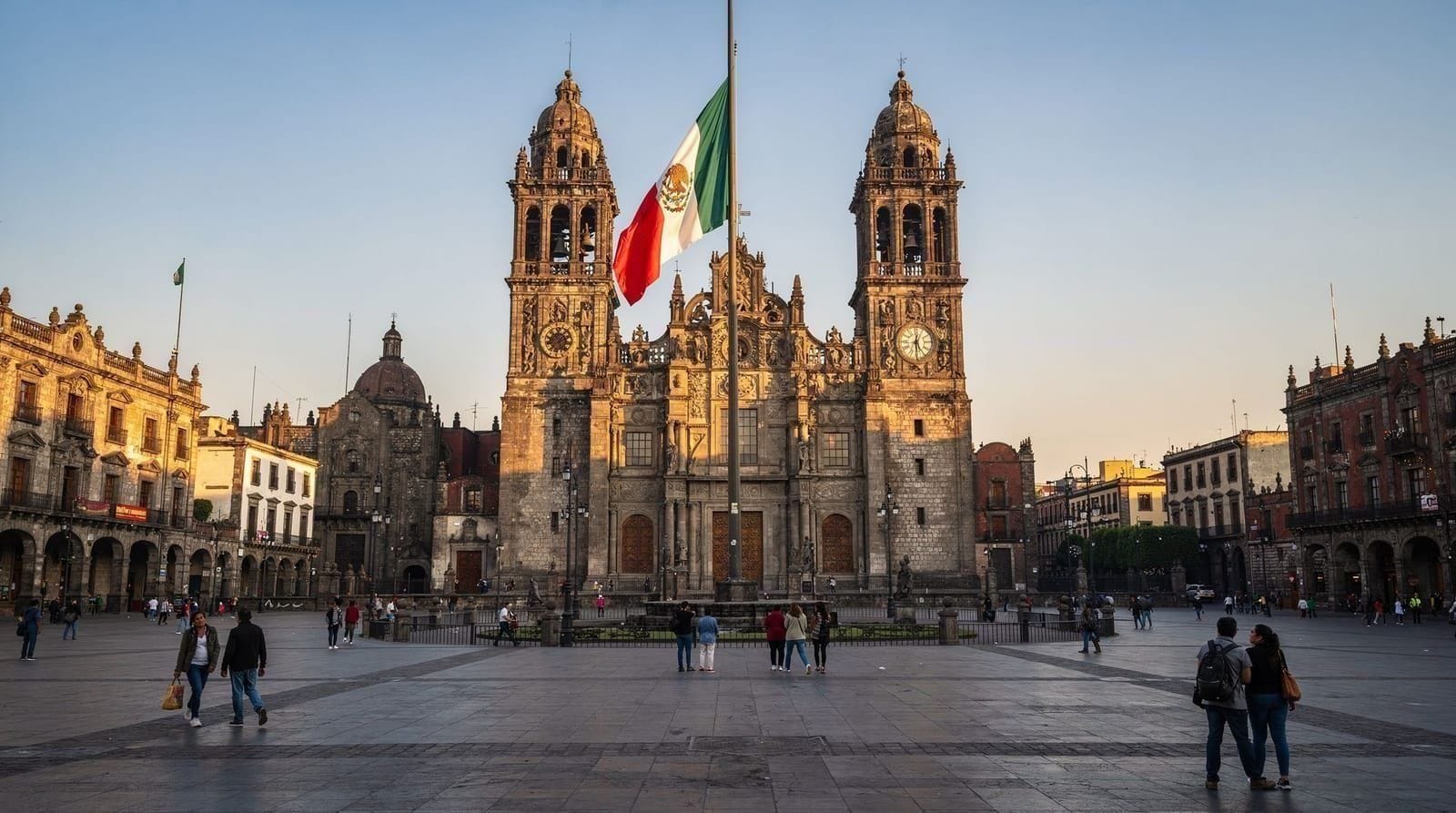
The Zócalo is surrounded on all sides by restaurants and cafés with outdoor seating and one of the world’s more dramatic urban views. The Metropolitan Cathedral, the National Palace, and the sheer scale of the square make the setting genuinely impressive.
Most of the food at these restaurants is not worth what you pay. Tacos here cost 80–120 MXN; the same taco at a comedor a few streets away costs 25–40 MXN. The quality difference is usually negative. Service is often slow because many staff are focused on maintaining the flow of tourist turnover.
The exception: The upper-floor restaurants and bars with Zócalo views are reasonable for one cocktail at sunset as a view experience. La Terraza (in the Holiday Inn on the square), or the bar at Hotel Isabel, offer genuinely good views at cocktail-for-the-view pricing, which is honest.
Better food alternatives near Centro: Head south from the Zócalo toward Calle Regina, which has been partly pedestrianised and has a cluster of good local eateries. The food market inside the old Colegio de Niñas building on Uruguay Street serves authentic comida corrida (set menu meals) for 60–90 MXN. Any restaurant without a street tout out front is a more reliable starting point.
Restaurants near the Frida Kahlo Museum
The area immediately around La Casa Azul in Coyoacán has a concentration of tourist-facing restaurants that trade on foot traffic from the museum. Prices are elevated for the neighbourhood, and quality is mixed. Some have aggressive staff who solicit customers from the street.
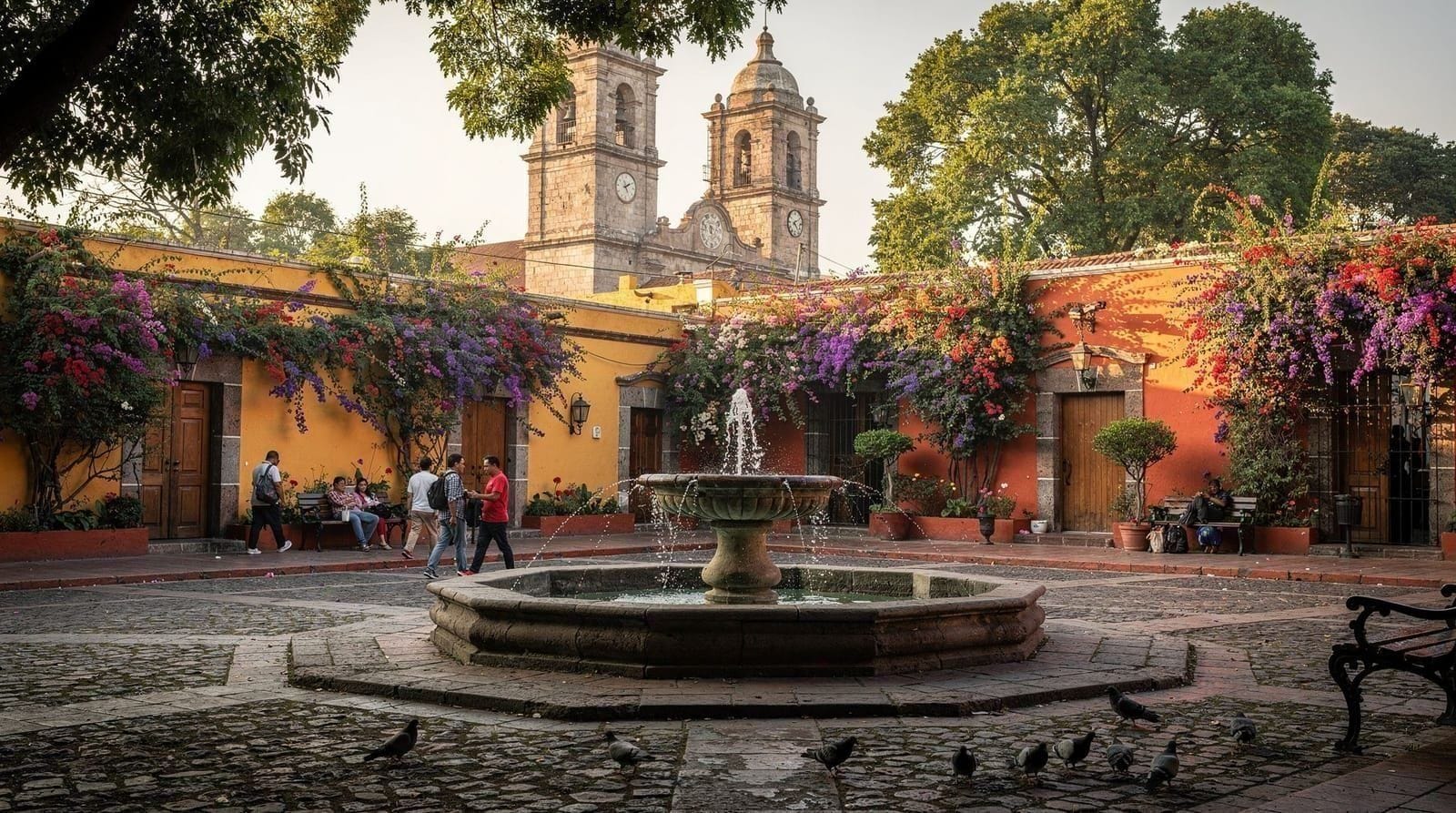
Better options in Coyoacán: Walk 2–3 minutes to the Coyoacán market (Mercado de Antojitos) and eat at the fondas inside — cheap, generous, genuinely local. Or sit at one of the café-restaurants facing the Jardín Hidalgo for the plaza atmosphere at reasonable prices. El Jarocho coffee (on Calle Cuauhtémoc, a few blocks from the museum) serves excellent café de olla and is almost entirely local clientele.
The “authentic handcraft” stall at tourist sites
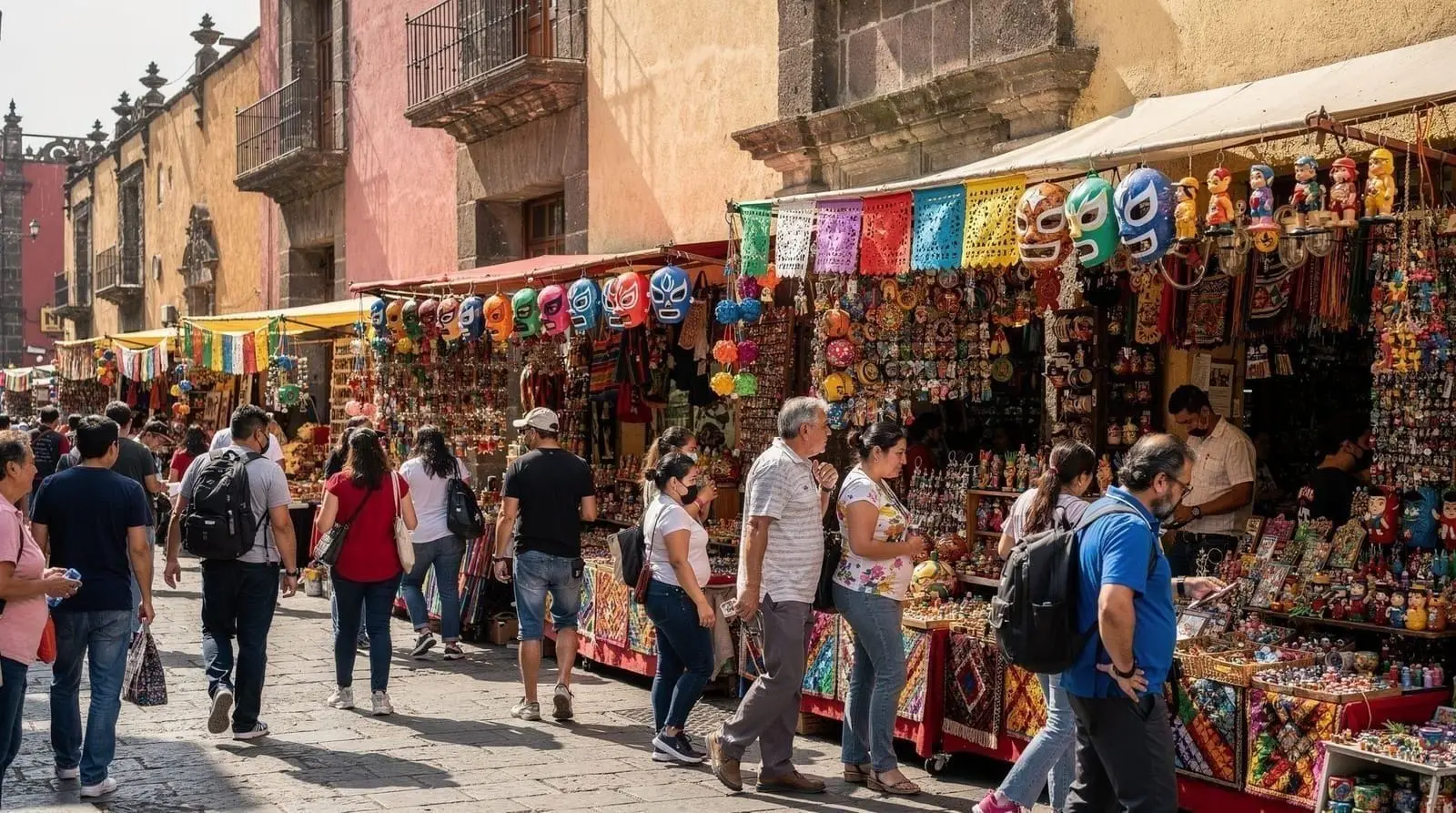
The stalls directly outside the Frida Kahlo Museum, around the Zócalo, and near Teotihuacán sell tourist goods in three tiers:
-
Mass-produced goods sold as handcrafts: Machine-made pottery, printed “Frida” textiles, factory-cast figurines. These are fine as affordable souvenirs but should not be sold (or bought) as artisan goods. Prices around these sites are 2–4x what you’d pay elsewhere.
-
Mediocre artisan goods at premium prices: Some items are handmade but by craftspeople producing volume output for the tourist market rather than the quality work that wins awards at crafts competitions.
-
Genuinely excellent work from a few vendors: These exist but require knowledge to identify.
Better alternatives for crafts:
- La Ciudadela market (Mercado de Artesanías): 15 minutes from Centro, a government-supported crafts market with work from artisans from across Mexico’s 31 states. Prices are fixed and honest.
- La Lagunilla market (Sundays): An antique and second-hand market in Colonia Lagunilla — the real thing, not a tourist experience.
- Bazar del Sábado in San Ángel (Saturdays): An art and high-quality craft fair in a colonial courtyard. Work is at the quality end and prices reflect it, but you are buying things people actually made.
Unofficial guides at Teotihuacán
The entrance gates to Teotihuacán have individuals who offer guided tours for cash — typically 500–1,000 MXN per person for a 2-hour walk. Some of these guides are knowledgeable former professional guides or archaeology graduates working independently. Others are entrepreneurial individuals with no formal training and invented facts.
The issue is not that guided interpretation is a bad idea at Teotihuacán — it is genuinely one of the best ways to understand the site. The issue is the quality-vetting problem at the gate.
Better approach: Pre-book a quality guided tour from a reputable operator before you arrive. A Teotihuacán first-entry tour with an expert guide is priced transparently, the guide’s credentials are vetted, and the early-access timing means you see the site before the crowds. This costs more than negotiating at the gate but is likely better quality.
The “free” mezcal experience
Around certain artisanal mezcal shops in touristic neighbourhoods, a promoter will offer you a “free taste” outside the shop. Once inside, the tastings expand into a full flight, and the social pressure to purchase after several small cups of strong mezcal is considerable. Some shops are genuinely great with honest salespeople. Others deploy this tactic specifically because it generates purchases from people who feel socially obligated after hospitality.
What to do: Accept samples only if you are genuinely interested in buying. If you want to learn about mezcal, a guided tasting at a reputable bar — or a structured mezcal experience with an educator — gives you better information with less pressure.
The overpackaged “dinner show” version of Mexican culture
Mexico City has a category of tourist-facing dinner theatres and packages that combine live folkloric dance, mariachi, regional food, and “traditional” entertainment into a 2–3 hour show that costs 800–1,500 MXN per person. These are professionally staged and technically competent. They are also sanitised, packaged, and entirely separate from the organic culture they purport to represent.
The authentic alternatives:
- Lucha libre at Arena México or Arena Coliseo: Real matches with a genuine local crowd, 150–500 MXN for seats. See the lucha libre guide.
- Mariachi at Plaza Garibaldi: The square where mariachi bands wait for bookings is chaotic, loud, commercialised, and completely real. On a Friday or Saturday night, dozens of bands compete for attention and you can commission songs for around 100–200 MXN.
It is tourist-facing but the music is genuine and the scene is its own thing.
- Ballet Folklórico at the Palacio de Bellas Artes: The official national company performs traditional regional dances at one of Mexico’s most spectacular buildings. This is staged and it is meant to be staged — it is a cultural institution, not a dinner show. Tickets from 400 MXN. See the Palacio de Bellas Artes guide.
The airport taxi traps
The airport arrival area has individuals who approach international arrivals with “Taxi?” offers before you reach the official pickup zones. These are almost all unlicensed. The price they quote initially sounds reasonable; it often is not (negotiated or metered incorrectly), and the bigger concern is the safety issue covered in the scams guide.
The airport to city centre guide covers the correct process for official pickup zones and app-based rides in detail.
Xochimilco: managing the commercialisation
Xochimilco’s canal network is UNESCO-listed and genuinely beautiful. The trajinera experience is legitimately fun. But the canal on a Sunday afternoon can resemble a floating market with aggressive on-water vendors, loud competing music systems, and a commercialised atmosphere that some visitors find more exhausting than enjoyable.
How to get a better version:
- Go on a weekday afternoon (Thursday is particularly good — the weekend crowd is absent but vendors are still operating)
- Use a family-oriented embarcadero rather than the main Nativitas dock (the largest and most commercial)
- Book a tour that includes Xochimilco as part of a larger day combining Coyoacán — the Xochimilco and Coyoacán combination tour structures the day well and avoids the aimless Sunday dock scene
The pattern behind almost every trap
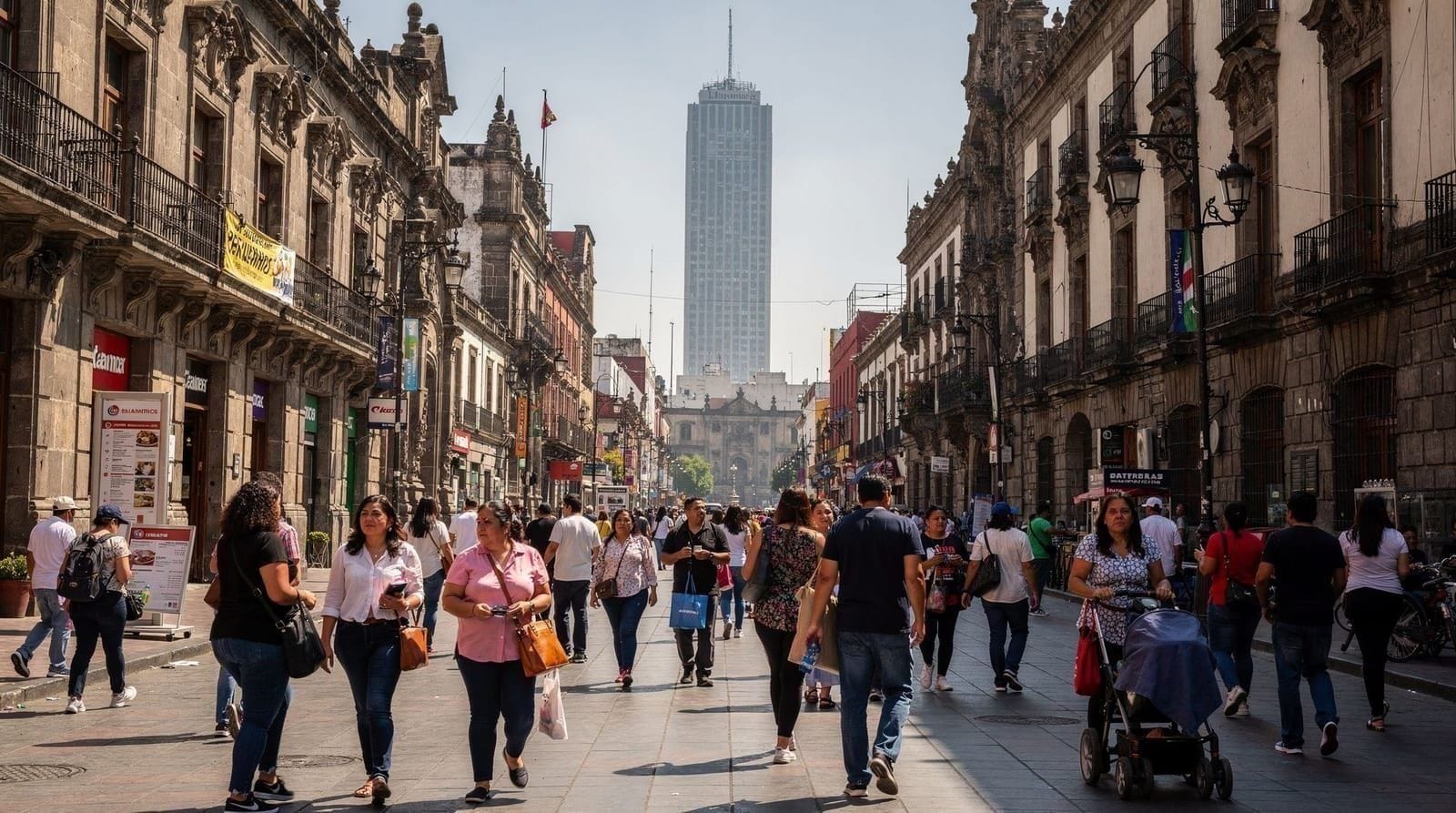
Once you notice it, the same formula repeats across every category above: proximity to a major attraction, foot traffic that doesn’t require repeat customers, and branding that borrows credibility from “authentic” or “traditional” without the substance behind it. The fix is nearly always the same: walk a short distance away from the highest-visibility spot, look for where locals actually eat or shop, and treat any price quoted in USD near a tourist site as an automatic red flag. This same pattern is covered from the criminal-risk angle (rather than the value angle) in the common scams guide — the two guides are companions, not overlaps.
Booking ahead vs. walking up: which avoids more traps
Pre-booking through a reputable operator solves the vetting problem at several trap-prone experiences: Teotihuacán guides, Xochimilco day combinations, and historic centre walking tours all have a walk-up version with variable quality and a pre-booked version with fixed pricing and known guide credentials. The trade-off is flexibility — walk-up options let you negotiate and adjust on the day, while pre-booking commits you to a time slot. For anything involving specialised knowledge (archaeological interpretation, cultural history), pre-booking is worth the loss of flexibility. For simple transport or casual sightseeing, walking up is fine.
What is genuinely worth the money
Tourist traps implicitly raise the question: what is not a trap? Some things in Mexico City are exactly as good as promoted:
- A quality Teotihuacán guided tour with early access
- The Frida Kahlo Museum — the ticket price (500 MXN) is worth every peso; book far ahead
- The National Museum of Anthropology — 210 MXN entry, one of the world’s great museums
- The food at Mercado San Juan and similar mid-tier markets
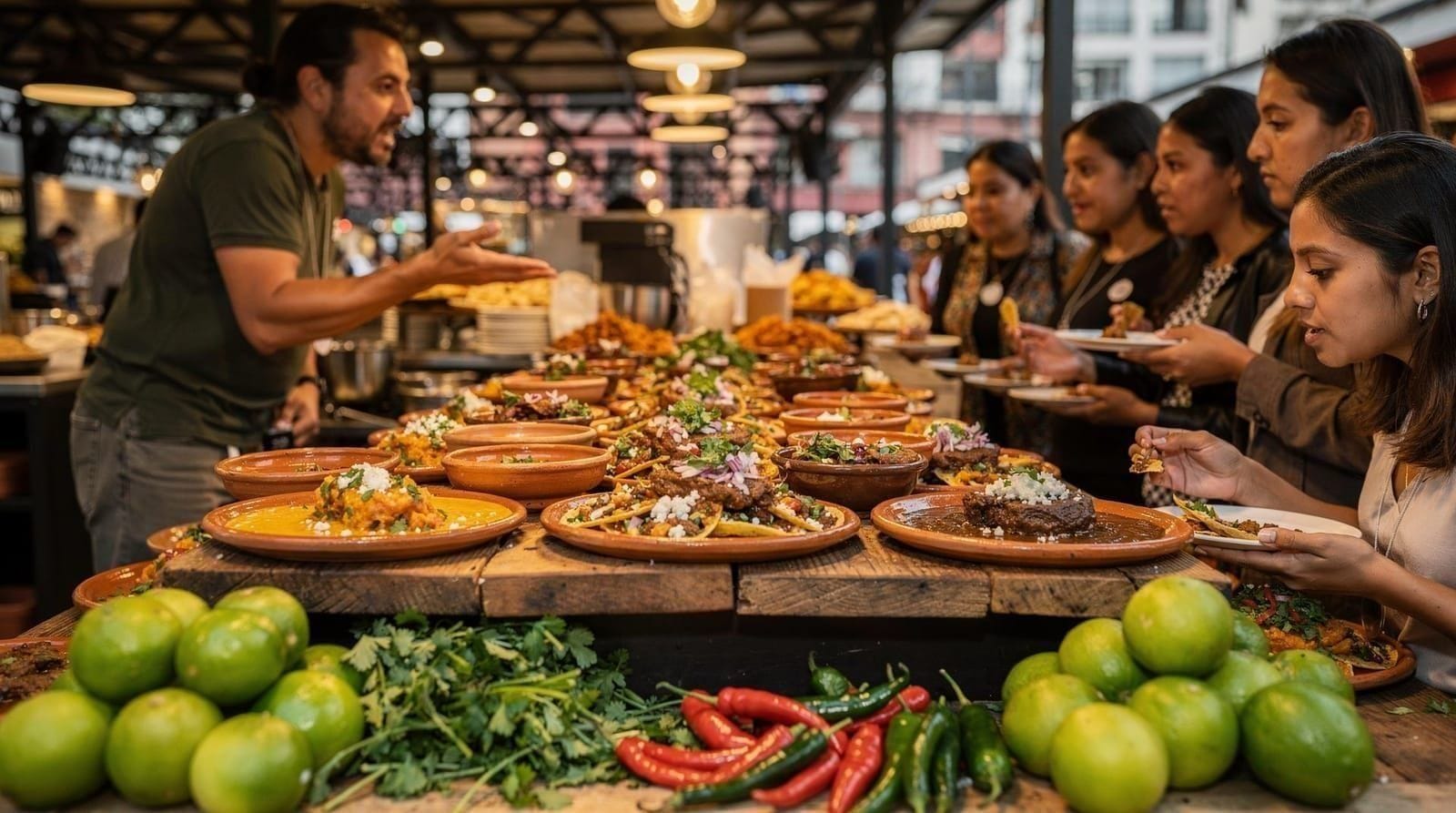
- A real food tour with a knowledgeable local guide
Frequently asked questions about Mexico City tourist traps
Is the Turibus worth the money?
The Turibus 1-day hop-on hop-off pass is a reasonable value for geographic orientation — it covers the main arteries from Centro through Reforma and Polanco and provides a useful mental map of how the city fits together. It is not a substitute for walking in neighbourhoods but as an orientation tool on day one, it works. Approximately USD 20.
Is CDMX street art worth seeking out?
Absolutely yes — and the best street art (particularly Diego Rivera murals in public buildings) is completely free. The Diego Rivera murals guide covers the free mural route in the National Palace and other public buildings. A guided murals tour adds interpretation value.
Are museum gift shops good value?
The gift shops at the Frida Kahlo Museum and the National Museum of Anthropology sell licensed, quality reproductions and books at fair prices. These are not traps. The gift shop at the Frida Museum in particular has excellent quality prints and editions that make genuine keepsakes.
Is room service at a big hotel a tourist trap in Mexico City?
Standard hotel room service everywhere is expensive relative to eating outside. Mexico City is no exception. The good news is that excellent, cheap food is literally steps from every hotel in the tourist neighbourhoods — the OXXO on the corner has fresh sandwiches, there are taquerías open until 1:00 am on most Roma and Condesa blocks. Eat outside.
Are restaurants near the Zócalo bad?
Most restaurants directly facing the Zócalo are mediocre food at high prices with the view as the product. The exception is a few elevated spots for a drink at sunset — the bar view is worth one overpriced cocktail. For actual good Mexican food, walk 5–10 minutes away into the Centro’s back streets or take a 15-minute Uber to Roma or Condesa.
Is the Turibus hop-on hop-off worth it?
Yes, for geographic orientation on arrival. It is not a tourist trap — the prices are reasonable and the overview is genuinely useful for first-timers. It becomes a poor value if you treat it as the main sightseeing method rather than a supplement to walking tours and neighbourhood exploration.
Are guided tours at Teotihuacán worth the money?
A quality guided tour with an expert archaeologist genuinely enhances the Teotihuacán experience — the site’s context is complex and the interpretation adds real depth. The trap version is unofficial guides at the entrance offering tours at inflated prices with minimal knowledge. Pre-book through a reputable operator rather than negotiating at the gate.
Are the souvenir markets near major sites good value?
No. The stalls directly outside the Frida Kahlo Museum and around the Zócalo sell mass-produced tourist goods at premium prices — the ‘authentic handcraft’ framing is often misleading. For genuinely sourced Mexican crafts at fair prices, visit Mercado de Artesanías (La Ciudadela, 15 minutes from Centro) or La Lagunilla market on Sundays.
Is the Lucha Libre experience a tourist trap?
Lucha libre itself is not a trap — watching a genuine match at Arena México is an authentically Mexican experience with a real local crowd. The trap version is the heavily packaged ‘lucha libre dinner show’ at tourist venues that provides a sanitised performance at three times the price. Go to the real arena.
What about Xochimilco — is it overhyped?
The trajinera experience has become heavily commercialised, with aggressive on-water vendors selling food, drinks, and music at inflated prices. It is still genuinely fun and worth doing, but managing expectations helps. For the most authentic version, go on a weekday afternoon rather than Sunday, when the canals are at their most chaotic.