Is Mexico City safe in 2026? Honest neighbourhood-by-neighbourhood assessment
The question I get most often about Mexico City is some version of “but is it actually safe?” The honest answer is: safer than the international media consistently implies, and more uneven than a reassuring travel blogger will admit. The city of 22 million has neighbourhoods that rival any European capital for comfort, and areas where tourists should not walk at night under any circumstances. The trick is knowing which is which.
This is a genuine, current assessment for 2026 — not a promotional “CDMX is amazing” piece, and not the catastrophist view that treats the entire country as a war zone.
| Where it’s safe | Roma, Condesa, Polanco, Coyoacán, San Ángel by day |
| Where to avoid | Tepito, Doctores/Guerrero at night, peripheral Estado de México |
| Main risk to tourists | Opportunistic theft (phones, pickpocketing), not violent crime |
| Getting around safely | Uber/DiDi only, Metro fine during the day |
| Advisory level | US State Dept Level 2 — same as France or Germany |
Neighbourhood safety at a glance
| Neighbourhood | Daytime | Night |
|---|---|---|
| Roma Norte/Sur | Very safe | Safe on main streets |
| Condesa | Very safe | Safe, quieter than Roma |
| Polanco | Very safe | Very safe |
| Coyoacán | Very safe | Uber recommended after 10 pm |
| San Ángel | Safe | Uber recommended after 10 pm |
| Centro Histórico | Safe | Cautious, empties after 9–10 pm |
| Tepito | Avoid | Do not go |
| Doctores/Guerrero | Caution | Avoid |
The framework: tourist CDMX vs. the rest of the city
Mexico City’s tourist circuit is geographically compact. Roma Norte, Roma Sur, Condesa, Polanco, Coyoacán, San Ángel, Centro Histórico — these neighbourhoods form a zone where millions of middle-class Mexicans and tourists coexist daily without incident. Most tourist crime in this zone is opportunistic: pickpocketing, phone theft, taxi scams. It is not violent crime.
The risks that make international headlines — cartel violence, kidnapping, extortion — are largely concentrated in areas tourists do not visit and have no reason to visit: parts of the State of Mexico on the city periphery, Tepito, parts of Iztapalapa, the far eastern boroughs. Keeping those two realities separate is the most important thing you can do before your trip.
Neighbourhood-by-neighbourhood: honest breakdown
Roma Norte and Roma Sur — very safe
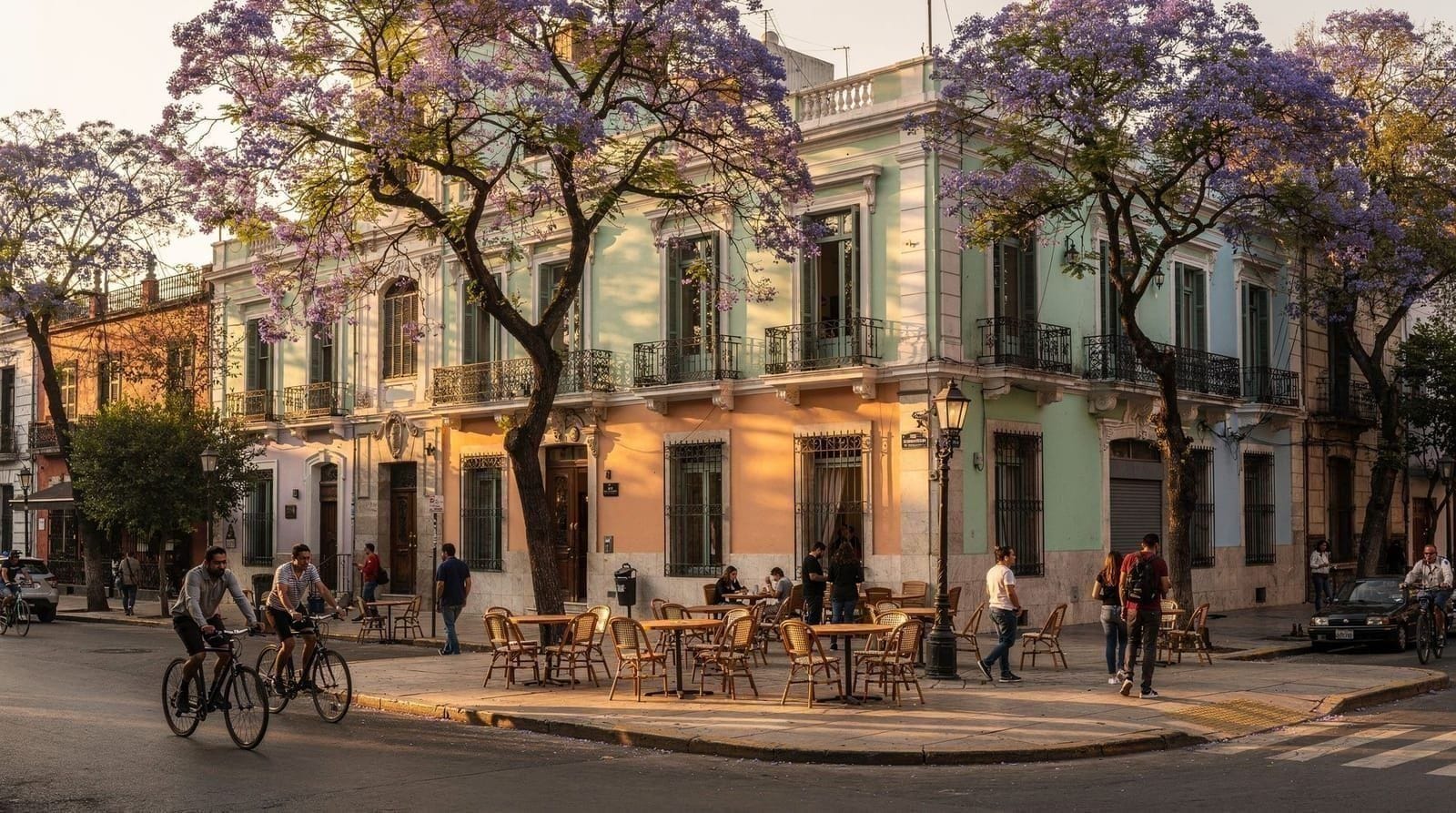
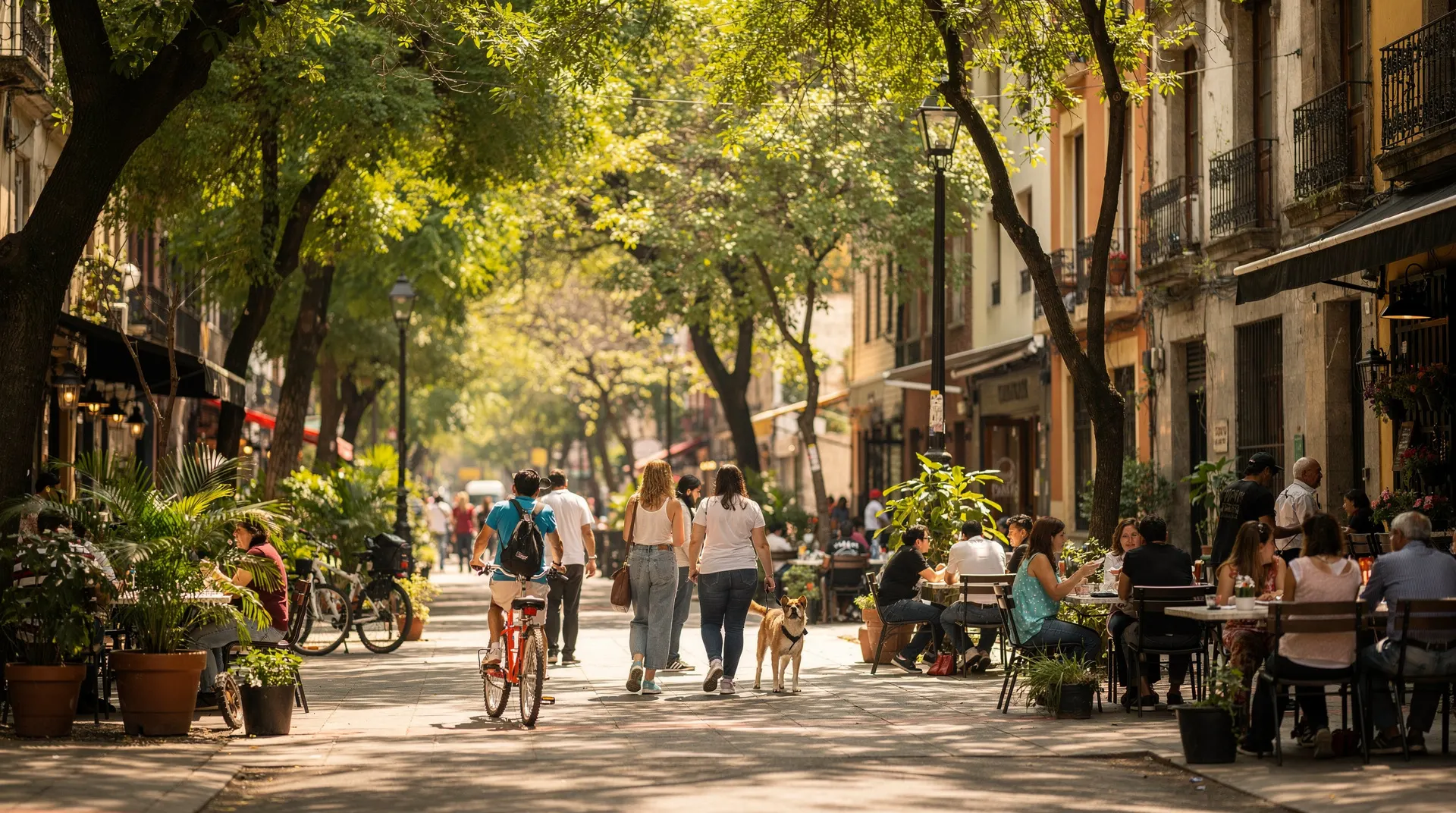
The neighbourhood where most first-time visitors stay, and for good reason. Walkable, café-dense, visible police presence. Roma Norte especially (around Álvaro Obregón, Orizaba, Tonalá) is as comfortable as any European neighbourhood. Walk at night? Yes. Alone? Yes, on the main streets. Down a dark side alley at 3 am? Use common sense. Phone-snatching from restaurant terraces does happen — don’t leave your phone on the table facing the street.
Condesa — very safe
Immediately adjacent to Roma, Condesa is slightly more residential and park-focused. Parque México and Parque España are active until 10–11 pm. The Art Deco architecture and terrace restaurants draw a comfortable local crowd. Same caveats as Roma: opportunistic theft rather than violence.
Polanco — very safe
The upscale shopping district north of Chapultepec, home to luxury hotels, international restaurants, and the Museo Soumaya. Heavy police and private security presence. Very low crime in tourist-visible areas.
Coyoacán — safe during the day and early evening
The colonial neighbourhood in the south is comfortable during the day and into the evening (say, before 10 pm). The central jardín and market area are well-trafficked. Getting there at night requires Uber/DiDi rather than public transport — the area around the cemetery (Panteón Civil) and side streets can be poorly lit.
San Ángel — safe during the day
Similar to Coyoacán: colonial, tourist-friendly daytime, less comfortable after 10 pm when foot traffic drops. The main plaza and restaurants are fine for evening meals.
Centro Histórico — safe during the day, cautious at night
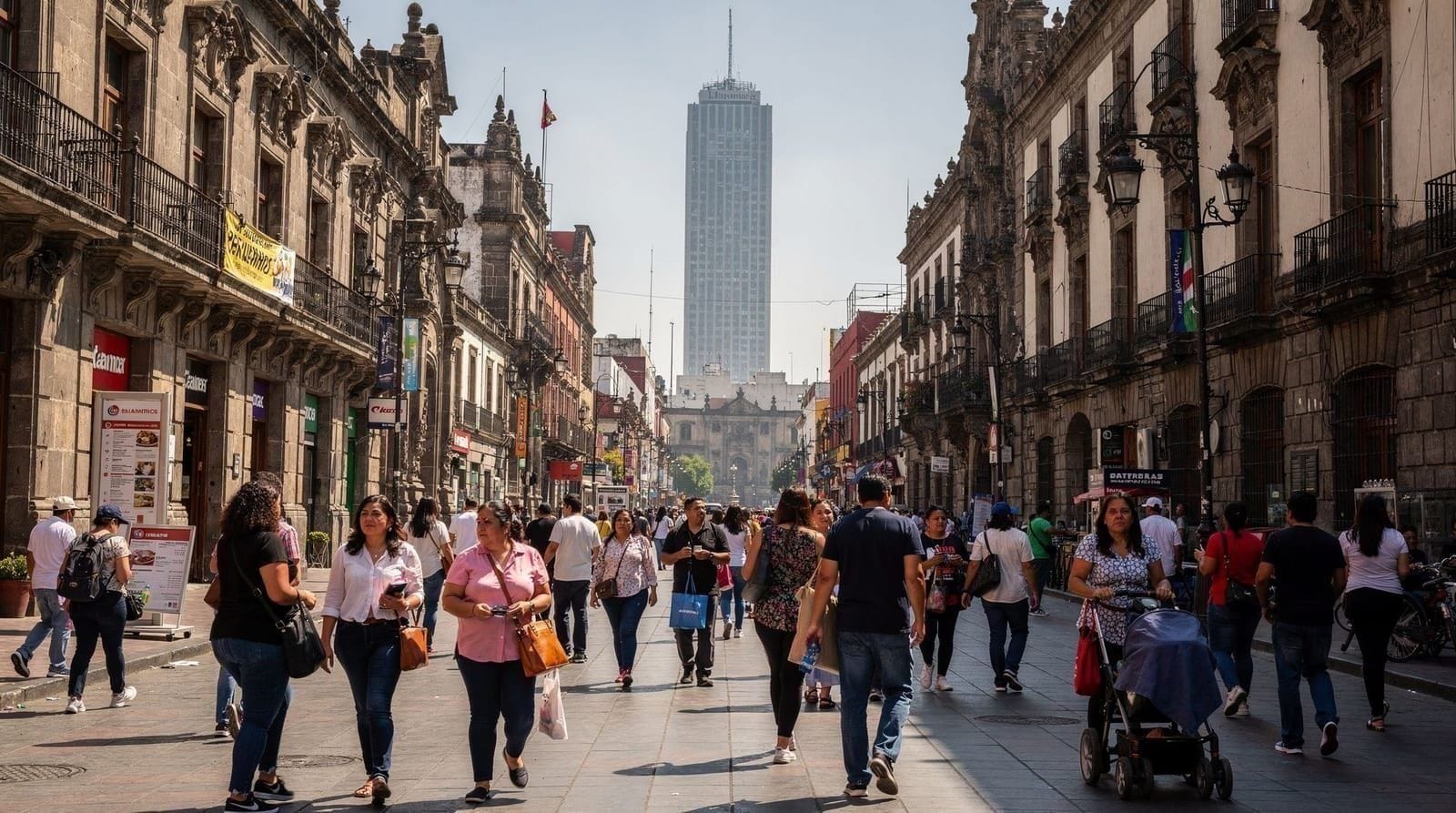
The historic centre is busy, very public, and generally fine for tourists during daylight and early evening. The Zócalo, Palacio Nacional, Templo Mayor, and the main pedestrian streets are well-policed. After 9–10 pm, the area empties fast and the character changes. Do not wander east of Eje 1 Oriente after dark.
If you want to see the centre lit up in the evening without worrying about which streets to take, a guided night walking tour of the centre keeps you with a local guide and on the busier, better-watched routes.
The blocks immediately around Tepito (north of the historic centre) are genuinely dangerous — do not go to Tepito under any circumstances as a tourist.
Chapultepec-Polanco — safe
The park itself is very safe during daylight. At night, the forest areas of the park (particularly in the less-used sections) are not recommended for walking alone. The Polanco side and the museum cluster are fine.
Tepito — do not go
North of Centro Histórico, Tepito is a well-known high-crime market neighbourhood with a long history of violent crime, drug trafficking and organised criminal presence. It is not on any tourist itinerary and should not be on yours, regardless of any “authentic experience” pitch you read online.
Doctores, Guerrero — avoid at night
Just south and southwest of the historic centre. Industrial-residential, minimal tourist infrastructure, poorly lit at night. These are genuine working-class neighbourhoods, not inherently violent, but not places where solo tourists should wander at midnight.
Ciudad Neza, Ecatepec, peripheral Estado de México — do not visit
The outer metropolitan area and adjacent State of Mexico municipalities have significantly higher violent crime rates than the city centre. There is no tourist reason to visit them.
If you are still choosing a base, the Roma and Condesa destination page explains why these two neighbourhoods suit first-timers, and the Roma vs Condesa comparison helps you pick between them. Polanco and the park are covered on the Chapultepec and Polanco page.
The scams that actually catch tourists
The common scams guide covers these in detail. The top three:
Fake police: officers approach you on the street claiming they need to “inspect” your cash for counterfeit bills. This is a robbery setup — real police do not do this. Walk away firmly.
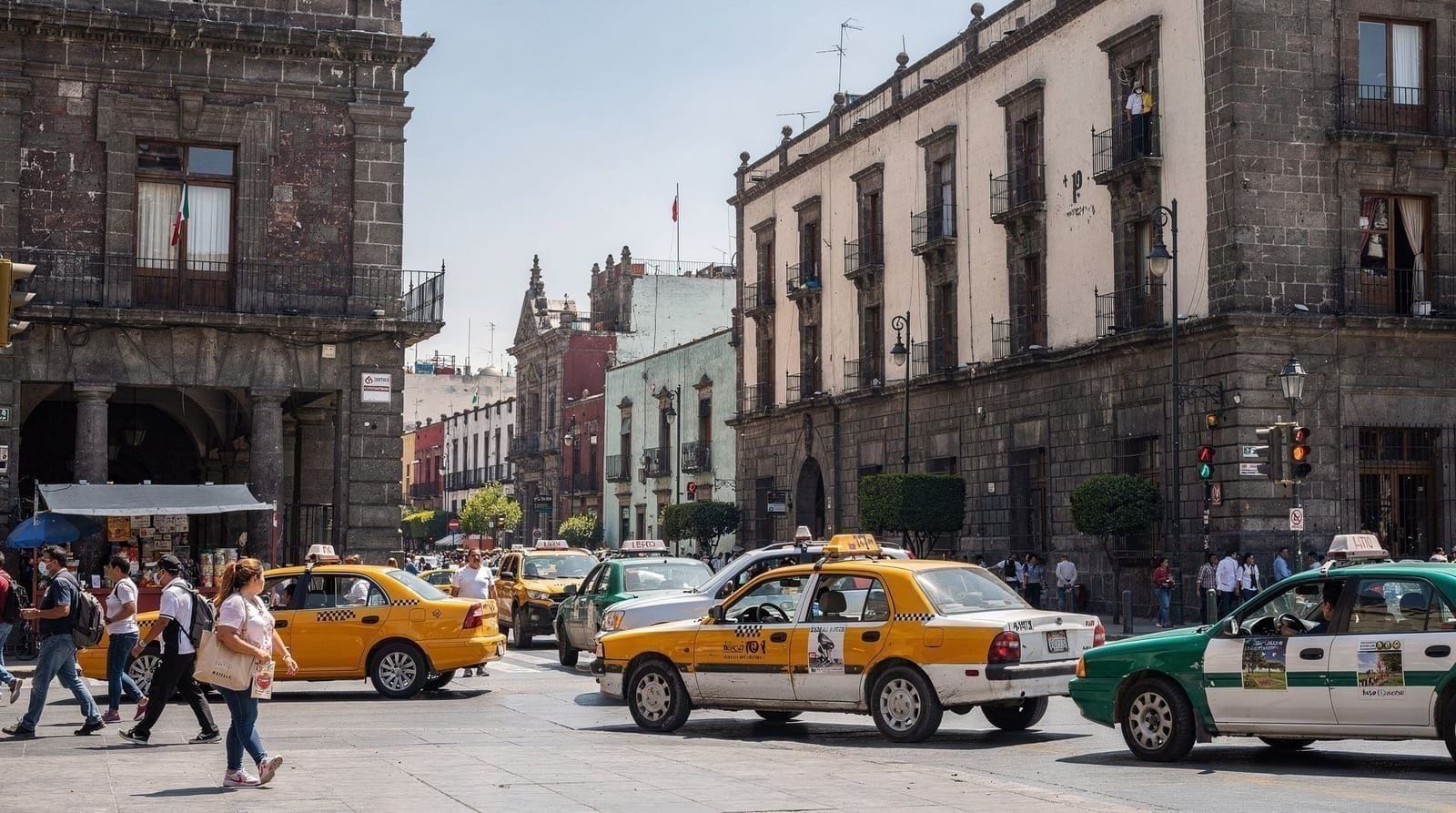
Unmetered taxis from the street: always Uber or DiDi. The metre taxi system is legitimate, but unmarked taxis hawking outside tourist sites can overcharge, divert, or worse. The rule is: app-ordered only.
ATM helpers: someone approaches at an ATM to “help” if you seem confused, then skims your card or sees your PIN. Use ATMs inside banks (during banking hours if possible), cover the keypad, and decline all unsolicited assistance.
Practical street rules
- Keep your phone in your pocket at all times when walking in crowded areas. Phone-snatching (especially from cyclists or motorcyclists) is the most common crime against tourists. Use your phone in a café, not while walking.
- Don’t flag taxis from the street. Uber/DiDi from inside a building, not the curb.
- ATMs: use those inside OXXO or Santander/HSBC lobbies. Fees are 50–80 MXN per withdrawal from foreign accounts.
- Night transport: after midnight, Uber from inside your destination. Surge will happen; pay it.
- Confidence: looking uncertain and checking maps while standing in the middle of a pavement marks you as a target. Step into a shop, check your phone, then continue.
Safety is also about avoiding the small mistakes that make a trip harder than it needs to be. The first-timer mistakes post and the tourist traps guide are good companions to this section. Two everyday health points belong in your planning too: the tap water and food safety guide and the altitude guide, since feeling unwell and light-headed makes you a softer target for distraction theft.
What about the travel advisories?
The US State Department issues a Level 2 advisory (“Exercise Increased Caution”) for Mexico City, which is the same rating as France, Germany, and Belgium. Read the specific CDMX section rather than the blanket Mexico advisory, which conflates the city with genuinely dangerous border regions.
The UK Foreign Office guidance is broadly similar: specific warnings for certain states, no specific “do not travel” warnings for tourist areas of CDMX.
Travel insurance that covers medical evacuation is sensible for any Mexico trip regardless of safety considerations — Mexican hospitals in the tourist districts are modern and competent, but costs can be significant without coverage.
Orienting yourself: a walking tour on arrival
One of the most effective ways to build spatial confidence in CDMX on your first day is a guided orientation walk. A good guide shows you not just the landmarks but the neighbourhood textures that make the difference between comfortable navigation and feeling lost — which market areas to approach at what time, which streets change character after dark, which taxi stands to use. A half-day walking tour on day one pays dividends for the rest of your stay.
Mexico City private walking tour: highlights and hidden gemsIf you would rather see how the first hours play out in practice, the 24 hours in Mexico City plan and the 3-day itinerary both stay inside the comfortable tourist circuit. Arriving by air? The airport to city centre guide covers the safest ways into town.
The bottom line for 2026
Mexico City is a major world city where millions of people live normal lives. The tourist circuit — Roma, Condesa, Polanco, Coyoacán, Centro Histórico — is genuinely comfortable by the standards of cities its size. The risks are manageable with basic awareness: app-taxi only, phone in pocket in crowds, no dark street wandering after midnight, no Tepito.
For neighbourhood-by-neighbourhood accommodation advice, the where to stay guide gives honest trade-offs. The getting around guide covers transport safety in more detail.
Solo travel and family-specific considerations
Solo travellers, including solo women, visit Roma, Condesa, Polanco and the daytime historic centre constantly without incident — the practical adjustments are the same ones any solo traveller makes in a large city: daytime Uber rather than street taxi, sharing your live location with someone when heading out late, and avoiding walking home alone and intoxicated after midnight. Families with children generally find the tourist circuit comfortable; the main practical issue is not safety but logistics — traffic, altitude, and long transit times between sights rather than any specific danger. See the Mexico City with kids guide for family-specific planning.
What changed for 2026 vs previous years
The core safety picture in CDMX’s tourist neighbourhoods has stayed stable year over year — Roma, Condesa, Polanco and the historic centre have not seen a meaningful shift either direction. What has increased is enforcement against street scams targeting tourists (fake police, ATM helpers) in the highest-traffic zones like Centro Histórico and around major museums, following visible complaints reported to Tourist Police. Phone-snatching by cyclists remains the most common tourist-facing crime and has not meaningfully declined, so the “phone in pocket” habit matters as much in 2026 as in previous years.
Frequently asked questions about safety in Mexico City 2026
Is it safe to use the Metro?
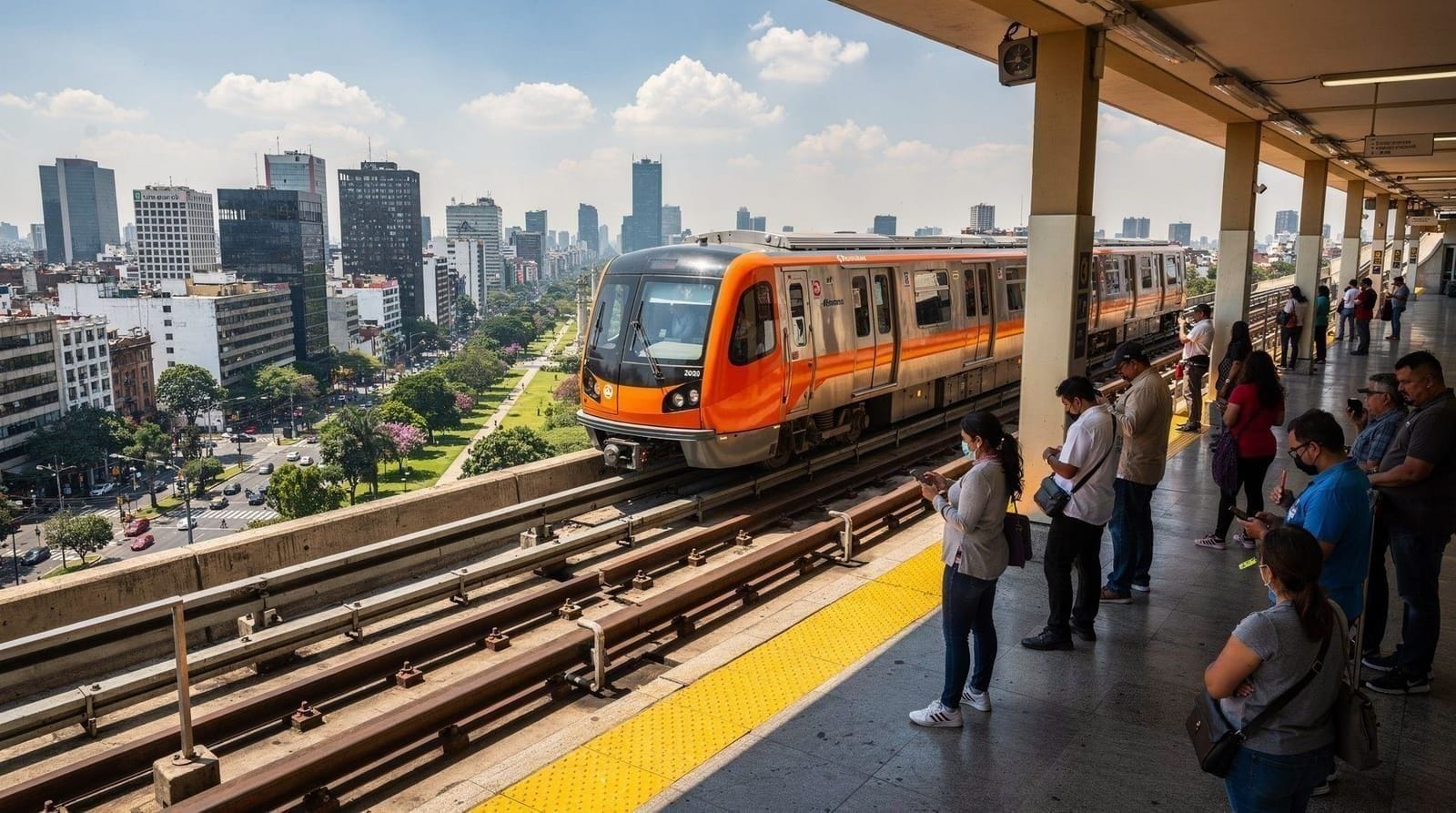
Yes, with caveats. Metro Line 1 and others through central CDMX are used by millions daily. The main risks: pickpocketing in crowded cars, phone theft. Keep bags in front, phone away. Women’s-only carriages (first car, marked with pink signs) are available at all times.
Can I walk at night in Roma or Condesa?
Yes, on the main streets. Álvaro Obregón, Orizaba, Tamaulipas — these are well-lit and have foot traffic until midnight. Poorly lit residential side streets are fine with a companion; solo late at night, prefer the main routes.
Are Uber and DiDi safe in Mexico City?
Yes. The app-ordered services have a significantly better safety record than street taxis. Both apps have in-app SOS functions and share trip details. Use them for all journeys, especially after dark.
What if I’m scammed — what do I do?
Report to the Agencia de Ministerio Público (MP). In tourist areas, the Tourist Police (Policía Turística) operate in English. The number for Mexico City emergency services is 911 (unified since 2016). For insurance claims, you will need a police report.
Is it safe for solo women travellers?
Roma, Condesa, Polanco: yes, comparable to European cities with the same general awareness. The Metro during rush hour can involve unwanted contact — use the women’s section. Harassment (verbal) on streets is more common than in northern Europe but less than in some other Latin American cities. Practical measures: daytime Uber rather than street taxi, avoid walking home drunk and alone late at night. Solo women travellers visit CDMX constantly without incident.
Is Mexico City safe for a family with young children?
Yes, in the tourist circuit — the challenges are practical (traffic, altitude, distances) rather than safety-specific. Roma, Condesa, Polanco and Coyoacán during the day are comfortable for families, and the parks (Parque México, Chapultepec) are genuinely good free activities. See the where to stay guide for family-friendly neighbourhood choices.