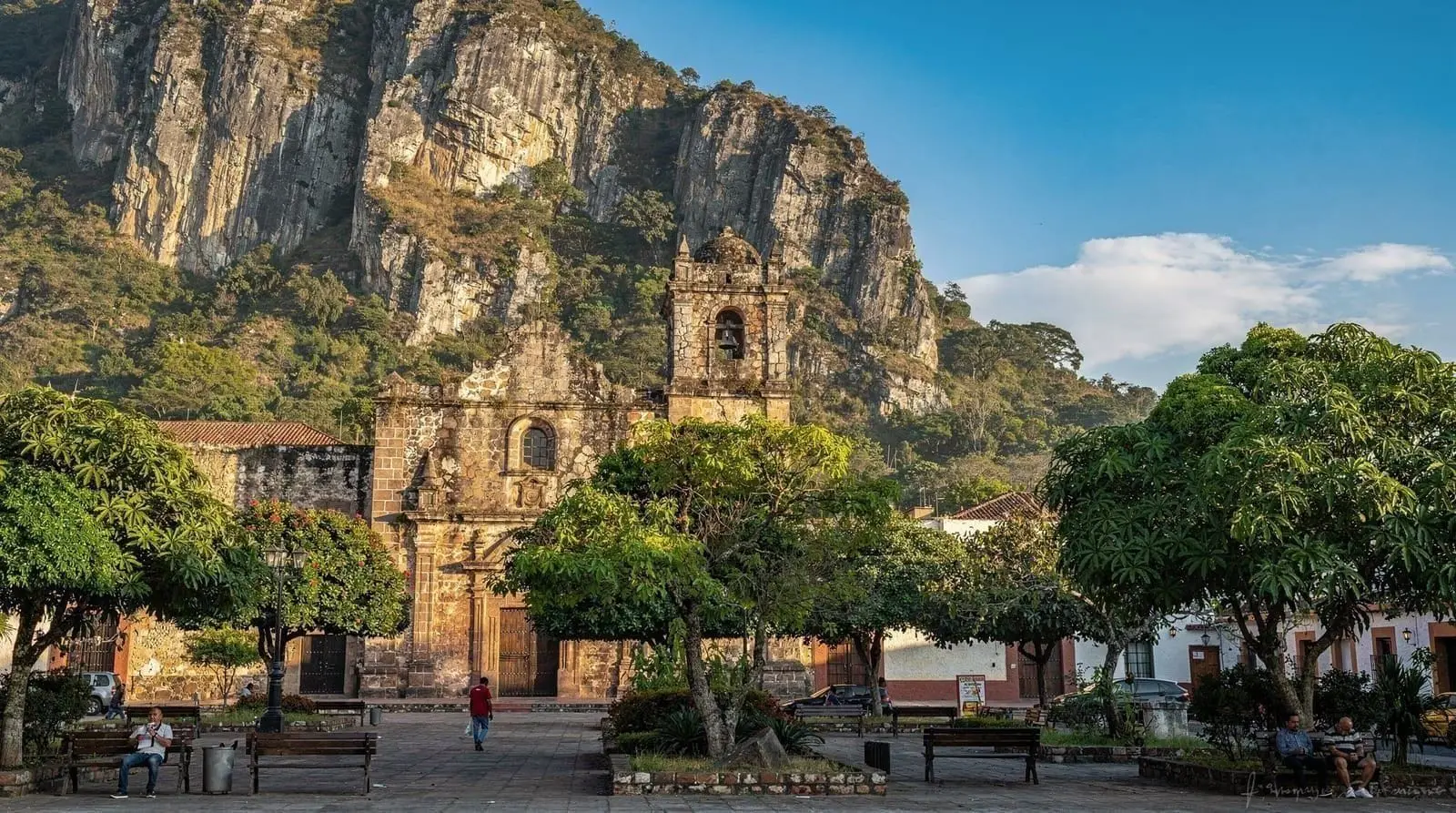
Tepoztlán
Tepoztlán's hilltop Tepozteco pyramid hike, cobblestone market streets, mezcal culture, and temazcal tradition. Full day trip guide from Mexico City.
CDMX: Day Tour to Tepoztlan
Duration: 12 hours
Quick facts
- Altitude
- 1,700 m / 5,577 ft
- Currency
- Mexican peso (MXN) — USD widely accepted
- Best for
- Tepozteco pyramid hike, cobblestone market, mezcal, temazcal ceremony, magic town character
- Getting there
- Bus from Mexico City (Taxqueña) ~1.5 hrs, 80–120 MXN; or guided day tour
A magic town that has managed to stay that way
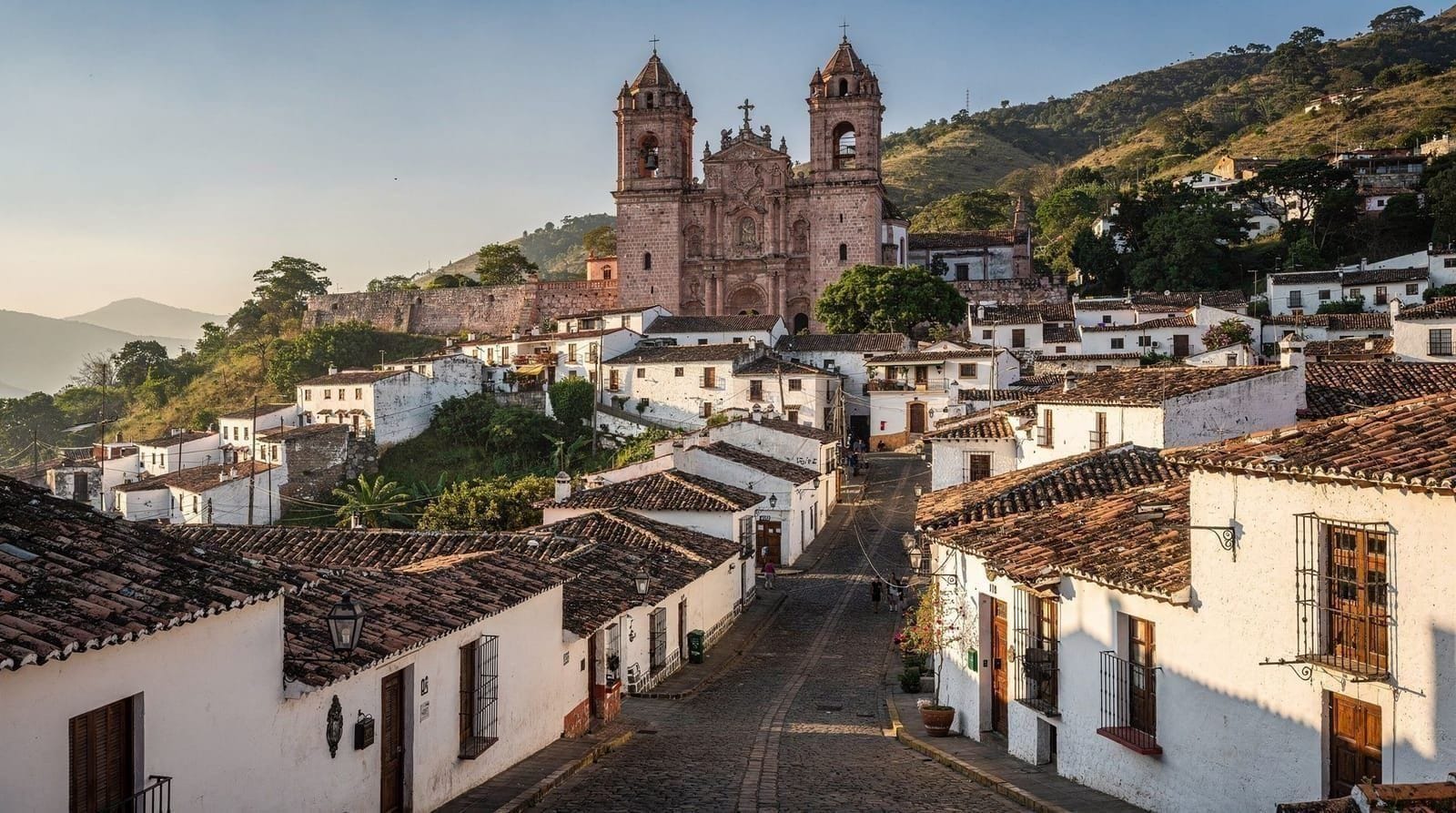
Tepoztlán is a small town in the state of Morelos, about 80 km south of Mexico City, that carries the Pueblo Mágico designation (Magic Town) from the Mexican tourism ministry — a title given to towns of notable cultural, historical, or aesthetic significance. Unlike some Pueblos Mágicos that feel designed for coach tour consumption, Tepoztlán retains something genuinely local about it: the market on the main street, the mezcal bars run by local producers, the Dominican convent that dates to 1559, and the hiking trail to the Tepozteco pyramid above the town all have a non-fabricated quality.
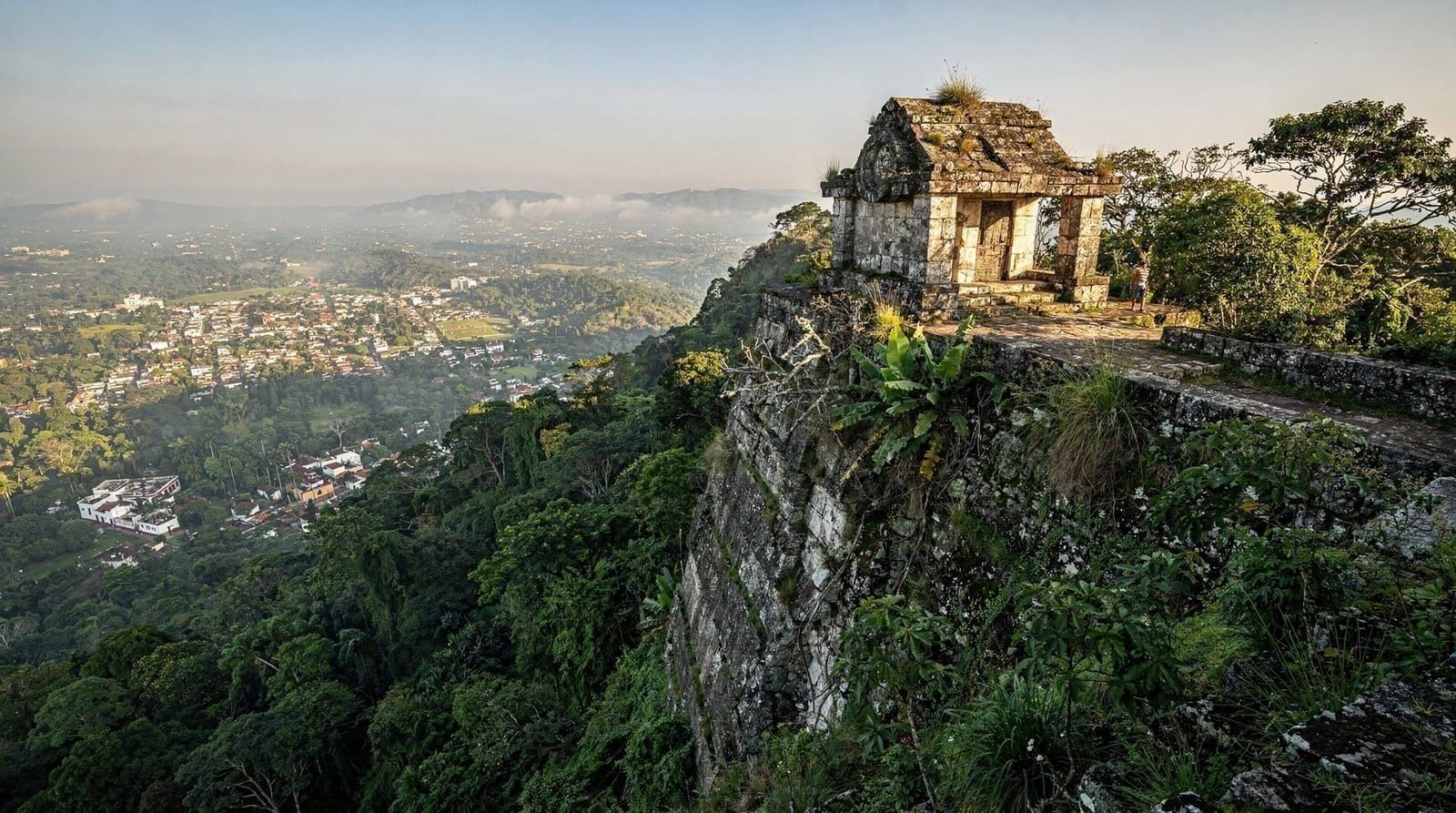
The town sits at 1,700 m in a narrow valley ringed by basalt cliffs — the Sierra del Tepozteco. The surrounding rock formations are dramatic enough on their own; when the Tepozteco pyramid appears at the top of the eastern cliff face, visible from the town below, the visual effect is one of the better in the region. The pyramid is accessible via a 2 km hiking trail.
Tepoztlán also has a reputation as a destination for spiritual tourism and alternative wellness — temazcal ceremonies, meditation retreats, and energy-healing practitioners set up here for the same reasons the town attracts weekend visitors from Mexico City: the combination of dramatic scenery, fresh air at altitude, and market culture. You do not need to engage with any of this to enjoy Tepoztlán, but it explains some of the town’s character.
| Where | Morelos state, about 80 km south of Mexico City |
| Cost | Bus 80–120 MXN each way; pyramid entry 210 MXN; guided tours from around 900 MXN |
| Time needed | Full day trip (8–9 hrs including travel), or overnight |
| Getting there | Bus from Taxqueña terminal (~1.5–2 hrs) or a guided day tour |
| Best time | October–May; weekdays for a quieter market and trail |
Tepozteco pyramid: the hike and what you find
The Tepozteco archaeological zone sits at the crest of the eastern cliff above Tepoztlán, at approximately 1,900 m altitude. The hiking trail begins at the end of Avenida del Tepozteco (north from the main market street) and climbs approximately 400 metres of elevation gain in about 2 km. The trail is rocky and steep in the upper sections. Allow 45–75 minutes to ascend depending on fitness level; 30–45 minutes down.
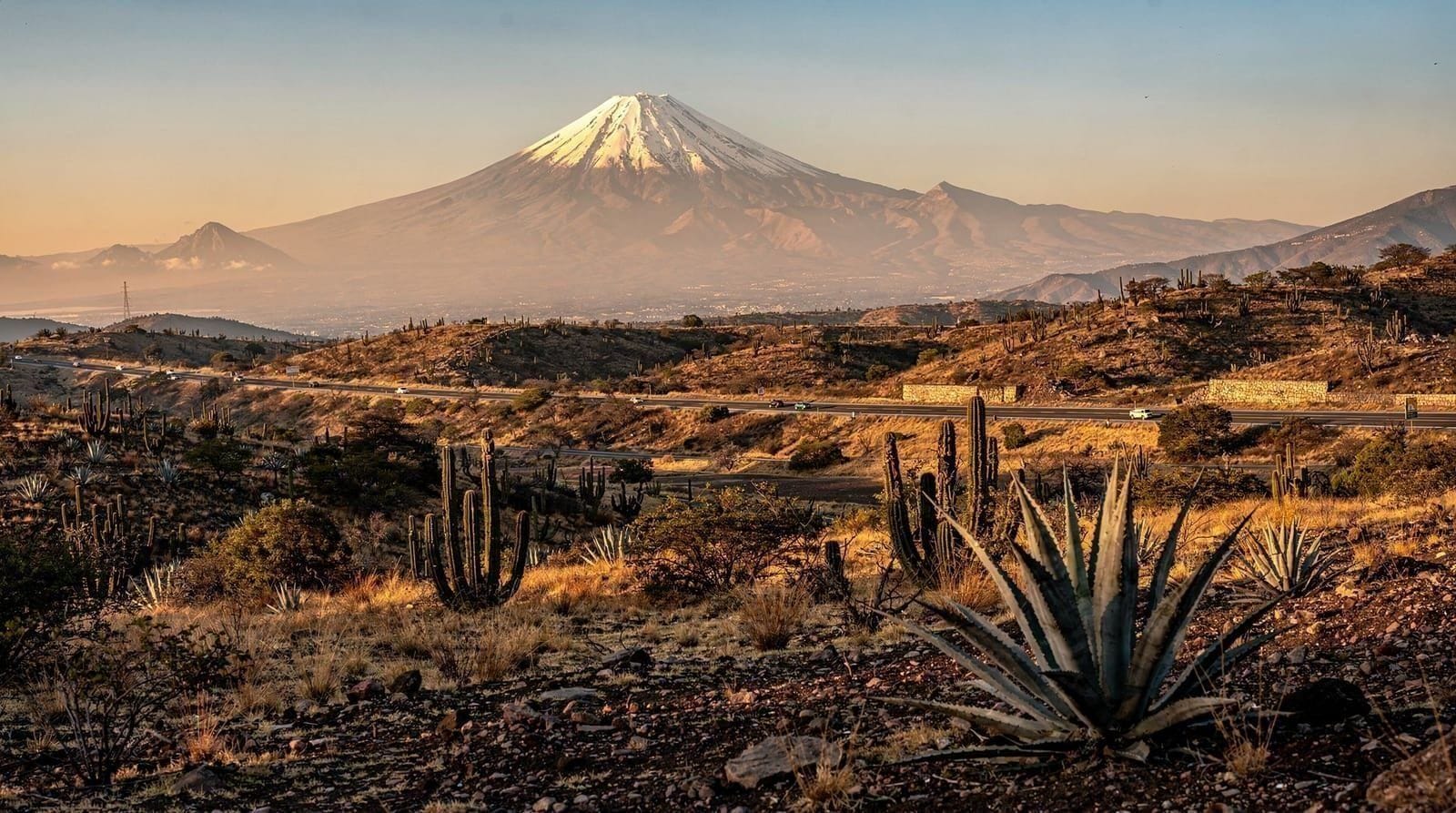
The pyramid at the summit — the Tepoztlán temple — is a small pre-classic to postclassic period structure dedicated to Tepoztécatl, the god of pulque (fermented agave drink) and rabbits. It was used as a religious centre from approximately 1150 CE until the Spanish conquest. The site itself is modest in scale compared to Teotihuacán or Cholula, but the location is extraordinary: the summit offers 360-degree views of the Tepoztlán valley, the surrounding cliffs, and on clear days the distant peaks of Popocatépetl and Iztaccíhuatl to the northeast.
Admission to the archaeological zone is 210 MXN. Open Wednesday–Sunday 9:00–16:00 (last entry 15:00). The hike is on a maintained trail but requires appropriate footwear — sandals are not suitable. Water is essential (the final section is steep and exposed to sun). There is no shade for the last 40 minutes of the ascent.
A private Tepoztlán tour with focus on the ancient ruins includes a guide who covers both the hike and the pre-Columbian context of the Tepoztécatl cult. Independent hikers are fine on the trail; a guide adds historical depth.
The market and town streets
The main market of Tepoztlán runs on the central pedestrian street (Avenida Cinco de Mayo) and is at its most active on weekends, with vendors selling crafts, textiles, food, mezcal, and the organic produce that Tepoztlán is locally known for. The weekday market is smaller and quieter. Weekend visitors from Mexico City fill the street by 11:00 and the atmosphere becomes that of a pleasant Saturday market town.
The Dominican Convento de la Natividad (1559) on the main plaza is a well-preserved colonial monastery with a facade that incorporates indigenous decorative elements in its stone carvings — a common feature of early colonial churches in central Mexico where indigenous craftspeople did the ornamental work. The interior cloister is peaceful and usually open.
The Mexican gardens and Tepoztlán town exploration tour combines a walk through the market streets with visits to some of the valley’s cultivated gardens — a gentler alternative to the pyramid hike for the same afternoon.
For food: El Ciruelo on Zaragoza 17 for a proper sit-down meal with traditional Morelos cuisine at reasonable prices (150–250 MXN for mains). Street food along the market corridor for tlayudas, quesadillas, and elotes at 30–60 MXN. Weekend mornings bring excellent breakfast options from market vendors — enfrijoladas (tortillas in black bean sauce) and memelas with toppings are particularly good here.
Mezcal in Tepoztlán
Morelos state has its own mezcal production traditions, and Tepoztlán has several bars and shops specialising in Morelos mezcals alongside the more widely distributed Oaxacan brands. The small mezcalerías on the side streets off the main market corridor — look for hand-lettered signs rather than polished branding — typically offer tastings at 50–80 MXN per pour and can explain the specific agave varieties used (tobalá, mexicano, cimarrón) and the production differences from Oaxacan mezcal. This is a more authentic mezcal experience than you get at tourist-facing bars in Roma Norte, with lower prices.
If you want to understand what you are tasting before you start, the mezcal vs tequila guide explains the differences in plain terms, and it makes the conversation with a local producer much more rewarding. Sip slowly, ask what the agave is, and treat each pour as a small lesson rather than a shot.
Temazcal ceremony
Temazcal is a pre-Columbian steam bath ceremony — a domed stone structure heated by volcanic rocks over which water and herb infusions are poured, accompanied by prayer, singing, and guidance from a facilitator. It has both practical (detox, respiratory benefit) and ceremonial dimensions in indigenous Mexican culture. Tepoztlán has several operators offering temazcal ceremonies, some more commercially oriented (tourists in/tourists out) and some more traditional. The Tepoztlán day tour from Mexico City sometimes includes a temazcal option; some visitors book a standalone ceremony as an overnight add-on.
Getting there and combining with Tlayacapan
Buses from Mexico City’s Taxqueña terminal (Metro Line 2) on the OCC/ADO line run to Tepoztlán. Journey takes about 1.5–2 hours. Cost is 80–120 MXN each way. Return buses from Tepoztlán run until approximately 19:00.
The adjacent town of Tlayacapan, 15 km east, is another Pueblo Mágico with a well-preserved Augustinian monastery and a more genuinely rural character than Tepoztlán. The combined Tepoztlán and Tlayacapan magical towns tour covers both in a day from Mexico City.
Practical information
Altitude: At 1,700 m, Tepoztlán is 540 m lower than Mexico City. The hike to the pyramid reaches 1,900 m — slightly lower than Mexico City. There is no altitude adjustment issue for CDMX residents; visitors from sea level should note that the hike adds cardiovascular load on top of the moderate altitude.
Getting around the town: Tepoztlán is small enough to walk entirely. The market, the convent, and the trail head are all within a 15-minute walk of wherever you arrive. Taxis from the bus stop to the trail head cost 30–40 MXN if you are carrying gear.
Weekend crowds: Weekend day-trippers from Mexico City make Tepoztlán noticeably busier on Saturday and Sunday afternoons. Weekday visits are much quieter; the market is smaller but the town is more genuinely itself.
The Tepoztlán day trip guide has full logistics including bus schedules, current entry prices, and how to sequence the hike and town visit in a single day.
Before you leave the city: the journey out is easier if you already know how the capital’s transport works. The getting around Mexico City guide explains the Metro and ride-hailing options for reaching the Taxqueña terminal, and the Mexico City altitude guide is useful context if you are still adjusting to the elevation before you add a hike on top of it.
Eating and drinking safely: market snacks and street food are part of the appeal here. The tap water and food safety guide covers the habits that keep a stomach settled, and the street food guide helps you recognise what to order once you are back in the city.
Overnight in Tepoztlán: what changes
Staying overnight in Tepoztlán transforms the experience. The day-tripper crowds clear by 18:00 and the town returns to something that feels like its actual self. The evening market vendors set up, the family-run fondas serve dinner at reasonable prices (120–200 MXN for a full meal), and the surrounding cliff faces turn dramatic shades at sunset. The following morning, you have the hiking trail before the day-trippers arrive from Mexico City — typically after 10:00.
Accommodation in Tepoztlán ranges from basic guesthouses (400–700 MXN per night) to boutique posadas with gardens and mountain views (1,200–2,500 MXN). The higher-end options include holistic wellness retreats that occupy converted haciendas around the village edges; these are aimed at Mexico City residents wanting weekend relaxation and charge premium prices for pool access and yoga. For a simple overnight to catch the pyramid hike at dawn, a basic posada on the main plaza streets is entirely adequate. Booking ahead on Friday nights and long weekends is essential — Tepoztlán fills with weekenders.
The organic market and local food culture
Tepoztlán has a genuine organic food culture that predates the wellness tourism trend. The Tianguis Orgánico (organic market) on Saturdays at the Mercado Multiusos draws producers from across Morelos selling heirloom corn varieties, traditional fermented foods (tepache, pulque, kombucha), raw honey, and wild-harvested herbs. This market is more authentically local than the tourist craft stalls on the main street. Buying a glass of tepache (fermented pineapple drink) here costs 20–30 MXN and is a genuine local product rather than a tourist performance.
Beyond Tepoztlán: Tolantongo and further south
If Tepoztlán’s cliffs and hiking appeal but you have more time, Tolantongo offers a longer but genuinely different day trip north of Mexico City, built around turquoise hot-spring pools rather than a colonial market town. It requires a longer drive and is not easily combined with Tepoztlán in the same day. Travellers who prefer ancient sites over mountain towns may also look at Teotihuacán, and those drawn to another colonial city should consider Puebla and Cholula. The best day trips from Mexico City guide ranks Tepoztlán, Tolantongo, Taxco and Puebla-Cholula against each other for travellers choosing between excursions, and the itinerary length guide helps decide how many of these day trips realistically fit your schedule.
Market shopping: what to buy and what to skip
The craft stalls on the main market street sell a mix of genuine Morelos-made goods and generic souvenir items brought in from elsewhere; prices are rarely marked, so ask and be prepared to negotiate. The tourist traps guide covers similar dynamics at other markets across the region — the Tianguis Orgánico on Saturdays is the more reliably local option if authenticity matters more to you than souvenir convenience.
Frequently asked questions about Tepoztlán
Is the hike to Tepozteco pyramid difficult?
Moderate to moderately difficult. The trail climbs approximately 400 metres in 2 km, with rocky and steep sections in the upper portion. Average hikers in reasonable fitness take 60–75 minutes up. The return is easier. Appropriate footwear (closed-toe with grip) and water are essential. People with knee problems should assess carefully; the descent is harder on joints than the ascent.
Can I visit Tepoztlán and the Tepozteco pyramid as a day trip from Mexico City?
Yes, comfortably. Buses run from Taxqueña terminal and take 1.5–2 hours. Allow 3–4 hours in the town (including the hike). Total day including travel is 8–9 hours. The last practical return bus leaves Tepoztlán around 18:00–19:00 to reach Mexico City before late evening.
Is Tepoztlán overcrowded on weekends?
Busy, yes — particularly from 11:00–15:00 when day-trippers from Mexico City arrive. The main market street is crowded. The hiking trail is also more congested. If you prefer quieter conditions, a weekday visit is noticeably better. If you want the full market atmosphere and don’t mind crowds, weekends have more energy and vendors.
Is Tepoztlán a good alternative to Coyoacán if I want somewhere quieter?
Not directly comparable — Coyoacán is a Mexico City neighbourhood you can reach in 20 minutes, while Tepoztlán is a genuine day trip requiring 1.5–2 hours each way. If “quieter” means less crowded within the city, Coyoacán on a weekday still beats most alternatives; if it means a different landscape and pace entirely, Tepoztlán is the better fit and rewards the longer journey with cliffs, a hike, and a market that feels distinctly regional rather than metropolitan.
What is temazcal and is it worth trying?
Temazcal is a pre-Columbian steam bath ceremony using a domed stone structure and volcanic rocks. It has both practical wellness effects (heat, herbs, sweating) and cultural-ceremonial dimensions. Whether it is “worth trying” depends on your interest in indigenous Mexican ceremonial practice. Serious operators run 2–3 hour ceremonies with traditional ritual elements; tourist-oriented ones are shorter and less traditional. Ask before booking which format applies.
What else is near Tepoztlán for a longer trip?
Cuernavaca is 20 km east and has Diego Rivera murals in the Cortés Palace, Maximilian’s summer garden (Jardín Borda), and a more tropical climate than Mexico City. Taxco is 100 km south and is Mexico’s silver capital (see the Taxco guide). Tolantongo, with its hot springs and turquoise pools, is a longer drive north. All are accessible with a car or organised tour for a broader southern Mexico circuit.
Should I choose Tepoztlán or Taxco if I only have time for one?
Choose Tepoztlán if you want a shorter trip, a physical hike, and a bohemian, market-focused atmosphere; choose Taxco if colonial architecture and silver shopping matter more and you don’t mind the longer drive. Both pair well with an overnight if your schedule allows it. The 5-day Mexico City itinerary has room for either as a dedicated day.
Top experiences
Bookable activities with verified prices and instant confirmation on GetYourGuide.