Tepoztlán day trip guide from Mexico City
CDMX: Day Tour to Tepoztlan
Duration: 12 hours
How do you get from Mexico City to Tepoztlán?
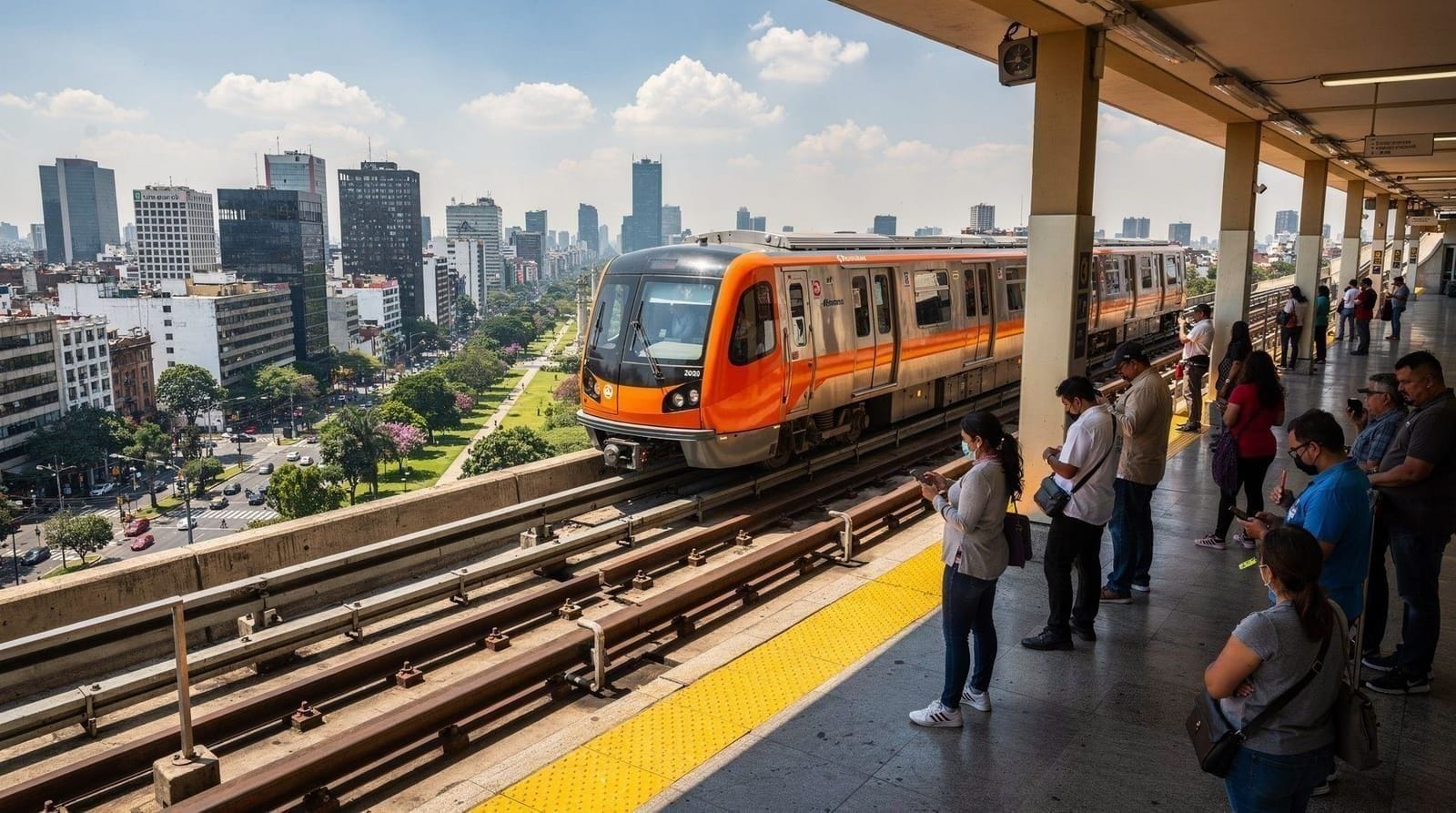
By bus from Terminal del Sur (Metro Tasqueña, Line 2): Pullman de Morelos or OCC buses, approximately 1.5 hours, 120–180 MXN each way. The last return bus is around 9pm. Tepoztlán is 80km south of CDMX — the shortest major day trip distance, making it ideal for a relaxed half-day. The weekend market and pyramid hike work well as a full-day combination.
Why Tepoztlán is an excellent day trip from CDMX
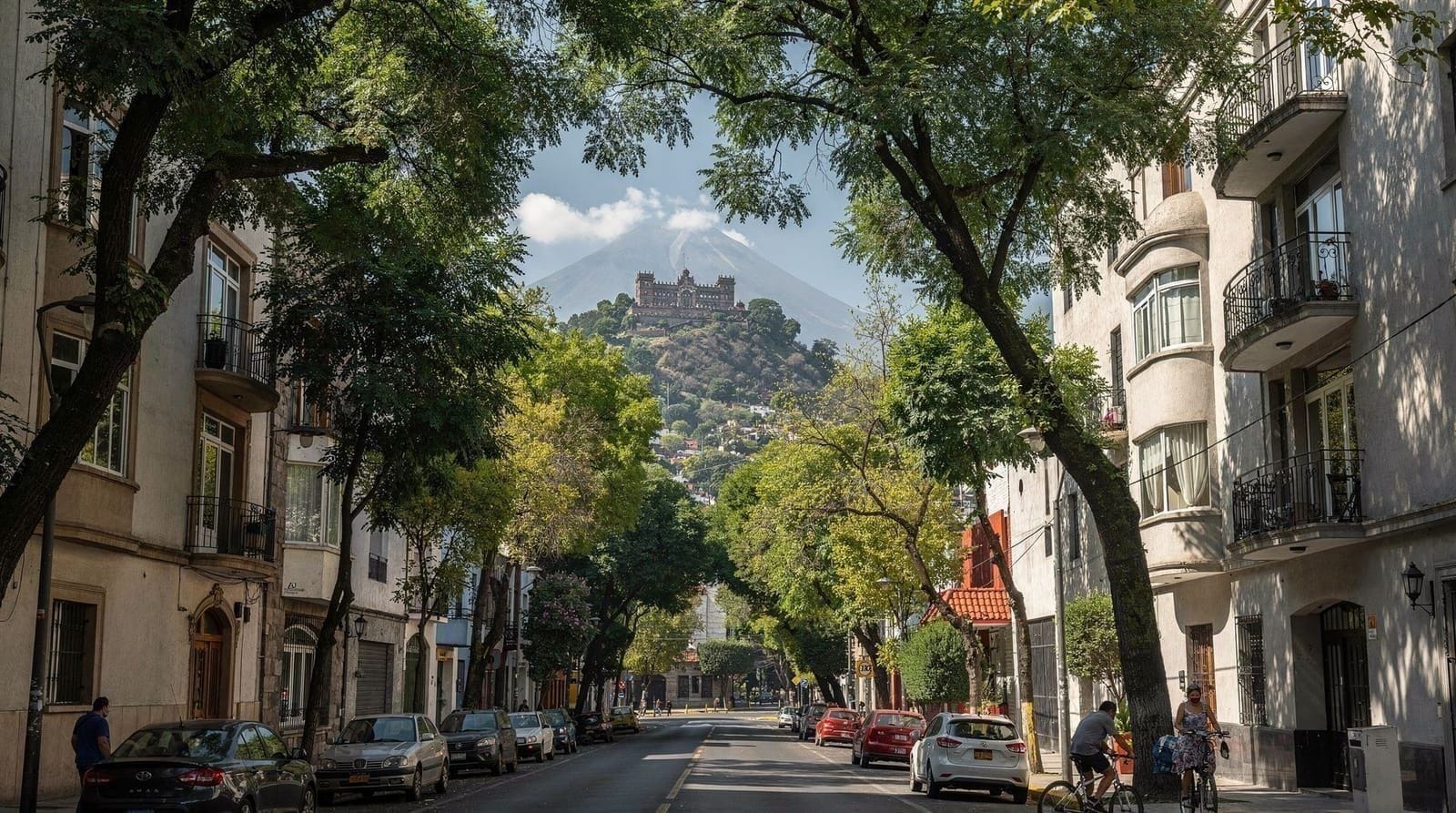
Of all the day trips reachable from Mexico City, Tepoztlán requires the least planning and delivers a combination of physical activity (the pyramid hike), cultural content (the colonial town and Dominican convent), and relaxed exploration (the market, the restaurants, the mezcalerías) that makes for a naturally full and satisfying day.
| Where | Tepoztlán, Morelos, ~80 km south of Mexico City |
| Cost | Bus 120–180 MXN each way; pyramid entry 70 MXN |
| Time needed | 5–6 hrs; a full day with the hike and market |
| Getting there | Pullman de Morelos bus from Terminal del Sur, or a guided tour |
| Best time | Weekday mornings, October–April, before noon for the hike |
The 80km distance — the closest of the major day trips — means a genuine late morning departure works. You can take the 9am bus, arrive by 10:30am, spend 5–6 hours in Tepoztlán, and return comfortably. This flexibility is unusual in the day-trip category; most other significant destinations (Puebla, Taxco) require very early starts. The best day trips from Mexico City guide compares Tepoztlán against the other options if you’re deciding how to spend a limited number of excursion days.
Getting there
By bus from Terminal del Sur: Metro Tasqueña (Line 2) leads to Terminal del Sur. Pullman de Morelos buses run frequent services (every 30–45 minutes) from around 6am. Journey: 1.5 hours, 120–180 MXN each way. At the Tepoztlán stop, taxis into town cost 40–60 MXN (the bus terminal is 1.5km from the centre); walking is possible but the road is not pedestrian-friendly. Last return bus from Tepoztlán is typically around 9pm.
By guided tour: The CDMX Day Tour to Tepoztlán is a 12-hour guided day including transport, a guide for the town and pyramid area, and lunch. The structure suits visitors who want company and context without arranging their own transport.
The Tepoztlán Temazcal Ceremony Day Trip combines the town visit with a traditional temazcal experience — a distinctive combination for visitors interested in the pre-Columbian sweat lodge tradition. This is a longer day (temazcal ceremonies take 2–3 hours) and less compatible with the pyramid hike; choose one focus for the day.
The town: El Centro and the Dominican convent
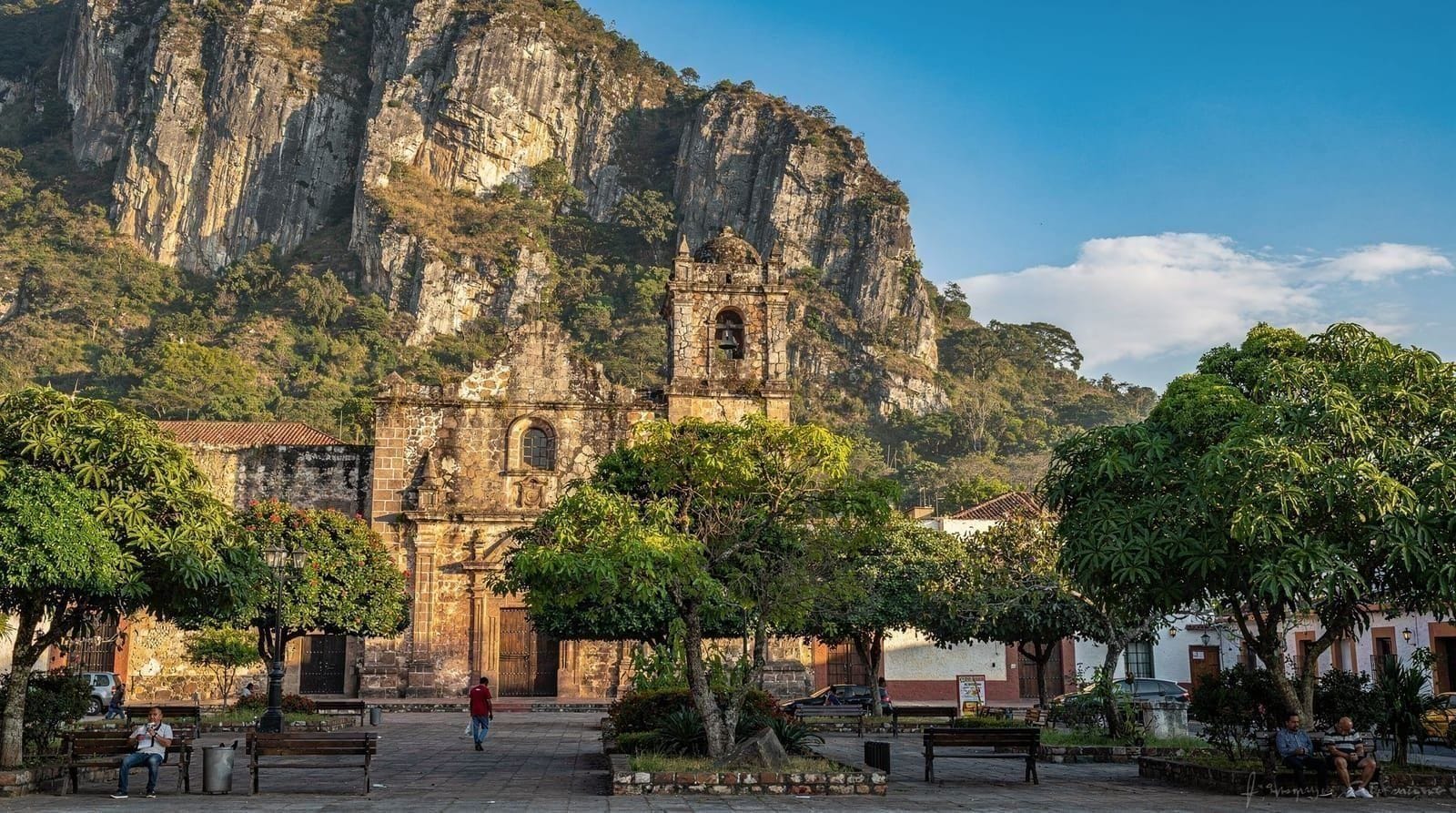
Tepoztlán’s main square (Zócalo) is anchored by the Ex-Convento Dominico de la Natividad — a Dominican monastery begun in 1559 that combines the fortified defensive walls of early colonial architecture with a doorway decorated in mixed pre-Hispanic and Christian motifs. The current parish church occupies part of the original monastery complex. Entry to the convent and its cloister: 50 MXN.
The cloister interior shows murals from the 16th century, some of the earliest paintings in the Americas depicting Christian scenes interpreted by indigenous artists who had converted (or been converted) to Catholicism within a generation of the conquest. The combination of the architectural idiom and the painted iconography is historically layered in ways that the bare facts do not capture — a guide who explains the 1559 context adds significantly to this particular experience.
The streets immediately around the Zócalo have artisan shops, mezcal bars, juice stands, and a persistent offer of healing crystals. The mezcalerías here are genuine: mezcal from Morelos state (a minor but real production zone) sits alongside the Oaxacan and Guerrero standards. A copa (50ml pour) at the bar in one of the converted courtyards, in the late afternoon before the bus back, is a Tepoztlán standard.
The pyramid hike: logistics and what to expect
The Zona Arqueológica del Tepozteco trailhead is at the far end of Avenida Tepozteco, 15 minutes walking from the Zócalo. The site office collects the entry fee (70 MXN, cash only). Trail map is provided; the route is straightforward — it goes up.
Trail character: Rocky, steep in sections, unshaded in the upper half. The first 200m of elevation gain is the hardest section. At the midpoint (approximately 30 minutes), the trail levels temporarily before the final push to the summit. Total ascent: 400m over approximately 2km.
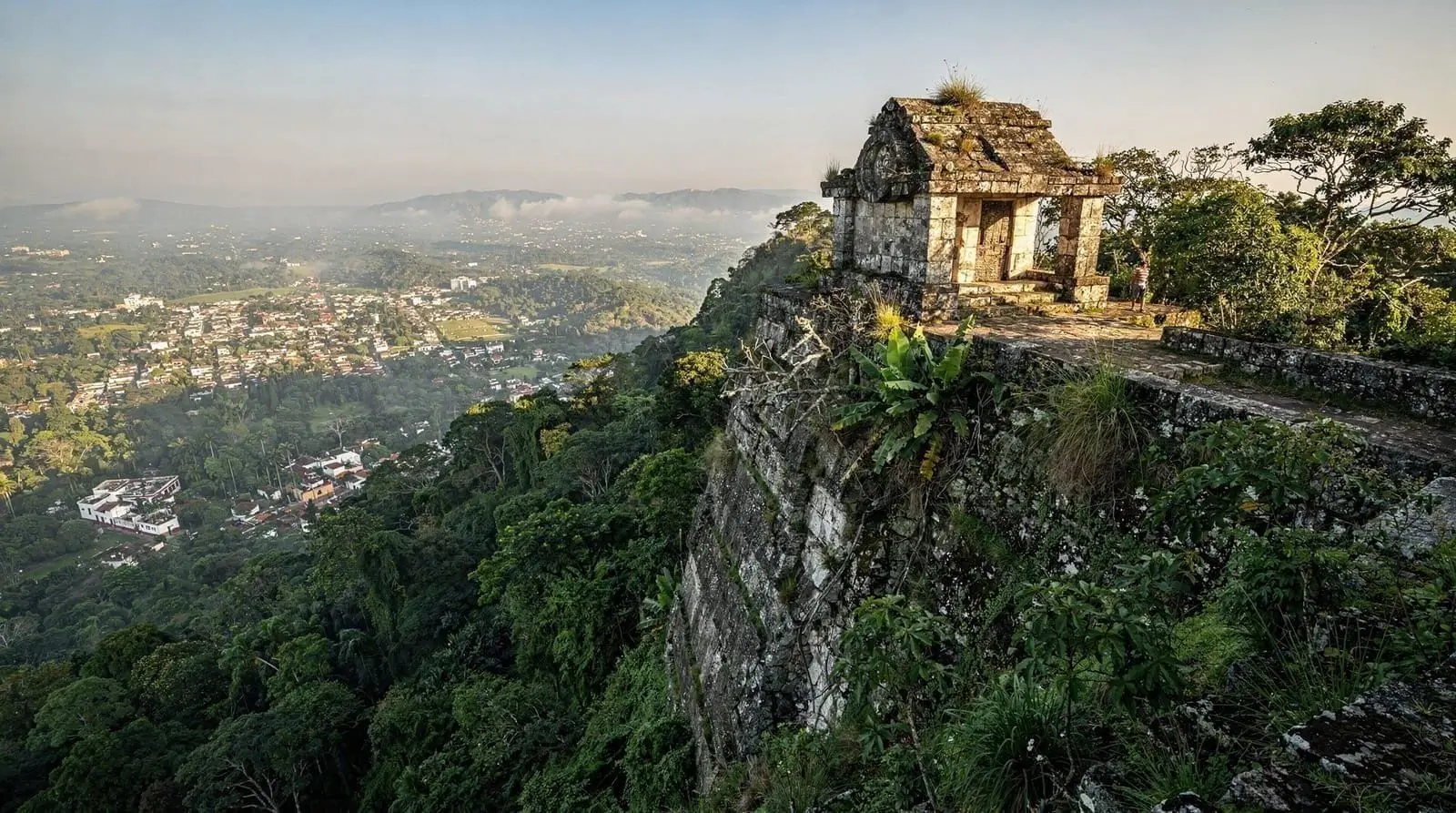
The pyramid at the top: The Teocalli de Tepozteco is a small pyramid platform (not large by Mesoamerican standards) dedicated to Ometochtli — one of the pulque gods, patron of Tepoztlán. The pyramid was an active religious site until the Spanish conquest and was a place of pilgrimage for the cult of Tepozteco, a semi-legendary figure associated with the god. The archaeological site dates primarily from the Postclassic period (900–1521 AD).
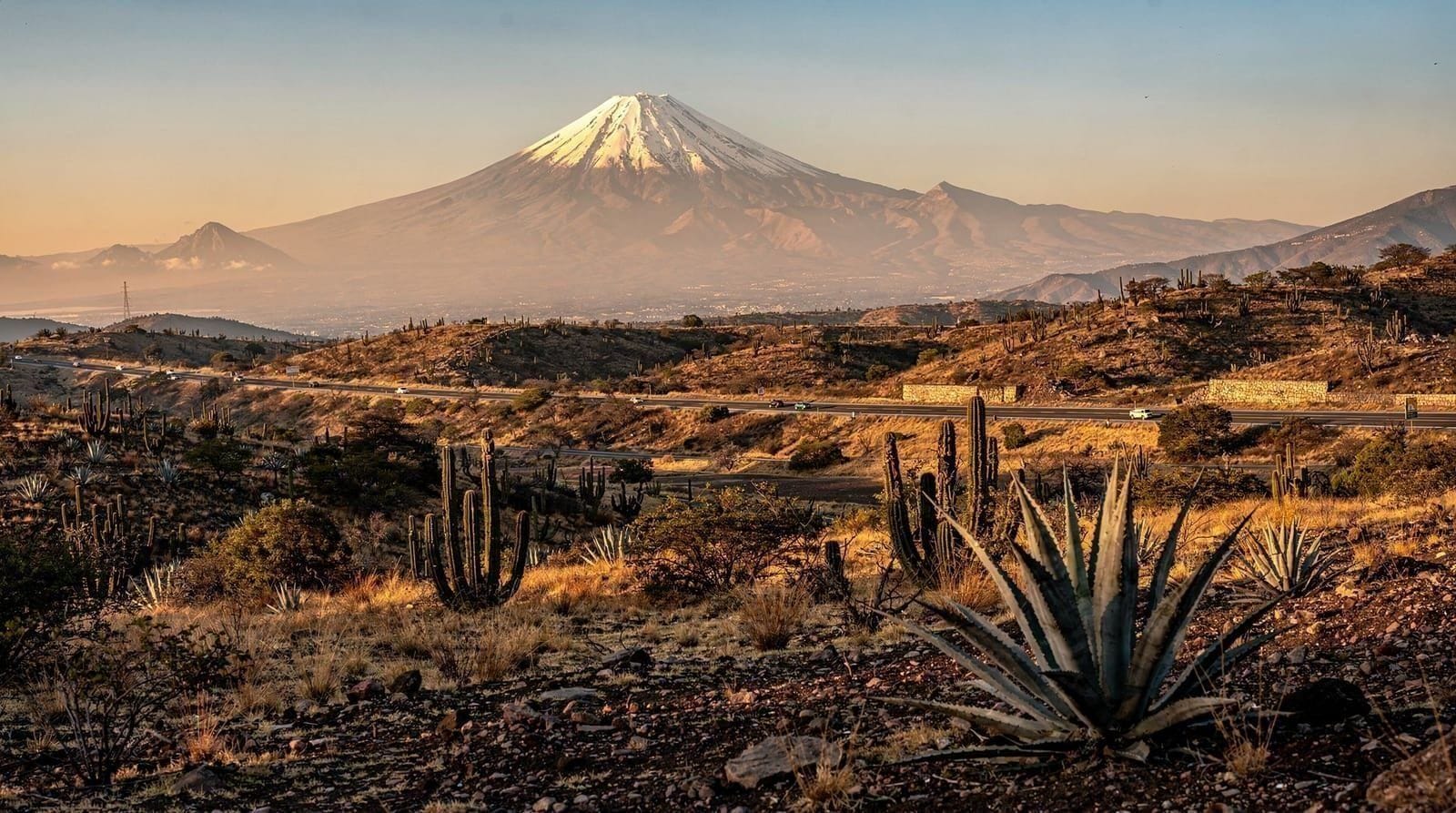
The views from the summit are the real draw: the entire Valley of Tepoztlán, the surrounding cliff-edged mountains of the Sierra Tepoztlán, and on clear days (November–February) the volcanoes Popocatépetl and Iztaccíhuatl to the east.
Timing: Start the hike before noon if possible. The afternoon heat (Tepoztlán is lower altitude than CDMX — around 1,700m — and noticeably warmer) makes the ascent significantly harder after 1pm. In the rainy season, afternoon clouds build rapidly and the trail becomes slippery and visibility on the summit can drop completely.
What to bring: Water (at least 1 litre per person), sunscreen, closed shoes with grip, a small snack. The summit has no facilities.
The weekend market
The artisan market around the main square and along Avenida Tepozteco is active Saturday and Sunday from around 8am to 3pm. The stalls sell:
- Crafts from Morelos and surrounding states: textiles from Tlayacapan, ceramics from Cuernavaca workshops, carved gourds (jicaras) painted with regional motifs
- Food products: local honey, dried herbs, chilli varieties grown in the surrounding hills, artisanal chocolate, and handmade tamales
- Mezcal: local small-batch production from Morelos maguey alongside commercial brands
- New Age items: crystals, incense, healing stones, and Tepoztlán-specific spiritual items (the town’s reputation as a spiritual centre generates a commercial layer)
The Saturday market typically has more vendors and more variety. Arriving before 10am provides access before the day-tripper crowd from CDMX thickens the narrow streets.
The Tepoztlán–Tlayacapan circuit
The nearby village of Tlayacapan (15 minutes by taxi from Tepoztlán, 80–120 MXN) is another Pueblo Mágico with a remarkable Dominican convent (San Juan Bautista de Tlayacapan, 1554) and a more working-village atmosphere than tourist-facing Tepoztlán. Combining both in a day makes for a rich cultural circuit if you arrive early — the Tepoztlán and Tlayacapan Magical Towns tour covers both with transport and guide.
For a cooler, water-based alternative to combine with Tepoztlán, a private visit to Las Estacas natural park pairs the town and the archaeology with the spring-fed river pools further south in Morelos.
Honest assessment
Tepoztlán is excellent for a specific profile of visitor: people who want a day of physical activity (the hike), cultural content (the convent and market), and relaxed time in a pleasant Mexican town. It is not ideal for visitors seeking dramatic archaeological scale (go to Teotihuacán for that) or colonial urban architecture (Puebla is the right choice).
The New Age commercial layer in the town centre is annoying if you did not come for it and easy to ignore if you did. The food and mezcal quality in the centre has genuinely improved in recent years with more interesting restaurants opening alongside the traditional market stalls.
The biggest practical issue is crowds on weekends: Tepoztlán is popular with CDMX residents for weekend escapes, and the streets and restaurants can be genuinely crowded Saturday and Sunday afternoons. Arriving early resolves this; the town feels different at 9am versus 1pm.
Practical extras for the day
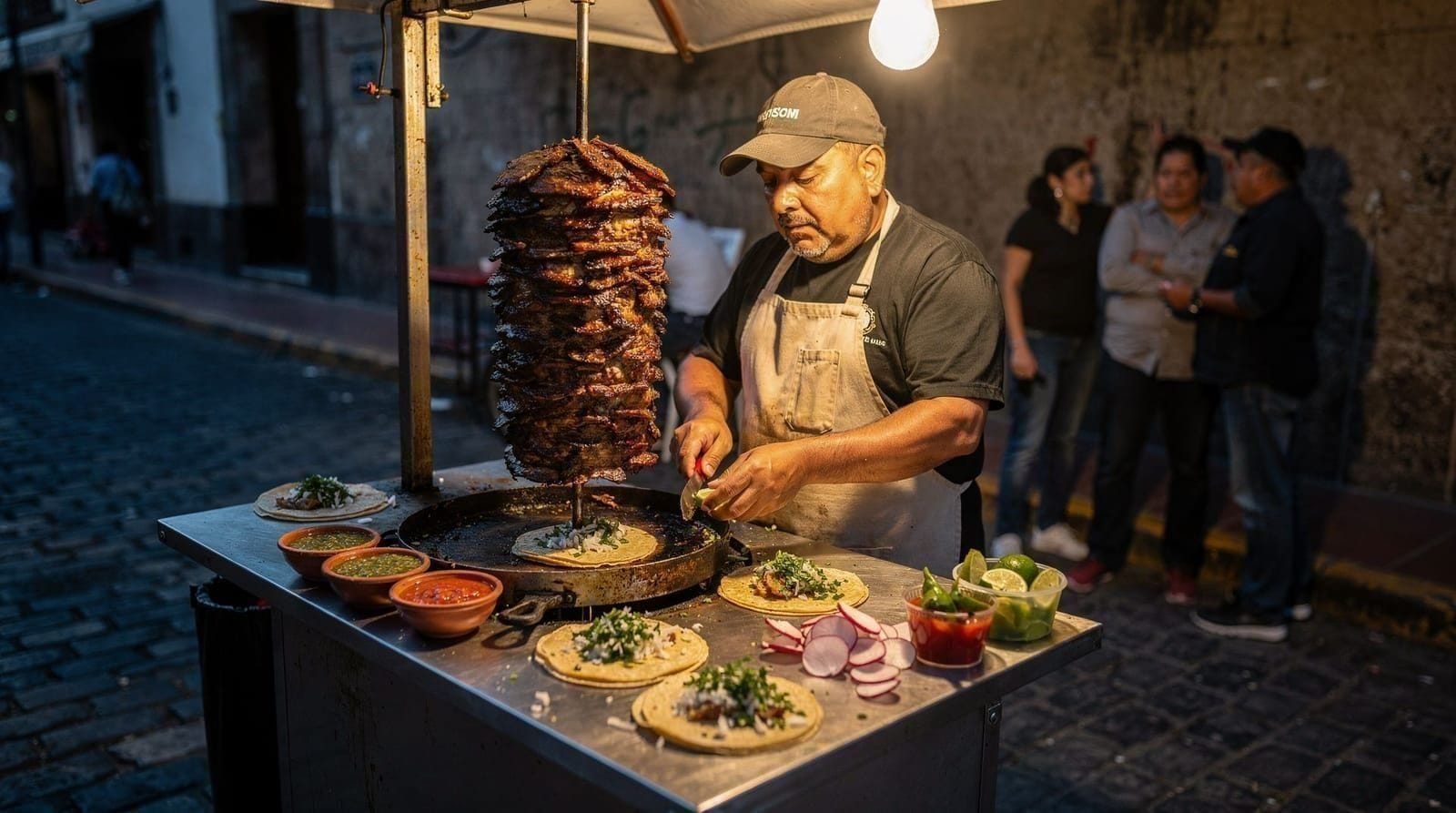
Food beyond the market: Beyond the market stalls, a handful of sit-down restaurants near the Zócalo serve proper Morelos cooking rather than tourist menus — worth the modest premium over a market stall if you want to sit down for a full meal. For a broader sense of what counts as excellent versus merely convenient Mexican street food, the Mexico City street food guide sets a useful baseline, even though Tepoztlán’s own market food has a distinct Morelos character.
Getting between the hike, the market and the convent: Everything worth seeing in central Tepoztlán is within a 15–20 minute walk, so unlike some day trips there’s little need for taxis once you’re in town — the general principles in the getting around Mexico City guide mostly apply to getting there and back, not to moving around Tepoztlán itself.
Fitting it into a longer stay: Tepoztlán’s short travel time makes it one of the easier day trips to slot into a 5-day or 7-day Mexico City itinerary without sacrificing a full day elsewhere — a half-day version (skip the full market, focus on the hike and convent) is realistic even with a late-morning start. The Tepoztlán destination page has more on staying overnight if you’d rather not rush the return bus.
Planning around the rest of your trip
Choosing the season: The dry months suit the hike best, and the best time to visit Mexico City guide and the month-by-month weather guide help you pick which weeks of your stay to give to an excursion. If your dates fall around the Day of the Dead, the Day of the Dead guide explains what else is happening in the capital, so you can weigh Tepoztlán’s local celebrations against the city’s own.
Easing in: Arriving from a few days in the capital, you may still be adjusting to the thin air at home base; the Mexico City altitude guide is worth a read before you commit to a steep climb. Tepoztlán sits lower, which many people find a relief.
Mezcal before you taste it: If the mezcalerías around the Zócalo tempt you, the mezcal vs tequila guide gives you the vocabulary to order with confidence rather than guessing at the menu.
Choosing between excursions: Short on days? The Puebla and Cholula day trip guide and the Taxco day trip guide cover the longer alternatives, while the how many days in Mexico City guide helps you decide how many excursion days your trip can really absorb. For a base in the city itself, see where to stay in Mexico City.
Frequently asked questions about the Tepoztlán day trip
What time should I leave Mexico City for Tepoztlán?
For the full experience (pyramid hike plus market): take the 7:30–8am bus from Terminal del Sur, arrive by 9:30–10am, hike before noon, market and lunch 1–4pm, return bus by 5–6pm. This gives a comfortable day. A later departure (9–10am) still works if you skip the pyramid hike or do it in the afternoon (harder in the heat but possible).
Can I visit Tepoztlán on a weekday?
Yes, and weekdays are significantly less crowded. The permanent covered market operates daily. The convent is open daily. The pyramid trail is accessible daily. The main difference is fewer market stalls and more tranquil streets — which many visitors prefer.
Is the Tepozteco pyramid hike dangerous?
No, but it requires appropriate footwear and should not be attempted in sandals, dress shoes, or inappropriate footwear. The trail is rocky and steep; falls occur occasionally, always related to footwear or attempting the trail in rain when the rocks become slippery. With proper shoes and normal fitness, it is a straightforward if strenuous hike.
What is the difference between Tepoztlán and Tepotzotlán?
Different places. Tepoztlán is the Morelos state magic town with the pyramid, 80km south of CDMX. Tepotzotlán is a small town in State of Mexico, 40km north of CDMX, famous for its extraordinary Jesuit church (now the Museo Nacional del Virreinato) and the Christmas posada celebrations. Both are day-trip destinations but unrelated to each other.
How do I get from Tepoztlán bus terminal into town?
Taxis wait at the bus stop. Fare to the Zócalo: 40–60 MXN, fixed rate. Agree the price before getting in (taxis here have no meters). Walking takes 20–30 minutes along the main road — manageable but not particularly pleasant. Taxis back to the bus terminal from the Zócalo operate from a taxi stand near the market.
What is the Tepozteco pyramid hike like?
The Tepozteco archaeological site sits on a cliff face above the town, requiring a 400m ascent on a well-marked but steep trail. The hike takes 45–75 minutes up at a moderate pace, 40–60 minutes down. The trail is rocky and uneven — proper shoes are essential; sandals or flip-flops are not appropriate. The summit hosts a small Aztec pyramid (Teocalli de Tepozteco, dedicated to the god Ometochtli) with views across the entire Valley of Tepoztlán. Entry to the site: 70 MXN.
When does the Tepoztlán weekend market take place?
The main market in Tepoztlán’s Mercado Artesanal and surrounding streets is active Saturday and Sunday mornings (8am–3pm). The permanent covered market (Mercado de Tepoztlán, on the main square) is open daily but most active on weekends. The weekend market has craft vendors, local food, mezcal stalls, and artisan products from across Morelos state. Weekday visits are quieter and more oriented toward the town’s local character rather than the market scene.
What food is Tepoztlán known for?
Tepoztlán’s food scene reflects Morelos state traditions: cecina (dried/salted beef, thinly sliced, served with beans and tortillas), memelitas (oval corn cakes with beans and salsa), and tlayudas appear at market stalls. The town is also known for herbal remedies and natural products — the market has vendors selling locally grown teas, honey, and chilli varieties. Several restaurants near the main square serve regional Morelos cuisine; Axitla (on Calle 5 de Mayo) is consistently recommended for its traditional menu.
Is the Tepozteco hike safe for children?
For children with some hiking experience and appropriate footwear, yes — the trail is well-marked and manageable from around age 8 with parental supervision. The first section (from the trailhead to the mid-point) is the steepest. The upper section levels out. The summit area has low barriers; supervise children carefully at the pyramid’s edges. The descent is often harder on knees than the ascent.
What is temazcal and can I do one in Tepoztlán?
A temazcal is a traditional Mesoamerican sweat lodge ceremony — a pre-Columbian cleansing ritual involving steam, herbal vapours, and guided meditation. Modern temazcal experiences in Tepoztlán are offered by several operators. They typically last 2–3 hours and involve entering a dome-shaped enclosure with heated volcanic rocks (temascal stones) over which water infused with medicinal herbs is poured. Not suitable for people with cardiovascular conditions or claustrophobia. Price: 400–800 MXN per person at most Tepoztlán operators.
Is Tepoztlán worth the trip if I cannot do the pyramid hike?
Yes. The town itself has genuine charm: a well-preserved colonial centre, the 16th-century Dominican convent (Ex-Convento de la Natividad, on the main square), the weekend artisan market, several good mezcal bars and restaurants, and the dramatic backdrop of the Tepozteco cliffs regardless of whether you climb them. The hike is the signature experience but not the only reason to visit.
What is Tepoztlán’s reputation as a spiritual destination?
Tepoztlán has attracted alternative-lifestyle, spiritual-seeking, and New Age communities since the 1970s. The town has a higher concentration of crystal shops, healing practitioners, yoga retreats, and temazcal operators than any comparable Mexican town. This is part of the town’s character — some visitors find it interesting, others irritating. The commercial side of this (crystals and aura readings) is easy to ignore; the genuinely traditional temazcal is a different matter and has pre-Columbian roots.
What is the best time to visit Tepoztlán?
October–April for the drier season. The rainy season (June–September) turns the surrounding hills intensely green but afternoon downpours are reliable — the pyramid hike becomes slippery and often has to be abandoned mid-route. Weekdays are significantly less crowded than weekends. The Day of the Dead (November 1–2) brings elaborate local celebrations; the Carnival period (February/March) has regional music and dance performances.
Top experiences
Bookable activities with verified prices and instant confirmation on GetYourGuide.