Mexico City weekend itinerary: 2 days of fast highlights
Mexico City: Historic Downtown Walking Tour
Two days is tight — here is what to cut and what to keep
A weekend in Mexico City is genuinely possible and rewarding if approached with clear priorities. Two days is not enough to see the city — anyone who tells you otherwise is describing a highlights reel, not a real visit. What you can do in 48 hours is cover the three things that define Mexico City most distinctively: the Aztec-and-colonial historic center, the world-class Anthropology Museum at Chapultepec, and the Frida Kahlo house in Coyoacán. Everything else is a bonus.
| Covers | Centro Histórico, Chapultepec, Coyoacán |
| Pace | Fast — one and a half neighborhoods per day |
| Getting around | Metro + Uber, no car needed |
| Best time to go | November–May (dry season) |
| If you can stay longer | The 3-day itinerary spreads this out more comfortably |
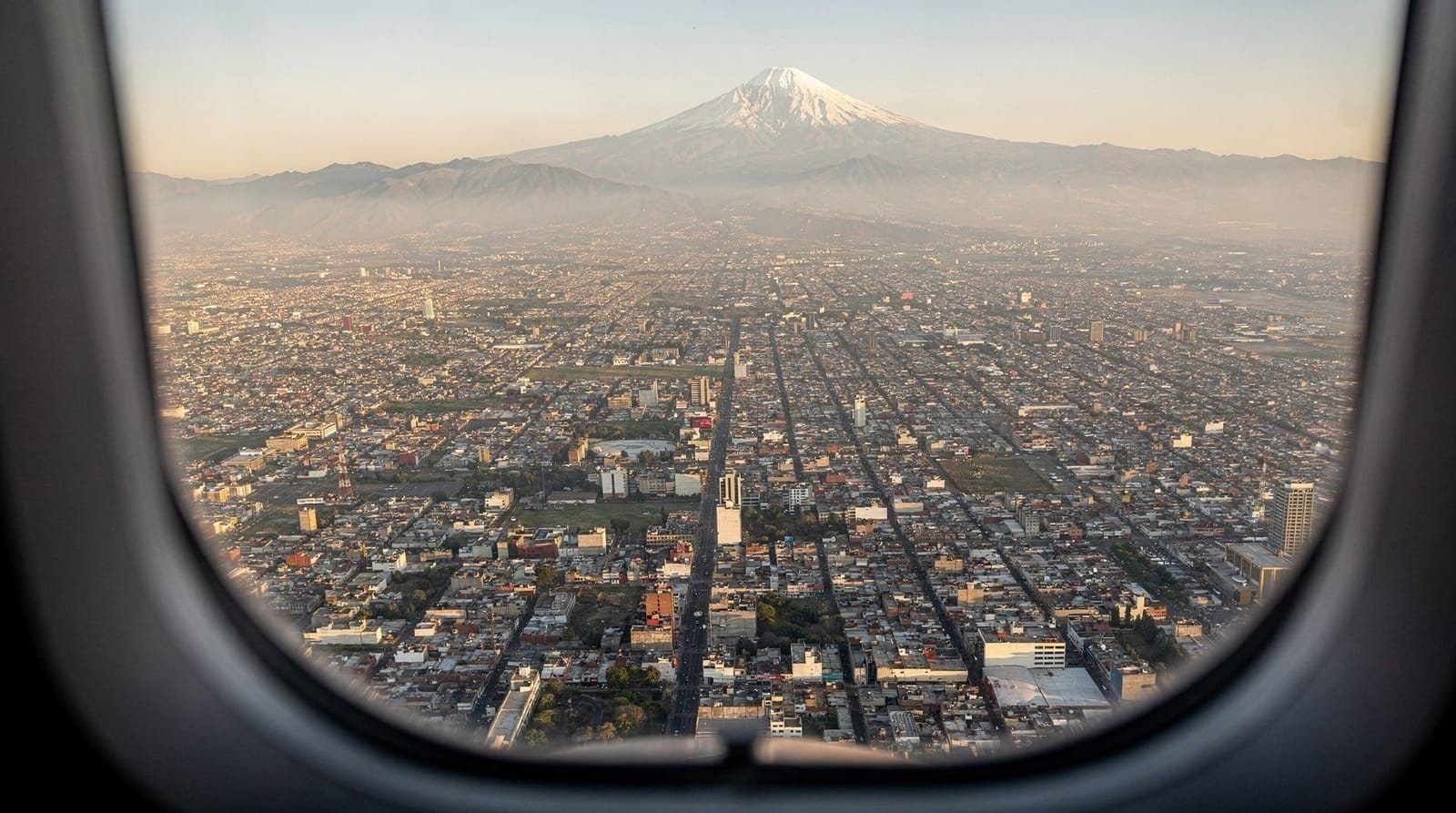
Mexico City’s altitude (2,240 m / 7,350 ft) typically produces mild breathlessness for the first 24 hours in visitors from sea level. On a two-day itinerary you will be acclimatising on the first day regardless of how experienced a traveller you are. Accept that morning one will feel slightly slow, hydrate well, and plan accordingly. The altitude guide covers what to expect and how to manage it.
If you can stay one more day: See the 3-day itinerary, which separates the three areas more comfortably and adds an evening in the Roma neighborhood. If you have even less time — a stopover or a single free day between meetings — the 24 hours in Mexico City guide compresses the highlights further into a single day.
The two days at a glance
| Day | Morning | Afternoon | Evening |
|---|---|---|---|
| Day 1 | Zócalo, Templo Mayor | Chapultepec, Anthropology Museum | Polanco |
| Day 2 | Coyoacán, Frida Kahlo Museum | Roma Norte walk | Roma dinner |
Day 1: Centro Histórico and Chapultepec
Morning — Centro Histórico (arrive early)
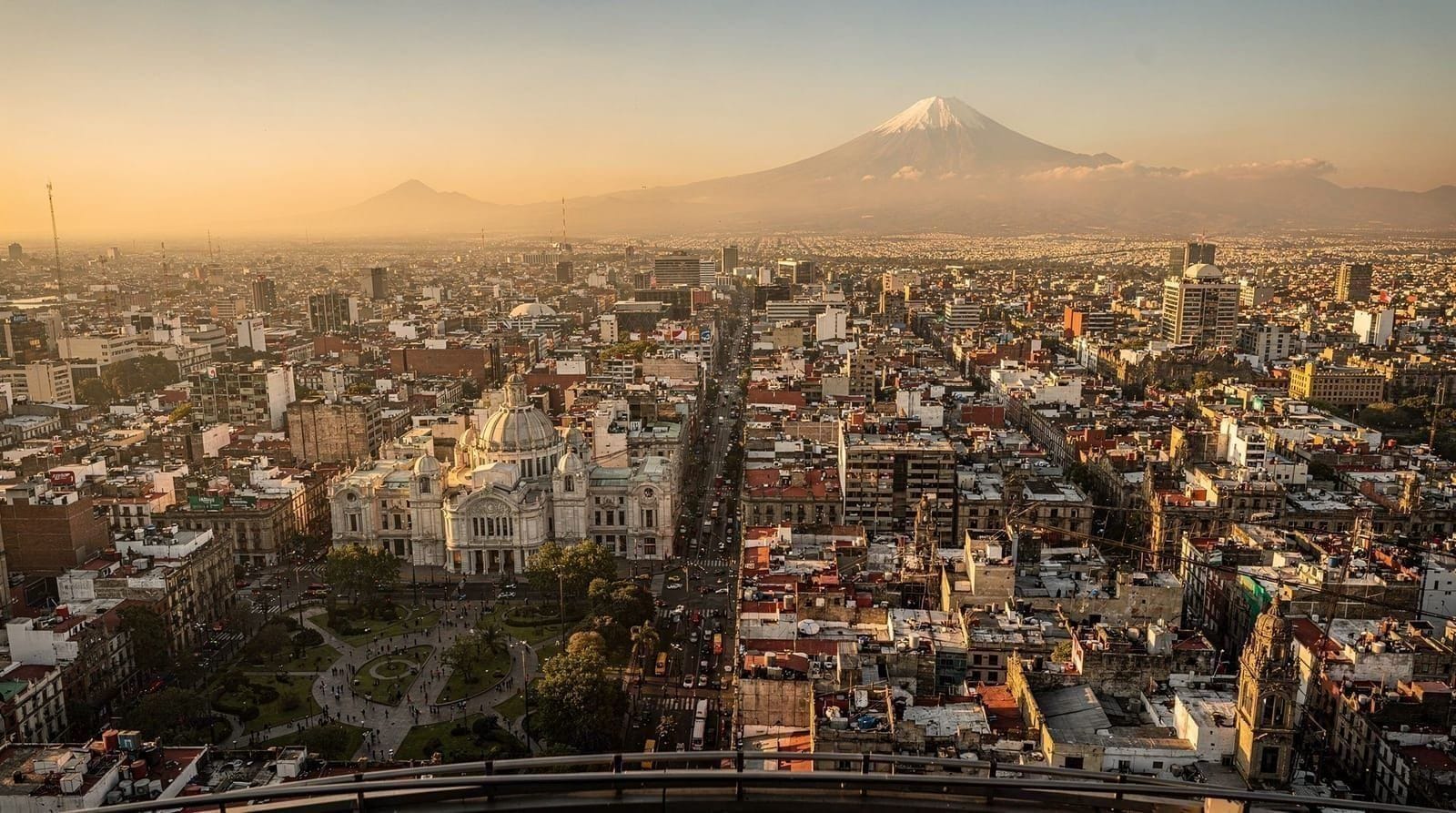
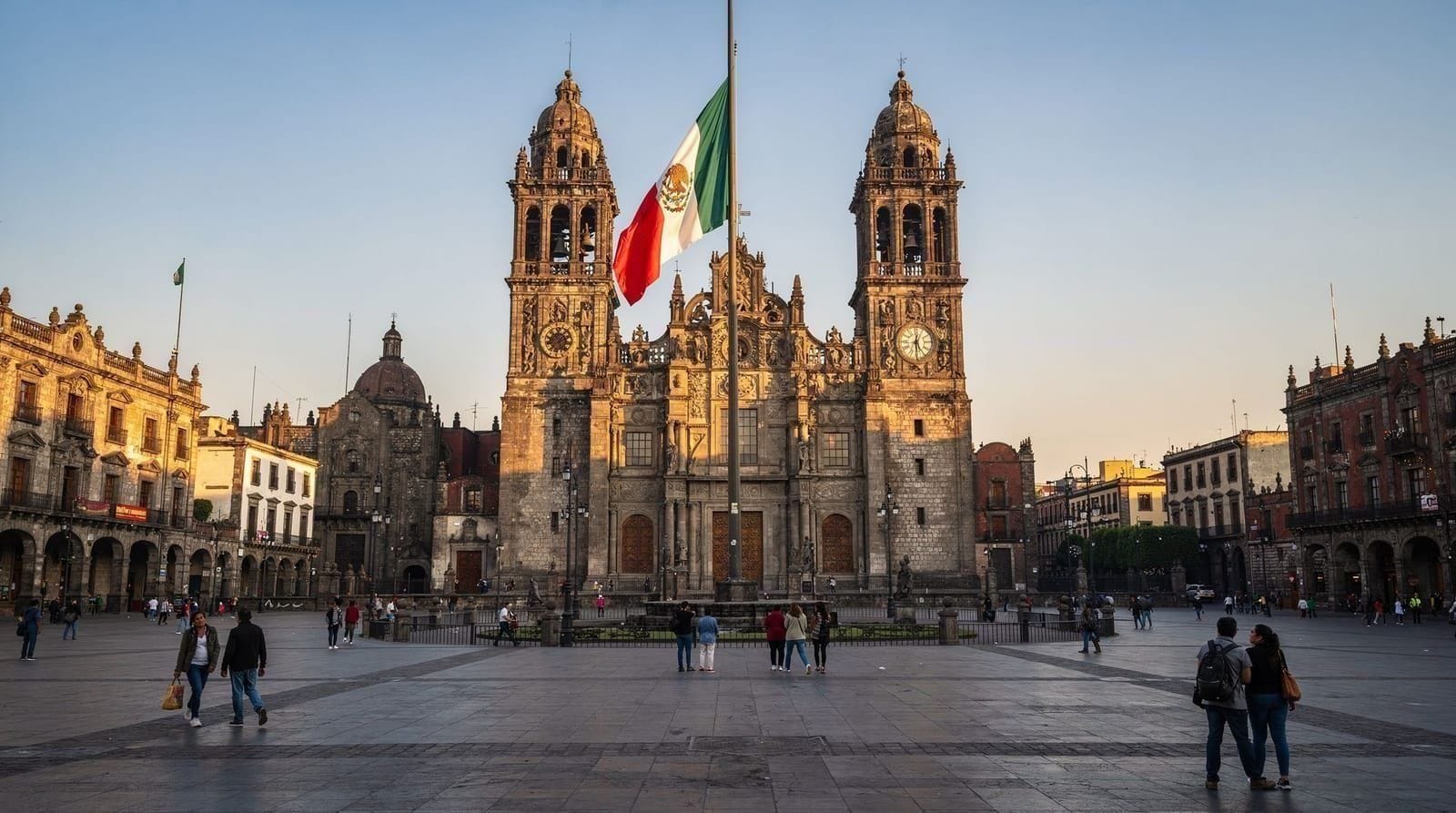
Start at the Zócalo, in Centro Histórico, at 8–8:30 am. The scale of the square is apparent before the crowd arrives; at 9 am, tour groups and market stalls begin filling the periphery. Take 15 minutes to walk the perimeter.
The Templo Mayor (80 MXN) opens at 9 am. The on-site museum is the best part — the excavated Aztec stone carvings, the scale model of Tenochtitlán as it appeared in 1519, and the Coyolxauhqui disc are all here. Allow 60–75 minutes.
The Metropolitan Cathedral is immediately accessible (free, open from 7 am) — 10 minutes inside is enough to appreciate the scale and the visible structural sinking.
The historic downtown walking tour provides a guided 2–3 hour orientation that covers far more context than independent walking allows for a first-time visitor. If you can only do one guided tour on a two-day trip, this is the one — it frames the rest of the visit.
Late morning — National Palace murals
The Diego Rivera murals in the National Palace (free, open from 9 am) are mandatory. The Epic of the Mexican People on the main staircase is a 25-year labour depicting all of Mexican history. Allow 45–60 minutes.
Afternoon — Chapultepec
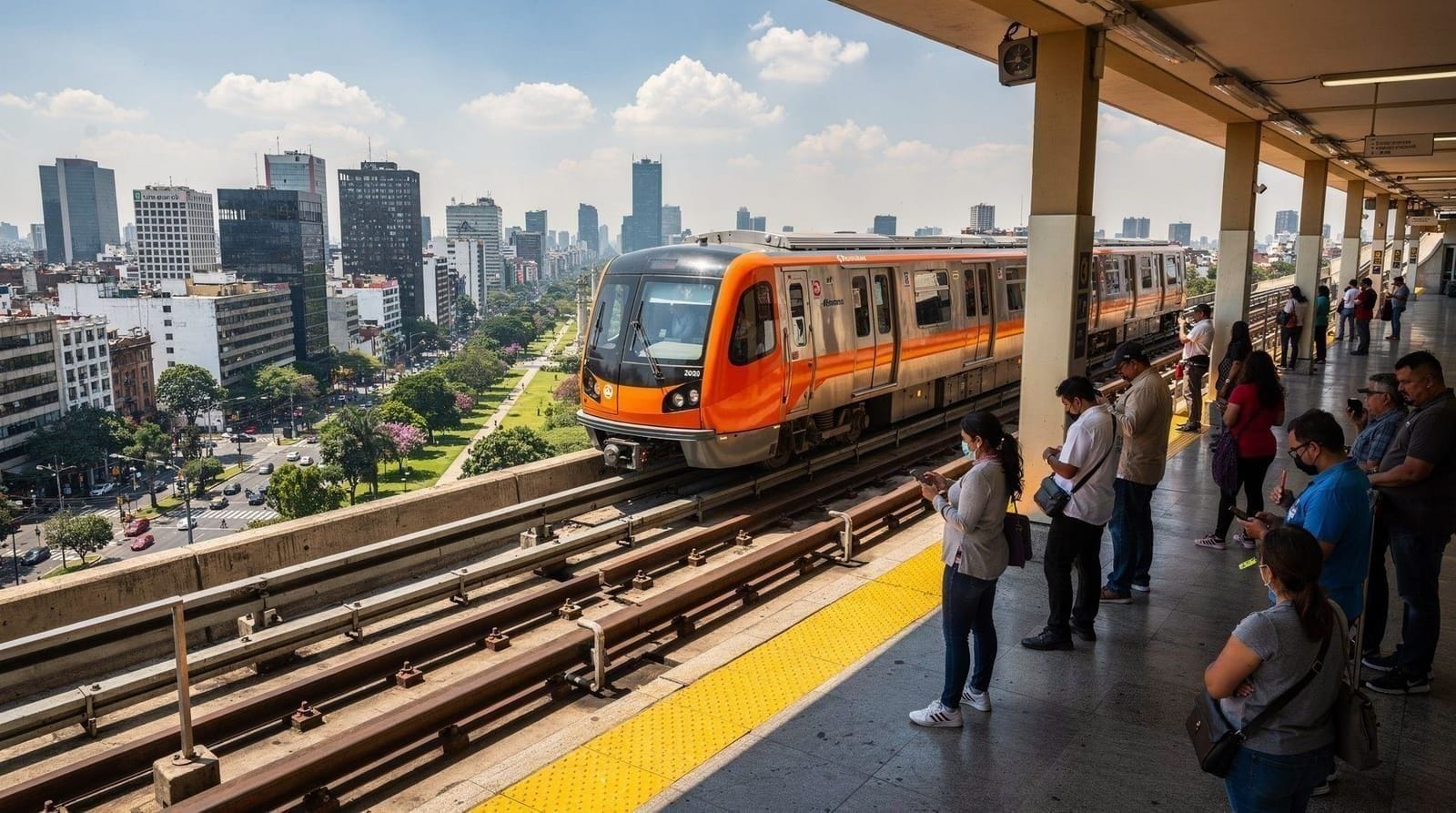
Take metro Line 1 (pink) to Chapultepec station (5 MXN) or Uber (80–120 MXN from Centro), into Bosque de Chapultepec.
The National Museum of Anthropology (210 MXN) requires a prioritized visit on a tight schedule. Focus on: the Mexica (Aztec) room (ground floor, first room on the right after the entry fountain), the Maya room, and the ground-floor garden with the Palenque reconstruction. Two hours of focused visiting covers the highlights. Three hours is better.
The Chapultepec Castle and Anthropology Museum combined tour covers both sites with a guide in roughly 4 hours — useful for visitors who want interpretation rather than reading every display card independently.
Chapultepec Castle (210 MXN): the view from the terrace alone is worth the entry. Allow 45–60 minutes. If time is critically short, skip the castle interior and focus on the terrace viewpoint.
Evening
Dinner in Polanco (10-minute walk from the park’s north entrance or a short Uber). The taquería on Presidente Masaryk near the corner with Horacio has excellent tacos al pastor and de canasta at 30–45 MXN each. For a sit-down meal, Quintonil (Newton 55) is one of the best restaurants in Mexico City but requires a reservation.
Day 2: Coyoacán, Frida Kahlo Museum, and Roma
Morning — Coyoacán
Metro Line 3 (blue/green, toward Universidad) to Coyoacán station, then a 10-minute walk to the Casa Azul. Or direct Uber from your hotel (80–150 MXN depending on starting location).
The Frida Kahlo Museum (320 MXN) — book online at museofridakahlo.org.mx at least 5–7 days ahead. Weekend sessions sell out; the Frida Kahlo Museum guide covers exactly how far ahead to book for a weekend visit specifically. If you did not pre-book, the museum is a no-go on a weekend without a reservation; substitute with the Jardín Hidalgo plaza, the Mercado de Coyoacán (tostadas and gorditas from 50–80 MXN), and El Jarocho coffee (35 MXN per cup, queue moves fast).
With a booking: allow 90 minutes in the museum. The house, studio, and garden reward unhurried attention. The Frida Kahlo Museum entry with digital guide provides audio-guided context that significantly enriches the visit, especially if you are not already deeply familiar with her biography.
Late morning — Coyoacán neighborhood
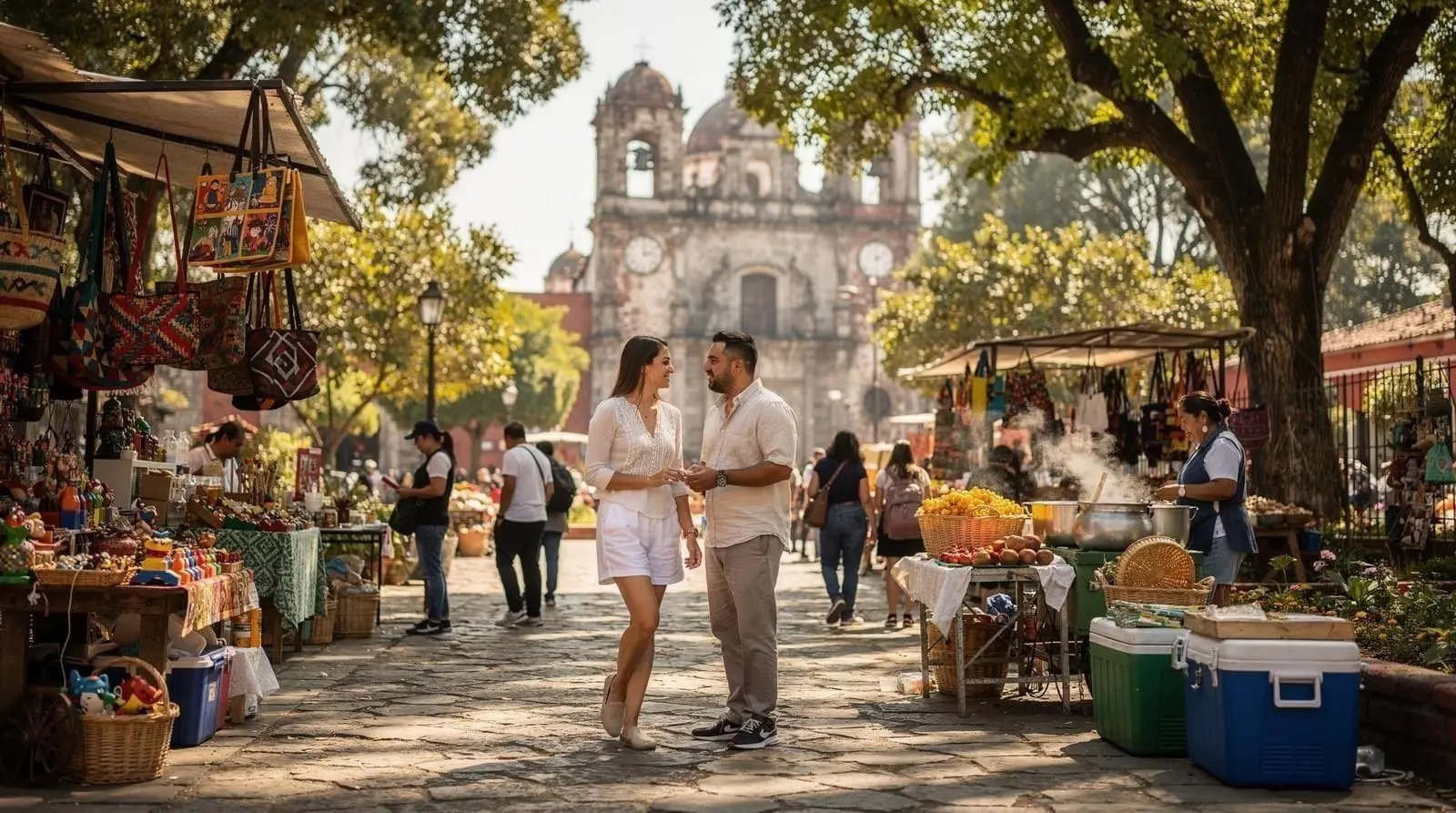
After the museum, walk east along Londres to the Jardín Hidalgo and Jardín Centenario. The twin plazas with their Sunday artisan markets are one of the most pleasant public spaces in the city. Breakfast or brunch at a café facing the square: 120–200 MXN for a full set breakfast.
The Coyoacán walking guide covers a 90-minute self-guided route through the most interesting streets.
Afternoon — Roma Norte
Take the metro back north (Line 3 to Insurgentes station) or Uber to Roma Norte (80–100 MXN).
Roma Norte is Mexico City’s most internationally celebrated neighborhood and the setting for Alfonso Cuarón’s film Roma. Spend 2 hours walking: the Art Deco apartment buildings along Ámsterdam avenue (a ring-road built over a former racetrack), Parque México at its center, the galleries and cafés of Álvaro Obregón. The Roma vs Condesa guide covers the character differences if you are trying to choose between the two neighborhoods.
Evening — final dinner
Roma has the best restaurant density per square kilometer of any district in the city. Budget options: the Mercado de Medellín (Coahuila 92) has comida corrida from 80–120 MXN for a complete meal. Mid-range: Expendio de Maíz (Álvaro Obregón 86) serves corn-based traditional Mexican food in a converted mechanic’s shop at 200–350 MXN per person. Splurge: Rosetta (Álvaro Obregón 97) is consistently excellent at 600–900 MXN per person for a full meal with wine.
Realistic expectations: what you will and will not see
What you will see: The historic center with the Templo Mayor and Rivera murals; the best museum in the Americas (Anthropology); and Frida Kahlo’s actual house. These three experiences justify a Mexico City trip alone.
What you will miss: Xochimilco, Teotihuacán, the food tour scene, lucha libre, the day trips to Puebla and Taxco, the artisan markets, the mezcal bar culture of Condesa, the Basílica de Guadalupe, Tepoztlán. This is the argument for coming back — and for staying longer if your schedule allows.
Transit time: Everything on this itinerary is accessible in 10–20 minutes by metro or Uber. You will not waste significant time in transport.
Street food on a weekend trip: quick reference
One of the best uses of spare 15-minute windows on a tight itinerary is eating at street level. Mexico City’s street food scene operates on a different logic from restaurant dining — the best vendors are often found on specific corners at specific times of day, and knowing a few key items removes the guesswork.
Morning (8–11 am): Tacos de canasta — “basket tacos” wrapped in cloth and sold from bicycle carts. Soft tortillas filled with beans, chicharrón, or potato. The standard for breakfast in the Centro and Roma areas. Look for the vendor with the largest queue of office workers; they know which carts have the freshest filling. Price: 15–25 MXN each.
Midday: Tlayudas (large toasted tortillas with black beans, cheese, and protein choices), quesadillas from street comals, and tacos de guisados (with braised fillings served from steam trays). The streets around the Centro and in Roma’s Mercado de Medellín are the densest concentrations of good lunchtime options. Price: 50–120 MXN per person for a satisfying lunch.
Late afternoon/evening: Elotes con crema (grilled corn with cream, cheese, and chilli powder from street carts), tacos al pastor from rotating spit stands, and churros from bakeries. The tacos al pastor stands near the metro exits on Insurgentes in Roma are reliably good from 7 pm onward.
At the Chapultepec park: The vendors inside the park gates sell cups of fresh fruit with lime and chilli (40–60 MXN), coconut water (50–70 MXN), and esquites (corn kernels with toppings, 40–50 MXN). These are all significantly cheaper than the sit-down restaurants around the park perimeter and equally good.
Spending tip: Carry 300–500 MXN in small bills (20 and 50 MXN notes) for street food on each day. Most vendors do not have change for 200–500 MXN notes. ATMs are widely available throughout the tourist areas; the Mexico City tap water and food safety guide covers what to eat safely at street level.
Best time of year for a weekend trip
November through May, the dry season, is the most reliable window for a tightly scheduled two-day visit — you cannot afford to lose half a day to rain when every hour is already allocated. The best time to visit Mexico City guide and the weather month-by-month guide cover the full-year picture if your dates are flexible; March and April add the jacaranda bloom around Roma and Condesa as a bonus.
Staying safe on a fast-paced weekend
A tight schedule means less time to notice red flags, so it is worth a five-minute read of the Mexico City common scams guide before you land — unofficial “guides” near the Templo Mayor and inflated street-taxi fares are the two most likely to catch a first-time weekend visitor off guard. The is Mexico City safe guide covers the specific neighborhoods on this itinerary in more detail.
Frequently asked questions about this itinerary
Is a weekend really enough for Mexico City?
It is enough for a meaningful highlight visit, but not enough for a thorough one. This is best treated as a first visit that will produce a list of reasons to return for longer.
Should I use the metro or Uber on a weekend trip?
Both. The metro is faster (avoids traffic) but can be crowded on weekends. Uber costs roughly the same as a taxi in most European cities (80–200 MXN) and is reliable. The getting around Mexico City guide explains the full transport options.
Is it safe to arrive late at night?
Yes, if you book arrival transport in advance. Uber from Benito Juárez airport (MEX) to Roma or Condesa costs 350–500 MXN, takes 30–50 minutes depending on traffic, and is the safest option. Do not take unmarked taxis at the airport. For business travellers extending a trip on a tight schedule, the private airport transfer removes the queueing and negotiation entirely — useful if you land late and want to start day one on time the next morning.
Which hotels work best for a two-day itinerary?
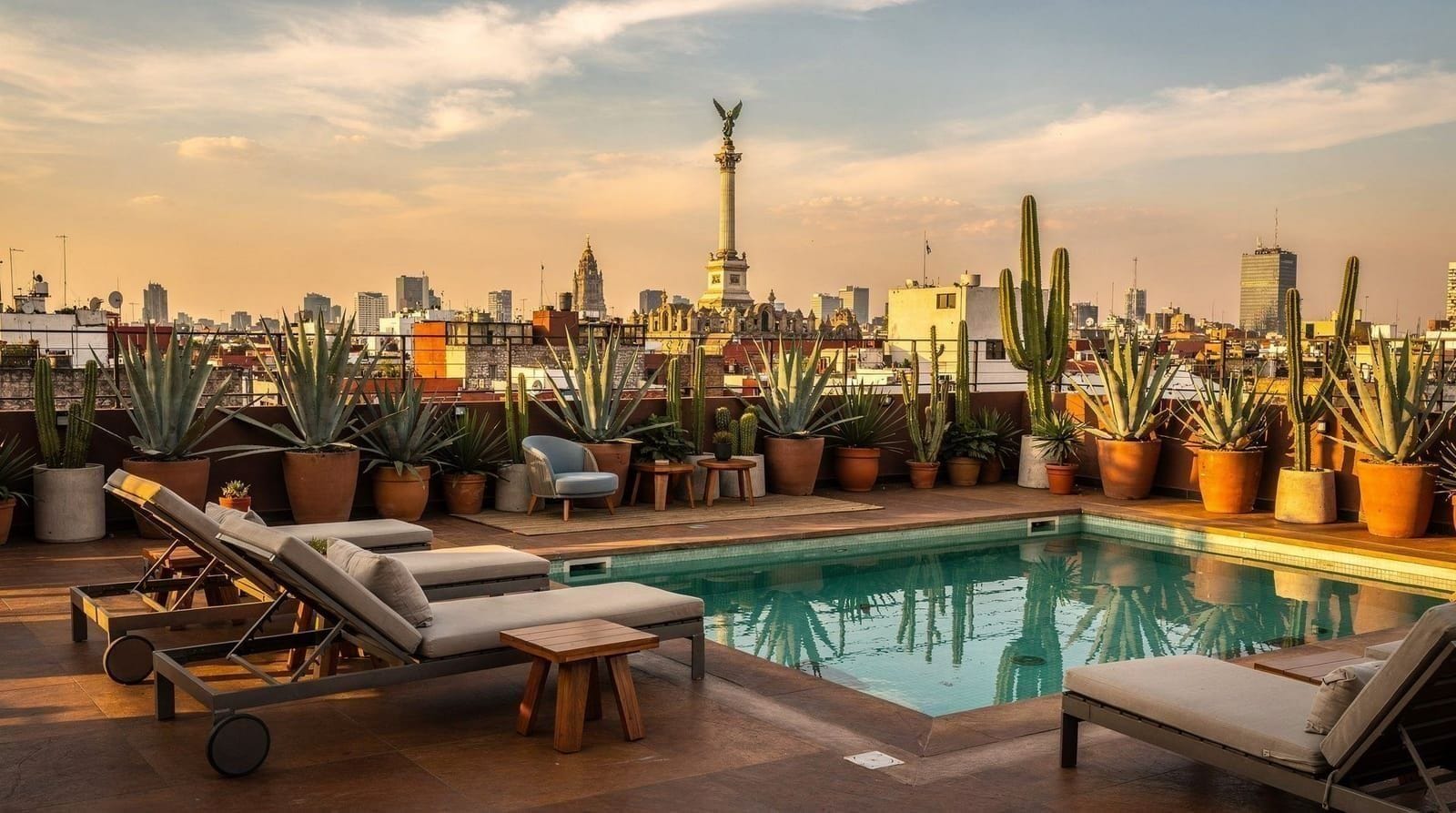
Roma Norte or Condesa for proximity to good food and safe late-evening streets. Centro Histórico hotels are cheaper and closer to day 1 sights but the neighborhood quiets after dark. See the where to stay guide.
Can I walk between the Centro and Chapultepec?
The Paseo de la Reforma connects them — it is a 4 km walk (45–55 minutes on foot). Possible and scenic, but the metro or Uber is faster for a time-constrained itinerary.
What should I budget for a two-day Mexico City weekend?
A mid-range two-day visit including accommodation runs approximately 3,815–8,315 MXN ($182–397 USD) per person. Accommodation in Roma/Condesa: 1,200–2,500 MXN per person per night in a shared double. Museum entries on this itinerary (Templo Mayor, MNA, Chapultepec Castle, Frida Kahlo): 950 MXN total. Meals: 600–1,200 MXN per day depending on the ratio of street food to restaurants. Transport (metro plus several Ubers): 300–500 MXN per day.
Should I buy a metro card or pay cash?
The Integrated Mobility Card (Tarjeta de Movilidad Integrada) loads credit usable on the metro, Metrobús, and some buses. Available at metro station ticket windows for 40 MXN (card fee) plus whatever credit you load. Each metro journey costs 5 MXN. For a two-day trip, a single card with 50 MXN credit is sufficient for metro travel. Uber and DiDi payments go through your app; keep a linked card active. The getting around Mexico City guide has the full transport breakdown.
What is the best time of year for a two-day trip?
November through May, the dry season, is the safest bet when you cannot afford to lose time to rain on an already tight schedule. See the weather month-by-month guide if your dates have any flexibility.
Top experiences
Bookable activities with verified prices and instant confirmation on GetYourGuide.