Mexico City in 7 days: city, pyramids, and multiple day trips
From Mexico City: Puebla and Cholula Day Tour with Lunch
Duration: 12 hours
A week in Mexico City: the most complete introduction possible
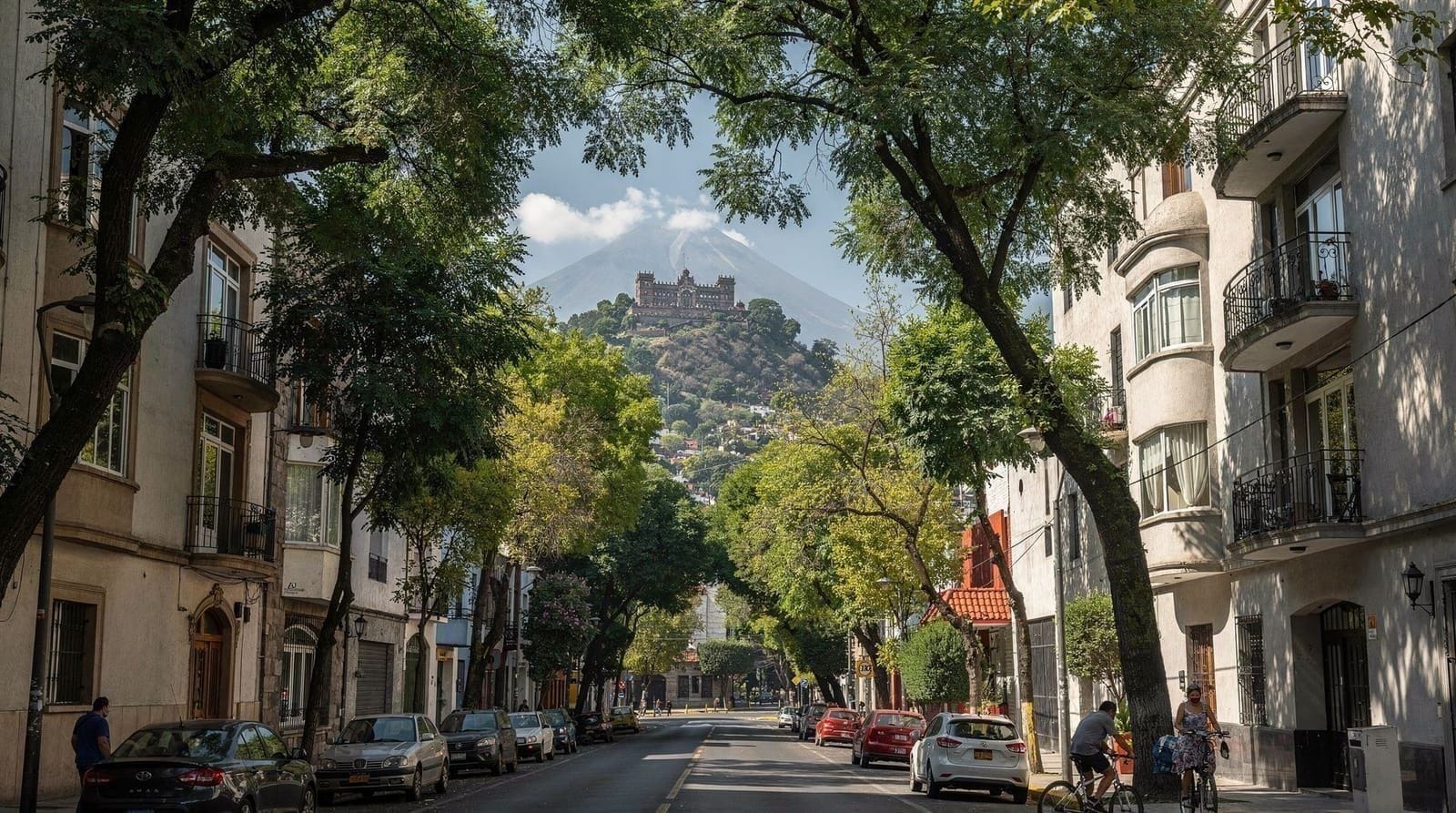
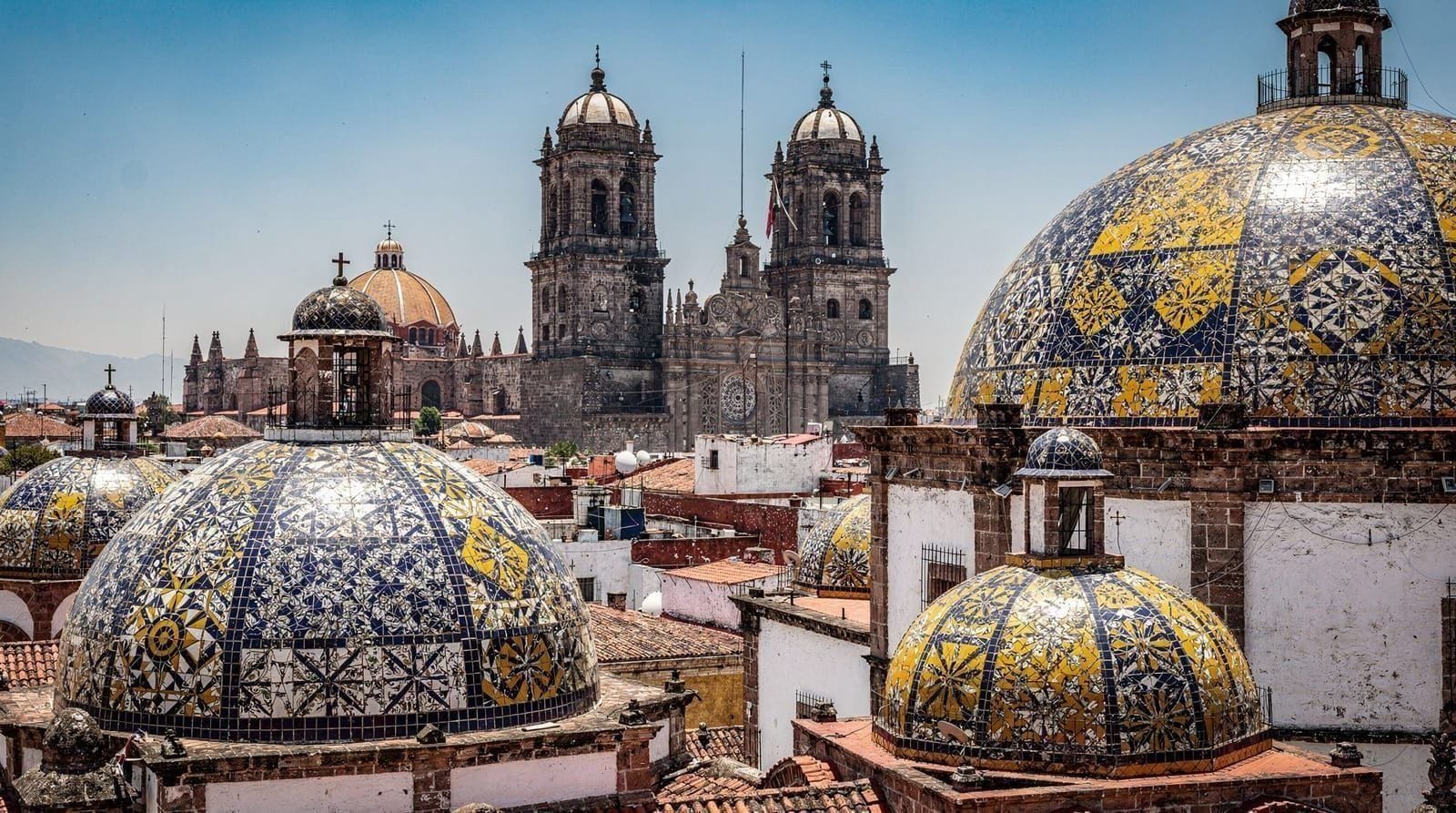
Seven days in Mexico City allows you to see the essential city neighborhoods without rushing, complete two major on-site experiences (Teotihuacán and Xochimilco), and add three day trips that each represent a genuinely different dimension of central Mexico: Puebla and Cholula for colonial architecture and food; Taxco and Cuernavaca for silver-working and Aztec ruins; Tolantongo for one of Mexico’s most spectacular natural landscapes.
This itinerary adapts the structure of the 5-day itinerary and adds a day trip day on days 6 and 7 (with one in the middle). Rest days are built into the structure — Mexico City’s altitude and density mean that two full city days in a row without a recovery morning produces diminishing returns.
| Covers | City core + Teotihuacán, Xochimilco, Puebla, Taxco or Tolantongo |
| Pace | One theme per day with built-in recovery mornings |
| Getting around | Metro + Uber in the city; guided or bus transport for day trips |
| Best time to go | November–May (dry season) |
| Less time? | The 5-day itinerary drops the three regional day trips |
The seven days at a glance
| Day | Focus | Anchor experience |
|---|---|---|
| Day 1 | Centro Histórico | Templo Mayor, Rivera murals |
| Day 2 | Chapultepec | Anthropology Museum, castle |
| Day 3 | Teotihuacán | Pyramid of the Sun |
| Day 4 | Coyoacán + San Ángel | Frida Kahlo Museum |
| Day 5 | Xochimilco + lucha libre | Trajinera canals, Arena México |
| Day 6 | Puebla and Cholula | Great Pyramid of Cholula |
| Day 7 | Taxco/Cuernavaca or Tolantongo | Silver town or hot-spring canyon |
Day 1: Centro Histórico — the foundations
Morning
The Zócalo before 9 am is worth seeing before tourist activity fills it. The Templo Mayor (80 MXN, 90 minutes including the on-site museum) is the excavated heart of Aztec Tenochtitlán — the stone that 16th-century Spanish colonizers demolished and built over, only partially recovered since 1978. The Metropolitan Cathedral (free) immediately adjacent is the largest in the Americas, built directly over Aztec sacred ground using dismantled pyramid stone.
Afternoon
Diego Rivera murals in the National Palace (free) — the staircase mural is a core part of understanding Mexican national identity. The Palacio de Bellas Artes (80 MXN for Rivera’s mural, or free for the exterior and lobby) is 15 minutes’ walk west along Madero street.
Evening
Roma Norte for dinner. Contramar (Durango 200) for seafood, or walk the Álvaro Obregón street for options ranging from 100 MXN tacos to 600 MXN sit-down restaurants.
Day 2: Chapultepec, Anthropology Museum, and Polanco
The National Museum of Anthropology (210 MXN, 3–4 hours) and Chapultepec Castle (210 MXN, 90 minutes) fill a full day inside Bosque de Chapultepec. Take metro Line 1 to Chapultepec station, or Uber from Roma (80 MXN).
Free evening: Soumaya Museum in Polanco (free entry until 6 pm), then dinner in Polanco at a mid-range taquería. The Chapultepec castle guide covers both sites with full context.
Day 3: Teotihuacán — the pyramid complex
Full day
The Teotihuacán day trip requires an early start. The Teotihuacán first-entry tour with expert guide departs around 7–8 am, reaches the site at first opening, and provides expert interpretation of the Avenue of the Dead, the Pyramid of the Sun (no climbing since 2024), and the Ciudadela’s serpent pyramid. Returns to Mexico City by 3–4 pm.
What to know: Teotihuacán is 50 km northeast at roughly the same altitude as Mexico City (2,300 m). Bring sunscreen and a hat — there is very little shade on the main avenue. Water on-site costs 40–60 MXN per bottle; buy beforehand. See Teotihuacán complete guide.
Evening
Rest and hydrate after the full outdoor day.
Day 4: Coyoacán, Frida Kahlo Museum, and San Ángel
Morning
Metro Line 3 to Coyoacán. The Frida Kahlo Museum (320 MXN, pre-book at museofridakahlo.org.mx) is the anchor — Frida’s actual home and studio, preserved as she left it. Allow 90 minutes. The Frida Kahlo Museum guide covers booking windows and what to do if the museum sells out.
Walk to the twin plazas (Jardín Hidalgo and Jardín Centenario) for coffee at El Jarocho (35 MXN) and food at the Mercado de Coyoacán — one of the best casual food markets in the city.
Afternoon
Uber to San Ángel (80 MXN, 20 minutes). The cobblestone colonial streets, the Bazar del Sábado if visiting on Saturday, and the Museo Casa Estudio Diego Rivera y Frida Kahlo (50 MXN) are the main draws. Coyoacán walking guide covers the full neighborhood with route recommendations.
Evening
Xochimilco is 20 minutes by Uber from Coyoacán (100–150 MXN). If you want to combine the two, a late afternoon trajinera ride followed by dinner in Roma works well — but it makes for a long day. The trajinera experience is covered in full on day 5.
Day 5: Xochimilco, food tour, and lucha libre
Morning/Afternoon — Xochimilco
Xochimilco is best mid-morning to early afternoon. Take an Uber from Roma/Condesa (150–200 MXN, 30–40 minutes) to the Embarcadero Nuevo Nativitas — the largest and most organized embarcadero, with official price boards.
Trajinera boat rental: 400–600 MXN per hour for the boat (negotiate for 2+ hours). Food and drinks are sold by vendors on smaller boats who pull alongside your trajinera — chicharrón, elotes, fresh cut fruit. Budget 200–300 MXN for food on the water.
The Xochimilco trajinera party with snacks, drinks and music bundles the boat, refreshments, and musicians for a fixed price and is recommended for smaller groups (under 4 people) where per-person boat costs otherwise get expensive.
The Xochimilco trajinera guide covers which embarcadero to use and how to avoid the overpriced tourist-facing operators.
Evening — lucha libre
Arena México (metro Salto del Agua, Lines 1 and 3). Tuesday, Friday, and Saturday fight nights — tickets from 120 MXN (upper tier) to 800 MXN (ringside). The lucha libre guide has current schedule and booking information.
Day 6: Puebla and Cholula
Full day
Puebla, 130 km southeast, is Mexico’s fourth-largest city — a UNESCO World Heritage colonial city known for its tiled buildings, its mole poblano, its Talavera ceramics, and the adjacent Cholula pyramid (the largest base-area pyramid in the world, with a Spanish church built on top).
The Puebla and Cholula day trip with lunch covers the key sites: the Cholula pyramid complex, the Cholula church-on-pyramid (Iglesia de Nuestra Señora de los Remedios), Puebla’s historic center, and includes lunch. Return to Mexico City typically by 7–8 pm.
Alternatively: Puebla is an easy independent trip by first-class bus from TAPO (Terminal de Autobuses de Pasajeros de Oriente, metro Candelaria) — ADO buses run frequently (about 2 hours, 220–280 MXN each way). The tradeoff versus a tour is flexibility (you can spend more time where you want) but no guide interpretation at Cholula.
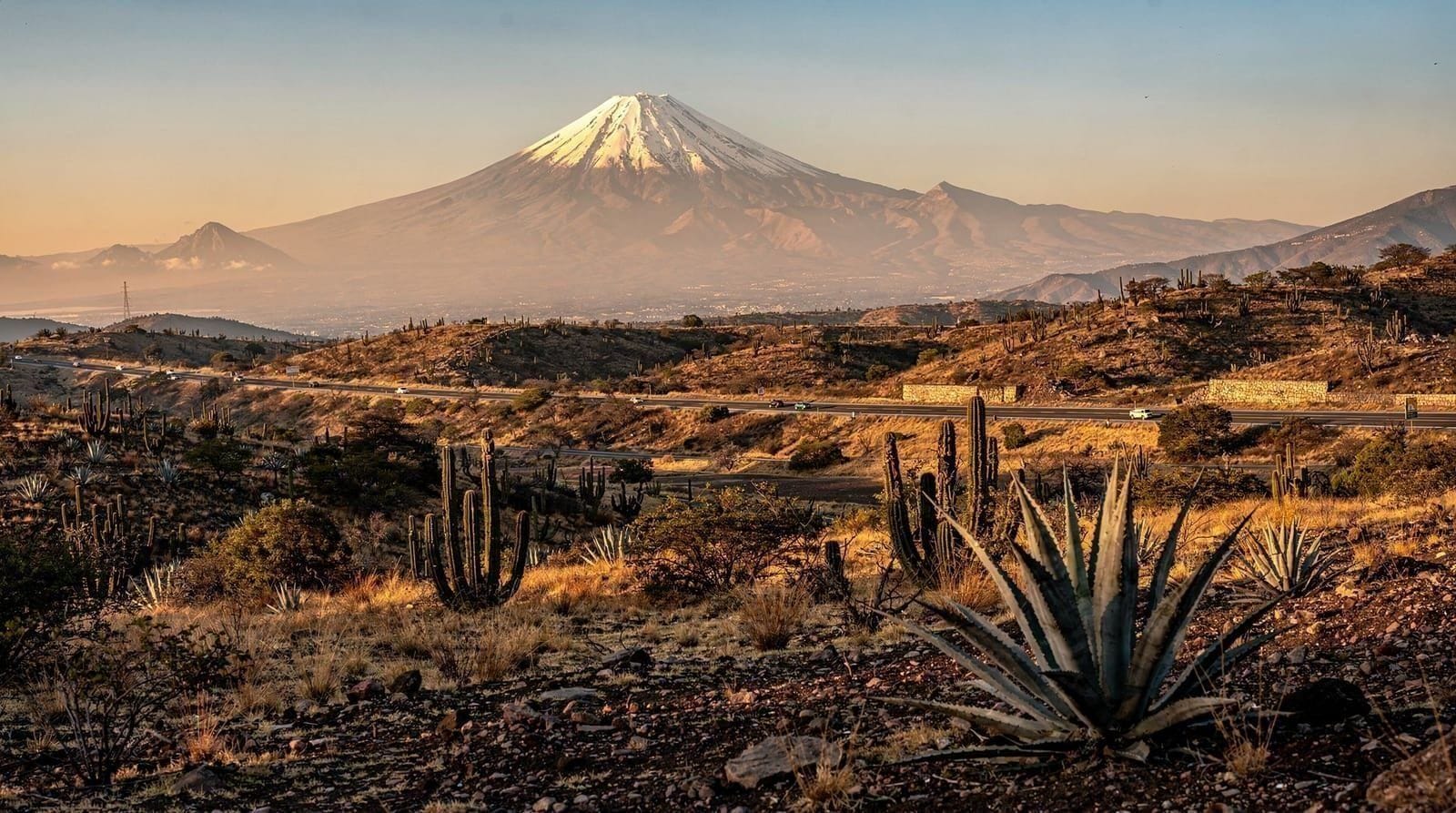
Cholula is remarkable: The Great Pyramid of Cholula is buried under a natural-looking hill, with 8 km of excavated tunnels through its interior. The Spanish church on top is a visual statement of colonial dominance over Aztec worship. Walking up to the church, then turning around to see the 55 km-distant Popocatépetl volcano beyond, is one of the better views in central Mexico. The Puebla-Cholula day trip guide has full logistical detail.
Day 7: Taxco and Cuernavaca — or Tolantongo
You have two excellent options for the final day. Choose based on your preference.
Option A: Taxco and Cuernavaca
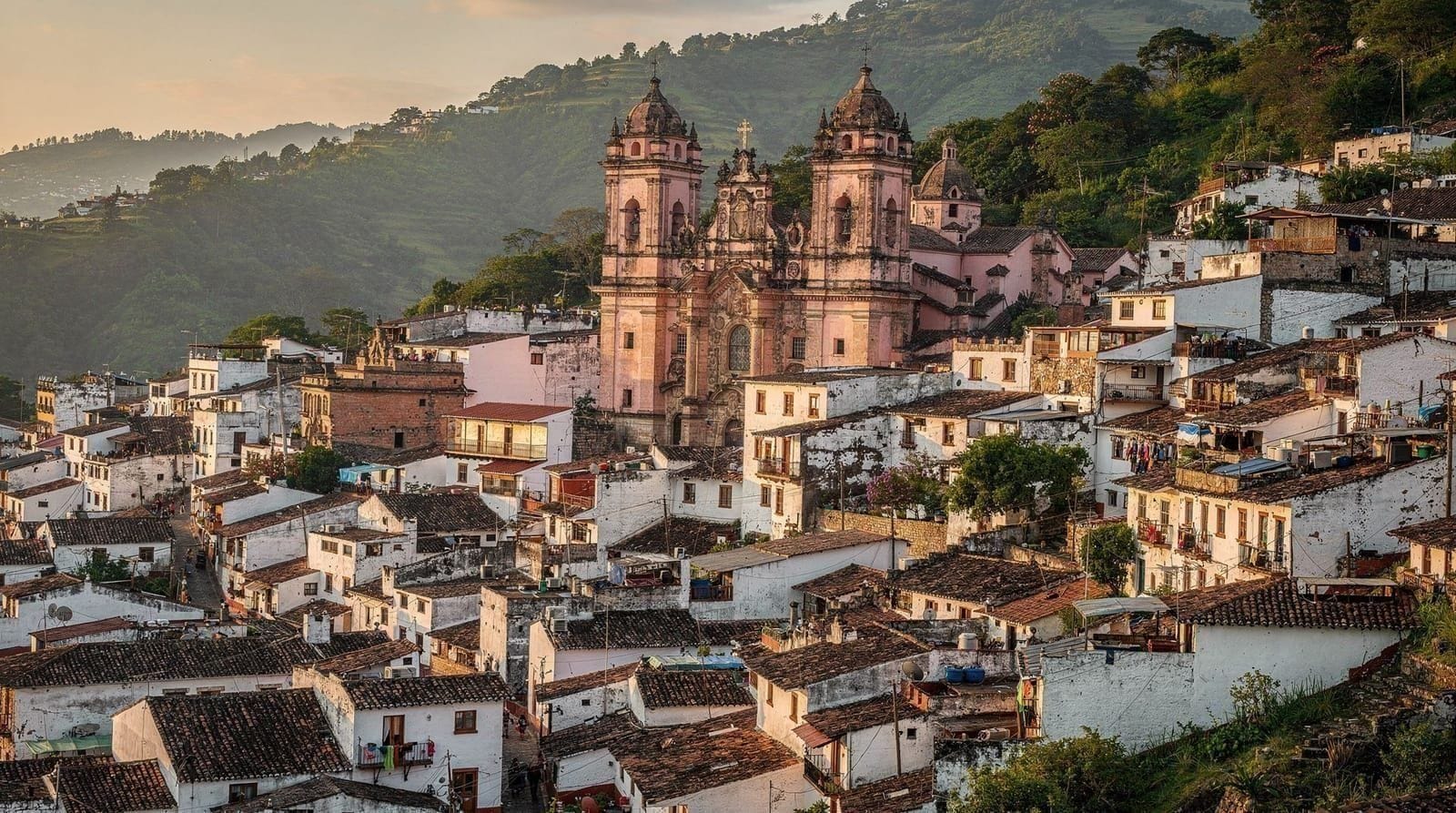
Taxco, 175 km south, is Mexico’s silver capital — a near-perfectly preserved colonial mountain town of white-and-terracotta buildings cascading down steep hills. Cuernavaca, the “City of Eternal Spring,” is an hour closer to Mexico City and warmer due to its lower altitude (1,500 m).
The 10-hour Cuernavaca and Taxco tour covers both towns in a single day from Mexico City, including the Borda Garden in Cuernavaca and the silver market and Church of Santa Prisca in Taxco. Full-day format. Return by 8–9 pm. See the Taxco day trip guide.
Option B: Tolantongo hot springs
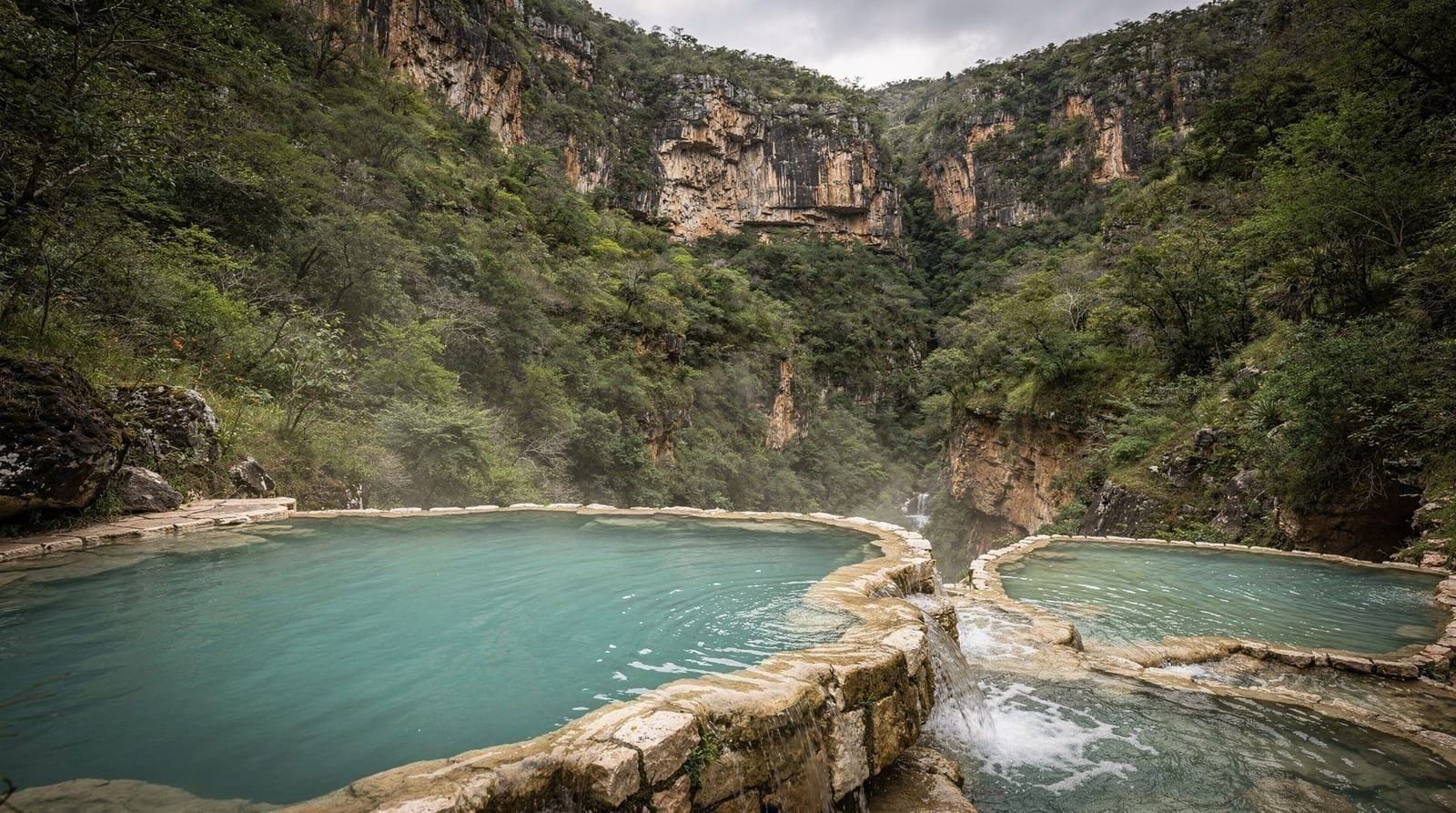
Tolantongo, 190 km north in the state of Hidalgo, is a stunning canyon system of hot-spring waterfalls, natural pools carved into the canyon walls, and a river cave. Less known internationally but extremely popular among Mexico City residents for weekend escapes.
The logistics are demanding independently (3+ hours each way by bus), making the Tolantongo caves small-group tour by far the most practical format for a day trip — pickup from Mexico City, comfortable transport, and full canyon access. The tour runs approximately 14 hours door to door. It is physically demanding (steep paths, cold-to-warm water transitions) but extraordinary if you are comfortable with it. See the Tolantongo guide.
Practical notes for seven days
Day trip ordering: Days 6 and 7 are deliberately kept flexible — swap Puebla and Taxco/Tolantongo based on preference. Puebla requires less physical exertion and is easier on a tired body. Tolantongo is the most physically demanding day on this itinerary.
Rest: On a seven-day schedule, a slow morning every other day is sustainable. This itinerary builds in natural rest by alternating outdoor and indoor days.
Best time for this itinerary: November through May (dry season) is optimal. The best time to visit Mexico City guide and the weather month-by-month guide cover the seasonal differences in detail.
Getting the logistics right over a full week
Seven days means more moving parts than a shorter trip, and a few practical habits pay off. Keep your Integrated Mobility Card topped up for metro journeys and rely on Uber/DiDi rather than street-hailed taxis for everything else — see the getting around Mexico City guide for the full transport picture.
Base yourself in one neighborhood for the whole week rather than switching hotels; Roma Norte or Condesa keep you within a short Uber of every day on this itinerary, and the where to stay guide has the full comparison if you have not booked yet. Finally, read the Mexico City common scams guide and the is Mexico City safe guide before you go — a week-long trip means more exposure to the handful of recurring tourist-targeted scams, and they are all easy to avoid once you know what to look for.
Budget reference (7 days, mid-range, per person)
| Category | MXN | USD approx. |
|---|---|---|
| Accommodation (6 nights) | 7,200–15,000 | $345–720 |
| Museum entries | 630 | $33 |
| Teotihuacán tour | 800–1,400 | $38–67 |
| Puebla tour | 1,200–1,800 | $58–86 |
| Taxco/Cuernavaca or Tolantongo tour | 1,000–1,600 | $48–77 |
| Xochimilco + Frida + lucha | 1,150–1,650 | $55–79 |
| Meals (7 days) | 4,200–7,000 | $201–336 |
| Transport (metro + Uber) | 1,000–1,800 | $48–86 |
Seven days mid-range: approximately 17,180–29,880 MXN ($820–1,430 USD) per person excluding international flights.
Frequently asked questions about this itinerary
Can I do Taxco and Tolantongo on the same trip?
Yes — they are both on this itinerary. Choosing one for day 7 is about energy levels: Tolantongo is physically demanding; Taxco/Cuernavaca is easier. If you are fit and interested in natural landscapes, Tolantongo is the better choice for a week itinerary since you can see silver-market towns elsewhere in Mexico.
Is Puebla worth a full day from Mexico City?
Absolutely. Puebla is a genuinely distinct city with its own food culture (chile en nogada, cemitas, mole poblano), exceptional colonial architecture, and the extraordinary Cholula pyramid. One day is not enough to see it properly but covers the highlights.
Are the day trips doable without a tour?
Teotihuacán (bus from Terminal Norte) and Puebla (ADO bus from TAPO) are easily doable independently. Taxco (from Central del Sur bus station) requires more planning. Tolantongo by public transport is a full day of bus changes and is not recommended unless you have specific experience with Mexican regional buses.
What about the Basílica de Guadalupe?
The Basílica de Guadalupe is Mexico’s most-visited pilgrimage site (more than 20 million visitors annually) and is 15 minutes by metro from the Zócalo. It is not on this 7-day itinerary because space is limited, but it can replace the afternoon portion of Day 1 if religious architecture is a priority. See the best day trips guide.
Is a week too long for Mexico City?
No — with the day trips included, seven days is well used. If you find yourself with a genuinely free afternoon, the Diego Rivera murals guide covers other Rivera works around the city beyond the National Palace staircase, and Roma/Condesa reward slow, unplanned walking more than any single attraction.
Top experiences
Bookable activities with verified prices and instant confirmation on GetYourGuide.