Mexico City first-timer mistakes: altitude, tap water, taxis, and over-packing your days
Most first-timer Mexico City mistakes are not catastrophic. They are the kind of things that cost you a day of feeling rough, a surcharge on a taxi, or a missed booking you cannot get back. These are the specific errors I see repeated across trip reports and that are entirely avoidable with ten minutes of preparation.
| Where this applies | Anywhere in CDMX, but especially day one |
| Cost of getting it wrong | Free (bad water/taxi choices) to a missed non-refundable booking |
| Time needed to prevent it | About 10 minutes of prep before you land |
| Fix | Follow the ten rules below in order of how commonly they’re broken |
| Best time to read this | Before you book, not after you land |
Which mistakes cost the most
Not all ten mistakes carry equal weight. This ranks them by how much they actually cost you in money, time, or a ruined day:
| Mistake | Typical cost | Recoverable? |
|---|---|---|
| Missing the Frida Kahlo Museum booking | A missed sight entirely | No — no same-day tickets |
| Taking unmarked street taxis | 200–500 MXN overcharge, rare safety risk | Partially — stop doing it |
| Over-packing the itinerary | A rushed, exhausting day | Yes — replan remaining days |
| Underestimating altitude | A rough day one | Yes — rest and hydrate |
| Drinking tap water | Days of stomach illness | Yes but unpleasant |
| Not factoring in traffic | Missed reservations, late arrivals | Yes — build in buffer |
If you are still deciding when to go, the best time to visit guide and the month-by-month weather guide help you avoid the mistake that comes before all the others: arriving without knowing what the season means for crowds, rain and bookings. For a wider view of the city’s pitfalls, the tourist traps guide and the is Mexico City safe guide are good companions to this list.
Mistake 1: underestimating the altitude
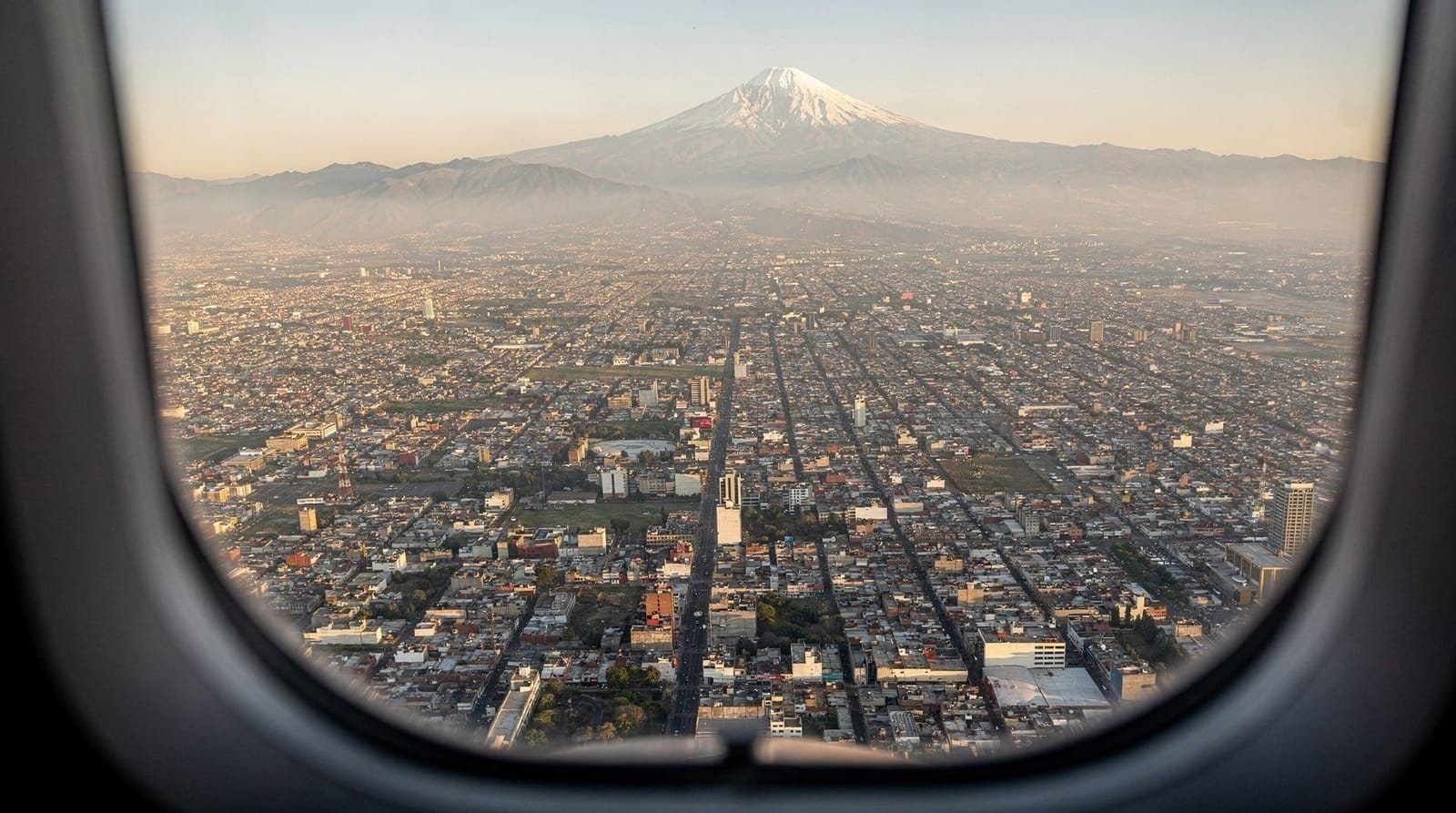
Mexico City sits at 2,240 m (7,350 ft) above sea level. This is higher than most Alpine ski resorts. The majority of visitors from sea-level cities — New York, London, Amsterdam, São Paulo — will notice some effect on day one. The typical experience: a mild headache and unusual breathlessness when climbing stairs, sometimes disrupted sleep on the first night. Some people feel nothing; others spend most of day one lying down.
What this means in practice:
- Do not schedule your most physically demanding activity (Teotihuacán, Chapultepec Castle climb, long walking tours) on your first day.
- Drink significantly more water than usual — 3+ litres on day one is not excessive at altitude.
- Ease up on alcohol for the first evening. Alcohol hits harder at altitude and the hangover is proportionally worse.
- Severe altitude sickness (AMS) is uncommon at 2,240 m but possible in very susceptible individuals. Symptoms: persistent vomiting, inability to walk straight, confusion. If this happens, descend and seek medical attention.
The altitude guide covers acclimatisation in detail including medication options if you are very sensitive.
A gentle first day works best in a walkable, green neighbourhood. Roma and Condesa are ideal for this: flat streets, plenty of cafés to sit down in, and nothing you have to rush to. Save the bigger outings, such as the Anthropology Museum or a trip to Teotihuacán, for once your body has settled.
Mistake 2: drinking tap water
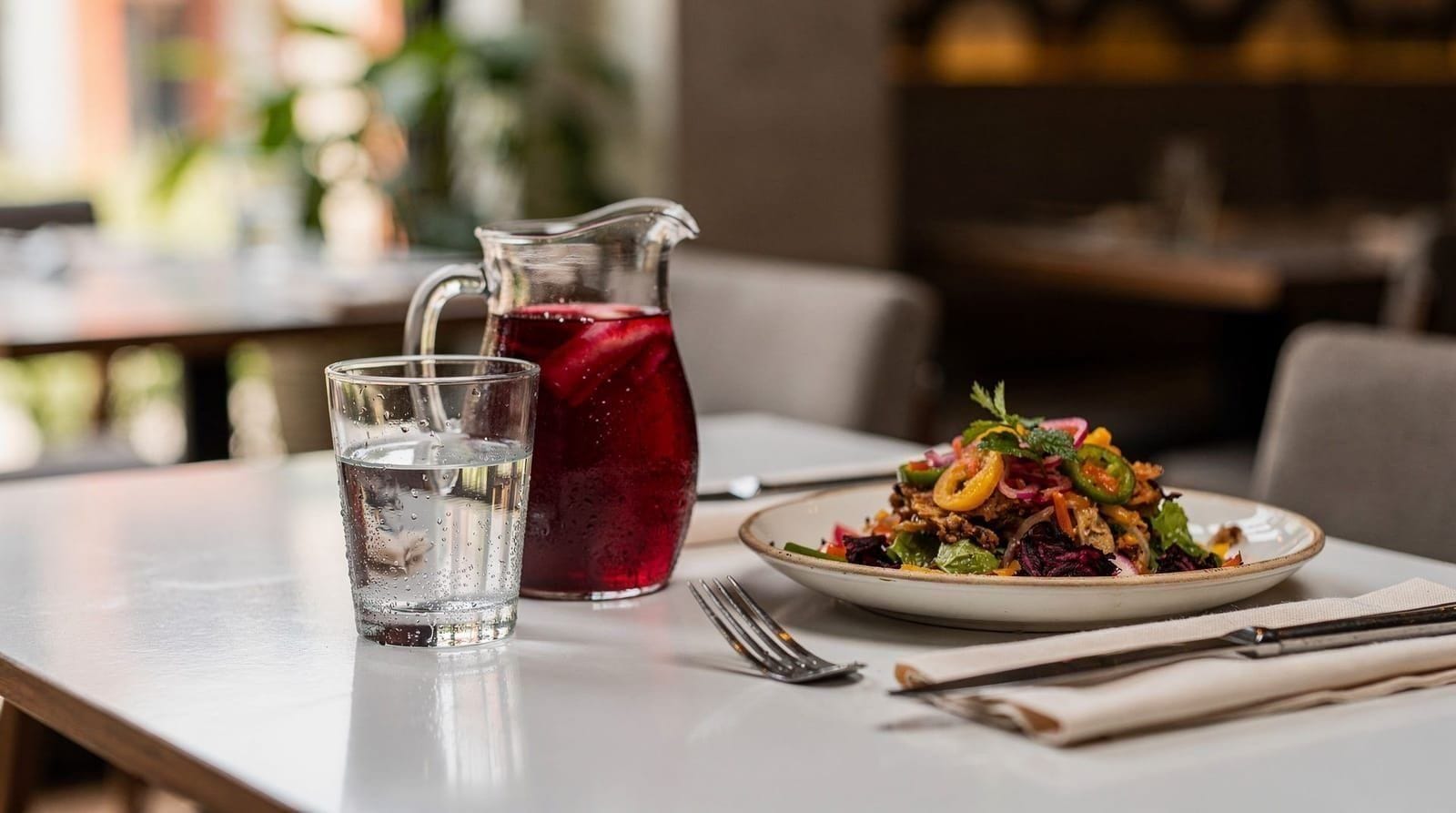
This is perhaps the most repeated piece of advice about Mexico City and still catches people out. The tap water in CDMX is not safe to drink. It is treated but the ageing pipe system allows recontamination. The result of drinking it, if you are unlucky: traveller’s diarrhoea (Montezuma’s Revenge), which can range from inconvenient to genuinely trip-ruining.
The rules:
- Drink only purified water (agua purificada). OXXO convenience stores sell 600 ml bottles for 10–15 MXN. Larger 5L jugs cost 20–30 MXN and are sold everywhere.
- Ice in drinks: at tourist restaurants in Roma, Condesa and Polanco, the ice is typically made from purified water. At street stands, ask “¿el hielo es purificado?” or skip ice in the first few days.
- Brushing teeth with tap water is generally fine — most residents do this without issue. Swallowing it is the problem.
- Salads washed in tap water: the risk at market stalls is slightly higher than at established restaurants. If your stomach is sensitive, avoid raw vegetables from street stands in the first couple of days.
The tap water and food safety guide has a complete breakdown of what is and is not safe. The same habit carries over to cooking classes, market snacks and food tours: if you are unsure about the water, ask. The food tours guide and the cooking class guide both suit travellers who want to eat well while staying careful.
Mistake 3: taking unmarked taxis from the street
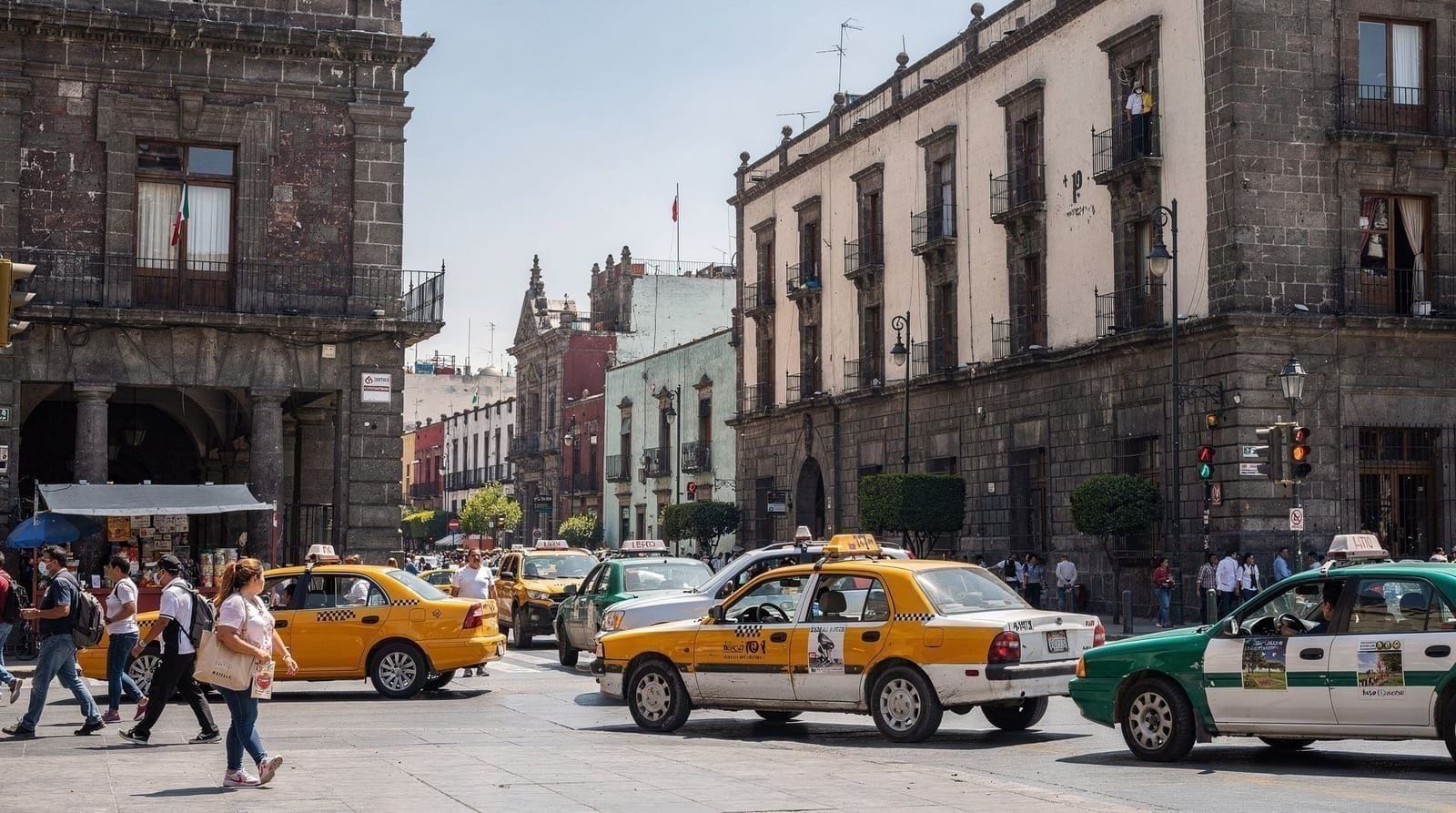
This is the one that costs money and occasionally puts people in genuinely dangerous situations. Never take an unmarked taxi hailed from the street in Mexico City. The specific risks: fare gouging, credit card skimming using a portable terminal, and in rare but documented cases, express kidnapping (forced ATM withdrawals).
What to do instead:
- Use Uber or DiDi for all journeys. Both apps work flawlessly in CDMX, rates are transparent, and the trip is tracked.
- If you must use a conventional taxi: book through a registered sitio (taxi stand) — your hotel can call one, or you can book at an airport-authorised stand inside the terminal.
- Authorised taxis at the airport are booked and paid in advance at the booth inside the terminal. Do not accept rides from anyone who approaches you in the arrivals hall.
The fare difference between a scam taxi and Uber is often 200–500 MXN on the same route. The safety difference is more significant than the financial one.
For more on this and other transport scams, see the common scams guide. If you are arriving by air, read the airport to city centre guide before you land so the first ride of the trip is already planned. The wider getting around guide covers the rest.
Mistake 4: over-packing your itinerary
Mexico City is enormous — 22 million people in the metro area, 12 lines of Metro, dozens of distinct neighbourhoods. First-timers consistently underestimate travel time, site depth, and the simple pleasure of sitting somewhere without a schedule.
The common pattern: a day one itinerary with six to eight things, each requiring transport between them. The reality: the Anthropology Museum alone takes 3–4 hours done properly. Teotihuacán is a full-day commitment (2 hours each way plus 2–3 hours at the site). Coyoacán is 30–45 minutes from Roma by Uber without traffic, double that with it.
Practical pacing:
- Plan two or three substantial things per day, not six.
- Build in one hour of “nothing” per afternoon — a park, a café, watching the street. This is not wasted time; it is how you actually experience the city.
- Allow for getting lost. CDMX streets are mostly grid-based but the old colonial sections are not. Google Maps works; getting confused for 20 minutes is normal.
The 3-day itinerary and 4-day itinerary are built around realistic pacing rather than maximum coverage. Short on time? The weekend itinerary shows how to keep a small trip focused, and the how many days guide helps you decide how long the city really deserves. For a worked example of a compact schedule, see 24 hours in Mexico City.
Pairing neighbourhoods also saves time. Coyoacán and San Ángel sit well together, as do Chapultepec and Polanco, and the Centro Histórico rewards a slow, unhurried visit rather than a checklist.
Mistake 5: not booking the Frida Kahlo Museum in advance
The Museo Frida Kahlo (Casa Azul) in Coyoacán is one of the most popular museums in Latin America. Timed-entry tickets sell out days to weeks in advance, especially on weekends and during holidays (Day of the Dead, Semana Santa, summer). There is no standby queue for same-day entry.
Book via the official museum website (museofridakahlo.org.mx) or through a guided tour that includes entry. Do not rely on arriving and buying a ticket on the door.
Coyoacán self-guided tour with Frida Kahlo Museum ticketsThe Frida Kahlo Museum guide explains how the visit works and what to combine it with nearby, and the Coyoacán walking guide fills out the rest of the day.
The same applies to: the Templo Mayor on peak weekends (though less severely), the Palacio de Bellas Artes for special exhibitions, and any organised experience during Día de Muertos week.
Mistake 6: carrying too much cash or too little
Mexico City works primarily on cash for street vendors, markets, tacos, and small restaurants. Cards are accepted at mid-range and upscale restaurants in tourist neighbourhoods and at hotel chains.
The balance:
- Keep 500–1,000 MXN (about $25–50 USD) in cash on you at all times.
- Do not walk with your full trip cash — leave most in the hotel safe.
- ATM fees from foreign bank cards: typically 50–80 MXN per withdrawal. Use Santander, HSBC or Banamex ATMs inside bank branches during banking hours; avoid standalone ATMs on the street.
- Dynamic currency conversion (DCC): when a card terminal asks “would you like to pay in your home currency?” always say no — the exchange rate offered is typically 5–10% worse than your bank’s rate.
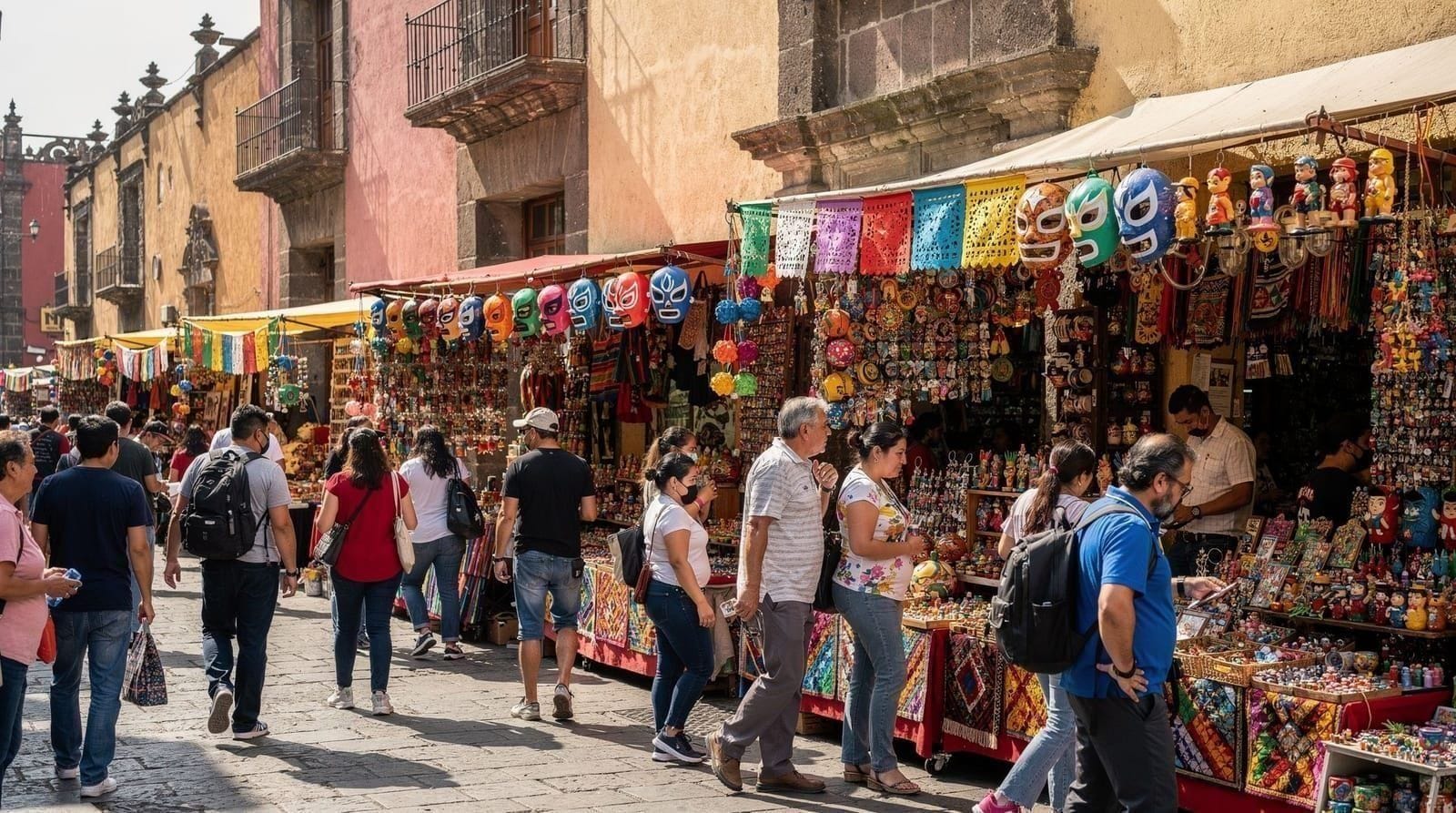
Markets are where cash matters most; the markets guide shows what to expect at each one.
Mistake 7: treating the Metro as unsafe or confusing
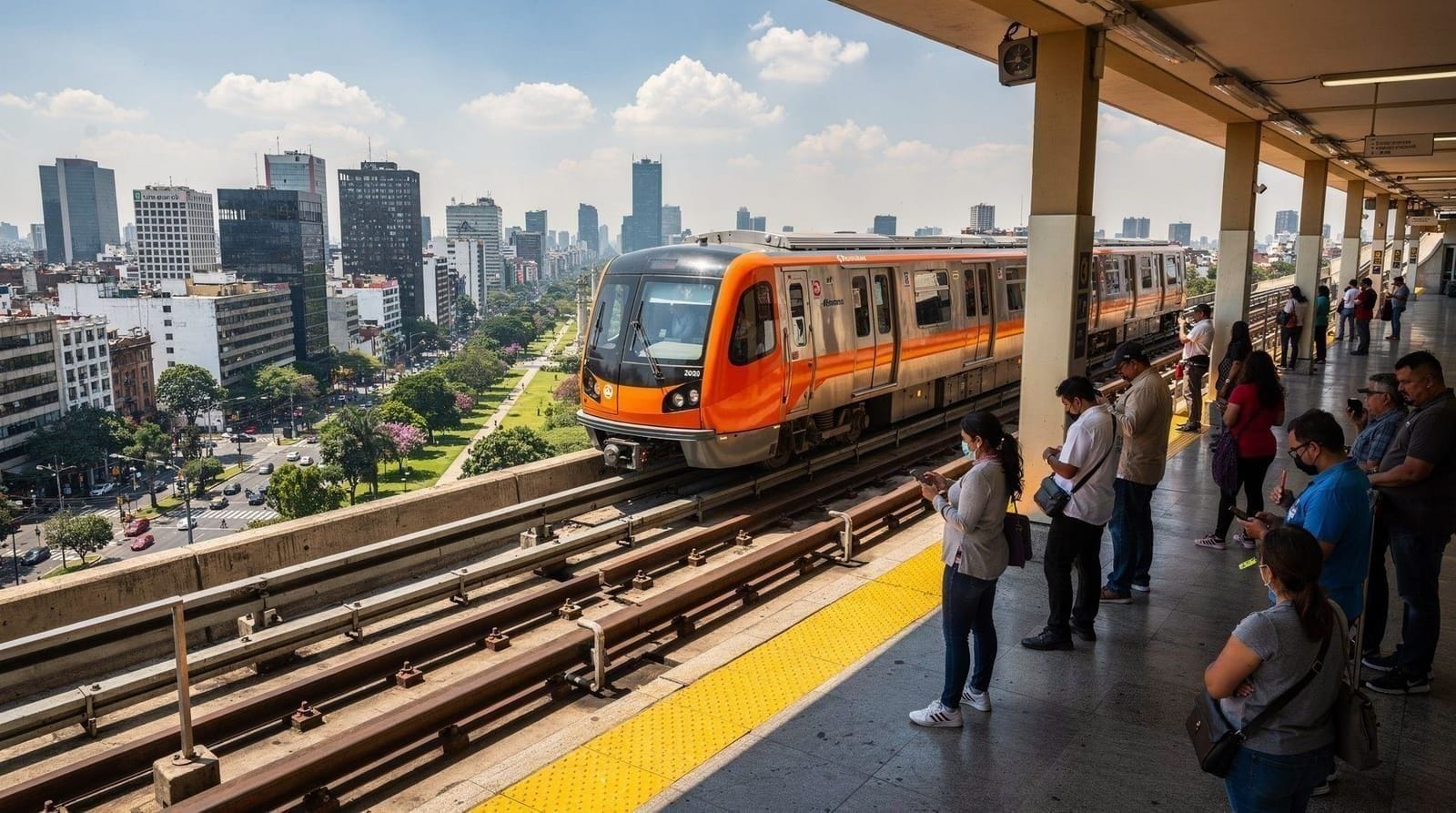
The CDMX Metro is one of the cheapest, most extensive urban rail networks in the Americas at 7 MXN per ride (about $0.35 USD). First-timers often avoid it due to safety concerns or unfamiliarity and pay 10–20x more for Uber journeys they didn’t need.
The Metro is safe during daylight hours and up to around 10 pm on most lines. Standard precautions apply: keep your bag in front of you in crowded cars, phone in pocket. The women’s-only section (first car, clearly marked in pink) is available at all times.
The system uses icons (not just letters) at each station — easy to navigate even without Spanish. Integrated Mobility Cards (Tarjeta de Movilidad Integrada) work on Metro, Metrobús, and Tren Ligero. The getting around guide has line-by-line detail.
Mistake 8: missing the street food because it looks unsafe
The most common source of stomach issues in CDMX is not street food — it is tap water and raw vegetables washed in tap water. A taco al pastor at a busy street stand with high turnover is generally safe and is also some of the best food in the city. A salad at a restaurant that washed the lettuce in tap water is a greater risk.
The practical rule: eat at stands with a queue of local customers, a visible fire/griddle, and high turnover. Meat cooked to order in front of you is safer than pre-made food sitting in a container. The street food guide has more specific guidance on what to try and where.
If you would rather not judge stands on your own during your first days, a guided street food tour of local markets lets a local pick the busy, trustworthy places for you.
Mistake 9: scheduling Teotihuacán on a weekend
The Teotihuacán pyramids are one of the most-visited archaeological sites in the Americas. On weekday mornings (Tuesday–Friday, arriving by 8–9 am), the site is manageable — you can walk the Avenue of the Dead with space around you. On Saturday and Sunday from 10 am onward, it can be extremely crowded, hot, and difficult to appreciate.
Go on a weekday if your schedule allows. Go early regardless. The site opens at 8 am; tours that offer early access entry (before general opening) are worth the premium specifically for this reason.
The complete Teotihuacán guide, the guide on how to get to Teotihuacán and the comparison of early access versus a balloon flight cover the practical choices. If you want other excursions, the day trips guide lists the alternatives.
Remember: the pyramids cannot be climbed since 2024. Some operators’ marketing photos still show people at the summit. This is no longer allowed — the structures are protected from climbing to preserve them.
Mistake 10: not factoring in traffic
Mexico City traffic is genuinely bad. Not bad like Paris or London — bad like 45 minutes for a 5 km journey at 6 pm on a Tuesday bad. Uber estimates are often wildly optimistic during rush hours (8–10 am, 2–4 pm, 6–9 pm).
Practical adjustments:
- Use the Metro for journeys during rush hour
- Give yourself 30% more transit time than apps estimate during peak hours
- Schedule dinner reservations at 8–9 pm rather than 7 pm to avoid arriving late from an afternoon activity across town
- Airport to hotel: evening arrivals (6–9 pm) can take 60–90 minutes by road. The Metrobús L4 or Metro L5 from Terminal 1 takes roughly the same time and costs 30 MXN
The airport to city centre guide has current options and honest timings.
The one habit that prevents most of these
If there is a single practice that heads off half the mistakes on this list, it is booking key things the moment you book flights rather than closer to the trip: the Frida Kahlo Museum, any Teotihuacán early-access tour, and your accommodation in Roma or Condesa rather than near the airport. Everything else on this list is a habit you build on arrival day — drink more water than feels necessary, use apps for every ride, and resist scheduling more than two or three substantial things per day. The 3-day itinerary and where to stay guide are the two references worth reading before you land. If you cannot decide between the two favourite bases, Roma vs Condesa settles it, and the first-timer trip report shows how a real three-day visit played out.
Frequently asked questions about first-timer mistakes
Should I take malaria medication for Mexico City?
No. CDMX is at high altitude where mosquitoes are rare; there is no malaria risk in the city. Check your doctor’s advice for rural areas outside the city if you are travelling beyond CDMX.
Is street food safe for people with weak stomachs?
With the tap water rule followed, street food from busy, high-turnover stands is generally safe. If you have a genuinely sensitive stomach, ease in with cooked foods (tacos, soup) before trying raw preparations like ceviche.
Can I use my credit card everywhere?
No. Keep 500–1,000 MXN cash at all times. Many taquerías, market stalls, and local restaurants are cash only.
Is it worth getting a local SIM card?
Yes. A Telcel or AT&T Mexico SIM with data (50 GB for 30 days costs about 450 MXN) is much cheaper than international roaming. Buy at the airport arrivals hall or at an OXXO. You need your passport to register.
What is the single mistake that ruins the most trips?
Missing the Frida Kahlo Museum booking. Unlike most items on this list, there is no recovery once you’re in Mexico City — there is no same-day ticket window, and showing up without a reservation means simply not seeing it.