Mexico City in 4 days: city highlights plus Teotihuacán
Mexico City: Teotihuacan First Entry Tour with Expert Guide
Four days: the ideal introduction to Mexico City and its ancient past
Four days is the sweet spot for a first visit to Mexico City. It allows you to cover the three essential neighborhoods — Centro Histórico, Chapultepec, and Coyoacán — without rushing, and adds a full day at the Pyramid of the Sun and Pyramid of the Moon at Teotihuacán, 50 km northeast of the city. This is one of the largest pre-Columbian cities in the world and should not be missed if you have time.
| Covers | Centro Histórico, Chapultepec, Coyoacán + Teotihuacán |
| Pace | Three city days plus one full day trip |
| Getting around | Metro + Uber in the city; guided transport to Teotihuacán |
| Best time to go | November–May (dry season), arrive Teotihuacán at opening |
| If you have less time | The 3-day itinerary drops Teotihuacán |
This itinerary uses public transport and Uber throughout. No car is necessary or recommended for Mexico City itself. The Teotihuacán day trip works best on an organised tour, as the site is 90 minutes from the city center and the ruins are much more intelligible with expert context.
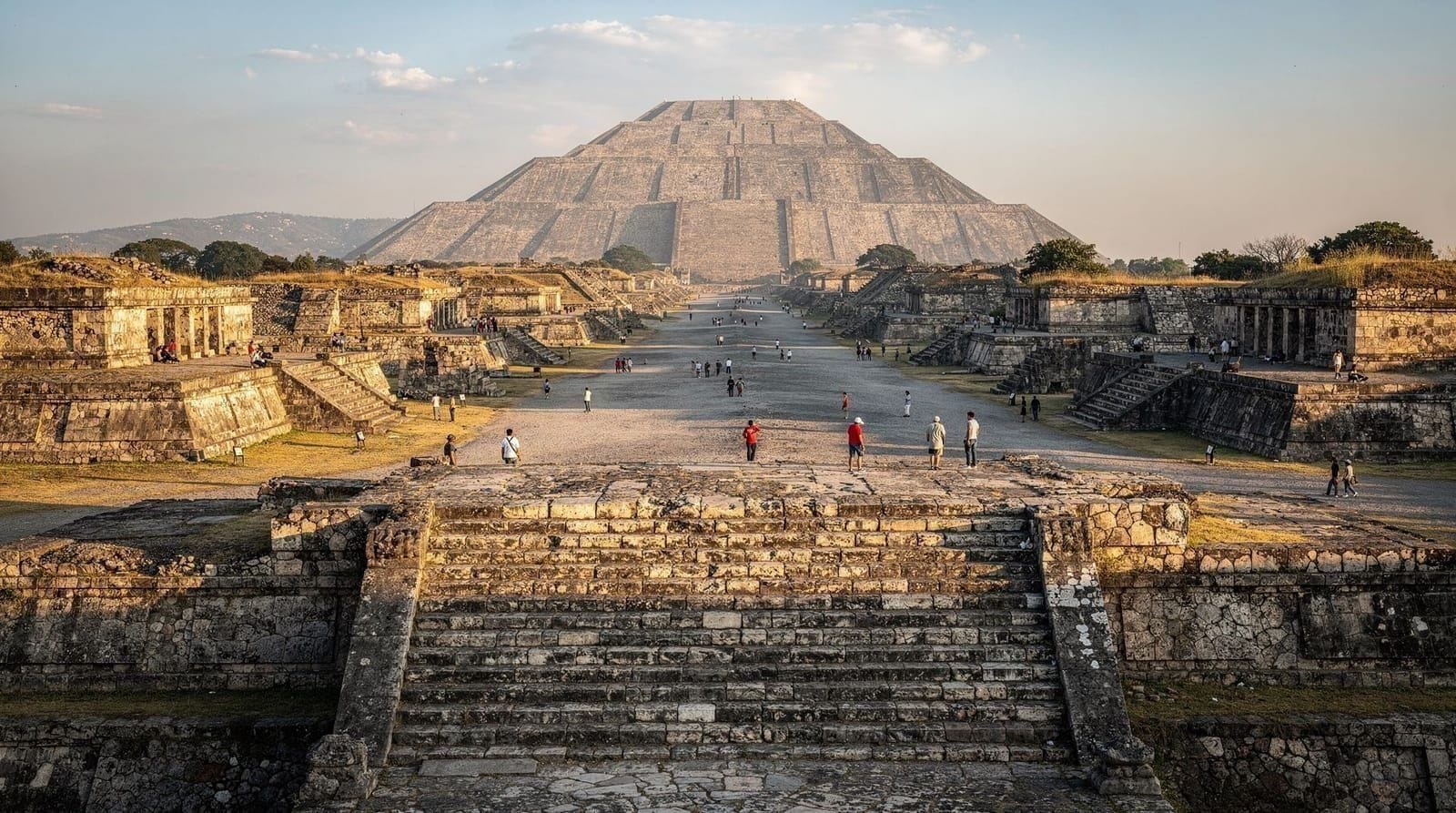
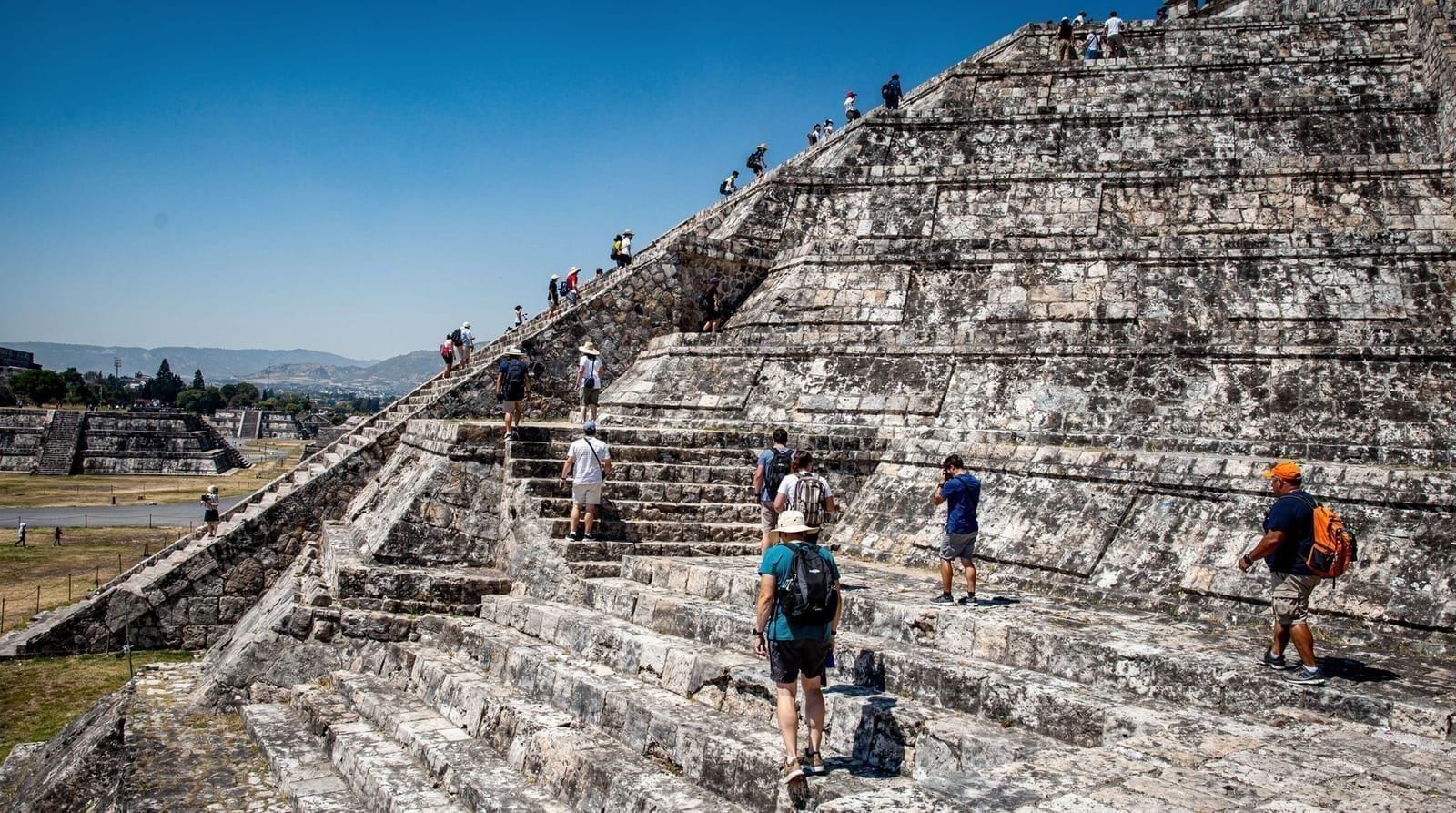
Important note on Teotihuacán: Since 2024, climbing the pyramids has no longer been permitted. You cannot ascend the Pyramid of the Sun or the Pyramid of the Moon. The Avenue of the Dead, the surrounding plazas, and the lower temple structures remain fully accessible and are still extraordinary.
The four days at a glance
| Day | Focus | Anchor sight | Evening base |
|---|---|---|---|
| Day 1 | Centro Histórico | Zócalo, Templo Mayor, Rivera murals | Roma |
| Day 2 | Chapultepec | Anthropology Museum, castle | Polanco |
| Day 3 | Coyoacán + San Ángel | Frida Kahlo Museum | Roma |
| Day 4 | Teotihuacán | Pyramid of the Sun, Avenue of the Dead | Rest |
Day 1: Centro Histórico — Zócalo, Templo Mayor, and Diego Rivera
Morning
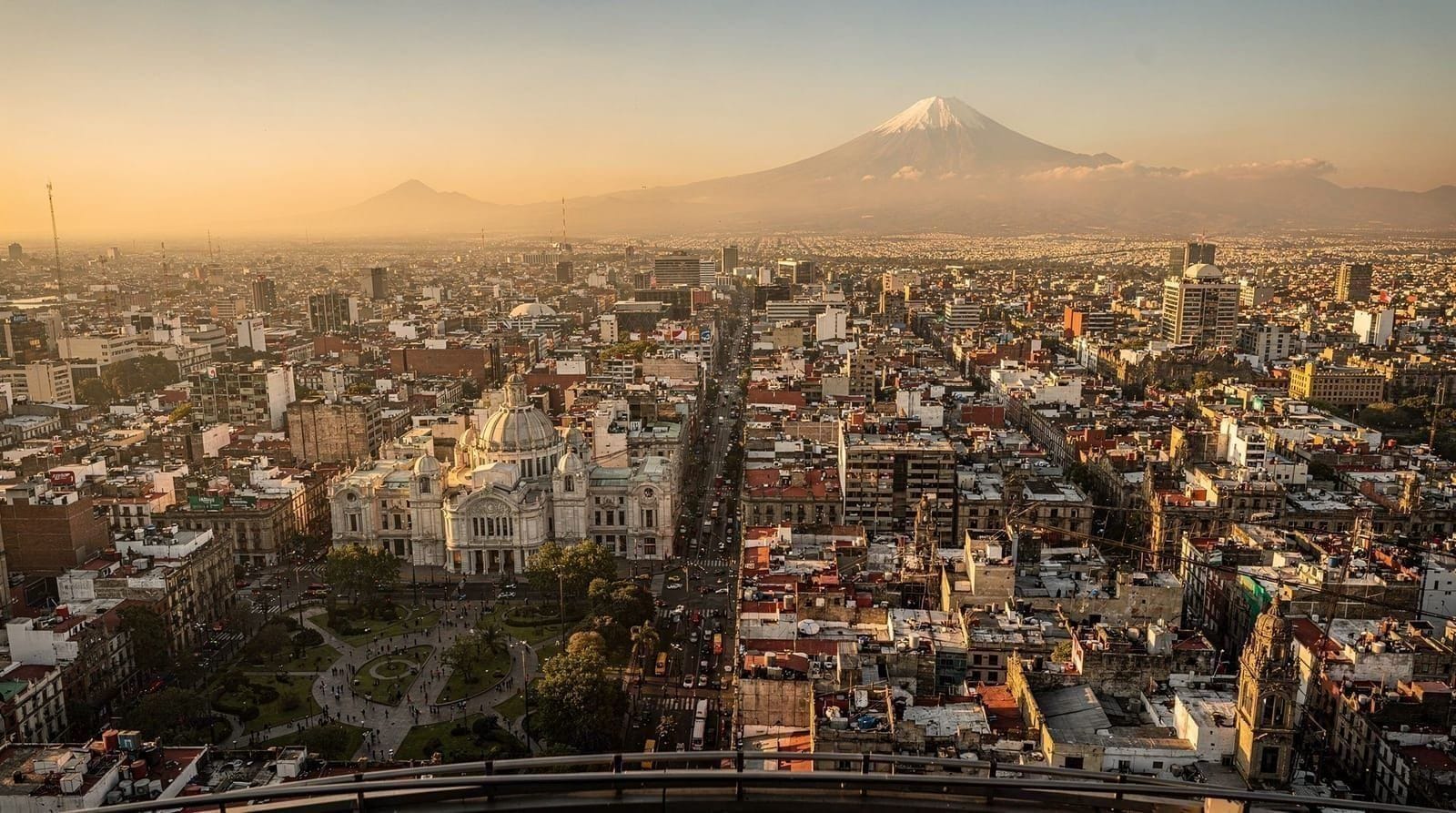
Arrive at the Zócalo early — the plaza is empty and dramatically atmospheric before 9 am, before tour groups and market stalls fill it. Walk the perimeter to get your bearings: the Metropolitan Cathedral to the north (largest in the Americas, free entry), the National Palace to the east, and the northeast corner where the Aztec Temple Mayor ruins begin.
The Templo Mayor (entry 80 MXN) is the excavated main temple pyramid of Tenochtitlán, the Aztec capital. Allow 90 minutes for the site and the attached museum. The museum’s Coyolxauhqui disc — eight tonnes of carved volcanic rock showing the goddess after she was killed by Huitzilopochtli — is one of the most important archaeological finds in Mexican history, discovered in 1978 by electric company workers laying cable.
Start with the historic downtown walking tour on day one morning if you prefer guided orientation before exploring independently. The tour covers the Zócalo area in about two to three hours and provides essential pre-conquest and colonial context.
Afternoon
The Diego Rivera murals in the National Palace (free, adjacent to the Zócalo) are mandatory. Rivera spent 25 years painting the staircase and corridors; the Epic of the Mexican People is a narrative of Mexican history from pre-Columbian times through the Revolution. Budget 60–90 minutes.
Walk west along Madero street to the Torre Latinoamericana area. The Palacio de Bellas Artes is 15 minutes on foot — exterior and ground floor are free; the third-floor Rivera mural “Man, Controller of the Universe” requires an 80 MXN ticket. The Art Nouveau/Art Deco architecture is worth seeing even from outside.
Evening
Dinner near your base. If staying in Roma, the Mercado de Medellín (Coahuila 92) has a back section of comida corrida stalls serving set meals from 80–120 MXN for extraordinary value. For a higher-end option on the same street network, Rosetta (Álvaro Obregón 97) is one of the best restaurants in the city — book ahead.
Day 2: Chapultepec — Anthropology Museum and the castle
Morning
Metro Line 1 (pink) to Chapultepec station, or Uber from Roma (about 80 MXN). Enter the Bosque de Chapultepec through the main gate on Paseo de la Reforma.
The National Museum of Anthropology is a full morning commitment: budget 3.5–4 hours minimum. Entry is 210 MXN ($11). The ground floor covers the major pre-Columbian cultures of Mexico in roughly chronological and geographic order — start with the Mexica (Aztec) room, move through the Maya rooms, and pick two or three additional halls based on interest. The first floor replicates contemporary indigenous villages. Do not skip the garden — the reconstruction of the Palenque palace entrance is architecturally striking.
The Chapultepec Castle and Anthropology Museum tour pairs both sites in one guided visit — the guide’s interpretation of the Mexica cosmology makes the Anthropology Museum significantly more comprehensible for visitors without archaeological background.
Afternoon
Chapultepec Castle (entry 210 MXN) — the former imperial and presidential residence on the hill above the park. The view of the city skyline from the terrace is one of the best in CDMX. The imperial apartments of Maximilian and Carlota are preserved with original furnishings. Allow 90 minutes.
After the castle, walk north through the park to the edge of Polanco and stroll along the sculpture-lined Paseo de la Reforma toward downtown. This 30-minute walk links Chapultepec to the upscale restaurants and galleries of Polanco.
Evening
Polanco for dinner. Taquería El Vilsito (Nuevo León 69, Narvarte, open from 11 pm onward) is one of the most discussed late-night taco spots in the city — tacos de canasta and pastor from 25–35 MXN. Alternatively, the Polanco restaurant strip around Presidente Masaryk has mid-range and upscale options with good variety.
Day 3: Coyoacán — Frida Kahlo, colonial streets, and local food
Morning
Metro Line 3 (green/blue) to Coyoacán station, exit and walk 10 minutes to the Jardín Hidalgo. Or take an Uber directly to Londres 247 (Casa Azul).
The Frida Kahlo Museum (Casa Azul) — entry 320 MXN, advance booking essential via museofridakahlo.org.mx. This is Frida’s actual home and studio, painted cobalt blue, preserved exactly as she left it. Her painted corsets, her extensive personal library, Diego Rivera’s letters, her pre-Columbian art collection — everything is in place. Allow 90 minutes inside, plus time in the garden.
The Frida Kahlo Museum entry with digital guide adds audio-guided context that deepens the visit considerably, particularly for visitors who want background on the relationship between Frida and Diego, and on the significance of the objects in each room.
Afternoon
Walk to the twin plazas — Jardín Hidalgo and Jardín Centenario — at the center of Coyoacán. The café culture, artisan stalls, and street food vendors make this one of the most pleasant public squares in the city. El Jarocho coffee kiosk (Allende 38, since 1953) serves café de olla for 35 MXN.
From the plazas, visit the Mercado de Coyoacán on Ignacio Allende — tostadas, gorditas, and antojitos from stalls that have been operating for decades. Tostadas with tinga (shredded chicken) or cochinita pibil from 50–80 MXN. This is significantly better quality than most tourist-facing restaurants in the area.
Mid-afternoon, Uber to San Ángel (80–100 MXN, 20 minutes) for the cobblestone streets, colonial houses, and the Museo Casa Estudio Diego Rivera y Frida Kahlo (their shared studio complex, entry 50 MXN). If your visit falls on a Saturday, the San Ángel Bazaar and Convento del Carmen tour covers the art market and the convent’s mummified remains in a single guided stop. Return to your base by metro or Uber in the early evening.
Evening
Your final evening before the Teotihuacán day. An early dinner and an early night — the Teotihuacán tour pickup is typically 7–8 am. Mexico City’s food tour options in Roma are excellent if you want a late-evening walk with snacks rather than a sit-down meal.
Day 4: Teotihuacán — Avenue of the Dead and the pyramids
Full day
Teotihuacán is 50 km northeast of Mexico City center, approximately 90 minutes by road. Options for getting there:
-
Organised tour (recommended): Departs 7–8 am, returns by 3–4 pm, includes transport and guide, 800–1,400 MXN per person. The Teotihuacán first-entry tour with expert guide provides first-access to the site before the bulk of visitors arrive, plus expert interpretation of the Avenue of the Dead, the pyramids, and the Ciudadela complex. For a first visit, the guided format is strongly recommended — the site makes far more sense with context.
-
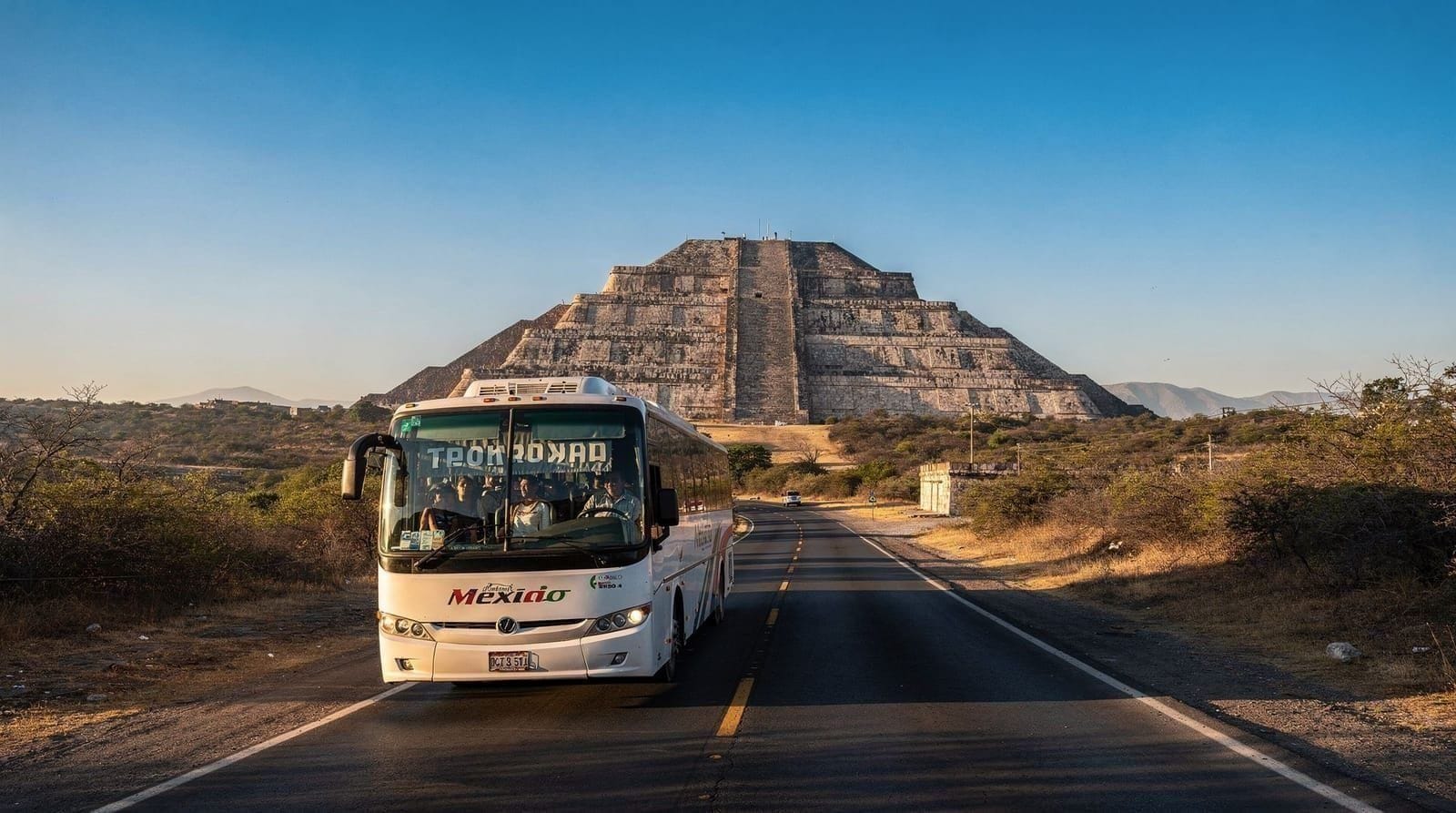
Independent by bus: Take Line 1 metro to Terminal Norte, then a bus to Teotihuacán (about 45 minutes, 55–65 MXN each way). The site itself costs 210 MXN to enter. Budget 500–600 MXN total for transport and entry. See the how to get to Teotihuacán guide for detailed logistics.
At the site: The Pyramid of the Sun is the third largest pyramid in the world. You can no longer climb it (access closed since 2024 to protect the structure), but walking the Avenue of the Dead and viewing the pyramids from ground level remains one of the most powerful archaeological experiences in the Americas. The Ciudadela complex at the south end of the avenue contains the Pyramid of the Quetzalcoatl with its intact serpent heads — arguably more visually striking than the main pyramids.
Allow 3.5–4 hours on site minimum. Bring sun protection — there is virtually no shade on the main avenue. Water vendors operate on-site but overcharge; buy 1.5L bottles at Oxxo or a supermarket before departure (10–15 MXN vs. 40–60 MXN on-site).
See the Teotihuacán complete guide and can you climb Teotihuacán pyramids for full site details.
Evening return
Most organised tours return to Mexico City by 3–4 pm, leaving the afternoon free. The best day trips from Mexico City guide has alternatives if you want to compare Teotihuacán against other options before committing.
Practical notes
Altitude at Teotihuacán: The site sits at roughly 2,300 m, similar to Mexico City. If you are still experiencing altitude symptoms on day 3, take it easy with hydration. Most visitors are fully acclimatised by day 3–4.
What to wear at Teotihuacán: Closed-toe shoes on the paved avenue surfaces, sunscreen, and a hat. Even in the dry season, temperatures can reach 28–32°C by mid-morning with no shade cover.
Best time for Teotihuacán: Arrive at opening (8 am) to avoid the midday heat and crowds. The first-entry tours build this in deliberately.
Best time of year for this itinerary
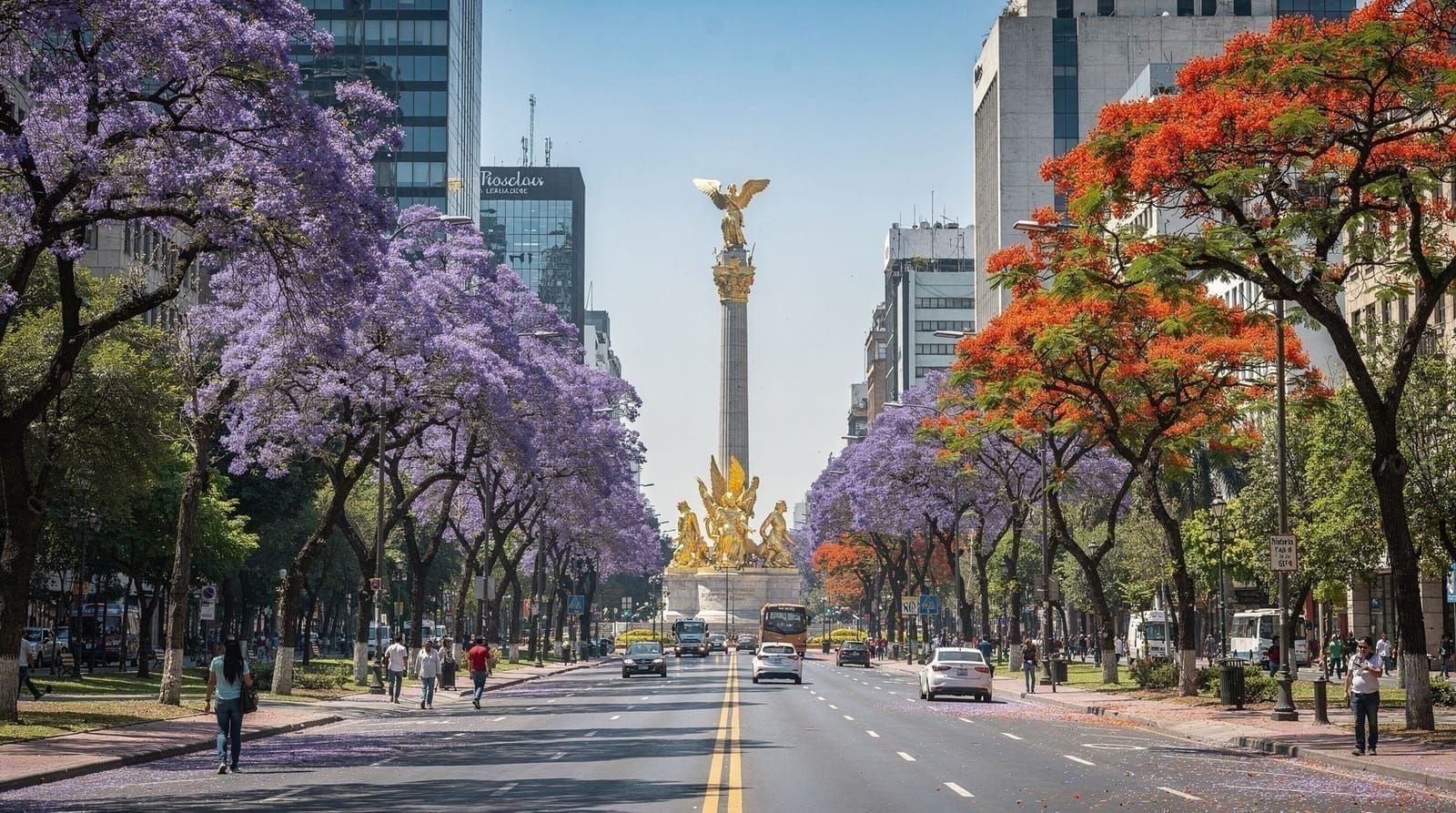
November through May is the dry season and the most reliable window for a four-day trip that includes a full outdoor day at Teotihuacán — clear skies and mild daytime temperatures make the shade-free Avenue of the Dead far more comfortable. June through September brings a predictable afternoon rain pattern; mornings are usually clear, which works in your favor since the Teotihuacán day should start early regardless. The best time to visit Mexico City guide and the weather month-by-month guide cover the full seasonal picture, including the March–April jacaranda bloom in Roma and Condesa.
Avoiding common first-timer mistakes
The most avoidable error on this itinerary is under-booking the Frida Kahlo Museum and the Teotihuacán tour — both sell out, particularly on weekends and around Mexican holidays. The Mexico City common scams guide is worth reading before you land: unofficial “guides” outside the Templo Mayor and inflated street-taxi fares are the two most common friction points for first-time visitors. Sticking to app-based rides and the transport notes in the getting around Mexico City guide avoids nearly all of it.
Budget reference (4 days, mid-range, per person)
| Category | MXN | USD approx. |
|---|---|---|
| Accommodation (3 nights) | 3,600–7,500 | $172–360 |
| Museum entries (Templo Mayor, MNA, Chapultepec, Frida, Teotihuacán) | 1,160 | $61 |
| Teotihuacán tour | 800–1,400 | $38–67 |
| Meals (4 days at mid-range) | 2,400–4,000 | $115–192 |
| Transport (metro + Uber) | 500–900 | $24–43 |
Frequently asked questions about this itinerary
Why do you recommend the Teotihuacán tour on day 4 rather than earlier?
Altitude acclimatisation. The site is at the same elevation as Mexico City, but being outdoors for a full day of walking requires slightly more physical effort than museum visits. By day 4, most visitors are fully adjusted.
Can I see Teotihuacán and Xochimilco both on a four-day itinerary?
Not comfortably — both require full day commitments and attempting both creates an exhausting itinerary. If Xochimilco is a priority, see the 5-day itinerary which includes both properly.
Is the National Museum of Anthropology worth 3–4 hours?
Yes, without reservation. It is the best pre-Columbian archaeology museum in the Americas. If your schedule allows only two hours, prioritize the Mexica (Aztec) and Maya rooms.
Do I need to book Teotihuacán in advance?
For an organised tour, yes — book 2–3 days ahead minimum, or more during school holidays and peak season. For independent visits by bus, advance booking is not required but arrive at the site early (before 9 am) to avoid crowds.
Where is the best place to stay for this four-day itinerary?
Roma Norte or Roma Sur. Both neighborhoods provide good metro and Uber access to all four days’ destinations, excellent dining, and are widely considered safe for tourists. Where to stay in Mexico City covers all neighborhood options with honest assessments.
What is the best time of year for a four-day trip that includes Teotihuacán?
November through May, the dry season, gives the most reliable conditions for the shade-free Teotihuacán day. See the weather month-by-month guide if you can shift your dates.
Top experiences
Bookable activities with verified prices and instant confirmation on GetYourGuide.