Three days in Mexico City: an honest first-timer trip report
I arrived in Mexico City with a spreadsheet and a mild anxiety about altitude. I left with chilli-stained fingers, an unreasonable amount of mezcal knowledge, and a plan to come back. Here is what actually happened over 72 hours — the good, the miscalculated, and the things I wish someone had told me before I landed.
| Where | Roma Norte base, Chapultepec, Centro, Coyoacán, Teotihuacán |
| Cost | around 900–1,100 MXN/day excluding hotel |
| Time needed | 3 full days, arriving late night 1 |
| Getting around | Uber/DiDi mostly, Metro for a couple of legs |
| Best time | any season; book Frida Kahlo Museum ahead regardless |
Day-by-day at a glance
| Day | Focus | What I actually did | What I’d change |
|---|---|---|---|
| Day 1 | Arrival + Anthropology Museum | Landed 11 pm, museum + Roma walk | Nothing — kept it deliberately light |
| Day 2 | Centro + Coyoacán + food tour | Zócalo, Templo Mayor, food tour, mezcal | Book Frida Kahlo Museum before arrival |
| Day 3 | Teotihuacán + San Ángel | Pyramids at 9 am, San Ángel, taco crawl | Arrive at Teotihuacán even earlier |
Arrival and day one: altitude, Uber, and figuring out Roma
The flight landed at MEX at 11 pm. The airport itself is manageable, but the taxi situation at the exit is chaotic — men in polo shirts approach you immediately offering rides. I had read enough to ignore them and look for the official Uber/DiDi pickup area (Terminal 1: follow signs to the upper level, Zone A/B). The app showed a 280 MXN (about $14 USD) fare to Roma Norte. I waited 8 minutes. The driver spoke no English; I spoke enough Spanish to confirm the destination.
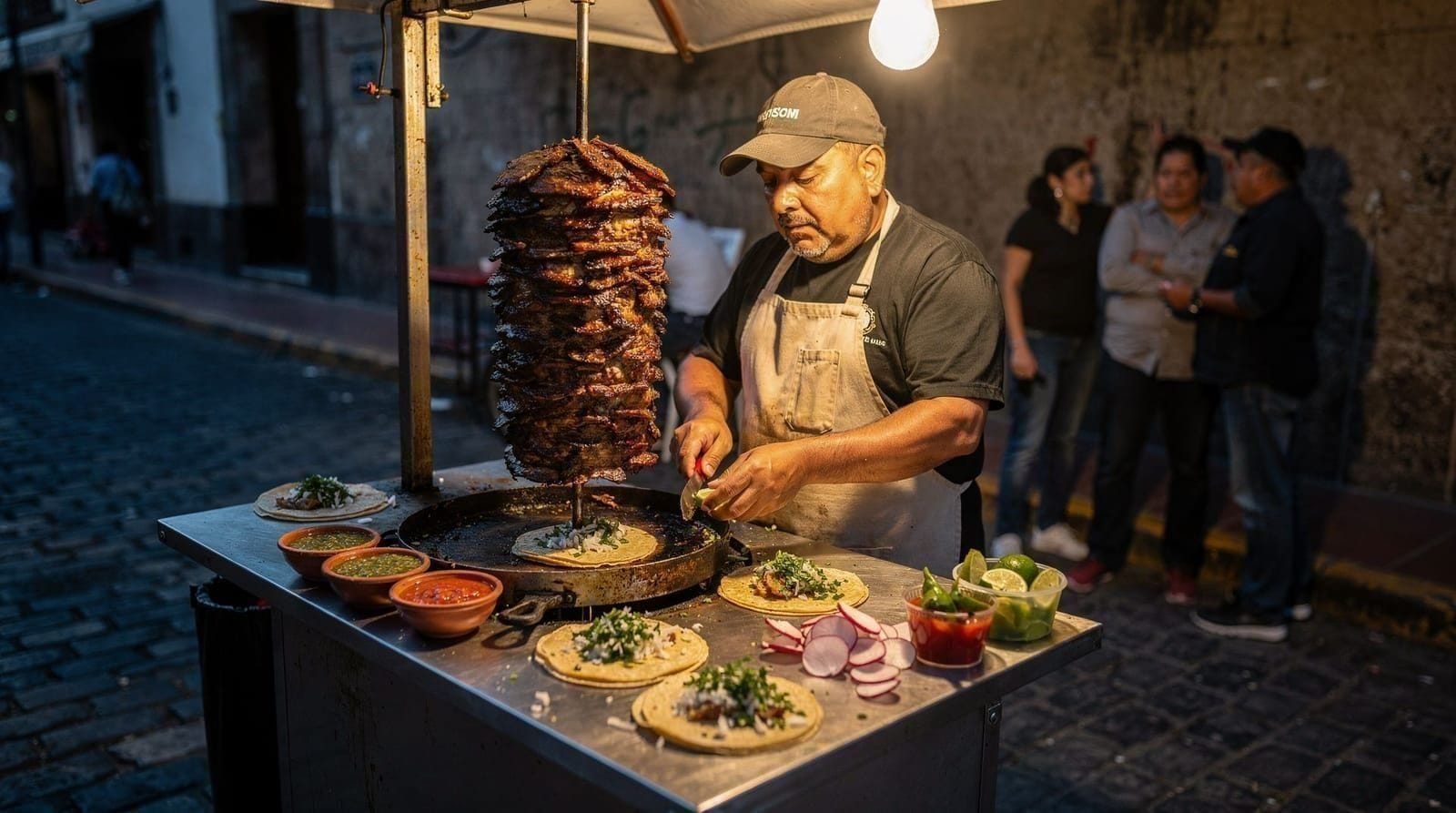
The drive into the city at midnight: dark, fast, disorienting. The expressways give no sense of where you are. Then suddenly the streets narrow and there are tacos al pastor stands lit by heat lamps at 1 am. That was my first read that the city does not really sleep.
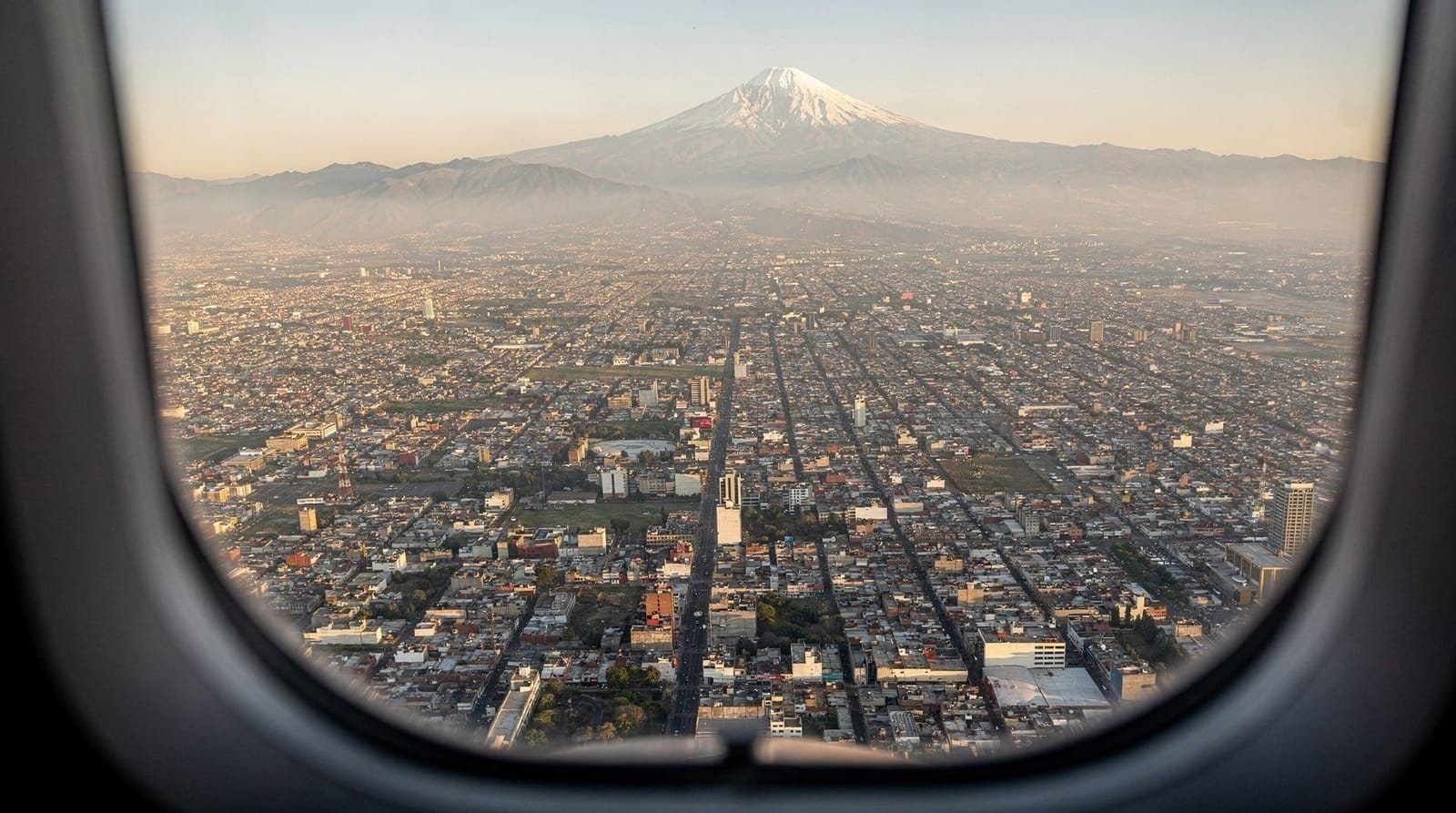
The altitude hit at breakfast. I woke up on day one feeling fine. By the time I climbed four flights of stairs to a rooftop café on Álvaro Obregón, I was breathing harder than the effort warranted. Not alarming, just noticeable. I drank two litres of water that morning and mostly ignored it by afternoon. If you are coming from sea level, go easy on the first day — 2,240 m is not Everest, but it is real.
Day one plan was ambitious. I had scheduled: Museo Nacional de Antropología, Chapultepec Castle, Centro Histórico, Zócalo, and Coyoacán. I did: Parque México (spent 45 minutes drinking iced coffee), the Museo Nacional de Antropología, and a walk around the Roma-Condesa neighbourhood. That’s it.
The Museo Nacional de Antropología at Chapultepec alone takes 3–4 hours if you do it seriously. The Aztec Sun Stone room is genuinely jaw-dropping. Do not skip it, but block the entire morning. Admission is about 85 MXN (roughly $4 USD). Closed Mondays.
Dinner was at El Hidalguense on Campeche in Roma Sur — a no-frills barbacoa spot popular with chilangos. I paid 180 MXN for a full plate of lamb barbacoa with consommé, handmade tortillas, and salsa verde. Cash only. Best meal of the trip.
What I miscalculated: trying to see too much on day one. Three days in CDMX is not enough to “cover” the city. Pick three or four things and do them properly.
Day two: Centro Histórico, Coyoacán, and the food tour decision
Walked from Roma Norte to Centro Histórico — about 45 minutes. This is a real city with real traffic: the walk takes you through changing neighbourhoods and gives you a sense of scale. Alternatively, the Metro is 7 MXN per ride and line 1 (pink) connects Roma-ish stations to the historic centre stations.
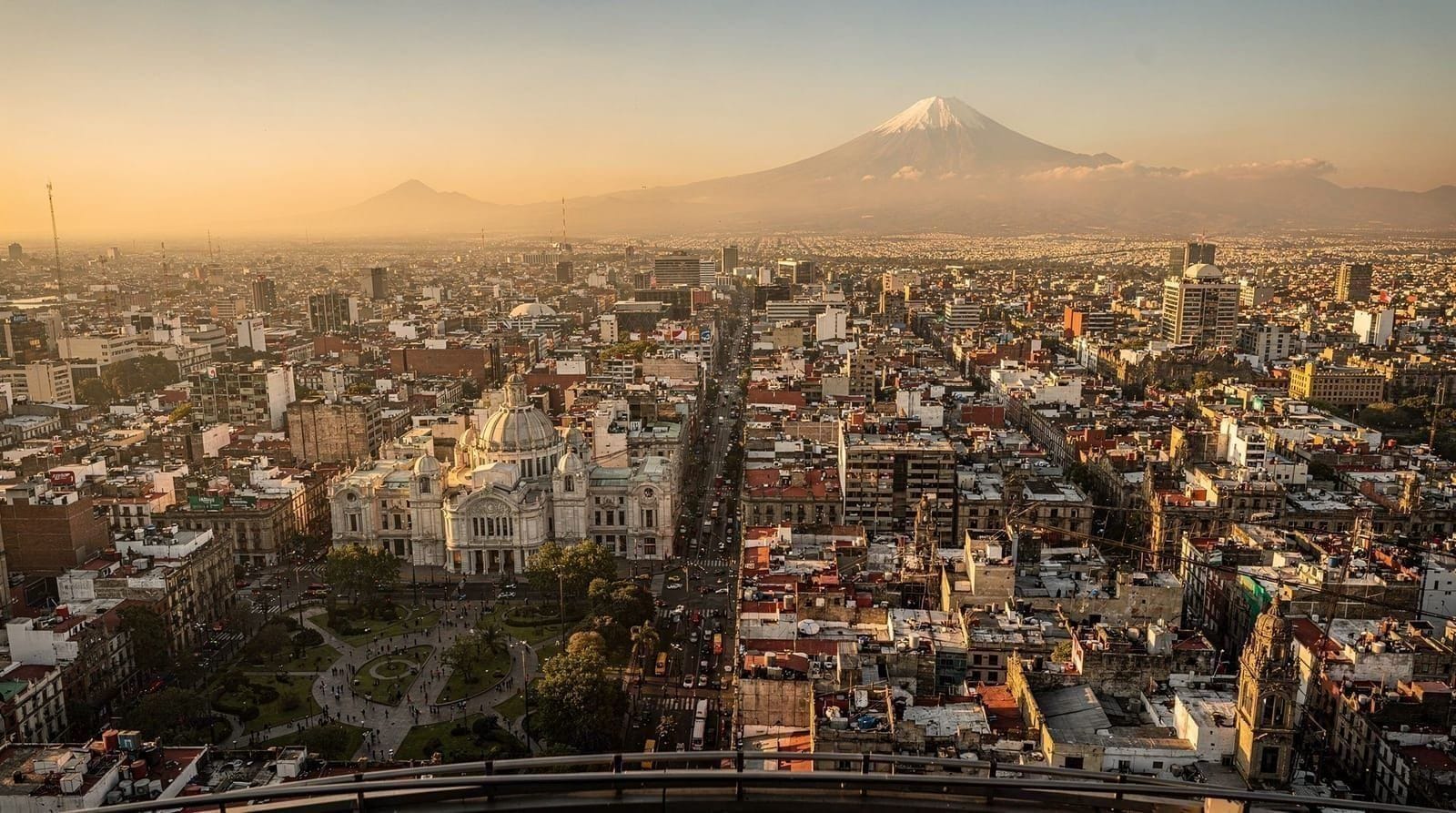
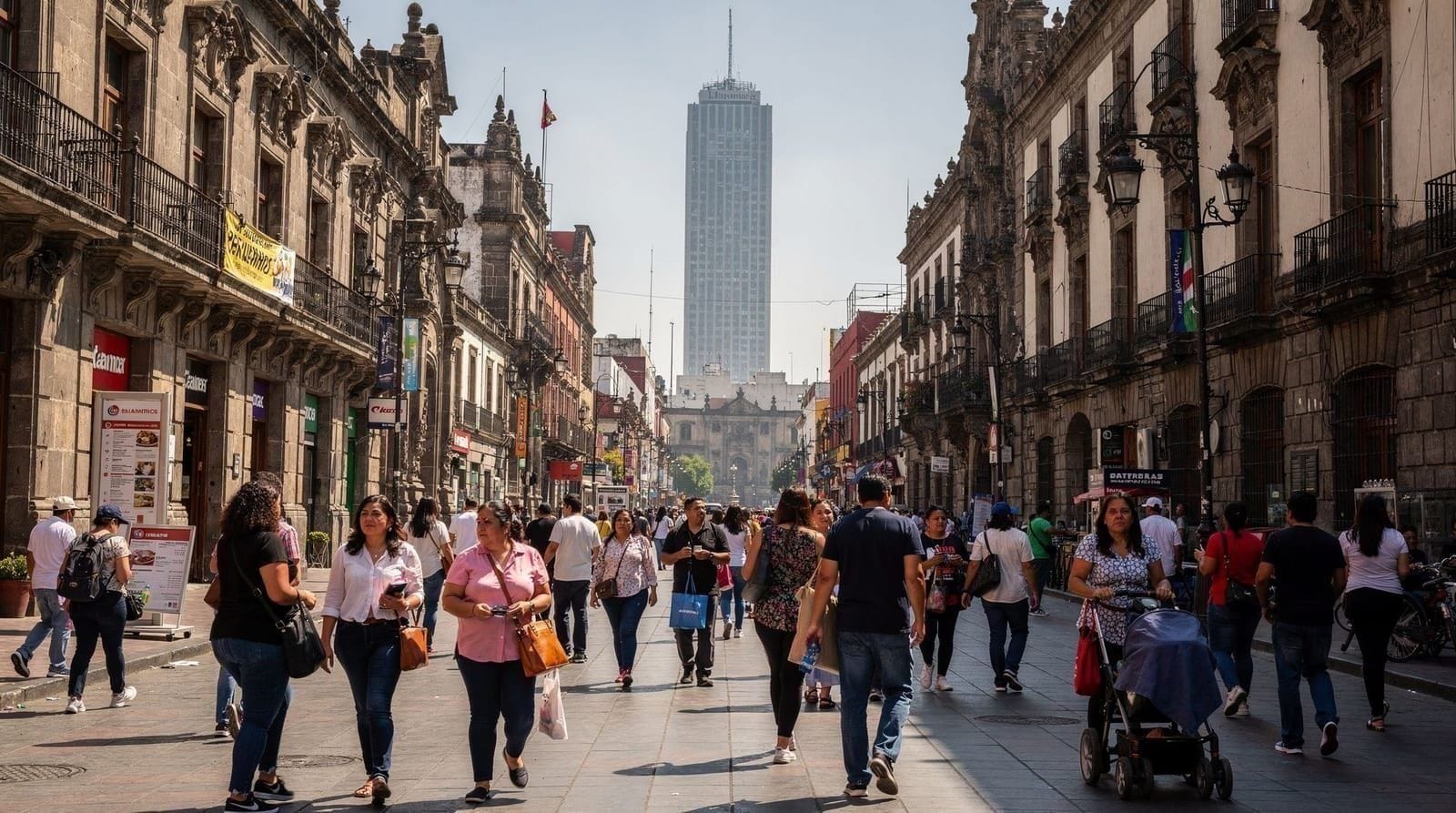
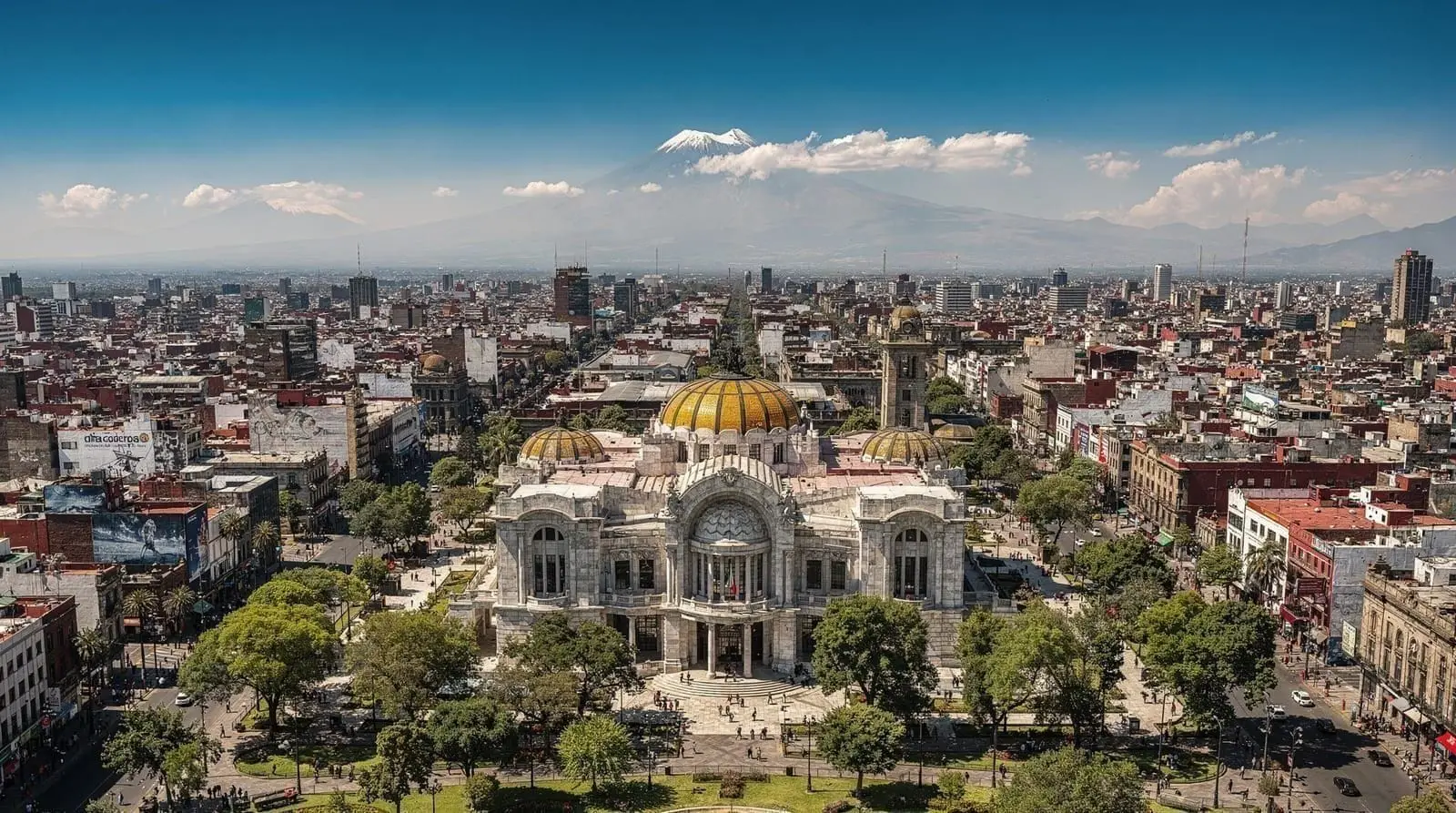
The Centro Histórico first impression: massive, loud, alive. The Zócalo is one of the largest public squares in the world. The Metropolitan Cathedral sinks visibly into the soft lakebed soil — they have been correcting its tilt for decades. The Palacio Nacional has Diego Rivera murals on the main staircase that are free to enter during opening hours. The queue for security can be 20–30 minutes but it is worth it.
Templo Mayor (complete guide here) is next door — a pre-Columbian Aztec temple excavated from beneath colonial buildings in the 1970s. The museum building attached to the ruins is excellent. Entry: about 85 MXN.
Mid-afternoon: took a Uber to Coyoacán (about 180 MXN, 25 minutes without traffic; 45 minutes with it). The Coyoacán neighbourhood is what people picture when they imagine “colonial Mexico” — cobblestones, brightly painted houses, a main square with trees. The Frida Kahlo Museum (Casa Azul) requires a pre-booked timed-entry ticket. I had not booked in advance. It was sold out. Do not make my mistake.
The food tour question: I had been debating a structured food tour for day two afternoon. I ended up booking one on arrival — a 3-hour street food walk through Centro and La Merced market area. Cost: around 900 MXN ($45 USD). Verdict: genuinely useful on a first visit. The guide explained context I would have missed (which market stall has been there 40 years, what tacos de canasta actually are), and eating 8 small things across 3 hours made more sense than sitting at one restaurant. The food tours guide has options across different neighbourhood focuses.
Historic Centre food tasting walking tourEvening: mezcal at a mezcalería in Roma Norte. I went to Bósforo on Luis Moya (historic centre, technically, but worth the trip). 120 MXN for a pour of good espadín mezcal. The mezcal vs tequila guide is useful reading before your first time ordering.
Day three: Teotihuacán and the afternoon question
Day three was the day trip to Teotihuacán. The pyramids of the Sun and Moon are about 50 km north of CDMX. Getting there independently: Metro to Terminal Norte (roughly 60 minutes from Roma), then the Autobuses del Norte bus to San Juan Teotihuacán (about 45 minutes, 60 MXN). Total time door-to-door: 2–2.5 hours. Or a guided tour that picks you up from your hotel and takes roughly the same time but handles everything.
One thing I did not know: you cannot climb the pyramids. Since 2024, climbing has been permanently prohibited to protect the structures. You walk around and between them, which is still impressive — the Avenue of the Dead stretches 2 km and the scale becomes apparent on foot. The site is vast and flat; wear comfortable shoes and sun protection. I arrived at the gates at 9 am (avoiding the 11 am–2 pm heat crush).
The archaeological site itself costs 100 MXN. There are several entry gates — Gate 1 is closest to the Pyramid of the Moon, Gate 3 to the Pyramid of the Sun. Most tours enter through Gate 1.
Teotihuacan early morning access half-day tourBack in CDMX by 2 pm. Afternoon: walked through San Ángel (Saturdays only for the Bazar del Sábado arts market — check dates if this applies to you), then a final taco crawl through Condesa. The taco at Tacos Hola! on Amsterdam — pastor with pineapple, 25 MXN each — was the one I thought about on the flight home.
What surprised me about Mexico City
The food is dramatically better and cheaper than I expected. A bowl of pozole at a market stall: 80 MXN. A proper sit-down lunch (comida corrida: soup, main, drink): 120–180 MXN. A taco al pastor: 20–30 MXN. You can eat extraordinarily well in CDMX on a tight budget.
The safety situation is not what the news headlines suggest. In Roma, Condesa, Coyoacán, Polanco, and the historic centre during the day, I felt as comfortable as in any major European city. I used the Metro (busy, a bit chaotic, no issues), walked at night in Roma, and ate at 1 am street stands. The honest safety guide for 2026 covers the neighbourhoods that do require caution — there are genuine no-go zones, but they are not where tourists typically are.
The altitude is real but manageable. Headache on day one morning, breathlessness on stairs for two days, and that was it. I stayed hydrated and did not attempt intense exercise until day two. The altitude guide has practical detail.
Three days is not enough. The city is massive — with 22 million people in the metro area, it is one of the largest urban areas on earth. I covered maybe 5% of what I wanted to see. The 4-day or 5-day itinerary would have been more honest for a first visit.
The three things I would do differently
- Book the Frida Kahlo Museum weeks in advance. It sells out, especially on weekends.
- Stay in Roma Norte rather than near the airport. Some hotels near Terminal 1 market themselves to transit passengers; they add 40 minutes of Uber rides to everything.
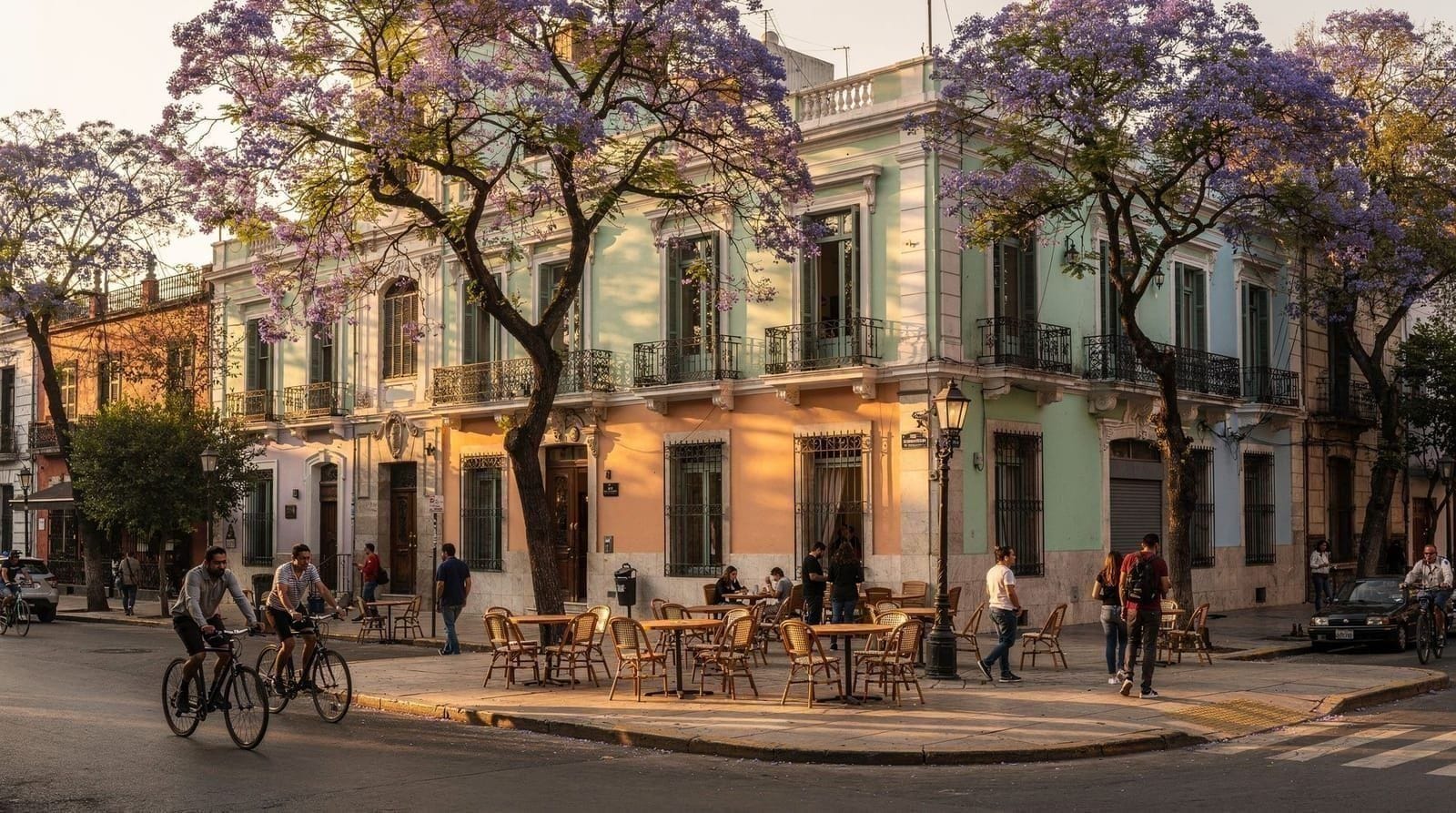
- Build in one afternoon of nothing. The city moves at its own pace. Sitting at a terrace café in Condesa watching people pass is an activity in itself.
Practically speaking
- Cash: keep 500–1,000 MXN on you at all times. Cards work at restaurants in Roma and Condesa, rarely at taquerías and markets.
- Tap water: do not drink it. Buy purified water (garrafón) from the hotel or OXXO (5–10 MXN for 600 ml). The tap water guide explains what is and is not safe.
- Apps: Uber and DiDi are essential. Never take an unmarked taxi from the street.
- Spanish: even a few phrases help. English is common in tourist areas, less so on the Metro or at market stalls.
What I’d tell a friend doing the same 3 days
If I were briefing a friend before their own 72 hours, the honest priority order would be: book the Frida Kahlo Museum the day you book flights, not the week before. Do not schedule anything physically demanding on day one morning — let the altitude settle before you push. Say yes to a food tour if you’ve never navigated a Mexican market before; it pays for itself in context alone. And build one hour of nothing into day two or three, because the pace of doing three cities’ worth of sights in three days is real and a coffee-and-nothing hour keeps it from feeling like a checklist. For friends who would rather skip the planning altogether, I would point them to a private 3-day guided exploration of the capital that covers the same ground with someone else handling the logistics.
I’d also say: don’t let three days convince you CDMX is “done.” I covered the greatest-hits version and left wanting Xochimilco, a proper Coyoacán afternoon without the museum sold out, and a return to that barbacoa spot on Campeche. The 4-day itinerary is what I’d actually book next time.
Frequently asked questions about a 3-day Mexico City trip
Is 3 days enough for a first visit to Mexico City?
It’s enough for a genuine first impression — the Anthropology Museum, Centro Histórico, and a Teotihuacán day trip fit comfortably. It is not enough to feel “done”; most first-timers, myself included, leave wanting a fourth or fifth day for Xochimilco or a proper Coyoacán afternoon.
What was the single best decision of the trip?
Booking the historic centre food tour on day two. It cost around 900 MXN and gave context (which stalls have decades of history, what tacos de canasta actually are) that would have taken far longer to piece together alone.